
How To
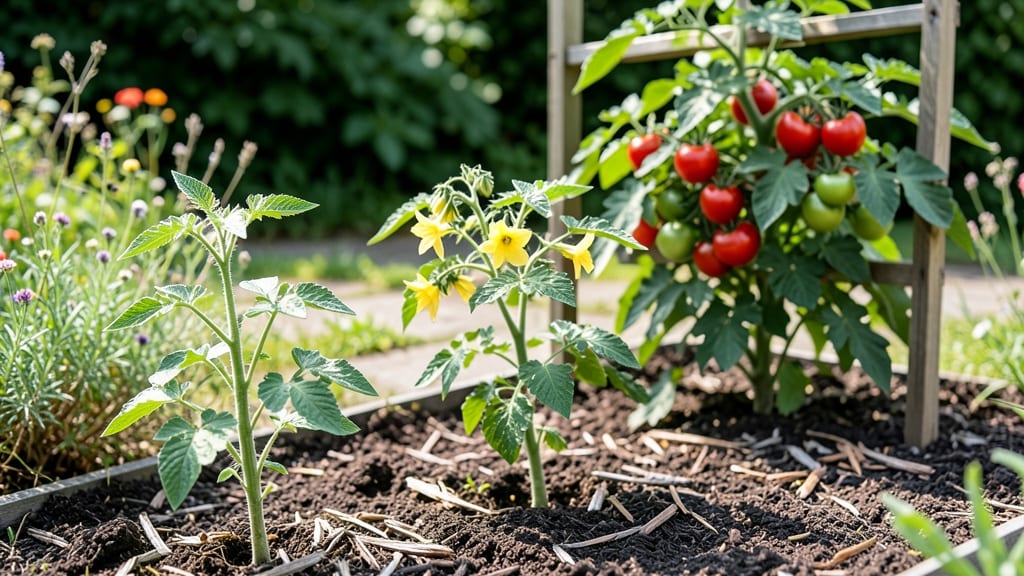
From tomato seed to harvest time takes just 10 weeks when you nail the timing, soil, and care—though many gardeners end up waiting twice as long because of missed milestones.
Picture this: you’ve spent weeks watching tiny seeds sprout, only to have your plants bolt in the heat or flowers drop without fruit. That’s why this guide focuses on the 10-week timeline that keeps your tomatoes on track, whether you’re growing cherry varieties or beefsteaks.
We’ll cover everything from soil prep to harvest signs, including how to adjust for your USDA zone and the key differences between determinate and indeterminate types.
By the end, you’ll know exactly when to plant, transplant, and harvest—plus how to troubleshoot delays before they happen.

Week-by-Week tomato growth timeline from seed to harvest
Growing tomatoes from seed is one of the most rewarding gardening experiences, but success hinges on understanding your plant’s 10-week growth cycle. Whether you're cultivating cherry tomatoes, beefsteak varieties, or heirloom types, each stage demands precise timing and care.
From the first seedling sprouts to harvest-ready fruit, this timeline ensures you don’t miss a critical milestone.
I’ve broken down the process into clear weekly checkpoints, including soil prep, transplanting, flowering, and fruiting. For determinate tomatoes (like 'Roma' or 'Celebrity'), expect a shorter harvest window, while indeterminate varieties (such as 'Brandywine' or 'Sungold') will continue producing for months.
Let’s dive into the exact steps to maximize your yield.
📅 Week 1-2: Germination – This is where your journey begins. After sowing seeds ¼ inch deep in warm soil (70-85°F), germination typically occurs in 5-14 days. Keep the soil consistently moist but not soggy, and place your seed trays in a sunny window or under grow lights. Once sprouts appear, provide 12-16 hours of light daily to prevent leggy seedlings.
📅 Week 3-4: Seedling Stage – Your seedlings will develop their first true leaves (not the initial seed leaves). This is the time to harden off your plants by gradually exposing them to outdoor conditions for 1-2 hours daily. If using grow lights, ensure they’re 2-3 inches above the seedlings to avoid burning. Fertilize lightly with a balanced liquid fertilizer (5-5-5) to encourage root and stem growth.
📅 Week 5: Transplanting – After 4-6 weeks indoors, your seedlings should be 3-4 inches tall with 2-3 sets of true leaves. Transplant them outdoors after the last frost date and when nighttime temperatures stay above 50°F. Bury seedlings deeper than usual (up to the first true leaves) to encourage stronger root systems. Space determinate tomatoes 18-24 inches apart and indeterminate varieties 24-36 inches apart.
| Stage | Action | Cherry Tomatoes | Beefsteak | Heirloom |
|---|---|---|---|---|
| Week 1-2 | Germination | 5-7 days | 7-10 days | 7-14 days |
| Week 3-4 | Seedling Growth | Hardening off | Hardening off | Hardening off |
| Week 5 | Transplant | 18" apart | 24" apart | 24-36" apart |
| Week 6-7 | Flowering | First blooms | First blooms | First blooms |
| Week 8-9 | Fruiting | First harvest | First harvest | First harvest |
| Week 10+ | Harvest | Ongoing | Peak yield | Peak yield |
📅 Week 6-7: Flowering – Your tomato plants will begin producing yellow flowers
How to adjust your timeline for determinate vs. indeterminate tomatoes
Not all tomatoes follow the same growth schedule—determinate and indeterminate varieties have completely different timelines for planting, pruning, and harvesting. If you plant a determinate variety expecting an indeterminate harvest window, you might be waiting weeks longer than necessary.
These differences become even more critical when adjusting for your USDA climate zone, which can shift your schedule by 1-3 weeks depending on heat or frost risks.
For example, determinate tomatoes like Roma or Celebrity produce all their fruit at once in a 2-3 week harvest window, while indeterminate varieties like Sungold or Brandywine keep producing until frost—6-8 weeks longer if cared for properly.
Understanding these distinctions helps you plan succession plantings or extend your harvest season.
The key differences boil down to growth habit, pruning needs, and harvest timing. Determinate plants grow to a fixed height (usually 3-5 feet), stop growing after flowering, and set fruit in clusters.
Indeterminate varieties grow continuously (often 6-10 feet tall) and produce fruit along the stem all season. Below, I’ve broken down the critical adjustments you’ll need to make for each type, plus how to tweak your schedule based on your USDA zone.
If you’re in USDA zones 5-6, where frost is a real threat, determinate tomatoes are your best bet for a reliable early harvest. Plant them 2 weeks earlier than the average last frost date, and expect a 2-3 week harvest window in late summer.
For indeterminate varieties, start seeds indoors 6-8 weeks before transplanting and use row covers to extend the season by 3-4 weeks.
In warmer zones (7-10), you have more flexibility. Indeterminate tomatoes thrive here, producing fruit well into fall if you prune regularly and stake them properly. For determinate varieties, succession plant every 2 weeks to stagger harvests.
In zone 10, you can even grow year-round with shade cloth during peak summer heat to prevent sunscald.
One common mistake is assuming all tomatoes follow the same timeline. For instance, cherry tomatoes (often indeterminate) may take 60-70 days to fruit, while heirloom beefsteaks (usually indeterminate) can take 80-90 days.
Always check the days-to-maturity label on your seeds or seedlings—this tells you exactly when to expect fruit based on your transplant date. Adjust your schedule by 1-2 weeks if you’re using transplants instead of starting from seed.