
Vegetables
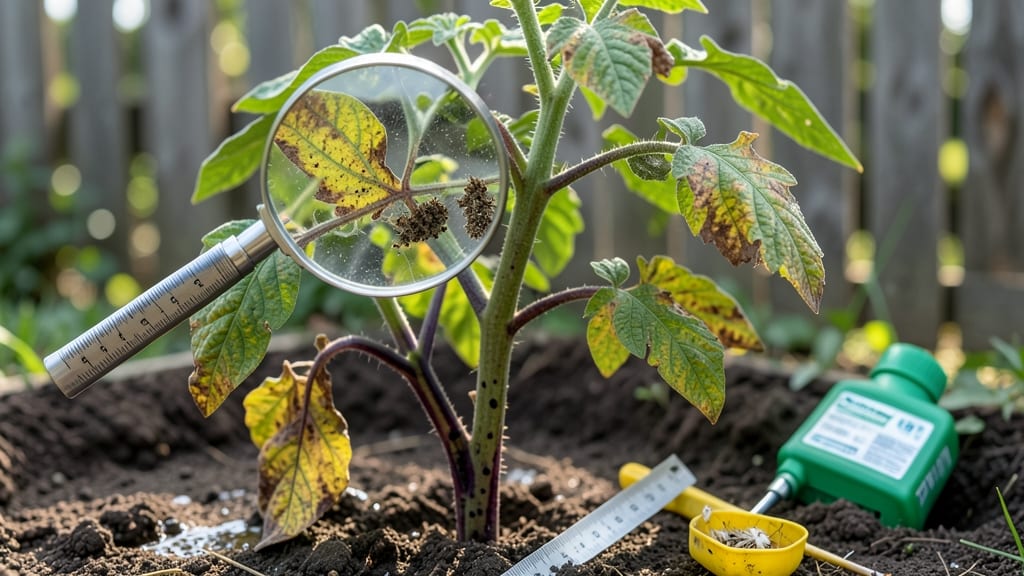
Tomato plants showing sensitivity symptoms can be heartbreaking—those first signs of stress or disease often look like blight or pests when they’re actually something simpler. 🌱 I’ve seen my own tomatoes develop strange spots, yellowing leaves, or stunted growth, only to realize it was environmental stress or even overwatering.
The good news? Most of these issues are fixable with a few adjustments to care, not a full garden overhaul.
Symptoms like crinkled leaves, brown edges, or blossom-end rot often point to water or nutrient imbalances, while pale yellowing or mottled patterns might signal pest damage or disease.
The key is acting fast—once you spot these signs, you can tweak your watering schedule, check soil pH, or even rotate crops to break pest cycles. I’ve saved entire tomato plants just by adjusting their care routine.
What you’ll learn here is how to identify these symptoms early and respond with targeted solutions—whether it’s adjusting sunlight, improving drainage, or using organic sprays. The goal isn’t just to save your tomatoes but to grow them stronger, with fewer surprises down the road.
Think of it as preventive medicine for your plants.
No matter your gardening experience, these fixes work for everyone. If you’ve ever stared at a struggling tomato plant wondering what went wrong, this guide will help you diagnose and treat the issue—so you can enjoy juicy, healthy tomatoes all season long. Let’s get those plants back on track!
Root Causes of Tomato Sensitivity
Tomatoes are a staple in kitchens worldwide, but for some, they trigger discomfort—whether it’s bloating, heartburn, or digestive unease. If you’ve ever felt uneasy after eating tomato-based dishes, you’re not alone. Below, we break down the why behind these reactions, so you can better understand (and manage) your body’s response.
Tomatoes contain histamine and biogenic amines (like tyramine), compounds that can trigger reactions in people with histamine intolerance. Here’s how it works: - Histamine buildup: Normally, your body breaks down histamine with the enzyme diamine oxidase (DAO).
If your DAO levels are low (due to genetics, gut issues, or medications like antihistamines), histamine accumulates. - Symptom triggers: Excess histamine can cause flushing, headaches, hives, or digestive upset—especially when tomatoes are fermented (like in sauces or pickles) or combined with other high-histamine foods (e.g., aged cheese, wine, or spinach). - Actionable fix: Opt for fresh, raw tomatoes (which have lower histamine levels than cooked or preserved ones) and pair them with DAO-rich foods like pineapple or kiwi to support breakdown.
Tomatoes are naturally acidic (pH ~4.0–4.9), which can irritate sensitive stomach linings, particularly if you have:
- GERD or acid reflux: The acid may trigger heartburn or regurgitation, especially when tomatoes are eaten on an empty stomach or in large amounts.
- Gastritis or ulcers: The acidity can worsen inflammation in the stomach lining, leading to burning pain, nausea, or bloating.
- Delayed emptying: High-acid foods slow stomach emptying, which may cause distension or discomfort in people with motility issues.
- How to adapt: Cook tomatoes to reduce acidity (simmering lowers pH slightly), or balance them with alkaline foods like cucumber, avocado, or coconut milk in sauces.
Tomatoes belong to the nightshade family, which contains solanine—a compound that may cause reactions in sensitive individuals. Here’s the science: - Solanine’s role: Found in the green parts of tomatoes (like unripe fruit or stems), solanine is a natural toxin that acts as a neurotransmitter blocker.
Some people metabolize it poorly, leading to: - Joint pain or inflammation (linked to autoimmune flare-ups in rare cases). - Gastrointestinal distress (nausea, diarrhea, or cramping). - Who’s at risk?: People with autoimmune conditions (e.g., rheumatoid arthritis) or mast cell activation syndrome (MCAS) may react more strongly. - Safe swaps: Stick to fully ripe, red tomatoes (solanine levels drop as they ripen) and avoid green or sprouting ones.
Tomatoes contain fructose (a type of sugar) and polyols (like sorbitol), which are FODMAPs—short-chain carbs that ferment in the gut.
For those with IBS or SIBO, this can cause: - Gas, bloating, or diarrhea (due to bacterial overgrowth feeding on FODMAPs). - Abdominal cramps (as the gut struggles to absorb the sugars efficiently). - Low-FODMAP tweaks: Try peeled, canned tomatoes (without added sugar) or tomato paste (cooked to break down fructose).
Pair with digestive aids like ginger or peppermint tea.
Certain medications amplify tomato sensitivity by altering gut pH or enzyme activity:
- NSAIDs (ibuprofen, aspirin): Increase stomach acid and irritate the lining, making tomatoes harder to tolerate.
- Antibiotics: Disrupt gut bacteria, leading to imbalanced fermentation of tomato sugars.
- Proton pump inhibitors (PPIs): While they reduce acid, they may also lower DAO levels, worsening histamine reactions.
- Solution: Time tomatoes with meals (not on an empty stomach) and space them from meds by 2+ hours.
True tomato allergies (rare) involve the immune system attacking proteins like Lycopene or Solanaceous proteins.
Symptoms may include: - Oral allergy syndrome (itchy mouth/throat when raw tomatoes are eaten). - Hives, swelling, or anaphylaxis (in severe cases). - Test it: If reactions are immediate (within minutes), see an allergist for skin prick testing or an IgE blood test.
Tomato sensitivity often stems from a combination of factors—acidity, histamine, solanine, or gut-specific triggers. The good news? Small, strategic changes (like cooking methods, pairings, or timing) can make tomatoes far more tolerable. Next up, we’ll explore gentle cooking techniques to minimize discomfort while keeping the flavor!
Quick fixes for tomato trouble
If tomatoes are turning your stomach into a battleground, don’t toss them out just yet! With a few smart swaps and tweaks, you can still enjoy their vibrant flavors without the discomfort.
Below, we’ve mapped out practical solutions for the most common tomato sensitivity triggers—plus prevention tips to keep your meals (and digestion) happy.
Cause: Raw tomatoes (especially ripe ones) pack a punch of citric and malic acid, which can irritate sensitive stomachs. Fix:
- Pair with alkaline foods to neutralize acidity. Think:
- Creamy avocado (add to salads or blend into sauces)
- Coconut milk (stir into soups or smoothies)
- Leafy greens (spinach or kale in pasta sauces)
- Cook them down—simmering reduces acidity. Try:
- Slow-cooked tomato sauces (add a splash of broth to dilute acid)
- Roasted tomatoes (toss with olive oil, salt, and bake at 400°F until softened)
💡 Pro Tip: If acidity is the issue, opt for green tomatoes (less acidic than red) or cherry tomatoes (smaller = milder).
Cause: Tomatoes contain fructose (a natural sugar) and soluble fiber, which can ferment in the gut and cause bloating in sensitive folks. Fix:
- Peel them first—removes some fiber and skin irritants (blanch in boiling water for 30 seconds, then peel).
- Choose low-FODMAP prep methods:
- Steamed or boiled tomatoes (gentler on digestion than raw).
- Tomato paste (cooked and concentrated, with less fructose).
- Add digestive aids:
- A pinch of ginger (anti-inflammatory) or fennel seeds (carminative) to dishes.
✨ Prevention: If bloating is frequent, start with tiny portions (e.g., ¼ cup cooked tomatoes) and gradually increase.
Cause: Some people react to solanine (a compound in tomato skins) or histamine (common in ripe tomatoes). Fix:
- Use seedless, skinless tomatoes (or peel them yourself).
- Pick firmer, less ripe tomatoes (lower in histamine).
- Try tomato alternatives:
- Sun-dried tomatoes (less water = more concentrated flavor, but check for added oils).
- Tomatillo salsa (milder and less acidic than tomato-based salsas).
🌡️ Allergy Test: If you suspect an allergy, apply a small amount of tomato paste to your lip—if irritation occurs, avoid tomatoes or see an allergist.
Cause: Tomatoes are a top trigger for acid reflux due to their acidity and ability to relax the lower esophageal sphincter. Fix:
- Avoid raw tomatoes—opt for cooked, chunky sauces (thicker = less likely to trigger reflux).
- Skip tomato-based dishes at night (acid reflux worsens when lying down).
- Add reflux-friendly ingredients:
- Oatmeal or almond flour (thickens sauces naturally).
- Baking soda (a pinch)—neutralizes acid (but don’t overdo it!).
🎯 Prevention Table: Reflux-Friendly Tomato Swaps
| Problem Dish | Better Swap | Why It Works |
|---|---|---|
| Fresh tomato salad | Steamed tomato + olive oil | Reduces acidity, adds healthy fats |
| Spicy marinara | Low-acid pasta sauce (with bell peppers) | Less acidic, easier to digest |
| Bloody Mary cocktail | Virgin Mary (no tomato juice) | Eliminates acid trigger |
- 🔪 Blend into soups—dilutes acidity and fiber (e.g., tomato-based minestrone with extra veggies).
- 🥘 Bake with less oil—some cooking oils (like olive) can enhance acidity; use minimal amounts.
- ⏰ Time your meals—eat tomatoes with protein or healthy fats (e.g., grilled chicken, avocado) to slow digestion and reduce irritation.
- 🌿 Try tomato powder—dehydrated and powdered tomato (found in health stores) is often better tolerated.
Final Thought: Tomatoes don’t have to be a no-go—adjust how you prepare and pair them, and you can still savor their taste without the tummy trouble. Start with one fix, test your reaction, and build from there! 🍅✨
Frequently asked questions
What are the most common signs of tomato sensitivity?
Watch for digestive discomfort like bloating, gas, or stomach cramps within 30-60 minutes of eating tomatoes. Other clues include skin reactions (hives, itching, or flushing), headaches, or joint pain—especially if you eat ripe or cooked tomatoes. These often signal histamine intolerance or nightshade sensitivity.
Can cooking tomatoes make them easier to digest?
Yes! Cooking reduces acidity and breaks down fructose (a fermentable sugar), making them gentler on sensitive stomachs. Try slow-cooked sauces or roasted tomatoes—both are easier to tolerate than raw. For extra relief, pair with alkaline foods like avocado or coconut milk.
Are cherry tomatoes less likely to cause reactions?
Yes, cherry tomatoes are often better tolerated because they’re smaller and less acidic than larger varieties. Their thinner skins also contain less solanine, a compound that can trigger reactions in some people. Start with ¼ cup to test your tolerance.
How do I know if my tomato sensitivity is an allergy vs. intolerance?
True allergies cause immediate reactions (within minutes)—like itchy mouth, swelling, or hives. Intolerances (like histamine issues) take hours and include digestive symptoms or headaches. If reactions are severe or involve breathing trouble, see an allergist for skin prick testing.
Can I still eat tomatoes if I have acid reflux?
You can, but with adjustments! Avoid raw tomatoes—opt for cooked, chunky sauces (thicker = less acidic) or steamed tomatoes. Skip tomato-based dishes at night, and pair them with protein/fat (like grilled chicken or avocado) to slow digestion. A pinch of baking soda in sauces can also help neutralize acid.