
Vegetables
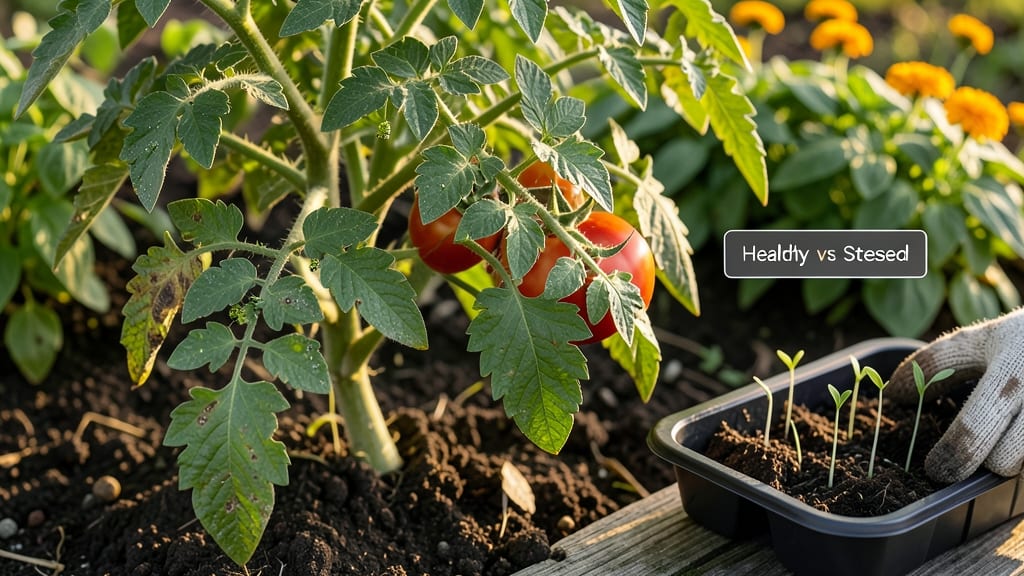
Understanding tomato side effects reveals that unripe tomatoes contain solanine, which may cause digestive upset, while oxalates in all varieties could contribute to kidney stones in susceptible individuals. Allergic reactions are rare but possible, especially in sensitive eaters.
Most people can enjoy tomatoes without issues, but the risks vary based on ripeness and individual health. 🌱 Green or unripe tomatoes contain higher levels of solanine, a natural toxin that can cause stomach discomfort or even mild poisoning in extreme cases.
Meanwhile, oxalates—found in all tomatoes—may pose a concern for those prone to kidney stones, though moderate consumption typically isn't problematic. The good news? Cooking tomatoes actually reduces oxalate levels, making them safer for frequent eaters.
For those with specific health concerns, choosing fully ripe tomatoes and cooking them thoroughly can minimize potential risks. If you're particularly sensitive, opting for lower-oxalate varieties like cherry tomatoes or roma tomatoes might help. Always listen to your body—moderation is key when it comes to any food, including tomatoes.
💡 In This Article
- Understanding Tomato Compounds and Their Potential Risks
- Safe Tomato Consumption: Tips for Gardeners and Eaters
Understanding tomato compounds and their potential risks
The primary concern with tomatoes stems from solanine, a glycoalkaloid naturally produced as a defense mechanism in the plant's green parts.
When tomatoes are unripe, their leaves, stems, and even the fruit itself contain elevated solanine levels—up to 5-10 milligrams per 100 grams in green tomatoes versus trace amounts in ripe ones.
This compound can cause mild gastrointestinal distress (nausea, vomiting) at doses above 200-300 milligrams, though poisoning cases are rare with normal consumption. 🌱 The body metabolizes solanine in the liver, but sensitive individuals may experience reactions even at lower exposures.
Oxalates, another compound found in all tomato varieties, present a different risk—particularly for those prone to kidney stones. Tomatoes contain approximately 20-40 milligrams of oxalates per 100 grams, with Roma tomatoes on the lower end and larger heirloom varieties sometimes exceeding this range.
When oxalates bind with calcium in the urinary tract, they form crystals that can develop into stones. The risk increases with dehydration or existing kidney conditions, though studies suggest moderate tomato consumption (1-2 servings daily) poses minimal danger for most people.
Cooking tomatoes reduces oxalate content by 15-30% due to leaching during boiling or simmering.
Lycopene, the antioxidant responsible for tomatoes' red hue, offers protective benefits that often overshadow these risks. Research shows lycopene reduces inflammation and may lower stroke risk by 30% when consumed regularly. However, rare allergic reactions can occur—typically involving skin irritation, hives, or respiratory symptoms—especially in individuals with pollen-food syndrome.
Cross-reactivity with nightshades (like potatoes) has been documented in 5-10% of sensitive populations. The key difference? Allergic responses target proteins in the tomato, while solanine/oxalate issues stem from chemical compounds present in all varieties.
Cooking transforms tomato safety profiles dramatically. Raw tomatoes retain higher solanine levels, but heat processing (especially boiling or slow-cooking) breaks down solanine molecules while concentrating lycopene—making cooked tomatoes 2-3 times more bioavailable for absorption.
For example, a 1-cup serving of raw diced tomatoes provides about 1,000 micrograms of lycopene, while the same portion cooked reduces oxalates by 25% and increases lycopene to 1,800 micrograms. This dual effect explains why tomato-based sauces and soups are generally safer than raw consumption for high-risk groups.
Individual tolerance varies widely based on genetics and health status. People with gout or kidney disease may need to monitor intake more closely, while others can enjoy tomatoes daily without issues.
The World Health Organization classifies tomatoes as low-risk foods, noting that the benefits (vitamin C, potassium, fiber) far outweigh potential hazards for the average consumer. The critical factor isn't whether to eat tomatoes, but how they're prepared and consumed—ripe, cooked tomatoes pose the least risk for most people.
For gardeners growing tomatoes, the ripeness checkpoint is crucial. Harvesting tomatoes when they're fully colored (red, yellow, or orange) ensures solanine levels are negligible. Storing tomatoes at 55-60°F slows ripening and prevents spoilage-related toxin buildup.
If you must use green tomatoes, peeling them removes 70-80% of the solanine content, making them safer for cooking. This simple step can eliminate most of the digestive risks associated with unripe fruit. 🔥