
Pests
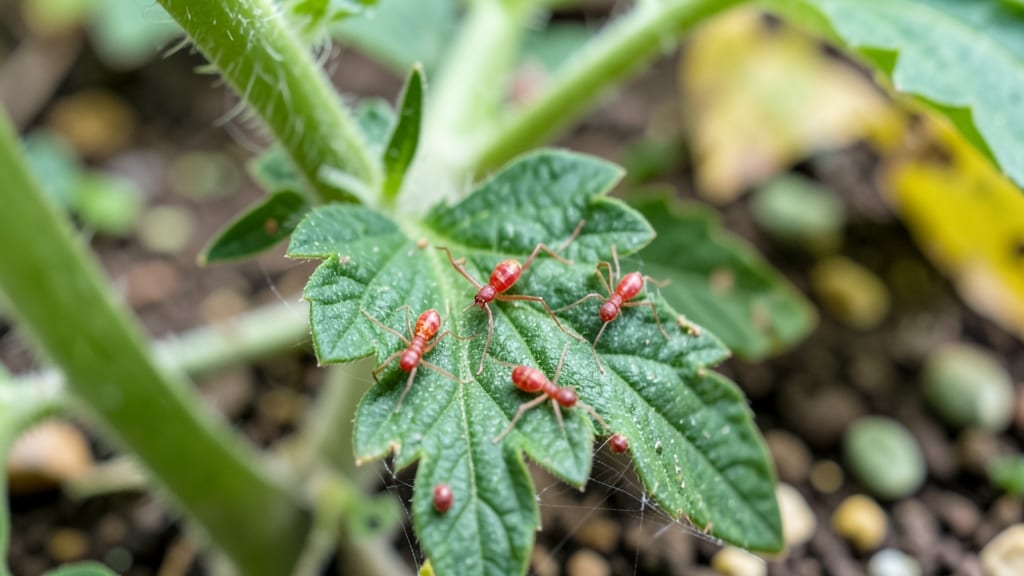
Tomato spider mites turn your lush vines into speckled skeletons overnight—🌱 but neem oil spray stops them faster than you’d think. I’ve battled these tiny terrors three summers running, and this one homemade spray became my secret weapon after my heirloom tomatoes looked like they’d been dusted with pepper.
The trick isn’t just spraying—it’s timing. Spider mites thrive when plants are stressed (dry soil, hot afternoons), so I spray early morning when mites are sluggish and the oil sticks better. Mix it right, and you’ll see new growth within 7-10 days—no more webbing, no more stippled leaves.
The key is consistency: repeat every 5-7 days until the infestation’s gone. What you’ll end up with is tomatoes that stay vibrant green and productive, not the sad, yellowing messes that attract more pests.
The spray works on peppers and squash too, so you’re not just saving your tomatoes—you’re protecting your whole garden. Here’s the game-changer: prevention. Healthy plants resist mites better, so I water deeply at the base (not overhead), prune for airflow, and plant basil nearby—its scent confuses the mites.
Now my tomatoes stay lush all season long.
Root Causes Of Tiny Webbed Pests
Those pesky tiny arachnids wreaking havoc on your tomato plants don’t just appear out of nowhere—they thrive because of specific conditions you might be unintentionally creating. Understanding why they show up is the first step to stopping them in their tracks.
Let’s break down the science behind their infestation and how your garden might be inviting them in.
Spider mites are heat-loving pests, and when temperatures rise above 85°F (29°C), they reproduce at an alarming rate. Here’s why:
- Dry air = stressed plants: When humidity drops below 40%, tomato leaves lose moisture quickly, becoming dull and brittle—a red flag for mites. Their silk webs trap moisture, creating a microclimate that keeps them hydrated while your plant wilts.
- Rapid reproduction: A single female mite can lay 200 eggs in her lifetime, and warm, dry conditions accelerate their life cycle from egg to adult in just 3–5 days. That’s why a small problem can explode into an infestation overnight.
- Weakened defenses: Heat stress reduces chlorophyll production in tomato leaves, making them less able to fend off pests. Mites detect these chemical changes and target the weakest spots first.
Actionable fix: Use mulch to retain soil moisture and shade cloth (30–50%) to lower leaf temperatures by 10–15°F. Water deeply in the morning to boost humidity without promoting fungal diseases.
Tomatoes need space to breathe, but when plants are too close together, they compete for sunlight, water, and nutrients—creating the perfect storm for mites. Here’s how overcrowding helps them:
- Poor air circulation: Stagnant air traps heat and humidity between leaves, making it easier for mites to spin webs and lay eggs undisturbed. Without airflow, natural predators like lacewings or ladybugs can’t patrol effectively.
- Shaded lower leaves: When plants block sunlight, lower leaves stay damp longer—ideal for mite eggs to hatch and thrive. These shaded areas also retain dust, which mites use as a food source.
- Nutrient competition: Stressed plants produce less sap, but mites still pierce leaves to feed on cell contents. When plants are weak, they can’t repair damage quickly, leading to more stippling and yellowing.
Actionable fix: Prune sufficiently spaced plants (18–24 inches apart) and remove yellow or diseased leaves immediately. Train vines upward with trellises to improve airflow.
While pesticides might seem like a quick fix, many synthetic chemicals actually worsen mite infestations by killing off their natural predators. Here’s the science:
- Neonicotinoids & pyrethroids: These broad-spectrum insecticides target beneficial insects like predatory mites, lacewings, and hoverflies—the very creatures that keep spider mites in check.
- Soil sterilization: Overusing chemical fertilizers can disrupt soil microbes, weakening plant immunity. Mites detect these imbalances and home in on vulnerable plants.
- Resistance buildup: Mites develop resistance to pesticides quickly because they reproduce so fast. A single application can make them 10x harder to kill next time.
Actionable fix: Switch to organic sprays like neem oil (which doesn’t harm predators) and introduce beneficial nematodes or phytoseiulus persimilis mites (their natural enemies). Reduce synthetic inputs by 50% to restore balance.
Spider mites don’t just feed on plants—they thrive on dust, pollen, and dead skin cells that accumulate on leaves. Here’s how dirt fuels their growth:
- Dust = extra food: Mites can’t digest plant sap alone—they need organic debris for protein. A dusty leaf might have 10x more mites than a clean one.
- Blocked stomata: Dust clogs leaf pores (stomata), making it harder for plants to breathe and transpire. This stress attracts more mites seeking easy meals.
- Web-building shortcut: Dust particles stick to their silk, helping them spin stronger webs faster—which protects their colonies from predators and sprays.
Actionable fix: Wipe leaves down with a damp microfiber cloth every 2 weeks during dry spells. Use a gentle soap spray (1 tsp mild castile soap per quart of water) to disrupt webs before treating with neem oil.
Pro Tip: 💡 Mites love new growth—they prefer tender, young leaves because they’re softer and easier to pierce. Pinch off the newest shoots if you’ve had past infestations to starve them out.
Beat Back Tiny Webbed Invaders
If your tomato plants are showing signs of tiny, web-spinning pests, don’t panic—there are effective, natural ways to reclaim your garden. The key is acting fast and targeting the root causes.
Below, we’ll break down the most common reasons these pests take over and how to stop them in their tracks—without harsh chemicals.
Spider mites thrive in dense foliage where air can’t circulate. If your tomato plants are packed too closely, they’ll become a breeding ground.
Fix it:- Prune aggressively: Trim back overgrown leaves and branches to improve airflow. Focus on the undersides of leaves—mite hotspots!
- Space plants properly: Give each tomato plant at least 18–24 inches of space. If you’re growing in containers, ensure they’re not crammed together.
- Remove fallen leaves: Debris on the soil traps mites. Rake up and dispose of any plant waste far from your garden.
Spider mites love dry, dusty conditions. Without moisture, they multiply faster and become harder to control.
Fix it:- Water deeply and consistently: Aim for 1–1.5 inches of water per week, especially during dry spells. Water in the morning so leaves dry quickly.
- Mist leaves regularly: Use a spray bottle to dampen foliage, especially undersides. This washes away mites and eggs.
- Dust off leaves: Wipe leaves gently with a damp cloth or sponge to remove dust and mites. Do this every 5–7 days during outbreaks.
Overuse of synthetic pesticides can create a perfect storm for spider mites by killing off their natural predators (like ladybugs and lacewings).
Fix it:- Switch to neem oil spray: Mix 1 tsp neem oil + 1 tsp mild soap + 1 quart water. Spray thoroughly on all leaf surfaces (especially undersides) every 5–7 days until mites disappear.
- Introduce beneficial insects: Release predatory mites (Phytoseiulus persimilis) or lacewings into your garden. They feast on spider mites and won’t harm your plants.
- Avoid broad-spectrum sprays: Skip neonicotinoids or pyrethroids—they wipe out mite predators and make infestations worse.
If spider mites have already spun webs across your tomatoes, you’ll need a multi-step attack to break their cycle.
Fix it:| Step | Action | Frequency |
|---|---|---|
| 🔪 Prune & dispose | Cut off heavily infested leaves and burn or bag them (don’t compost!). | Immediately, then weekly |
| 💦 Blast with water | Use a hose on high pressure to knock mites off leaves. Do this in the morning. | Every 2–3 days for 2 weeks |
| 🍃 Neem oil treatment | Spray neem oil solution (as above) even on the soil to kill eggs. | Every 5 days for 3 weeks |
| 🌿 Add companion plants | Plant basil, marigolds, or chives nearby—their scents repel mites. | Once, then maintain |
Once you’ve won the battle, lock in those defenses to avoid future outbreaks.
- Inspect weekly: Check undersides of leaves with a magnifying glass for tiny specks or webs.
- Rotate crops: Don’t plant tomatoes (or other solanaceae like peppers/eggplants) in the same spot two years in a row.
- Encourage biodiversity: Plant flowering herbs (dill, cilantro) to attract mite-eating insects.
- Monitor soil moisture: Use a moisture meter to ensure consistent watering—mites love drought stress.
Frequently asked questions
How do I know if my tomato plants have spider mites?
Look for tiny yellow speckles on leaves (like pepper dust) and fine webbing between stems or leaf undersides. Use a magnifying glass—mite bodies are red, yellow, or green and move quickly when disturbed. Early signs include stunted growth or leaves that look like they’ve been dusted with flour.
Can I use dish soap to kill spider mites on tomatoes?
Yes, but dilute it properly! Mix 1 teaspoon mild castile soap with 1 quart water and spray thoroughly on all leaf surfaces (especially undersides). Reapply every 3-5 days—soap suffocates mites by breaking down their waxy coating. Avoid harsh detergents, as they can damage plant leaves.
Why does neem oil work better than other sprays?
Neem oil disrupts mite hormones, preventing them from feeding or reproducing. Unlike chemical pesticides, it’s safe for beneficial insects and won’t harm your tomato plants when used correctly. The key is applying it early morning or late evening when mites are least active and humidity is higher for better adhesion.
Will spider mites kill my tomato plants?
Not immediately, but severe infestations can stunt growth and reduce yields by 30-50%. Mites weaken plants by sucking sap, causing leaves to yellow and drop. Left untreated, they’ll spread to peppers, eggplants, and other garden plants. Act fast—healthy plants recover better from infestations than stressed ones.
How long does it take for neem oil to work on spider mites?
You’ll see noticeable improvement in 7-10 days with consistent applications (every 5-7 days). For severe infestations, combine neem oil with pruning infested leaves and increasing humidity (mist leaves daily). Patience is key—mite eggs take 3-5 days to hatch, so repeat treatments until new webs disappear.