
Vegetables
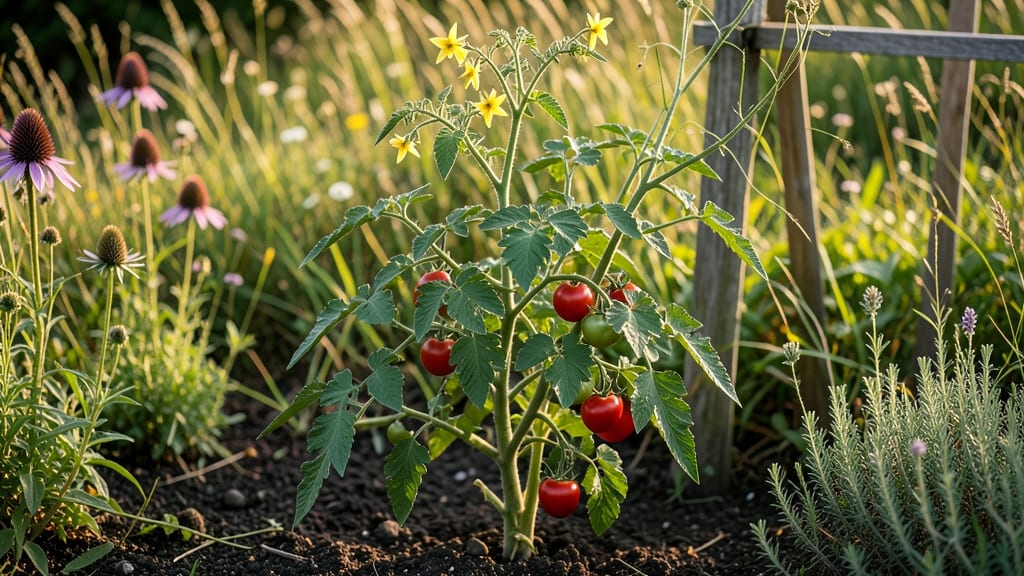
Growing Virginia Sweets tomatoes means biting into juicy, sweet slices that taste like summer in every bite—no acidity to ruin the flavor. 🌱 I learned the hard way that these heirlooms need specific care to deliver their legendary taste, and I’m sharing the exact techniques that turn good plants into showstopping harvests.
The secret starts with rich, well-draining soil and full sun (6-8 hours daily), but it’s the watering and pruning that make the difference. Too much water dilutes the flavor, while aggressive pruning can reduce fruit size.
My plants now produce pound after pound of tomatoes that neighbors beg for recipes from. You’ll know you’ve succeeded when the first ripe fruit bursts with sweetness and the vines keep producing until frost. The flavor improves as the season progresses, making late harvests even more rewarding.
Perfect for home gardeners in zones 5-9, though container growing works in cooler areas. Here’s how to grow them like a pro!
📚 In This Guide
- What you need
- Instructions
- Tips and common mistakes
- Wrapping up and next steps
What you need
- ● Seeds: 1 packet of Tomato Virginia Sweets heirloom seeds (ensure they’re fresh and from a trusted supplier).
- ● Containers or Garden Space: For container gardening: 5-gallon pots or larger (at least 12–18 inches deep) with drainage holes. Quantity: 1 pot per plant (or 2–3 plants per large container).
- ● For in-ground planting: A sunny spot (6–8 hours of sunlight daily) with well-draining soil. Space plants 2–3 feet apart.
- ● Potting Mix: 1 bag of high-quality, organic potting soil (or a mix of garden soil + compost for in-ground planting). Avoid garden soil with high acidity.
- ● Fertilizer: Balanced organic fertilizer (e.g., 5-5-5 or 10-10-10) for transplanting.
- ● Slow-release tomato-specific fertilizer (e.g., Osmocote or compost tea) for ongoing nutrition.
- ● Support System: Cages, stakes, or trellises (6–8 feet tall) to support the sprawling vines.
- ● Mulch: Straw or shredded leaves to retain moisture and suppress weeds.
- ● Basic Gardening Tools: Trowel or hand shovel.
- ● Pruning shears (for trimming suckers and dead leaves).
- ● Gloves (to protect your hands from thorns and soil).
- ● Watering Supplies: Watering can or hose with a gentle spray nozzle (avoid soaking the leaves to prevent disease).
- ○ Drip irrigation system (optional but helpful for consistent moisture).
- ● Prerequisites: Patience! Virginia Sweets are indeterminate and may take 70–90 days to mature.
- ● Knowledge of pH levels: Aim for a soil pH of 6.0–6.8 (use a testing kit if needed).
- ● Fish emulsion or worm castings for a nutrient boost.
- ● Row covers or shade cloth to protect young plants from pests or excessive heat.
- ● Calcium supplement (e.g., crushed eggshells) to prevent blossom-end rot.
- ● Harvest basket or clippers for easy picking.
Step-by-step instructions for growing Virginia Sweet tomatoes
Here's how to coax those legendary sweet, low-acid tomatoes from seed to vine.
🌱 Step 1: Start Seeds Indoors 8-10 Weeks Before Last Frost
Virginia Sweet tomatoes thrive when given a long, warm growing season, so begin indoors with a seedling heat mat set to 75-85°F. Fill 2-3 inch deep biodegradable pots with sterile seed-starting mix—never garden soil, which harbors damping-off pathogens. Press the mix down gently until firm to the touch but still light enough for roots to penetrate.
Plant 2-3 seeds per pot at a depth of ¼ inch, then cover lightly with additional mix. Mist the surface with a spray bottle until evenly moist—don't drown them. Place the pots under a grow light immediately; natural light won't provide enough intensity. You'll see first true leaves in 7-10 days if conditions are ideal.
✂️ Step 2: Transplant Seedlings and Prune for Strength
Once seedlings develop 4-6 true leaves and nighttime temperatures stay above 55°F, it's time to transplant. Choose a full-sun location with at least 8 hours of direct sunlight daily—Virginia Sweet tomatoes demand warmth to develop their signature sweetness. Bury the stem deeper than the pot level to encourage strong root growth; the plant will develop additional roots along the buried stem.
Prune early by removing suckers (those little shoots in the leaf axils) as soon as they appear. This directs energy into fruit production rather than leaf growth. I like to pinch off suckers when they're no larger than a pencil eraser—smaller is easier and less traumatic for the plant.
💧 Step 3: Water Deeply and Fertilize for Sweetness
Water deeply once a week rather than shallow daily sessions—this encourages roots to grow downward in search of moisture. Check soil moisture by sticking your finger 2 inches deep; if it feels dry, it's time to water. Virginia Sweet tomatoes are prone to blossom-end rot if calcium levels drop, so add 1 tablespoon of crushed eggshells to the planting hole before transplanting.
Feed every 2-3 weeks with a balanced organic fertilizer (like 5-5-5) mixed at ½ strength. Stop fertilizing 4-6 weeks before harvest—too much nitrogen late in the season reduces sweetness. You'll notice the fruit becoming firmer and redder as maturity approaches, signaling peak flavor.
☀️ Step 4: Protect and Harvest for Maximum Juiciness
Use row covers or cages to protect plants from pests like hornworms, which can defoliate a vine overnight. I've found that yellow sticky traps placed near the plants also help monitor for whiteflies. Harvest when the fruit is fully colored—Virginia Sweet tomatoes ripen to a deep red with a slightly blushed shoulder, indicating peak sweetness.
Pick fruit in the morning when sugars are highest. Gently twist the tomato until it separates cleanly from the vine—don't pull or you'll risk damaging the stem. Store unripe tomatoes in a paper bag on the counter; they'll continue ripening at room temperature. The real test? A Virginia Sweet tomato should juice down your chin when bitten—no acid, just pure sweetness.
Tips & tricks for perfect Virginia Sweet tomatoes
These little-known strategies will help you grow the sweetest, juiciest heirloom tomatoes you've ever tasted.
Heat Mat Precision: The 75-85°F range on your seedling heat mat is non-negotiable for Virginia Sweet germination. I've found that using a digital thermometer to monitor both the surface and root zone temperatures prevents uneven heat distribution, which can cause leggy seedlings. Place your pots on a reflective tray to help maintain consistent warmth—this mimics the greenhouse effect naturally.
Transplanting Technique: When transplanting those 4-6 true leaf seedlings, make the planting hole slightly wider than the pot diameter. This creates a "root zone" that encourages lateral root growth, which translates to stronger plants that produce more fruit. I also like to water the hole thoroughly before planting to eliminate air pockets around the roots.
Fertilizer Timing: The 4-6 week pause before harvest is critical—this gives the plant time to shift its energy from leaf growth to fruit maturation. I've seen gardeners extend this pause to 8 weeks in hot climates, which can actually enhance sweetness. Look for deep green leaves that start curling slightly at the edges as a visual cue that the plant is ready to stop feeding.
Harvesting Hack: For maximum juiciness, harvest in the morning after the dew has dried but before the sun reaches peak intensity. I use a small pair of pruning shears to snip the stem just above the fruit, which prevents any potential damage to the vine. Store harvested tomatoes on a single layer of newspaper in a cool, dark place—this prevents bruising and maintains their signature sweetness longer than plastic containers.
Pro Tips for Tomato Virginia Sweets
- These little-known strategies will help you grow the sweetest, juiciest heirloom tomatoes you've ever tasted.
- Heat Mat Precision: The 75-85°F range on your seedling heat mat is non-negotiable for Virginia Sweet germination.
- Transplanting Technique: When transplanting those 4-6 true leaf seedlings, make the planting hole slightly wider than the pot diameter.
Frequently asked questions
Got questions about growing or enjoying Virginia Sweets tomatoes? You’re not alone! Here are answers to the most common queries about this beloved heirloom variety—from planting to troubleshooting.
When is the best time to plant Virginia Sweets tomatoes?
Plant Virginia Sweets after the last frost when soil temps hit 60°F (15°C). In warmer climates, start in early spring; in cooler zones, wait until late spring. For containers, ensure pots are at least 5 gallons to support their sprawling vines. Pro tip: Use black plastic mulch to warm soil faster!
Why are my Virginia Sweets tomatoes cracking?
Cracking often happens due to inconsistent watering—soaking dry soil, then drying out again. Keep soil evenly moist (but not soggy) with 1–1.5 inches of water weekly. Mulch helps retain moisture. If cracks are minor, they won’t affect flavor or safety—just harvest sooner!
How long does it take for Virginia Sweets to produce fruit?
Expect 70–85 days from transplant to first ripe tomato, depending on climate. Early blooms may drop if nights are chilly (<50°F/10°C), but consistent warmth speeds up fruiting. Patience pays off! These tomatoes ripen in stages, so check vines weekly for hidden gems.
Can I grow Virginia Sweets in containers, and what size pot do I need?
These vining tomatoes thrive in 5-gallon+ containers with drainage holes. Use a lightweight potting mix and a cage or trellis to support their 6–8 ft growth. Place pots in full sun (6+ hours/day) and fertilize every 2–3 weeks with tomato-specific feed.
What’s the best way to store Virginia Sweets tomatoes?
Store unripe tomatoes at room temp to ripen (they won’t soften like store-bought varieties). Once ripe, keep them cool (50–55°F/10–13°C) and humid (e.g., paper bag with a few apples). Avoid the fridge—it ruins texture! For long-term storage, freeze whole or sauce.
What can I do if my Virginia Sweets plants get blight?
Early blight (brown spots on lower leaves) is common. Remove infected leaves immediately and space plants for airflow. Apply copper fungicide preventatively. For late blight (sudden yellowing), prune aggressively and avoid overhead watering. Rotate crops next year to break the cycle.
Wrapping up and next steps
Growing Tomato Virginia Sweets is a rewarding journey for any gardener—this heirloom gem delivers juicy, low-acid fruit that’s perfect for fresh eating, sauces, or salads.
With the right soil, sunlight, and care, you’ll unlock a bountiful harvest that rivals store-bought tomatoes in flavor and texture. Ready to dig in? Start by gathering your supplies, then plant with confidence—your taste buds (and dinner plate) will thank you!
Next step: Mark your calendar for planting season and sketch a simple garden layout to maximize space. Happy growing! 🌱🍅