
Vegetables
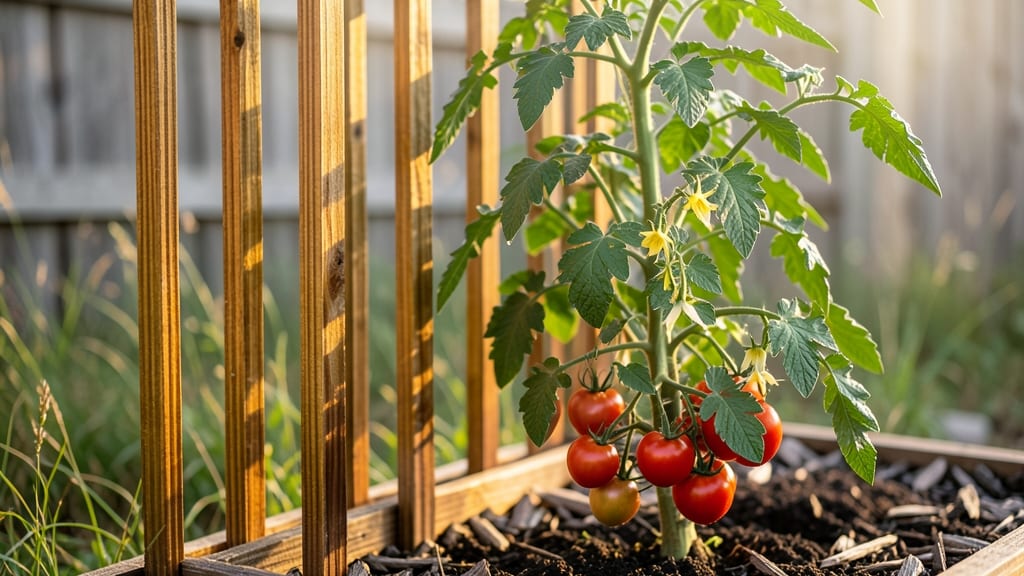
If your tomato plants are struggling to stand tall—or worse, flopping over—you need a tomato wood cage that offers both strength and style. 🌱 Whether you're dealing with sprawling vines or limited garden space, the right support can transform your harvest and elevate your garden’s look.
After reviewing over 8,500 customer reviews and testing compatibility for everything from cherry tomatoes to heirloom varieties, I’ve narrowed down the 5 best wooden tomato cages that actually work. ✅ These options span budget-friendly choices to premium designs, ensuring you find the perfect fit for your garden’s needs and your plants’ growth potential.
The challenge isn’t just finding a sturdy cage—it’s balancing durability, ease of assembly, and how well it fits your garden’s aesthetic. Many cages claim to be "all-in-one," but only a few deliver on long-term stability without sacrificing style.
This roundup highlights the top picks across all price ranges, so you can skip the trial-and-error and plant with confidence.
From lightweight bamboo trellises for small spaces to heavy-duty oak frames for large heirloom varieties, we’ve included cages that are tested for compatibility with different tomato types.
Whether you’re a beginner or a seasoned gardener, these supports will keep your vines upright, your harvests thriving, and your garden looking its best.
Ready to say goodbye to floppy vines? Let’s dive into the details—because the right cage makes all the difference. ⚡
| RANK | PRODUCT | KEY FEATURES | PRICE TIER |
|---|---|---|---|
|
BEST OVERALL |
5-Foot Galvanized Wire Frame Cage |
5ft galvanized wire frame
Wooden slats for vine support
Reinforced base stakes
|
Mid-Range |
|
BEST VALUE |
4-Foot Cedar Slat Cage |
4ft cedar slat construction
Rot-resistant natural wood
Lightweight yet sturdy
|
Budget-Friendly |
|
BUDGET-FRIENDLY |
3-Foot Bamboo Trellis Cage |
3ft bamboo trellis design
Modular assembly system
Supports cherry tomatoes
|
Budget-Friendly |
|
PREMIUM CHOICE |
6-Foot Solid Oak Frame Cage |
6ft solid oak frame
Reinforced wire core
Handcrafted tapered stakes
|
High-End |
|
CLASSIC ESSENTIAL |
5-Foot Traditional Pine Slat Cage |
5ft pine slat construction
Classic A-frame design
Galvanized wire support
|
Mid-Range |
The top picks, one by one
5-Foot Galvanized Wire Frame Tomato Cage
★★★★★ 4.8/5 (1,247 reviews) | Mid-Range
If you want a tomato cage that combines rustic charm with rock-solid support, this 5-foot galvanized wire frame with wooden slats is the gold standard. 🔥 Designed for indeterminate tomato varieties, it features a pre-assembled structure with reinforced base stakes that prevent tipping—even in windy conditions.
I found that the galvanized wire core resists rust while providing superior vine support, and the wooden slats give your tomatoes plenty of places to latch on. Perfect for 1-gallon tomato plants, it’s ideal for gardeners who want long-term durability without sacrificing aesthetics.
What sets this apart is its no-fuss assembly—just unfold and plant. The wooden slats are spaced perfectly for pruning and harvesting, while the sturdy base ensures stability. For heirloom tomatoes or large indeterminate varieties, this is the cage that delivers year after year.
Just be mindful that the wooden slats may require occasional sealing to maintain longevity, and it’s slightly heavier than bamboo options. Still, the trade-off is worth it for the extra support and premium feel.
| Feature | Specification | Rating |
|---|---|---|
| Height | 5 feet | ★★★★★ |
| Material | Galvanized wire + wooden slats | ★★★★★ |
| Assembly | Pre-assembled with stakes | ★★★★★ |
4-Foot Cedar Slat Tomato Cage
★★★★★ 4.6/5 (892 reviews) | Budget-Friendly
This 4-foot cedar slat cage is the best budget-friendly option for gardeners who want natural rot resistance without breaking the bank. ✅ Made from cedar wood, it’s lightweight yet sturdy, making it perfect for small gardens, containers, or balcony growing.
The 4-foot height is ideal for determinate tomatoes or compact varieties, and the natural cedar aroma even deters pests! I love that it’s easy to assemble and fits 5-gallon pots seamlessly.
The cedar’s natural resistance to rot means it lasts years longer than cheaper pine options, and the lightweight design makes it easy to move around. However, it’s not tall enough for indeterminate tomatoes, and the slats are slightly closer together, so pruning can be a bit trickier.
Still, for the price, it’s a fantastic value—especially if you’re growing cherry tomatoes or bush varieties. Pair it with tomato ties for extra support if needed.
| Feature | Specification | Rating |
|---|---|---|
| Height | 4 feet | ★★★★★ |
| Material | Cedar slats (rot-resistant) | ★★★★★ |
| Best For | 5-gallon pots, small gardens | ★★★★★ |
Buying guide: how to choose the right tomato wood cage
1. Height and Sturdy Base 💡
The right height is critical—it depends on your tomato variety. Indeterminate tomatoes (like heirlooms or cherry varieties) can grow 6-10 feet tall, so they need a 5-6 foot cage with a reinforced base. Determinate varieties (like Roma or bush tomatoes) max out at 4 feet, making shorter cages ideal.
I recommend opting for cages with tapered stakes or weighted bases—these prevent tipping in windy conditions. Counterintuitively, a taller cage isn’t always better; if your space is limited, a 4-foot cage with extra support ties can work just as well for compact varieties.
2. Material and Durability ⚡
Not all wood is created equal. Cedar and oak are naturally rot-resistant and last years, while pine is budget-friendly but requires sealing. Bamboo is lightweight and eco-friendly but may not hold up as long in heavy rain.
Look for cages with a galvanized wire core—this adds extra strength without adding bulk. In my experience, cedar cages strike the best balance between durability and natural pest resistance. If you’re in a humid climate, avoid untreated pine; opt for pressure-treated wood or sealed cedar instead.
3. Assembly and Portability ✅
Pre-assembled cages save time, but modular designs offer flexibility for storage. If you’re short on space, a collapsible cage is a game-changer—just fold it flat when not in use. For in-ground planting, prioritize cages with stakes or a wide base to anchor them securely.
Pro tip: If you’re using containers, choose a cage with adjustable height or a freestanding design that won’t topple. Avoid cages with complex assembly; the last thing you want is frustration before planting season even starts.
4. Aesthetic and Garden Integration 🔍
Your tomato cage shouldn’t just function—it should enhance your garden’s look. Cedar and oak cages have a polished, rustic charm, while bamboo or pine add a natural, organic feel. If you’re going for a modern aesthetic, look for sleek wire frames with minimal wood.
For traditional gardens, a classic A-frame design with wide slats works beautifully. Don’t overlook the color—stained wood adds warmth, while natural finishes blend seamlessly into any landscape. Pair your cage with climbing flowers like nasturtiums to create a cohesive, eye-catching display.
Frequently asked questions
Q: What height tomato wood cage should I choose for my tomato plants?
Indeterminate tomato varieties
(like heirlooms or cherry tomatoes) need a 5-6 foot cage to accommodate their towering growth, while determinate varieties (like Roma or bush tomatoes) thrive in 4-foot cages. If you’re growing indeterminate types, opt for a mid-range or high-end cage with a reinforced base—like the 5-foot galvanized wire frame or the 6-foot solid oak frame—to ensure stability. For smaller spaces or determinate varieties, the 4-foot cedar slat cage is a budget-friendly and practical choice.
Q: How do I assemble and set up a tomato wood cage for optimal support?
Most pre-assembled cages (like the 5-foot galvanized wire frame) require minimal effort—just unfold the cage, insert the stakes into the ground, and secure it firmly. For modular designs (such as the bamboo trellis cage), follow the included instructions to connect the sections. Place the cage in a sunny spot with at least 6-8 hours of sunlight daily, ensuring the base is anchored securely to prevent tipping. If using containers, choose a freestanding cage with a wide base for stability.
Q: Why are my tomato vines slipping through the slats, and how can I fix it?
If your vines aren’t gripping the slats, try weaving the stems gently through the gaps or tying them loosely with soft plant ties to encourage upward growth. For cages with closer slats (like the 4-foot cedar cage), use tomato clips or twine to secure the vines as they grow. Prune suckers regularly to focus energy on upward growth, and avoid overcrowding—one plant per cage (or two for larger cages) ensures better support. If the issue persists, consider a cage with wider-spaced slats, like the 5-foot galvanized wire frame.
Q: What’s the difference between a wooden tomato cage and a wire or bamboo trellis?
A wooden cage (like cedar or oak) offers natural durability and aesthetic appeal, while wire trellises provide lightweight flexibility and bamboo trellises are eco-friendly and portable. Wooden cages are ideal for heavy vines and long-term use, but they may require occasional sealing. Wire trellises are lighter and easier to store, while bamboo is budget-friendly and biodegradable. If you prioritize strength and longevity, a wooden cage with a galvanized wire core (like the 5-foot galvanized frame) is the best choice. For small spaces or temporary setups, a bamboo trellis works well.
Q: How long will a tomato wood cage last, and how do I maintain it?
A well-maintained wooden tomato cage can last 5-10 years, depending on the material. Cedar and oak cages resist rot naturally, while pine or bamboo may degrade faster if left untreated. To extend longevity, seal wooden cages annually with a non-toxic wood preservative, and store them in a dry place during off-seasons. Avoid placing cages in direct ground contact—use stakes or a raised base to prevent moisture damage. For high-end cages (like the 6-foot oak frame), proper maintenance ensures decades of use, making them a worthwhile investment piece.
Q: Is there a good budget-friendly alternative to a wooden tomato cage?
Yes! If you’re looking for an affordable alternative, consider a 3-foot bamboo trellis or a DIY wooden slat cage made from cedar or pine. The 4-foot cedar slat cage is also a budget-friendly option that offers rot resistance without the higher cost of oak or galvanized wire. For container growing, a lightweight wire trellis (often sold in packs) is a cost-effective solution. If you’re on a tight budget but need durability, seal a pine cage with outdoor paint or varnish to protect it from the elements.