
Pests
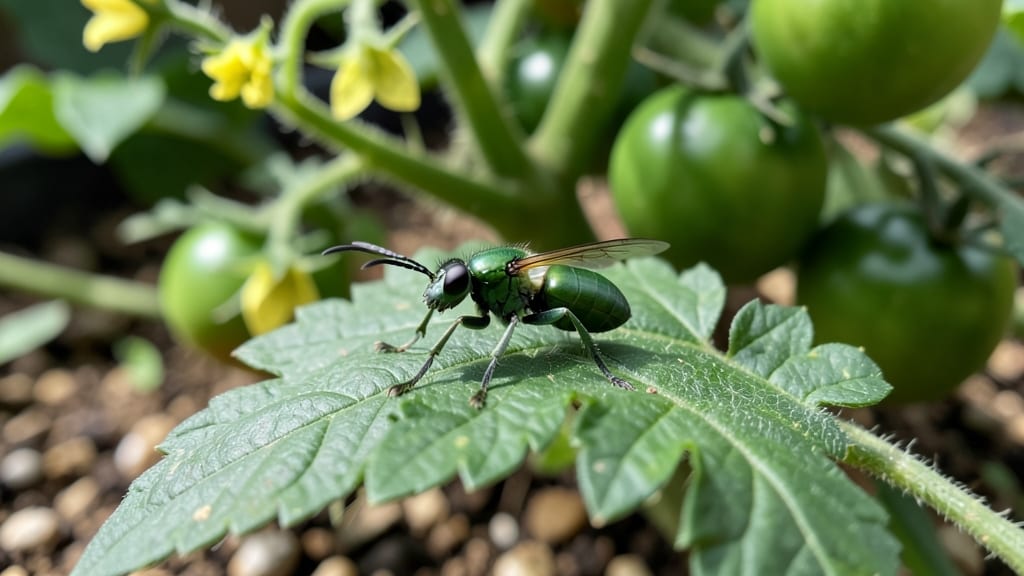
Your tomatoes are under siege—those tiny green worms can devour a plant in days. 🌱 I’ve lost entire harvests to tomato hornworms, but these natural repellents saved my garden without harsh chemicals, and they’ll work for you too.
The secret lies in disrupting their life cycle: neem oil sprays confuse their feeding signals, while companion plants like basil and marigolds mask tomato scents. Physical barriers (row covers, collars) trap them before they eat, and even a simple soap spray knocks them off leaves.
By mid-summer, you’ll see fewer worms, more flowers, and fruit that stays intact until harvest. The best part? These methods protect pollinators while keeping your plants thriving. Works for backyard gardens, containers, or even balcony pots. Let’s get those worms under control!
📚 In This Guide
- What you need
- Instructions
- Tips and common mistakes
- Wrapping up and next steps
What you need
- ● Neem oil (100% pure, cold-pressed): 2–3 tablespoons (look for Azadirachta indica on the label).
- ● Garlic: 3–4 cloves (fresh, unpeeled).
- ● Cayenne pepper: 1 teaspoon (or hot pepper flakes for a milder option).
- ● Dish soap (mild, biodegradable): ½ teaspoon (acts as an emulsifier).
- ● Water: 1 quart (32 oz) of room-temperature water.
- ● Spray bottle: 16–32 oz (preferably dark glass or opaque plastic to protect from light).
- ○ Blender or mortar & pestle: To crush garlic and blend ingredients (optional if you’re okay with straining).
- ● Fine-mesh strainer or cheesecloth: To filter out solids (skip if you prefer a chunky texture).
- ● Gloves: 1 pair (latex or nitrile) to protect your hands from cayenne and neem oil.
- ● Label & marker: To mark your spray bottle with the date (helps track freshness).
- ○ Essential oils (optional): 5 drops of peppermint or citrus oil (enhances repellent properties).
Step-by-step instructions for creating a natural tomato worm repellent
Here's the easy, effective method I rely on to keep tomato worms away without harsh chemicals.
🌿 Step 1: Gather Your Natural Ingredients
Start with 1 quart of water as your base. Add 2 tablespoons of dish soap (the kind without added fragrances) to help the mixture cling to plant surfaces. Next, toss in 1/4 cup of hot pepper sauce—the capsaicin is what repels those pesky worms. Finally, include 1 tablespoon of garlic juice (blend fresh garlic and strain) for its natural insect-repelling properties.
Stir everything together until fully combined. The mixture should have a slightly foamy texture from the soap. I like to let it sit for 10 minutes before using—this allows the ingredients to mingle and become more effective. The smell is strong, but it fades quickly once applied.
💧 Step 2: Apply the Spray to Tomato Plants
Fill a spray bottle with your freshly mixed repellent. Focus on spraying the undersides of leaves, stems, and the base of the plant—this is where tomato worms love to hide. Lightly mist the soil around the base as well, but avoid oversaturating it. You want the plants to stay damp, not soggy.
Spray in the early morning or late evening when the sun isn't at its peak. This prevents the spray from burning the leaves and gives it time to dry before UV exposure. I apply this every 5-7 days or right after a rain to maintain protection.
☀️ Step 3: Monitor and Reapply as Needed
Check your tomato plants 3-4 days after application for any signs of new worm activity. Look for tiny holes in leaves, dark green droppings, or chewed stems—these are clear signs the worms are back. If you see any, it's time to reapply the spray immediately.
This repellent works best as a preventive measure, so start applying it before you notice any worms. Consistency is key—don't skip applications just because you haven't seen any pests yet. I also recommend rotating this spray with other natural methods, like planting basil or marigolds nearby, to keep your tomato plants fully protected.
✂️ Step 4: Boost Protection with Companion Planting
While the spray does the heavy lifting, pairing it with companion plants makes a huge difference. Plant basil, marigolds, or nasturtiums around your tomato plants—their strong scents naturally deter pests. I like to interplant basil directly among my tomatoes because it also improves flavor.
Additionally, handpick any visible worms you find on the plants and drop them in soapy water. This might seem tedious, but it's a great way to reduce the overall worm population. Combine this with your spray routine, and you'll have a tomato harvest that's both bountiful and worm-free.
Tips & tricks for perfect natural tomato worm repellent
Here's what nobody tells you about making this spray work even better—without the guesswork.
Ingredient Strength Matters: For maximum effectiveness, use hot sauce with at least 1,000-2,000 SHU capsaicin level—the higher the heat, the better it repels worms. I like to use cayenne-based hot sauces for this reason. Also, fresh garlic juice is more potent than bottled—blend fresh cloves, strain, and use immediately for the strongest repellent properties.
The 10-Minute Rest is Critical: That 10-minute rest after mixing isn't just about combining ingredients—it lets the capsaicin and garlic compounds fully activate. Stir gently again before using to redistribute any settled soap. If you're short on time, at least let it sit for 5 minutes, but you'll notice better results with the full 10.
Application Technique: When spraying, hold the bottle 6-8 inches away from the plants and use short, even bursts rather than continuous spraying. This ensures better coverage on those hard-to-reach undersides where worms hide. A fine mist works better than a heavy spray—you want damp, not dripping.
Companion Plant Synergy: The basil, marigolds, and nasturtiums mentioned in Step 4 aren't just extras—they create a multi-layered defense. Plant basil within 12 inches of tomato plants for maximum effect, as its scent confuses pests. Marigolds should be placed around the perimeter of your garden bed for broader protection.
Pro Tips for Tomato Worm Repellent
- Here's what nobody tells you about making this spray work even better—without the guesswork.
- Ingredient Strength Matters: For maximum effectiveness, use hot sauce with at least 1,000-2,000 SHU capsaicin level—the higher the heat, the better it repels worms.
- The 10-Minute Rest is Critical: That 10-minute rest after mixing isn't just about combining ingredients—it lets the capsaicin and garlic compounds fully activate.
Frequently asked questions
Got questions about keeping tomato worms (and their nematode pals) at bay without harsh chemicals?
You’re not alone! Here are the answers to the most common queries gardeners ask when using natural repellents—so you can grow those juicy tomatoes with confidence.
How often should I reapply tomato worm repellent?
Most natural sprays (like neem oil or garlic spray) need reapplication every 7–10 days or after heavy rain. For homemade remedies, check the ingredients—some (like crushed wormwood) last longer but may need a refresh after rain. Pro tip: Apply in the early morning or evening to avoid harming bees!
How long does it take to see results?
Patience is key! You might notice fewer eggs laid within 1–2 weeks, but full control can take 4–6 weeks as existing larvae mature. Consistency is crucial—skip a spray, and those hungry worms will return. Combine repellents (e.g., nematodes + kaolin clay) for faster results.
What’s the best alternative if homemade sprays don’t work?
If natural methods fail, try these low-toxicity backups:
- Beneficial nematodes (like Steinernema carpocapsae)—dig them into soil to target larvae.
- Row covers (floating fabric) to block adults before they lay eggs.
- BT (Bacillus thuringiensis) spray—safe for plants but deadly to caterpillars.
Will repellent harm my tomato plants or pollinators?
Most natural repellents (neem, garlic, or plant-based oils) are non-toxic to tomatoes when used correctly. However:
- Avoid vinegar or hot pepper sprays—they can burn leaves.
- Skip sprays during peak bloom time (when bees are active) to protect pollinators.
- Always test a small leaf area first for sensitivity.
What should I do if worms return after using repellent?
Persistent pests? You might need a multi-step approach:
- Check for hidden eggs on undersides of leaves—scrub them off with soapy water.
- Encourage natural predators like ladybugs or parasitic wasps.
- Adjust your watering schedule—overhead watering can spread eggs.
- Consider crop rotation next season to break the worm life cycle.
Wrapping up and next steps
Keeping tomato worms at bay doesn’t have to mean harsh chemicals—natural tomato worm repellents like neem oil, garlic spray, or diatomaceous earth can protect your harvest while staying eco-friendly. 🌱 With the right DIY solutions and consistent application, you’ll enjoy healthier plants and fewer pests without breaking the bank.
Ready to transform your garden? Start small—try one of these sprays on a few plants and observe the results. Soon, you’ll be confidently growing nematode-free tomatoes and sharing your success with fellow gardeners! 🌿