
Leaf Blower
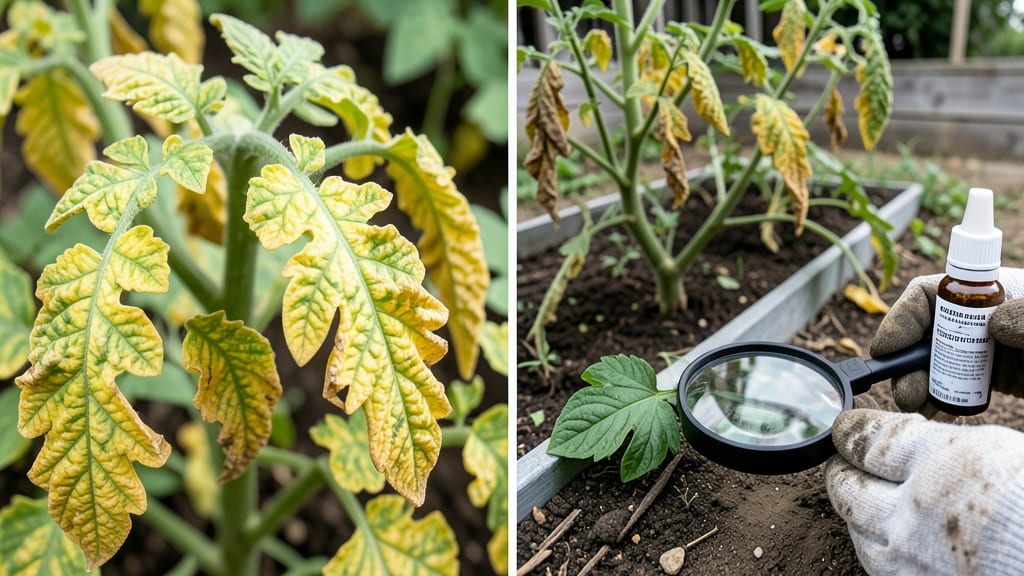
When your tomato plants develop yellow leaf curl, it’s not just a cosmetic issue—it’s a viral infection that can wipe out your harvest. 🌿 I’ve battled this stubborn problem in my own garden, and the key to saving your plants lies in choosing the right varieties and acting fast before the virus spreads.
The culprit is Tomato Yellow Leaf Curl Virus (TYLCV), spread by tiny whiteflies that thrive in warm weather. Symptoms start with curling leaves, stunted growth, and yellowing, but the real damage happens when the plant stops producing fruit. The good news?
Some tomato varieties resist this virus naturally, so you can grow a productive crop without constant spraying or chemical treatments. By focusing on resistant varieties like ‘Heatmaster,’ ‘Solar Fire,’ or ‘Mountain Merit,’ you’ll skip the frustration of fighting an uphill battle.
These tomatoes stay healthy even when infected plants are nearby, and they deliver the same juicy, flavorful fruit you love—just without the viral setbacks. If you’re already dealing with an outbreak, we’ll cover how to contain it and protect your remaining plants.
The goal isn’t just to survive the season—it’s to thrive, even when the odds seem stacked against you.
Root Causes Of Leaf Distress
When your tomato plants start showing signs of yellow leaf curl, it’s rarely a single culprit but often a mix of environmental and biological stressors. Understanding these triggers is the first step to preventing the problem before it takes hold.
Below, we break down the most common causes—ranked by how likely they are to strike your garden—and what science tells us about how they damage your plants.
The most notorious cause of yellow leaf curl in tomatoes is the Tomato Yellow Leaf Curl Virus (TYLCV), a begomovirus transmitted by whiteflies. Here’s how it works:
- Transmission: Whiteflies feed on infected plants, then spread the virus to healthy ones through their saliva. A single whitefly can infect dozens of plants in a season.
- Symptoms: Leaves curl upward, yellowing starts at the edges, and new growth stunts. Severe cases lead to reduced fruit set or misshapen, bitter tomatoes.
- Why it spreads fast: TYLCV thrives in warm climates (77–95°F) and greenhouses, where whiteflies multiply unchecked. Even a few infected plants can turn your entire crop into a virus hotspot.
💡 Pro Tip: Use yellow sticky traps to monitor whitefly populations early. If you spot them, act fast—neem oil or insecticidal soap can disrupt their life cycle before they spread the virus.
Tomatoes are heat-loving, but too much sun without proper hydration can trigger yellowing and curling as a survival response. Here’s the science:
- Heat stress: Temperatures above 90°F (32°C) disrupt chlorophyll production, causing leaves to yellow. High heat also speeds up transpiration, drying out leaves from the edges inward.
- Water stress: Underwatering forces roots to work harder, reducing nutrient uptake. Overwatering (especially in heavy clay soil) suffocates roots, cutting off water supply to leaves. Both scenarios lead to curl and yellowing as the plant conserves energy.
- Salt buildup: In drip-irrigated or container-grown tomatoes, excess salts from fertilizers or tap water accumulate in soil, burning root tips and blocking water absorption.
🎯 Fix It:
- Mulch with straw or wood chips to retain moisture and regulate soil temp.
- Water deeply 1–2x per week (early morning) instead of daily shallow watering.
- Flush soil with rainwater or distilled water monthly to leach out salts.
Yellowing leaves often signal a nutrient imbalance, but the location of discoloration tells you exactly what’s missing:
| Symptom | Likely Cause | Quick Fix |
|---|---|---|
| Yellowing between veins (chlorosis) | Nitrogen (N) or Iron (Fe) deficiency—common in alkaline soil (pH >7.0). | Apply chelated iron or blood meal (for N). Test soil pH and amend with sulfur if needed. |
| Yellowing lower leaves first, with curling | Potassium (K) or Magnesium (Mg) deficiency—often from over-fertilizing with nitrogen. | Use Epsom salt (Mg) or wood ash (K). Avoid high-nitrogen fertilizers mid-season. |
| Purple-tinged stems/leaves | Phosphorus (P) deficiency—common in cool, wet soils. | Add bone meal or rock phosphate at planting. |
🔥 Warning: Over-fertilizing can also cause issues—too much nitrogen promotes leafy growth over fruit, while excess salts burn roots. Always follow soil test recommendations.
While viruses get the blame, pests and fungi can mimic yellow leaf curl symptoms by disrupting nutrient flow:
- Spider mites: These tiny pests pierce leaves, causing stippling and curling as the plant loses sap. They thrive in dry, dusty conditions.
- Fungal infections (e.g., early blight): Alternaria solani clogs leaf stomata, reducing photosynthesis and causing yellowing between veins. Dark spots with concentric rings are a dead giveaway.
- Root-knot nematodes: Microscopic worms damage roots, limiting water/nutrient uptake. Above-ground symptoms include stunted growth and yellowing.
🌡️ Prevention:
- Spray plants with water daily to deter mites (they hate humidity).
- Rotate crops annually to break fungal/nematode cycles.
- Use resistant varieties (e.g., 'Mountain Merit' tomatoes) if nematodes are a recurring issue.
Most cases of yellow leaf curl are preventable with proactive care—whether it’s controlling whiteflies, balancing nutrients, or managing stress. The key is acting before symptoms appear. Next, we’ll explore virus-resistant tomato varieties that can outsmart these problems entirely.
Fixing Wilted Tomato Plants Now
If your tomato plants are already showing signs of yellow leaf curl, don’t panic—there are practical steps you can take to slow the spread, protect your crop, and even salvage some tomatoes.
While this viral disease has no cure, these targeted fixes can help you manage the damage and prevent further infection in your garden.
Cause: Tomato yellow leaf curl virus (TYLCV) spreads rapidly through infected plants, aphids, and even wind. Fix:
- 🔪 Snip and toss: Cut off severely infected plants at the base (or dig them up) and remove them from the garden—do not compost them. The virus can linger in plant debris.
- 🧼 Sterilize tools: Wipe pruners with rubbing alcohol or a bleach solution (1 part bleach to 9 parts water) to avoid cross-contamination.
- 🚫 Quarantine nearby plants: Isolate healthy-looking tomatoes for 7–10 days to monitor for new symptoms.
Pro Tip: 💡 If you’re unsure whether a plant is infected, check the undersides of leaves for tiny aphids (common carriers) or look for stunted growth and curled leaves.
Cause: Aphids transmit TYLCV when they feed on plants, making them the #1 culprit for spreading the virus. Fix:
- 🕷️ Natural predators: Introduce ladybugs, lacewings, or parasitic wasps (like Aphidius colemani) to your garden. These beneficial insects feast on aphids without harming your plants.
- 🌿 Companion planting: Surround tomatoes with marigolds, basil, or nasturtiums—their strong scents repel aphids.
- 💦 Water wisely: Use a strong stream of water to blast aphids off leaves (early morning works best). Avoid overhead watering, which can encourage fungal issues.
- 🧴 Insecticidal soap or neem oil: Spray a homemade mix (1 tbsp neem oil + 1 tsp dish soap + 1 quart water) on undersides of leaves where aphids hide. Reapply every 5–7 days.
Pro Tip: 🌡️ If aphids are severe, cover young tomato plants with fine mesh netting (like Agribon) to physically block them.
Cause: Weak or stressed tomatoes are more susceptible to viral infections. Fix:
- 💧 Consistent watering: Keep soil evenly moist (but not soggy) to prevent stress. Drought or overwatering weakens plants.
- 🌿 Fertilize smartly: Use a balanced fertilizer (10-10-10 or 5-5-5) at planting and again when flowers appear. Avoid high-nitrogen fertilizers, which promote leafy growth at the expense of fruit.
- 🌞 Optimize sunlight: Ensure plants get 6–8 hours of direct sun daily. Shady spots make tomatoes more vulnerable to pests and disease.
- 🍅 Prune for airflow: Remove lower leaves touching the soil and thin suckers to improve circulation. Good airflow reduces humidity, which aphids love.
Pro Tip: ✨ Silica-rich supplements (like kelp meal or calcium nitrate) can help strengthen cell walls, making plants slightly more resistant to viral damage.
Cause: Some tomato varieties are genetically resistant to TYLCV, making prevention easier. Fix: Plant these proven resistant varieties for your next growing season:
- Determinate (bush) types: ‘Defiant PhR,’ ‘Heatmaster,’ ‘Solar Fire’ (resistant to multiple viruses).
- Indeterminate (vining) types: ‘Mountain Merit,’ ‘Iron Lady,’ ‘Tycoon’ (all TYLCV-resistant).
- Heirlooms with tolerance: ‘Cherokee Purple’ and ‘Brandywine’ (not immune but often survive better with care).
Pro Tip: 🎯 Buy seeds or transplants from reputable sources—avoid nurseries with known aphid issues.
To avoid future outbreaks, follow this seasonal prevention plan: 1. 🌱 Start with clean soil: Solarize soil in fall (cover with clear plastic for 4–6 weeks) or use compost with high heat to kill virus particles.
- 🌿 Rotate crops: Don’t plant tomatoes (or other Solanaceae like peppers/eggplants) in the same spot for at least 3 years.
- 🐝 Early monitoring: Check plants weekly for aphids or leaf curl. Act fast—early intervention saves the crop!
- 🌡️ Time planting: In hot climates, plant in fall (when aphid populations decline) or use shade cloth in peak summer.
- 🧼 Sanitize everything: Clean tools, pots, and gloves between uses to prevent virus spread.
Final Thought: While tomato yellow leaf curl is frustrating, combining removal, aphid control, and resistant varieties can dramatically reduce its impact. Even if some plants succumb, a few healthy tomatoes are still worth the harvest! 🍅💪
Frequently asked questions
Can I save a tomato plant already showing yellow leaf curl symptoms?
Unfortunately, once a plant is infected with Tomato Yellow Leaf Curl Virus (TYLCV), there's no cure—you'll need to remove it immediately to prevent spread. The virus attacks the plant's vascular system, causing irreversible damage. Focus on protecting nearby healthy plants by isolating them and controlling whiteflies/aphids.
What's the difference between yellow leaf curl from a virus vs. nutrient deficiency?
The key difference is new growth: viral curl affects young leaves first (they curl upward and stay small), while nutrient issues typically start with older leaves yellowing (like potassium deficiency). Viral symptoms also include stunted growth and thickened veins—nutrient problems rarely cause these.
How quickly can yellow leaf curl spread through a garden?
TYLCV spreads extremely fast—within 2-3 weeks if whiteflies are present. A single infected plant can contaminate nearby tomatoes through windborne virus particles or aphid feeding. The virus can survive in plant debris for months, so always remove infected plants completely (don't compost them).
Are there organic ways to control whiteflies that spread this virus?
Yes! Try these organic methods: Neem oil spray (mix 1 tbsp neem + 1 tsp soap + 1 quart water), kaolin clay (creates a protective barrier), or introduce beneficial insects like ladybugs and lacewings. Yellow sticky traps also help monitor populations early.
Can I still harvest tomatoes from infected plants?
You can harvest existing fruit from infected plants, but never eat tomatoes that develop after symptoms appear—they may contain the virus. Remove all fruit from severely infected plants immediately, as they can become contaminated through the plant's vascular system.