
How To
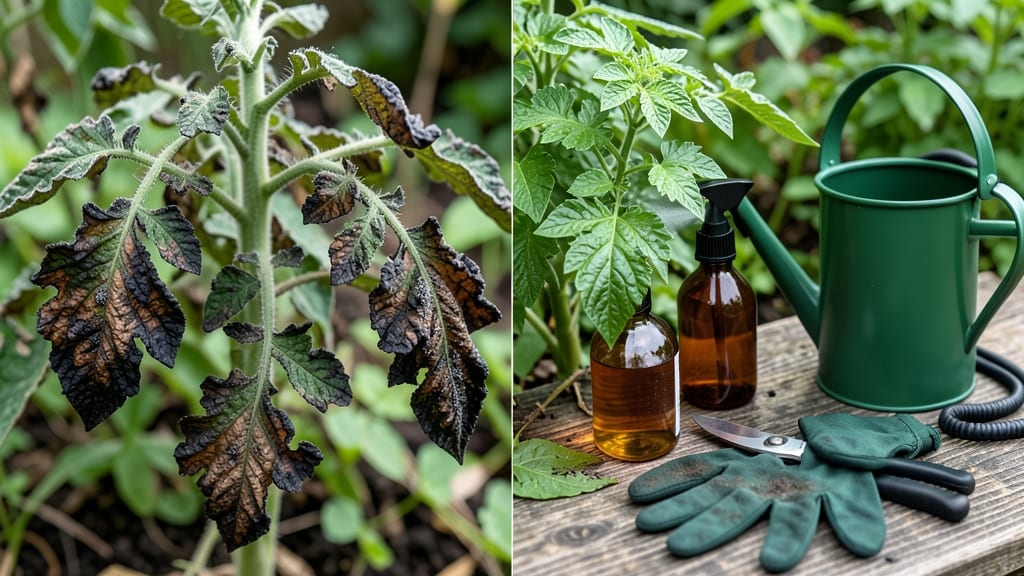
To treat tomato blight before it ruins your harvest, my organic spray mix is the secret weapon—it stops the spread in days. 🌱 The moment I see those dark spots on leaves or stems, I grab my copper fungicide mix—it’s the game-changer that saves my harvest every season. No more throwing out half-ripe fruit or watching plants collapse overnight.
Blight thrives in damp, crowded conditions, so spacing plants properly and watering at the base (never overhead) cuts off its fuel. My go-to spray combines copper sulfate, baking soda, and neem oil—it’s cheap, non-toxic, and works within 3-5 days if you catch it early.
The key is consistency: spray every 5-7 days until the fungus fades.
You’ll see new growth within a week, and the plants bounce back stronger. The spray also prevents future outbreaks, so your tomatoes stay healthy and productive all season. No more panic when the first brown spot appears—just reach for the bottle and watch it work.
Works for both early and late blight, and it’s safe for pollinators once dry. For extra defense, swap in disease-resistant varieties like ‘Mountain Merit’ or ‘Defiant PhR’—they’re my top picks for blight-prone areas. Let’s get those tomatoes back to thriving!
The Hidden Triggers Behind Tomato Blight
Tomato blight—whether it’s the dreaded Phytophthora infestans (late blight) or Alternaria solani (early blight)—isn’t just a random attack on your garden. It thrives because of specific conditions that create the perfect storm for fungal spores to take over.
Understanding these triggers is the first step to stopping the spread before it ruins your harvest. Let’s break down the science behind why your tomatoes fall prey to blight.
Blight spores need water to germinate and infect plants. Unlike many garden pests, these fungi don’t just land on leaves—they swim through moisture to find entry points. Here’s how it happens:
- Overhead watering: Splashing water from hoses or sprinklers can fling spores from soil onto leaves, creating a direct pathway for infection. Drip irrigation or soaker hoses keep foliage dry, reducing spore dispersal by up to 70%.
- Poor soil drainage: Waterlogged soil traps spores near the base of plants, where they multiply rapidly. Blight thrives in soggy conditions, especially when nighttime temperatures stay above 60°F (15°C).
- Humidity hotspots: Dense plantings or shaded areas trap humidity, creating a microclimate where spores spread like wildfire. Aim for 12–18 inches of spacing between tomato plants to improve airflow.
💡 Pro Tip: Water in the early morning so foliage has time to dry before evening. Avoid late-watering—wet leaves at night are an open invitation to blight.
Blight isn’t picky about seasons, but it loves specific weather patterns. These fungi have evolved to exploit:
- Cool, damp nights (50–70°F / 10–21°C): Ideal for spore germination. Phytophthora infestans thrives in these conditions, while Alternaria solani peaks when daytime temps hit 85°F (29°C).
- High humidity (80%+): Spores release zoospores (tiny, swimming cells) in wet conditions, which infect plants within hours. A hygrometer can help you monitor risk levels.
- Sudden temperature swings: Blight spreads faster when warm, humid days follow cool nights. This disrupts the plant’s defenses, making it easier for fungi to breach leaves.
🌡️ Science Note: Blight spores can survive in soil for years but only become active when moisture and temperature align. That’s why even old garden beds can harbor hidden threats.
Healthy tomatoes are resilient, but blight exploits weakness. Stressors like:
- Overcrowding: Plants competing for sunlight and nutrients develop thin, vulnerable leaves. Prune suckers regularly and space plants 18–24 inches apart to reduce stress.
- Nutrient deficiencies: Low potassium (K) or calcium (Ca) weakens cell walls, making them easier for fungi to penetrate. A balanced fertilizer (10-10-10) or compost tea can help.
- Physical damage: Broken stems or leaves from hail, pests, or rough handling create wounds that spores exploit. Always handle plants gently and remove damaged foliage immediately.
💡 Pro Tip: Mulch with straw (not hay—it can harbor spores) to keep soil moist without wetting leaves, while also suppressing weeds that compete with tomatoes.
Blight doesn’t just appear out of nowhere—it often hitches a ride on:
- Dirty pruners or gloves: Spores cling to tools and transfer to healthy plants when you trim or harvest. Sanitize tools with 70% rubbing alcohol between uses.
- Infested plant debris: Leaving last year’s tomato stems or leaves in the soil feeds overwintering spores. Always remove and compost (hot compost only) or dispose of infected material.
- Contaminated compost or manure: Fresh manure can introduce spores to your garden. Age compost for 6+ months or use only sterilized soil amendments.
⚠️ Warning: Phytophthora infestans can survive in water sources like rain barrels or irrigation systems. Drain and clean these regularly to break the infection cycle.
Now that you know the why behind tomato blight, the next step is cutting off its lifeline—and the good news? Organic sprays and smart garden habits can turn the tide in days. Stay tuned for actionable solutions!
Quick Fixes for Tomato Blight
Tomato blight doesn’t stand a chance when you act fast and use the right strategies. Below are practical, organic solutions tailored to the most common causes—fungal spores, poor air circulation, overwatering, or weak plant immunity.
Each fix is designed to stop blight in its tracks while keeping your garden healthy and chemical-free.
If your tomatoes are showing dark, greasy spots or yellowing leaves, fungal spores are likely the culprit. These spores thrive in damp conditions and spread rapidly. Here’s how to eliminate them and prevent reinfection:
🔥 Organic Spray Recipes (Use Immediately!)
- Baking Soda + Neem Oil Mix (Best for early-stage blight)
- Ingredients:
- 1 tsp baking soda
- 1 tbsp vegetable oil (or neem oil)
- 1 tsp dish soap (mild, like Castile soap)
- 1 gallon water
- How to Use:
- Mix all ingredients in a spray bottle.
- Spray both sides of leaves and stems every 7–10 days or after rain.
- Why it works: Baking soda raises the pH, making it harder for fungi to grow, while neem oil smothers spores.
- Ingredients:
- Copper Fungicide (Preventative & Curative)
- Ingredients:
- 1 tbsp copper sulfate (or a pre-mixed organic copper spray)
- 1 gallon water
- How to Use:
- Spray at dusk (copper can burn leaves in direct sunlight).
- Apply every 10–14 days or after heavy rain.
- Pro Tip: 💡 Copper is not organic in the strictest sense but is FDA-approved for organic farming and highly effective.
- Ingredients:
- Milk Spray (Cheap & Surprisingly Effective)
- Ingredients:
- 1 part milk (raw or pasteurized)
- 9 parts water
- How to Use:
- Spray directly on leaves (works best in the morning).
- Reapply every 5–7 days or after rain.
- Science Behind It: 🌡️ Milk contains proteins that disrupt fungal cell walls.
- Ingredients:
🌿 Prevention Tips for Fungal Spores
- Water at the base (never overhead) to keep leaves dry.
- Space plants 18–24 inches apart for better airflow.
- Remove infected leaves immediately (bag and compost them far from the garden).
- Rotate crops—don’t plant tomatoes in the same spot yearly.
Blight loves stagnant, humid air. If your tomatoes are in a crowded or shaded spot, fungus spreads like wildfire. Fix this with these airflow-boosting hacks:
🍳 Structural Fixes for Better Circulation
- Prune Strategically
- Remove suckers (the small shoots between the stem and branches).
- Trim lower leaves (up to 12 inches from the ground) to improve airflow.
- Why? Less foliage = less humidity trapped near the plant.
- Stake or Cage Tomatoes Properly
- Use tomato cages or stakes to keep plants upright (not sprawling).
- Pro Tip: 💡 If using cages, avoid plastic—it traps moisture. Opt for metal or wooden stakes.
- Adjust Plant Spacing
- Determinate tomatoes: 24–36 inches apart.
- Indeterminate tomatoes: 36–48 inches apart.
- Why? More space = less competition for air and sunlight.
🌞 Environmental Tweaks
- Move containers (if potted) to a sunnier, windier spot.
- Use a small fan (on low) near plants for 10–15 minutes daily (especially in greenhouses).
- Avoid mulching too close to the stem—keep it 3–4 inches away.
Blight lives for moisture. If your soil is soggy or you’re watering too frequently, you’re basically inviting fungus to the party. Fix it now:
⏰ Watering Schedule Reset
- Water Deeply, Less Often
- Morning is best (allows leaves to dry before night).
- Aim for 1–1.5 inches of water per week (including rain).
- Tool Tip: 🎯 Use a moisture meter or stick your finger 2 inches into the soil—if it’s damp, wait.
- Improve Drainage
- Amend heavy clay soil with compost or perlite.
- Raise containers with feet to prevent water pooling.
- Emergency Fix: 🔥 If soil is waterlogged, stop watering for 2–3 days to let it dry.
- Drip Irrigation > Hose
- Never water from above (especially at night).
- Use soaker hoses or drip lines to deliver water directly to the roots.
🌱 Soil Health Boost
- Add compost to improve soil structure and reduce compaction.
- Avoid fresh manure (it can overheat soil and encourage fungus).
- Pro Tip: 💡 Mulch with straw (not hay—it can introduce weed seeds) to retain moisture without suffocating roots.
If your tomatoes are chronically blight-prone, they might be nutrient-deficient or stressed. Build their resistance with these natural immunity boosters:
🍽️ Feed the Right Way
- Balanced Fertilizer (NPK Ratio)
- Use a low-nitrogen, high-phosphorus fertilizer (e.g., 5-10-10) to promote root and fruit growth.
- Avoid high-nitrogen (like blood meal)—it encourages leafy growth (which blight loves).
- Seaweed or Fish Emulsion
- 1 tbsp per gallon of water, sprayed on leaves every 2 weeks.
- Why? Contains growth hormones and micronutrients that stress-proof plants.
- Compost Tea
- Brew compost in water for 24–48 hours, strain, and spray.
- Bonus: 🌿 Adds beneficial microbes that outcompete bad fungi.
🌱 Plant Care Hacks
- Harvest regularly—ripe tomatoes weaken the plant if left on the vine.
- Avoid stress—don’t let plants wilting for long periods (blight attacks stressed tomatoes).
- Plant companion crops like basil, marigolds, or onions—they repel pests and improve airflow.
If nothing works and blight is spreading uncontrollably:
- Destroy infected plants (do not compost them—burn or trash them).
- Sterilize tools with rubbing alcohol or a 10% bleach solution.
- Plant blight-resistant varieties next season (e.g., ‘Mountain Merit’ or ‘Defiant PhR’).
Final Pro Tip: ✨ Prevention is easier than cure—start with copper spray + proper spacing + morning watering, and you’ll beat blight before it starts. Happy gardening! 🌱🍅
Frequently asked questions
How do I know if my tomato plants have early blight vs. late blight?
Early blight shows as brown, concentric rings on older leaves, while late blight creates greasy, dark spots with white fuzzy growth on both leaves and stems. Early blight targets lower leaves first, while late blight spreads rapidly to all foliage and fruit. Check stems too—late blight causes dark, sunken lesions.
Can I save my tomatoes if blight has already reached the fruit?
If you catch it early, remove infected fruit immediately and apply copper spray. For severe cases, harvest only ripe tomatoes (green ones won't ripen properly) and destroy infected plants. Next season, choose blight-resistant varieties like 'Mountain Merit' or use row covers to prevent spores from landing.
How often should I apply the baking soda spray for prevention?
Spray every 7-10 days or after heavy rain to maintain protection. Mix fresh each time for maximum effectiveness. For active blight, apply every 5-7 days until new growth appears. Store your spray in a cool, dark place to preserve ingredients.
Will my neighbor's tomatoes infect mine if blight spreads?
Yes! Late blight spores can travel up to 10 miles via wind and water. Notify neighbors about outbreaks and avoid planting tomatoes near infected gardens. The spores survive in soil for years, so rotate crops and sterilize tools between gardens.
Can I still eat tomatoes from blight-infected plants?
Only harvest fully ripe, unblemished fruit from infected plants. Wash thoroughly before eating. Never consume tomatoes with visible mold or lesions. For safety, it's better to destroy heavily infected plants and start fresh next season with resistant varieties.