
How To
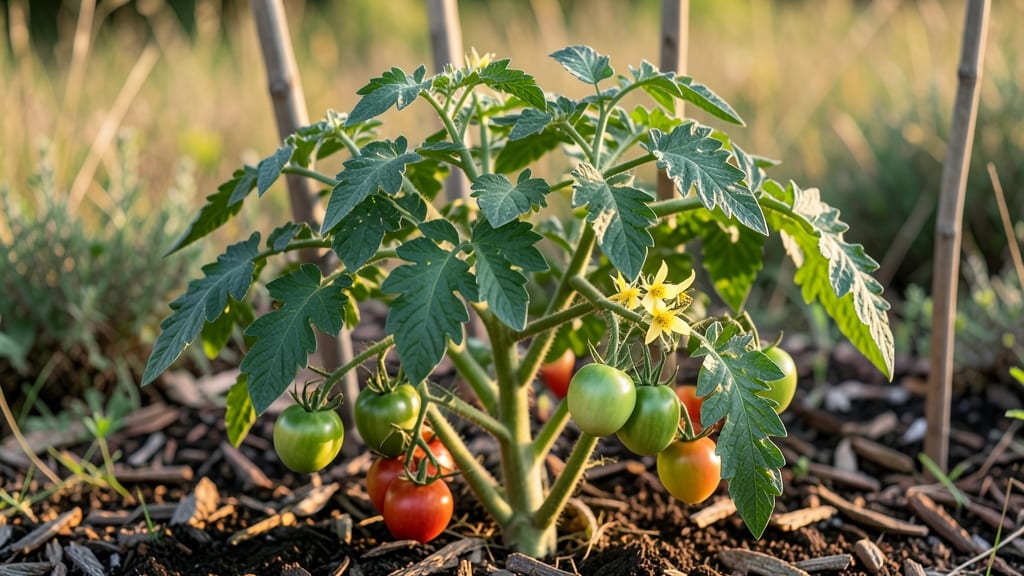
What do tomato leaves look like? You’ll easily spot them once you know what to look for—these oval leaves have jagged edges and fuzzy stems. 🌿 The classic 5-7 inch leaves grow alternately along the stem, with a deep green color and visible veins that create a network pattern. Some heirloom varieties even have lobed leaves or deeper serrations, while hybrids tend to be smoother-edged. If you're comparing them to other plants, tomato leaves are hairy (especially on the stems) and have a slightly rough texture when rubbed between fingers. Deadly nightshade leaves, by contrast, are smooth and glossy—never fuzzy—and grow in pairs rather than alternating. Leaf color shifts from deep green to yellow when the plant needs water or turns purple under stress, giving you clues about care.
📚 In This Guide
- What you need
- Instructions
- Tips and common mistakes
- Wrapping up and next steps
What you need
- ● Fresh tomato plants – Healthy, mature plants (indoor or outdoor) with visible leaves for inspection. Pro tip: 🌱 Choose disease-free specimens for the best results!
- ○ Magnifying glass or loupe (3x–10x magnification) – Helps spot fine details like serrated edges or hairy stems. Optional: A hand lens works too!
- ● Notebook and pencil – For sketching or jotting down observations (leaf shape, color, texture, etc.).
- ● Ruler or measuring tape – To document leaf size (tomato leaves typically range from 3–12 inches long).
- ● Camera or smartphone – Capture high-resolution images for later reference. Pro tip: 📸 Use natural light for accurate colors!
- ○ Gloves (optional) – If handling plants with potential pests or thorns (e.g., Solanum lycopersicum varieties).
- ● Leaf identification guidebook or app (e.g., iNaturalist, PlantNet) – For cross-referencing your findings.
- ● Pruning shears – If you plan to take leaf cuttings for propagation.
- ● White sheet of paper – For pressing leaves to preserve them (place leaves between paper, weigh them down for 2–3 days).
- ● Pest identification kit – Includes a blacklight flashlight (to spot fungal spores) or insect traps.
- ● Grow light or sunny windowsill – If studying leaves indoors year-round.
How to identify healthy tomato leaves by shape, texture, and growth patterns
Tomato leaves are nature’s way of telling you everything you need to know about your plant’s health—if you know what to look for.
🌿 Step 1: Examine the Leaf Shape and Size
Healthy tomato leaves are oval to lance-shaped, with a slightly pointed tip and a broad base. Think of a smooth, elongated egg—about 3-6 inches long when mature. The edges have serrated (saw-toothed) margins, not smooth or jagged like disease damage. These teeth help channel water efficiently, so if they’re missing or deformed, that’s your first sign something’s wrong.
Look at the vein pattern—it should form a prominent central vein with smaller veins branching out like a feather. The leaf surface is typically deep green and slightly waxy, especially on the top side. New leaves start smaller and lighter, gradually darkening as they mature. If they stay pale or yellow, you’re likely dealing with nutrient deficiency or poor light.
🌱 Step 2: Check the Stem and Leaf Attachment
Tomato stems are hairy and slightly fuzzy, especially near the leaf nodes where branches grow. This hairiness isn’t just for show—it helps protect the plant from pests and excessive moisture loss. Run your fingers along the stem: it should feel slightly rough but firm, never slimy or soft.
Where leaves attach to the stem, look for petioles (leaf stalks) that are sturdy and green. Healthy leaves sit at a 45-degree angle to the stem, not drooping or curling. If petioles turn brown or black, that’s a classic sign of overwatering or fungal infection. Also, check for axillary buds (tiny bumps in the leaf axils)—these are where new branches and flowers form.
☀️ Step 3: Assess Leaf Texture and Color
A healthy tomato leaf feels leathery and slightly thick when you touch it—like the back of your hand. The underside is usually lighter green and slightly fuzzy, especially on younger leaves. If the leaf feels soft or papery, it’s either overwatered or suffering from a nutrient imbalance.
Color is your best indicator: deep green on top, slightly lighter underneath. Variegated varieties (like ‘Variegated Indigo’) have white or yellow streaks, but these should be evenly distributed, not random patches. Watch for yellowing between veins (chlorosis), which signals iron deficiency, or bronzing or purple tinges, often caused by phosphorus deficiency or cold stress.
💧 Step 4: Observe Growth Patterns and Leaf Arrangement
Tomato leaves grow in a spiral pattern up the stem, with each new leaf emerging slightly higher than the last. This arrangement maximizes sunlight exposure. Count the leaves between branches—healthy plants have 3-5 leaves per node before a flower cluster forms. If leaves grow too close together, the plant is likely overcrowded or under stress.
Pay attention to the leaf margins. Healthy edges stay crisp and serrated, never curled under or crispy. If you see cupping (curling upward), it could mean underwatering or heat stress. Downward curling often signals overwatering or fungal issues. Also, check the leaf edges for tiny holes or chew marks—early signs of pests like aphids or tomato hornworms.
✂️ Step 5: Compare to Common Problems
Now that you know what healthy looks like, here’s how to spot trouble: Yellowing leaves with brown edges often mean overwatering or salt buildup. Holes or skeletonized leaves? That’s insect damage. White or gray fuzzy patches signal powdery mildew. And if leaves droop suddenly but feel dry, your plant is thirsty—not overwatered.
Here’s the thing—tomato leaves change as the plant matures. Early leaves are larger and more robust, while later leaves near flowers are often smaller and simpler. This is normal! But if the entire plant’s leaves look abnormal, adjust your care immediately. The key is consistency: healthy leaves should look the same across the plant, with only minor variations in size and texture.
Tips & tricks for identifying healthy tomato leaves
These practical insights will help you master the art of diagnosing your tomato plant's health at a glance.
Leaf Shape Deep Dive: When comparing leaf shapes in Step 1, remember that the serrated edges should be uniform and symmetrical. Uneven serrations often indicate nutrient deficiencies or pest damage. Hold the leaf up to natural light - you'll notice the veins create a perfect feather pattern when healthy. This symmetry is your first visual cue that the plant is thriving.
Stem Inspection Technique: In Step 2, pay special attention to the hairiness of stems near leaf nodes. Use your fingertips to gently rub the stem - healthy stems should feel like fine sandpaper, not smooth or slimy. This hairiness creates a microclimate that deters pests naturally. If you notice shiny or sticky stems, that's a sign of aphids or other sap-sucking insects.
Color Contrast Analysis: The color contrast between leaf tops and undersides in Step 3 is more significant than most gardeners realize. Healthy leaves show a 20-30% lighter shade on the underside due to fewer chlorophyll cells. Use a white piece of paper as a backdrop to see this contrast clearly. Variegated varieties should maintain this same contrast ratio in their green areas.
Pro Tips for What Do Tomato Leaves Look Like
- These practical insights will help you master the art of diagnosing your tomato plant's health at a glance.
- Leaf Shape Deep Dive: When comparing leaf shapes in Step 1, remember that the serrated edges should be uniform and symmetrical.
- Stem Inspection Technique: In Step 2, pay special attention to the hairiness of stems near leaf nodes.
Frequently asked questions
Got questions about tomato leaves? You’re not alone!
Here are answers to the most common queries—whether you're troubleshooting plants, identifying varieties, or just curious about their unique features.
What do healthy tomato leaves look like?
Healthy tomato leaves are oval-shaped, green (though some varieties have purple or bronze hues), and have serrated (saw-toothed) edges. The undersides may appear slightly fuzzy or hairy, especially on the stems. Look for firm, vibrant leaves—wilting or yellowing signals stress or disease.
Why are my tomato leaves curling or turning yellow?
Curling or yellowing leaves often indicate pests (like aphids or spider mites), disease (early blight or tomato mosaic virus), or environmental stress (overwatering, underwatering, or nutrient deficiency). Check the undersides of leaves for pests, and adjust watering or fertilizing if needed. Act fast!
How can I tell the difference between tomato and potato leaves?
Tomato leaves are smooth-edged (serrated) and oval, while potato leaves are rougher, deeply lobed, and more jagged. Tomato leaves also tend to be hairier, especially on the stems. If you’re still unsure, compare them side by side—potato leaves often look more "feathery" or divided.
How long does it take for tomato leaves to grow?
Tomato seedlings develop their first true leaves (not the initial seed leaves) in 1–2 weeks after sprouting. Full leaf growth continues as the plant matures, with new leaves appearing every 2–4 weeks depending on light, water, and temperature. Patience pays off! Healthy leaves = better fruit production.
Can I eat tomato leaves if the fruit is safe?
While tomato leaves are technically edible (young, tender leaves are mild and slightly sweet), they can be bitter and may contain solanine (a compound found in nightshades). Use sparingly! Cook them like spinach or steep in teas. Never eat leaves from plants treated with pesticides or diseased foliage.
What do tomato leaves look like when they’re diseased?
Diseased tomato leaves often show spots (brown/yellow), holes, or mold. Early blight causes concentric rings, while late blight (a crisis!) turns leaves black and mushy. Powdery mildew coats leaves in a white, dusty film. Isolate affected plants and remove damaged leaves to prevent spread.
Wrapping up and next steps
Now that you’re a tomato leaf pro, you can confidently identify healthy plants—and spot trouble early! 🌱 Whether you’re growing tomatoes for your garden, kitchen, or just satisfying your curiosity, recognizing those oval, serrated leaves with hairy stems makes all the difference. Ready to take it further?
💡 Next steps:
- Grab a pair of gloves and start pruning! Remove yellow or diseased leaves to keep your plants thriving.
- Experiment with growing heirloom varieties—each has unique leaf shapes and flavors to explore.
- Share your newfound knowledge with fellow gardeners (or brag about your green thumb!).