
Companion Plants
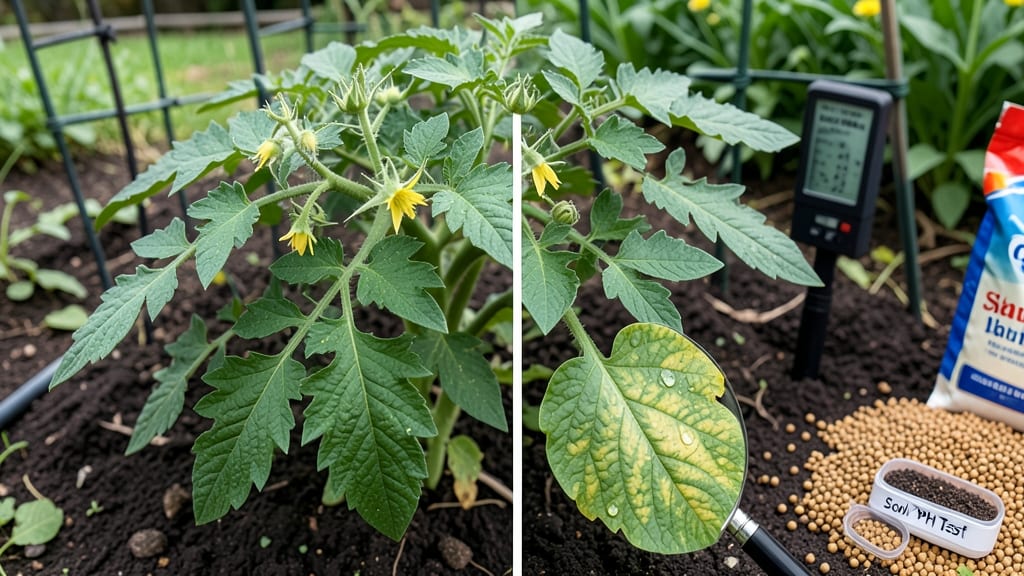
When what does it mean when tomato plants turn yellow, it’s your garden’s way of screaming for help—usually about water, nutrients, or disease. 🌱 I’ve seen this happen in my own garden, where a single misstep could turn lush plants into sad, drooping shadows overnight. The good news?
Most yellowing leaves are fixable with the right diagnosis and quick action. First, check the pattern: yellowing between the veins often signals magnesium deficiency, while edges turning crispy point to overwatering or salt buildup. Fungal spots or chewed leaves mean pests or disease are at work.
Grab a notebook and inspect the soil, leaves, and stems—you’ll spot clues that tell you exactly what’s wrong. Once you identify the problem, the fixes are straightforward: adjust watering, add compost or Epsom salt, or prune infected foliage.
I’ve revived plants from near-death with these simple steps, and you can too. The key is acting fast before the issue spreads. Prevention is easier than curing: mulch to retain moisture, rotate crops yearly, and keep an eye out for early signs.
When in doubt, snap a photo and compare it to trusted guides—sometimes a second opinion saves the season.
Root Causes of Yellow Tomato Leaves
When your tomato plants start turning yellow, it’s often their way of signaling distress—like a tiny, leafy SOS. Understanding the why behind the yellowing is the first step to reviving your plants.
Below, we break down the most common culprits, from overwatering to pests, with clear explanations and actionable insights to help you diagnose the issue fast.
Yellowing leaves are a classic sign of root stress, and overwatering is one of the most common offenders. When soil stays soggy for too long, roots suffocate from a lack of oxygen, leading to anaerobic conditions.
This disrupts the plant’s ability to absorb water and nutrients, causing leaves—especially the older ones—to turn yellow and wilt.
Tomatoes thrive in well-draining soil with a moisture balance. If your pots or garden bed lack drainage holes or the soil is heavy clay, water pools around the roots instead of draining away. Even if you’re not drowning your plants, consistent moisture without drying periods can trigger yellowing.
How to fix it:
- ✅ Check soil moisture by sticking your finger 1–2 inches into the soil. Water only when the top layer feels dry.
- ✅ Improve drainage by amending clay soil with compost or perlite, or elevating containers slightly off the ground.
- ✅ Avoid watering schedules—instead, water deeply but infrequently (early morning is best to prevent fungal issues).
- 💡 Pro tip: If your plant’s leaves feel mushy or the soil smells like rot, you’re likely overwatering. Let the soil dry out for a few days before watering again.
On the flip side, underwatering or intense heat can also cause yellowing, though it often starts with crispy edges or drooping before the leaves turn pale. Tomatoes are thirsty plants, especially during fruiting, and they’ll drop leaves as a survival mechanism if they’re dehydrated.
Heat stress compounds the problem. When temperatures soar above 90°F (32°C), photosynthesis slows down, and the plant struggles to regulate moisture. This leads to chlorosis (yellowing) as the chlorophyll breaks down faster than it can be replenished.
How to fix it:
- ✅ Water deeply at the base of the plant (not the leaves) to encourage root growth and reduce evaporation.
- ✅ Mulch heavily with straw or wood chips to retain soil moisture and cool roots.
- ✅ Provide shade during peak afternoon heat with a shade cloth (30–50% coverage) or by planting near taller crops like corn or sunflowers.
- 💡 Pro tip: If your plant’s leaves feel dry or papery to the touch, it’s a sign of thirst. Act fast—tomatoes recover better from dehydration than from root rot!
Yellowing leaves can also signal a nutrient deficiency, particularly in older leaves (a process called interveinal chlorosis). Each deficiency has a distinct pattern:
| Nutrient | Yellowing Pattern | Why It Happens | Quick Fix |
|---|---|---|---|
| Nitrogen (N) | Older leaves turn yellow first, then brown and crispy. | Nitrogen is vital for leaf growth. Deficiencies often occur in poor soil or after heavy fruiting. | Add compost, fish emulsion, or a balanced fertilizer (10-10-10). |
| Magnesium (Mg) | Yellow patches between veins (interveinal chlorosis), starting on older leaves. | Magnesium is key to chlorophyll production. Compacted or acidic soil locks it out. | Apply Epsom salt (1 tbsp per gallon of water) as a soil drench or foliar spray. |
| Iron (Fe) | Young leaves turn pale yellow while veins stay green. | Iron is less available in alkaline soil (pH > 7.0) or when soil is waterlogged. | Lower soil pH with sulfur or peat moss and use chelated iron supplements. |
| Potassium (K) | Yellowing starts at the leaf edges or tips, often with brown spots. | Potassium helps regulate water and disease resistance. Over-fertilizing with nitrogen can deplete it. | Use a potassium-rich fertilizer (like banana peel tea or greensand). |
💡 Pro tip: Test your soil’s pH (ideal for tomatoes: 6.0–6.8) with a kit from a garden center. Adjustments can unlock nutrients your plants are starving for!
Not all yellowing is due to water or nutrients—sometimes, hidden invaders are to blame. Pests like aphids, spider mites, and whiteflies suck sap from leaves, causing them to yellow, curl, or drop prematurely.
Meanwhile, fungal diseases (e.g., early blight or septoria leaf spot) create yellow spots with dark borders or crusty lesions.
Here’s how to spot the difference:
- Aphids/Whiteflies: Sticky residue (honeydew) on leaves, curled or distorted growth.
- Spider Mites: Tiny webs on undersides of leaves, speckled yellowing.
- Fungal Diseases: Yellow spots with dark rings or spots, often on lower leaves first.
How to fix it:
- 🔥 Blast pests off with a strong spray of water or use neem oil (1 tsp per quart of water).
- 🍳 Make a soapy spray: Mix 1 tbsp mild soap with 1 quart water to deter soft-bodied insects.
- 👨🍳 Prevent fungal spread by removing infected leaves and watering at soil level (not overhead).
- ⏰ Act fast! Fungal diseases spread quickly—prune infected foliage and treat with copper fungicide if needed.
Sometimes, yellowing is a red flag for less obvious issues:
- Transplant Shock: If leaves yellow shortly after repotting, the plant is stressed. Keep it in partial shade and water lightly until it recovers.
- Root Bound or Crowded Roots: Roots circling in pots or competing with weeds can
Revive Your Tomatoes Fixes for Yellowing Leaves
Now that you’ve identified the cause of your tomato plant’s yellowing leaves, it’s time to take action! Whether it’s a nutrient deficiency, pest attack, or environmental stress, these practical solutions will help your plants bounce back to vibrant green—and eventually, juicy red tomatoes.
Let’s dive into the fixes, tailored to each common culprit.
Yellowing leaves often signal a hunger for essential nutrients. Here’s how to address the most common deficiencies:
🔥 Low Nitrogen (Pale Yellow Leaves)
Nitrogen is the building block of healthy foliage, and a lack of it makes leaves lose their green color. How to Fix It: - Apply a balanced fertilizer (10-10-10 or 5-10-10) every 2–3 weeks during the growing season.
Look for one with a higher first number (nitrogen). - Use organic options like compost, manure tea, or fish emulsion for a slow-release boost. - Top-dress with blood meal (a high-nitrogen organic fertilizer) for a quick fix.
Prevention Tips: 💡 Test your soil before planting to check nutrient levels. 💡 Mulch heavily with compost or straw to retain nitrogen in the soil.
🍳 Calcium Deficiency (Yellowing New Leaves & Blossom End Rot)
Calcium helps with cell structure, and a deficiency causes yellowing between leaf veins and can lead to blossom end rot. How to Fix It: - Add crushed eggshells to the soil around the base of the plant.
Let them sit for a few weeks to break down. - Use a calcium-rich fertilizer like gypsum or bone meal. - Water deeply and consistently—calcium uptake improves in moist soil.
Prevention Tips: 🌡️ Avoid overwatering or drought stress, which can disrupt calcium absorption. 🎯 Monitor soil pH—calcium absorbs best in slightly acidic to neutral soil (pH 6.0–7.0).
👨🍳 Magnesium Deficiency (Yellowing Between Veins)
Magnesium is crucial for chlorophyll production, and a deficiency causes yellow patches (interveinal chlorosis) on older leaves. How to Fix It: - Apply Epsom salt (magnesium sulfate).
Mix 1 tablespoon per gallon of water and spray it on the leaves or pour it at the base. - Use a slow-release magnesium fertilizer or add dolomitic lime to the soil. - Avoid over-fertilizing with potassium, which can compete with magnesium uptake.
Prevention Tips: ✨ Rotate crops to prevent magnesium depletion in the soil. ✨ Test soil magnesium levels every few years, especially if you grow tomatoes annually.
🥘 Iron Deficiency (Yellowing New Leaves)
Iron is vital for chlorophyll, and a deficiency (common in alkaline soils) turns new leaves yellow while veins stay green. How to Fix It:
- Apply chelated iron (a liquid fertilizer) directly to the soil or foliar-spray it on leaves.
- Lower soil pH with sulfur or peat moss if your soil is too alkaline (test first!).
- Use compost tea or fish emulsion to improve iron availability.
Prevention Tips: 🔥 Plant tomatoes in well-draining, slightly acidic soil (pH 6.0–6.8). 🔥 Avoid overwatering, as waterlogged soil reduces iron uptake.
Sometimes, yellowing leaves aren’t about nutrients—they’re about the environment. Here’s how to adjust:
💡 Overwatering or Poor Drainage (Yellow, Mushy Leaves)
Too much water suffocates roots, leading to yellowing and wilting. How to Fix It: - Check soil moisture before watering—stick your finger 1–2 inches into the soil.
Water only if it’s dry. - Improve drainage by amending soil with perlite, sand, or compost. - Repot or transplant if the plant is in a container with no drainage holes.
Prevention Tips: 🎯 Use raised beds or containers with excellent drainage. 🎯 Water deeply but infrequently—tomatoes prefer dry tops and moist roots.
🌞 Underwatering or Heat Stress (Wilting, Crispy Yellow Edges)
Tomatoes need consistent moisture, especially in hot weather.
Yellowing and wilting can signal thirst or heat stress. How to Fix It: - Water at the base early in the morning to reduce evaporation. - Mulch heavily with straw or grass clippings to retain moisture and cool roots. - Provide shade cloth (30–50%) during peak afternoon sun if temperatures exceed 90°F (32°C).
Prevention Tips: 💡 Group plants together to create a microclimate with more humidity. 💡 Choose heat-tolerant varieties like ‘Solar Fire’ or ‘Heatmaster’ if you live in a hot climate.
🌬️ Wind or Physical Damage (Ragged Yellowing Leaves)
Strong winds or rough handling can tear leaves, leading to yellowing and stress. How to Fix It:
- Install windbreaks like trellises, fences, or even large plants (like corn) to shield tomatoes.
- Prune damaged leaves to redirect energy to healthier growth.
- Stake or cage plants to prevent wind from bending or breaking stems.
Prevention Tips: 🌡️ Plant tomatoes in sheltered spots, like near a fence or building. 🌡️ Use soft ties to secure plants to stakes without causing abrasions.
Pests and diseases can turn leaves yellow overnight. Act fast to save your plants!
🔪 Aphids, Spider Mites, or Whiteflies (Sticky Yellowing Leaves)
These sap-sucking pests drain nutrients and leave behind a sticky residue (honeydew). How to Fix It:
- Spray with soapy water (1 tablespoon mild dish soap per quart of water) to dislodge pests.
- Introduce beneficial insects like ladybugs or lacewings, which eat aphids naturally.
- Use neem oil (1–2 tablespoons per gallon of water) as a preventive spray.
Prevention Tips: ✨ Inspect plants regularly—catch infestations early! ✨ Encourage diverse plantings to attract predator insects.
🍄 Fungal Diseases (Yellow Spots or Mold)
Fungal issues like early blight or septoria leaf spot cause yellowing with dark spots. How to Fix It:
- Remove and destroy infected leaves immediately to prevent spread.
- Apply copper fungicide or a baking soda spray (1 tablespoon baking soda + 1 teaspoon oil + 1 gallon water).
- Improve airflow by pruning crowded foliage and spacing plants 18–24 inches apart.
Prevention Tips: 💡 Water at the base (not overhead) to keep leaves dry. 💡 Rotate crops—don’t plant tomatoes in the same spot yearly.
🐍 Root Rot (Yellowing Leaves with Mushy Stems)
Overwatering or poor drainage can lead to root rot, causing leaves to yellow and wilt. How to Fix It:
- Stop watering immediately and let the soil dry out.
- Repot the plant in fresh, well-draining soil if it’s in a container.
- Apply a fungicide like mycorrhizal inoculant to promote healthy root growth.
Prevention Tips: 🔥 Use containers with drainage holes and avoid soggy soil. 🔥 Choose disease-resistant varieties like ‘Mountain Merit’ or ‘Celebrity.’
No matter the issue, these steps can help your tomato plants recover faster: - Prune damaged leaves to redirect energy to healthy growth. - Provide consistent care—tomatoes thrive with routine watering, feeding, and attention. - Monitor progress and adjust treatments as needed.
Some fixes take time to show results!
With these solutions, your tomato plants should be back to their lush, green selves in no time—ready to produce a bounty of delicious tomatoes! 🍅🌿
Frequently asked questions
Why do only the older leaves turn yellow first?
Older leaves yellow first because your tomato plant moves nutrients from them to support new growth. This is normal aging, but if it happens suddenly or spreads, it often signals nitrogen deficiency or magnesium deficiency. Check for yellow patches between veins (magnesium) or uniform pale yellowing (nitrogen).
Can I still harvest tomatoes if the leaves are yellow?
Yes! Yellow leaves won’t affect existing fruit quality, but severe yellowing means the plant may struggle to produce more tomatoes. Focus on fixing the root cause (water, nutrients, or pests) while harvesting what’s already there. Remove only the most damaged leaves to help the plant conserve energy.
How do I tell if yellow leaves are from overwatering vs. underwatering?
Overwatered plants have yellow, mushy leaves that may smell rotten, while underwatered plants show crispy, dry edges and wilting. Stick your finger 1-2 inches into the soil—if it’s soggy, you’re overwatering; if dry, it’s thirsty. Both issues need immediate adjustment!
Will Epsom salt fix all yellow leaves?
No—Epsom salt (magnesium sulfate) only works for magnesium deficiency, which shows as yellow patches between veins on older leaves. For other issues like nitrogen deficiency (uniform yellowing) or pests (sticky leaves), you’ll need different fixes like fertilizer or soapy water sprays.
Is it too late to save my tomato plant if half the leaves are yellow?
Not necessarily! If the new leaves are still green and the plant isn’t wilting, it can often recover with proper care. Focus on fixing the cause (water, nutrients, or pests) and prune only the most damaged foliage. Healthy roots and stems mean there’s still hope for a great harvest!