
Plants
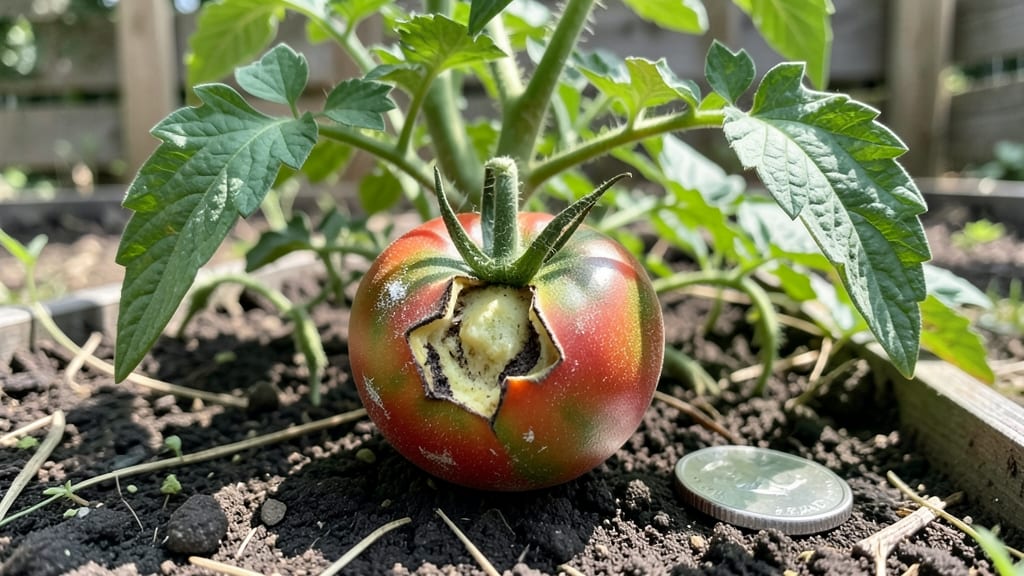
What does the inside of a bad tomato look like? That hollow center or mushy flesh you find when slicing isn't just bad luck—it's a sign of trouble brewing in your garden or storage.
That empty cavity or slimy texture means something went wrong long before you picked it—whether it's fungal rot, poor pollination, or just waiting too long to harvest.
Think of a healthy tomato like a juicy, firm ball of seeds nestled in bright red flesh. A bad one? It's a different story—discolored, watery, or even moldy spots hiding beneath the skin. Blight turns the inside gray and slimy, while overripe tomatoes develop mealy texture and a hollow core.
The causes? Too much rain, crowded plants, or storing them with apples (ethylene gas speeds up rot).
Preventing this starts in the garden: prune for airflow, pick tomatoes when they're firm but just starting to color, and avoid overwatering. Store them stem-side down at room temperature—never in the fridge until fully ripe. With these tweaks, you'll slice into perfectly solid, flavorful tomatoes every time.
Even if you spot a few bad ones, don't panic. Most issues are fixable with better care next season. The key is acting fast—once that rot starts, it spreads like wildfire. Keep an eye on your plants, and you'll enjoy tomatoes that taste as good as they look.
The Hidden Triggers Behind Spoiled Tomatoes
A bad tomato isn’t always easy to spot—sometimes, the damage lurks beneath the surface. Understanding the root causes of a tomato’s internal spoilage helps you avoid wasting produce and grow healthier plants. Let’s break down the science behind why tomatoes go bad from the inside out.
Tomatoes thrive in well-drained soil, but too much water—or soil that doesn’t dry out properly—can trigger internal decay. When roots sit in soggy conditions, they struggle to absorb oxygen, leading to anaerobic stress in the fruit.
This creates a hollow or mushy center, often accompanied by a foul odor as bacteria and fungi (like Fusarium or Phytophthora) take hold.
Why it happens:
- Waterlogged soil cuts off oxygen, forcing the tomato to ferment internally.
- Excessive irrigation dilutes nutrients, weakening cell structure.
- Compacted or clay-heavy soil traps moisture, accelerating rot.
💡 Pro Tip: Use raised beds or container gardening for better drainage. Let the top inch of soil dry out between waterings—stick your finger in to check!
One of the most common tomato troubles, blossom end rot, starts as a small, watery spot on the blossom end (the side opposite the stem) but can spread inward, creating a black, leathery core or hollow pockets.
This isn’t just a surface issue—it’s a calcium uptake problem caused by inconsistent watering or nutrient imbalances.
Why it happens:
- Fluctuating moisture (e.g., drought followed by heavy watering) disrupts calcium absorption.
- High nitrogen, low calcium in soil or fertilizer skews growth toward leaves over fruit.
- Root damage (from transplant shock or pests) blocks nutrient flow.
💡 Pro Tip: Apply crushed eggshells or calcium-rich compost around plants. Mulch with straw to keep soil moisture steady—consistency is key!
Pathogens like Alternaria (early blight), Cladosporium (late blight), or Pseudomonas bacteria can infiltrate tomatoes through wounds (like cracks or insect bites) and colonize the flesh. Inside, you might find:
- Gray, slimy mold (bacterial soft rot).
- Black or brown streaks (fungal infections).
- Hollow, water-soaked cavities (advanced decay).
Why it happens:
- High humidity + warm temps (ideal for fungal spores to spread).
- Poor air circulation (crowded plants trap moisture).
- Contaminated tools or soil (e.g., reusing dirty pruners).
💡 Pro Tip: Space plants 18–24 inches apart for airflow. Remove infected leaves immediately and treat with copper fungicide or baking soda spray (1 tbsp baking soda + 1 quart water + a drop of soap).
A tomato’s skin is tough, but bruises, cracks, or overripening can create entry points for decay. If you harvest tomatoes when they’re too soft or leave them on the vine past their prime, enzymes break down cell walls, leading to:
- Collapsed centers (from enzymatic breakdown).
- Fermentation odors (yeast and bacteria feast on sugars).
- Mushy, seedy pulp (overripe tomatoes turn to mush).
Why it happens:
- Vine stress (drought, heatwave) causes uneven ripening.
- Handling rough spots (e.g., dropping tomatoes during harvest).
- Ethylene gas buildup (from overcrowded storage) speeds spoilage.
💡 Pro Tip: Harvest tomatoes when they’re firm but yielding slightly to the touch. Store them at room temp (not the fridge!) to slow ethylene production. Use wooden crates or paper towels between layers to prevent bruising.
By tackling these causes head-on, you’ll keep your tomatoes firm, flavorful, and free from hidden rot. Next time you slice one open and find a surprise, you’ll know exactly what went wrong—and how to fix it!
Fixing Spoiled Tomatoes: Step-by-Step
A bad tomato isn’t always obvious from the outside—those hollow centers, mushy spots, or sneaky mold can turn a meal into a disappointment. But don’t toss them all just yet!
Whether you’re dealing with overripe, blighted, or improperly stored tomatoes, here’s how to salvage what you can and prevent future issues.
Not every tomato with a compromised interior is a total loss. Here’s how to assess and use them safely:
🍳 Blended or Sauced: Hide the Flaws
If your tomato has a soft center or minor discoloration but no mold or foul smell:
- Blend into sauces or soups 🥘—the texture won’t matter as much, and the flavor can still shine.
- Make salsa or pasta sauce—heat helps neutralize some off flavors.
- Strain and use the juice for brining or cocktails (if no mold is present).
✨ Pro Tip: If the tomato is slightly fermented (like a heirloom gone past prime), you can still use it in fermented dishes (e.g., hot sauce) where the tanginess works in your favor.
👨🍳 Ripe but Mushy?
Try These Tricks If the tomato is overripe but not rotten, try: - Peeling and dicing for gazpacho or salsa—the skin’s texture won’t be an issue. - Roasting 🔥—heat caramelizes sugars, masking some softness. - Freezing for later—if it’s still firm enough, chop and freeze for smoothies or cooked dishes.
💡 Prevention Tip: Harvest tomatoes when they’re 70-80% ripe—this balances flavor and shelf life.
Some tomatoes are past saving—here’s how to minimize waste and repurpose safely:
🌱 Compost or Feed to Worms
If the tomato is moldy, slimy, or has a foul odor:
- Compost it (if no meat/dairy was mixed in) to enrich your garden soil.
- Feed to worms (if you have a vermicompost bin)—they’ll break it down efficiently.
✨ Pro Tip: Never compost meat, dairy, or diseased plants—stick to veggie scraps only.
🍄 Moldy Tomatoes? Toss Them (But Save the Rest)
- Mold spreads quickly—if one tomato is moldy, check nearby ones.
- Discard the whole batch if mold is present, as spores can contaminate others.
💡 Prevention Tip: Store tomatoes at room temperature (not in the fridge!) to slow ripening and prevent condensation that encourages rot.
The best way to avoid hollow centers and rot? Prevent it from happening in the first place.
🌱 Grow Healthier Tomatoes
- Choose disease-resistant varieties (e.g., ‘Celebrity’ or ‘Mountain Merit’).
- Prune plants for airflow—crowded foliage traps moisture, leading to rot.
- Water at the base (not overhead) to prevent fungal diseases like blight.
🥬 Store Tomatoes Properly
- Never refrigerate unripe tomatoes—cold stops ripening and turns them mealy.
- Store ripe tomatoes separately from unripe ones to avoid ethylene gas speeding up spoilage.
- Keep them stem-side down in a well-ventilated basket (not sealed containers).
✨ Pro Tip: Freeze overripe tomatoes by blanching, peeling, and pureeing—perfect for winter soups!
Final Thought: A little inspection and smart storage can turn a would-be waste tomato into a flavorful meal—or at least a nutrient-rich compost pile. Next time you spot a dubious tomato, don’t panic—assess, repurpose, and prevent! 🍅✨
Frequently asked questions
Why does a tomato develop a hollow center?
A hollow center usually means the tomato didn't get enough water or nutrients during growth. This often happens in drought conditions or when plants are overcrowded, preventing proper pollination. The fruit starts developing but doesn't fill out completely, leaving empty spaces inside.
How can I tell if a tomato is bad inside but looks fine outside?
Give it a gentle squeeze—if it feels too soft or spongy, cut it open. Look for grayish flesh (sign of blight), mushy texture, or water-soaked areas. A foul smell is another red flag. Even if the skin looks good, internal rot can spread quickly.
Can I still use a tomato with a little mold inside?
No, you should never eat moldy tomatoes—even small amounts can contain harmful spores. If you find mold inside, discard the whole tomato immediately. Mold spreads rapidly, so check nearby tomatoes for signs of contamination too.
What causes black spots inside a tomato?
Black spots inside usually indicate blossom end rot or fungal infection. This happens when calcium levels are low (from inconsistent watering) or when pathogens like Alternaria enter through cracks. The spots often start near the stem end and spread inward. Prevent it by mulching and keeping soil moisture steady.
How do I store tomatoes to prevent internal spoilage?
Store them at room temperature (never in the fridge until fully ripe) in a well-ventilated container. Keep them stem-side down to slow ripening. Avoid stacking them—use a single layer with paper towels between each tomato to absorb excess moisture. This helps prevent both rot and premature softening.