
Plants
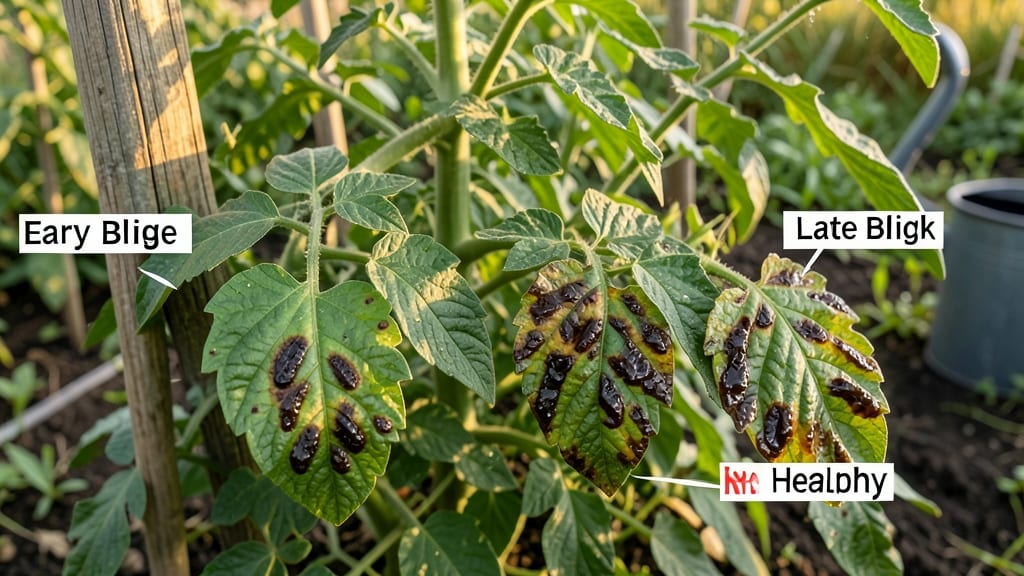
What does tomato plant blight look like? It turns your lush plants into a sad, spotted mess overnight—here’s how to spot it before it ruins your harvest. 🌱 The first clue is dark, greasy-looking spots on leaves that spread like ink in water, often with concentric rings that look like bullseyes. Early blight starts at the bottom, while late blight (the more aggressive cousin) covers leaves in brown, water-soaked patches that turn black within days.
Don’t ignore wilting—it’s another dead giveaway. Blight-stricken plants droop even when soil stays moist, and stems may develop dark streaks if you peel back the skin. Fruit gets infected too: early blight causes sunken, scabby lesions, while late blight turns tomatoes into mushy, rotting pulp.
The key difference? Early blight is slow and ugly; late blight is fast and destructive.
Catching it early means saving your plants. Prune infected leaves immediately (don’t compost them!), space plants for airflow, and rotate crops next season. Copper fungicides or baking soda sprays can help, but prevention—like mulching and avoiding overhead watering—is your best defense. Once blight takes hold, it’s a race against time.
If your tomatoes look like they’ve been attacked by a fungus army, act fast. The sooner you recognize the signs, the more you’ll salvage from your garden.
And trust me—no gardener wants to watch their hard work turn to sludge. Stay vigilant, and your plants will thank you with a bountiful harvest.
Root Causes of Tomato Blight
Tomato blight isn’t just a random attack—it’s usually the result of specific conditions that create the perfect storm for fungal or bacterial pathogens to thrive. Understanding these causes helps you take proactive steps to protect your plants.
Let’s break down the most common culprits and why they turn your lush tomatoes into a blighted mess.
Fungal blights, like early blight (Alternaria solani) or late blight (Phytophthora infestans), are the #1 reason your tomato plants develop dark, spreading lesions. Here’s why they strike:
- High Humidity + Warmth = Fungal Party Fungi love damp, warm conditions—think of them as tropical beachgoers. When temperatures hover between 60–80°F (15–27°C) and humidity stays above 70%, spores germinate and spread rapidly.
Late blight, for example, thrives in cool, wet nights (50–70°F / 10–21°C), which is why it’s so destructive in spring or fall.
- Poor Air Circulation Traps Moisture Crowded plants or dense foliage create a microclimate where water droplets linger. Fungal spores splash from soil to leaves via irrigation or rain, then multiply in these humid pockets. Pro tip: 💡 Space plants 18–24 inches apart and prune lower leaves to improve airflow.
- Old or Infected Plant Debris Fungal spores can survive years in dead leaves, stems, or compost. If you didn’t clean up last season’s plant waste, this year’s tomatoes are rolling the dice. Action step: 🔥 Remove and destroy (don’t compost!) infected plants—burn them or toss them in the trash.
Bacterial blights (Xanthomonas or Pseudomonas) don’t need humidity to thrive—they just need open wounds on your plants. Here’s how they sneak in:
- Rain or Overhead Watering Creates Entry Points Bacteria hitch rides on water droplets, slipping into leaf cuts, insect bites, or even pruning wounds.
Unlike fungi, they don’t need high humidity to spread—they just need moisture and a way inside. Fix it: 🌡️ Use drip irrigation or water at the base of the plant to keep leaves dry.
- Contaminated Tools or Hands Pruners, gloves, or even your fingers can transfer bacteria from one plant to another.
If you snip an infected leaf and then touch a healthy one, you’re basically playing bacterial roulette. Prevent it: ✨ Sterilize tools with 70% isopropyl alcohol or bleach water (1 part bleach to 9 parts water) between uses.
- Stressed Plants Are Easy Targets Plants under stress (from drought, nutrient deficiencies, or transplant shock) have weaker defenses.
Bacteria exploit this by breaking down cell walls, causing water-soaked spots that turn brown and oozy. Boost resilience: 💪 Use balanced fertilizer (like 10-10-10) and mulch to retain moisture without drowning roots.
Sometimes, blight isn’t just about pathogens—it’s about the perfect storm of conditions that let them win. Here’s what’s really going on:
- Overwatering or Poor Drainage Soggy soil doesn’t just drown roots—it invites fungal growth at the stem base.
Late blight, in particular, loves waterlogged conditions, which is why it’s common in rainy seasons or poorly drained gardens. Solution: ⏰ Let the top 1–2 inches of soil dry out between waterings, and amend clay soil with compost or sand.
- Nighttime Dew + No Sunlight Fungal spores germinate fastest when leaves stay wet overnight. If your tomatoes are shaded by taller plants or fences, dew lingers longer, giving blight a head start. Fix it: 🌞 Ensure plants get 6–8 hours of direct sunlight daily.
- Sudden Temperature Swings Blight spores dormant in soil or debris wake up when temps shift.
For example, late blight thrives when days are warm (70–80°F / 21–27°C) but nights drop to 50–60°F (10–15°C). Monitor: 📊 Use a soil thermometer to track nighttime temps and plan for shade cloth if needed.
Yes, even the best gardeners make blight-friendly choices. Here’s how:
- Planting Too Early in Cool Seasons Early spring or fall plantings in chilly soil stress tomatoes, making them vulnerable. Fungi like late blight love these conditions. Timing tip: 🌱 Wait until soil temps hit 60°F (15°C) before transplanting.
- Ignoring Crop Rotation Planting tomatoes (or potatoes—same family!) in the same spot year after year lets fungal spores build up in the soil. Rule of thumb: 🔄 Rotate tomatoes with beans, peas, or brassicas (like kale) every 3 years.
- Skipping Resistant Varieties Some tomato types are naturally tougher against blight. For example, ‘Mountain Merit’ (early blight-resistant) or ‘Defiant PhR’ (late blight-resistant) can save your harvest. Upgrade: 🎯 Choose hybrids labeled "VFN" (virus, fungal, nematode-resistant) for high-risk areas.
You might not think of squirrels or insects as blight helpers, but they accelerate the spread:
- Squirrels and Raccoons Damage Foliage These critters chew leaves, creating wounds where bacteria can enter. Deter them: 🥘 Use repellent sprays (like hot pepper wax) or physical barriers (chicken wire around young plants).
- Aphids and Whiteflies Spread Bacteria These sap-sucking pests excrete honeydew, which attracts sooty mold—and their feeding weakens plants. Combat them: 🔪 Spray with neem oil or introduce ladybugs for natural control.
- Birds Spread Spores via Droppings Bird poop can contaminate soil and leaves with fungal spores. Workaround: 🐦 Use bird netting over young plants if local birds are a problem.
How to Fix Tomato Blight Fast
Blight doesn’t have to mean the end of your tomato harvest—with the right actions, you can save your plants and even prevent future outbreaks.
Below, we’ve mapped out practical fixes for the most common types of blight (early blight, late blight, and bacterial spot), along with prevention tips to keep your garden thriving. Let’s roll up those sleeves and get to work! 🌱🛠️
Early blight (Alternaria solani) thrives in warm, dry conditions and leaves behind concentric rings of dark brown spots. Here’s how to tackle it:
🍳 Remove and Replace Infected Foliage
- 🔪 Snip off leaves with dark spots (at least 6 inches below the damage) using sterilized pruners (wipe with rubbing alcohol between cuts).
- 🗑️ Bag and discard infected plant debris immediately—do not compost it, as spores can survive.
- 🌿 Thin out lower leaves to improve airflow, reducing humidity where spores love to grow.
👨🍳 Apply Fungicides Proactively
- 💡 Copper fungicide (like Bordeaux mixture or copper soap) works well for early blight.
Spray preventatively every 7–10 days during warm, dry weather. - 🌡️ Organic option: Mix 1 tbsp baking soda + 1 tsp dish soap + 1 gallon water and spray in the early morning (avoid direct sunlight to prevent leaf burn). - ⚠️ Warning: Avoid fungicides with chlorothalonil if you plan to eat tomatoes raw—opt for neem oil or potassium bicarbonate instead.
🌱 Boost Plant Health for Resistance
- 💪 Strengthen your tomatoes with a balanced fertilizer (10-10-10 or 5-5-5) to encourage vigorous growth.
- 🌞 Space plants 18–24 inches apart to prevent overcrowding and improve airflow.
- 🌧️ Water at the base (not overhead) in the early morning to keep foliage dry.
Late blight (Phytophthora infestans) is the most aggressive and spreads rapidly in cool, wet conditions. If you see greasy-looking dark spots with white mold underneath, act immediately:
🚨 Quarantine and Destroy Infected Plants
- 🔪 Remove and destroy entire infected plants (including roots) to stop spores from spreading to healthy plants.
- 🗑️ Do NOT compost—burn or trash them far from your garden.
- 🚫 Avoid overhead watering until the blight is fully eradicated.
💊 Use Stronger Fungicides
- 🔥 Copper-based fungicides (like Copper Fungicide) or chlorothalonil (e.g., Daconil) are most effective for late blight.
- 🌿 Organic approach: Serenade Garden (with Bacillus subtilis) or regalia (with Pseudomonas) can help preventatively.
- ⏰ Spray every 5–7 days at dusk (when humidity is high but before rain).
🌡️ Adjust Growing Conditions
- 🌞 Improve sunlight exposure—late blight thrives in shade.
Prune nearby plants to increase airflow. - 💧 Water deeply but less often—keep soil moist but never soggy. - 🌍 Rotate crops—never plant tomatoes or potatoes in the same spot next year.
Bacterial spot (Xanthomonas perforans or X. axonopodis) causes tiny water-soaked spots that turn yellow and enlarge. Since it’s bacterial, copper fungicides won’t work—focus on prevention and removal:
🧼 Sterilize Everything
- 🔪 Clean pruners with 70% isopropyl alcohol between cuts.
- 🚿 Wash hands before and after handling plants.
- 🧺 Disinfect tools with a 10% bleach solution (1 part bleach to 9 parts water).
🍅 Prune Aggressively
- 🗑️ Remove and destroy all infected leaves immediately—bacterial spot spreads via water splashes.
- 🌿 Avoid wetting foliage—use drip irrigation or soaker hoses.
- 🌞 Space plants widely (24–36 inches apart) to reduce humidity.
💊 Use Bacterial-Fighting Sprays
- 🌿 Copper fungicide (like Copper Septicide) can suppress bacterial spot (though it’s not a cure).
- 💡 Organic option: Neem oil (mixed with potassium bicarbonate) may help preventatively.
- ⚠️ Avoid overhead watering—especially in the evening.
Blight hates healthy, resilient plants and clean growing conditions. Here’s how to keep it from coming back:
| 🌱 Action | Why It Works | How to Do It |
|---|---|---|
| 🌿 Choose resistant varieties | Some tomatoes (like 'Mountain Merit' or 'Defiant PhR') resist blight. | Check seed packets for "blight-resistant" labels. |
| 🌍 Crop rotation | Breaks the blight life cycle. | Don’t plant tomatoes or potatoes in the same spot for 3+ years. |
| 🧹 Clean up debris | Removes overwintering spores. | Rake and remove all plant debris in fall. |
| 💧 Mulch properly | Keeps soil moist but reduces splashing. | Use straw or grass clippings (not fresh manure). |
| 🌞 Plant in full sun | Reduces humidity where blight thrives. | Aim for 6–8 hours of sunlight daily. |
| 🚫 Avoid night watering | Prevents bacterial spread via moisture. | Water early morning (6–9 AM). |
- 🔥 Solarize soil in late summer: Cover beds with clear plastic for 4–6 weeks to kill spores. - 🌡️ Monitor weather forecasts—blight spreads faster in cool (60–75°F), wet conditions. - 🎯 Test your soil—blight thrives in acidic or nutrient-poor soil.
Aim for pH 6.0–6.8. - ✨ Use row covers early in the season to block spores from infecting young plants.
Remember: The key to beating blight is speed and cleanliness. The moment you spot symptoms, act fast—your tomatoes (and sanity) will thank you! 🍅💪
Frequently asked questions about tomato plant blight
How can I tell if my tomato plant has early blight vs. late blight?
Early blight shows concentric brown rings (like bullseyes) on older leaves, starting at the bottom. Late blight appears as greasy, dark spots with white mold underneath and spreads rapidly in cool, wet weather. Early blight progresses slowly, while late blight can destroy plants in days.
Will my tomatoes still be safe to eat if the plant has blight?
Only harvest tomatoes that are fully ripe and disease-free. Blight can contaminate fruit—remove any with dark spots or lesions. Never eat tomatoes from severely infected plants, as they may carry harmful bacteria or fungi.
Can I save my tomato plant if it already has blight?
For early blight, prune infected leaves and apply copper fungicide. Late blight is harder to save—remove entire plants immediately to prevent spread. Bacterial spot requires aggressive pruning and sterilization. Act fast, but some plants may not recover.
Why does blight spread faster in rainy seasons?
Blight thrives in high humidity and moisture. Rain splashes spores onto leaves, and wet foliage creates perfect conditions for fungal/bacterial growth. Overhead watering also spreads spores. Always water at the base in the morning.
Are there blight-resistant tomato varieties I should try?
Yes! Look for varieties labeled "VFN" (virus, fungal, nematode-resistant). Top picks include 'Mountain Merit' (early blight-resistant) and 'Defiant PhR' (late blight-resistant). Check seed packets for resistance ratings.