
How To
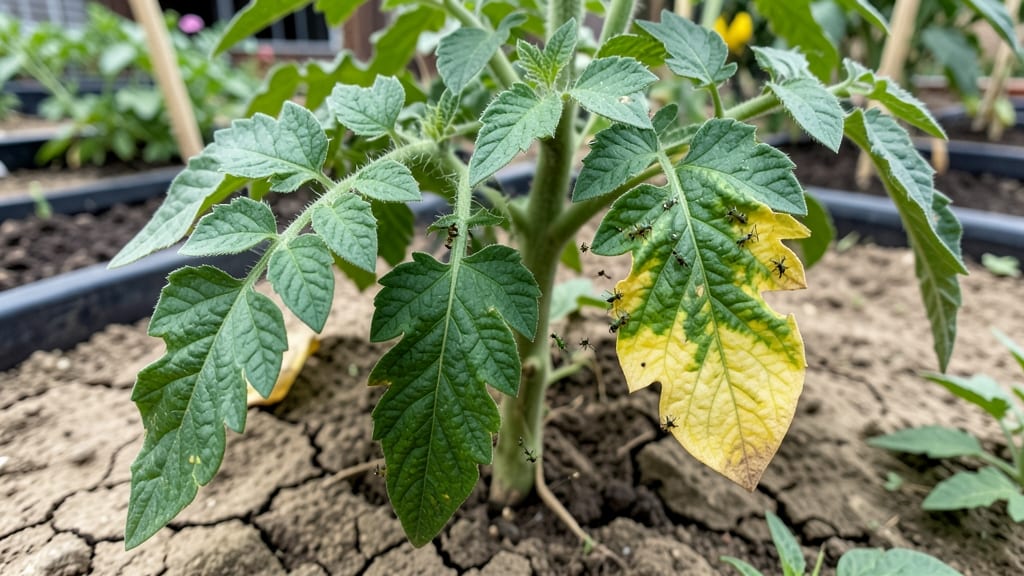
What makes tomato leaves turn yellow is the plant’s way of screaming for help—usually about water, food, or pests. 🌱 I’ve seen it happen after a single overzealous watering or when nutrients get out of balance, and the good news is every case has a fix. The first step is figuring out which problem your plants are facing, because the solutions vary wildly from "stop watering so much" to "spray this organic mix." Yellowing often starts at the edges or between veins, with crispy texture signaling overwatering or underwatering, while pale yellow leaves mean nutrient deficiencies. My plants once turned yellow because I ignored the early signs of aphids—tiny green bugs that suck the life out of leaves. The key is checking soil moisture, leaf undersides, and stems for clues, because the faster you act, the faster your tomatoes bounce back. By the end of this, you’ll know exactly how to revive your plants: from adjusting your watering schedule to adding compost or neem oil. The goal is healthy, vibrant foliage that supports big, juicy tomatoes. Think of it as a diagnostic checklist—no guesswork, just results. Whether you’re dealing with blight spots, curled leaves, or just sad-looking yellow, we’ll cover the most common issues and how to prevent them next season. Your tomato plants will thank you at harvest time!
Root Causes Behind Yellowing Tomato Leaves
Tomato leaves turning yellow isn’t just a random quirk of nature—it’s your plant’s way of signaling distress. Understanding the why behind the yellow is the first step to saving your harvest. Below, we break down the most common culprits, backed by science, so you can diagnose and act fast.
Yellowing leaves often start at the bottom of the plant and spread upward. This is a classic sign of root suffocation—when roots sit in soggy soil for too long, they struggle to absorb oxygen. Without proper aeration, roots rot, starving the plant of water and nutrients.
Why it happens:
- Excess moisture triggers anaerobic bacteria in the soil, which release toxins harmful to roots.
- Compacted or clay-heavy soil holds water like a sponge, preventing drainage.
- Overzealous watering (especially on a schedule) without checking soil moisture can drown roots.
Actionable fix:
- Test soil moisture by sticking your finger 1–2 inches deep—water only if dry.
- Improve drainage by amending soil with perlite, sand, or compost.
- Use pots with drainage holes and elevate containers to prevent water pooling.
Tomatoes are sun-worshippers, but too much or too little light can stress them out. Yellowing leaves often appear when plants are burned by intense UV rays or starved for energy in shady spots.
Why it happens:
- Sunburn (scorch): Leaves exposed to direct afternoon sun (especially in hot climates) develop yellow or brown patches as chlorophyll breaks down.
- Light deficiency: In low-light conditions, leaves turn pale yellow (chlorosis) because the plant can’t produce enough chlorophyll to convert sunlight into energy.
Actionable fix:
- Provide 6–8 hours of sunlight daily—use a south-facing window or grow lights indoors.
- Shade cloth (30–50%) can protect plants from harsh midday sun in extreme heat.
- Rotate pots weekly to ensure even light exposure.
Yellowing leaves can be a cry for help from your tomato plant, especially if veins stay green while leaf tissue turns yellow. This often signals a nutrient deficiency, with nitrogen, iron, or magnesium being the top offenders.
Why it happens:
- Nitrogen deficiency (uniform yellowing): Leaves lose their deep green color first, starting at the older, lower leaves. Nitrogen is crucial for chlorophyll production.
- Iron deficiency (interveinal chlorosis): Young leaves turn yellow between veins because iron is immobile in the plant—it can’t be relocated from old to new growth.
- Magnesium deficiency (yellow patches between veins): Older leaves develop yellow spots because magnesium is vital for chlorophyll stability.
Actionable fix:
- Soil test first! Use a DIY kit to check pH and nutrient levels.
- Boost nitrogen with compost tea, fish emulsion, or a balanced fertilizer (10-10-10).
- For iron/magnesium: Apply chelated iron or Epsom salt (1 tbsp per gallon of water) every 2–4 weeks.
- Avoid over-fertilizing—too much salt can burn roots, worsening the problem.
Hidden invaders like aphids, spider mites, or fungal pathogens can drain nutrients and clog plant tissues, leading to yellowing. Look for sticky residue, webs, or spots to spot the culprit.
Why it happens:
- Sap-sucking pests (aphids, whiteflies) inject toxins and weaken leaves, causing yellowing and curling.
- Fungal infections (early blight, septoria leaf spot) block nutrient uptake and create lesions that turn yellow.
- Root-knot nematodes damage roots, reducing water and nutrient absorption.
Actionable fix:
- Inspect leaves daily—use a magnifying glass to spot tiny pests.
- Blast pests off with a strong spray of water or neem oil (1 tbsp per quart of water).
- Remove infected leaves and destroy them (don’t compost).
- Prevent fungal spread with copper fungicide or baking soda spray (1 tsp baking soda + 1 quart water + a drop of dish soap).
Tomatoes thrive in warm but not scorching conditions. Sudden temperature drops (below 50°F) or heatwaves (above 90°F) can shock the plant, causing leaves to yellow as a stress response.
Why it happens:
- Cold stress: Low temperatures disrupt cellular processes, including chlorophyll production.
- Heat stress: High temps increase transpiration (water loss) faster than roots can replenish it, leading to wilting and yellowing.
- Temperature swings: Rapid changes confuse the plant’s metabolism, causing nutrient imbalances.
Actionable fix:
- Protect from frost with row covers or move pots indoors overnight.
- Provide shade during heatwaves (use a lightweight cloth or umbrella).
- Mulch heavily to regulate soil temperature and retain moisture.
- Avoid placing plants near vents, AC units, or drafty windows in extreme weather.
Overzealous gardening can backfire—too much fertilizer, herbicide drift, or harsh pesticides can scorch leaves, turning them yellow or brown.
Why it happens:
- Salt buildup from synthetic fertilizers disrupts osmosis in root cells, preventing water uptake.
- Herbicide damage (even from neighboring lawns) can cause yellowing or spotting.
- Pesticide residue (especially oil-based sprays) clogs leaf pores, reducing photosynthesis.
Actionable fix:
- Flush soil with water after fertilizing to prevent salt buildup.
- Use organic fertilizers (compost, worm castings) for slow-release nutrients.
- Avoid spraying pesticides on hot days—apply in the early morning or evening.
- Test water sources if you suspect herbicide drift from nearby lawns.
Revive Your Tomato Plants
Now that you know why your tomato leaves are turning yellow, it’s time to take action! The good news is that most of these issues are fixable with a little attention and care.
Below, we’ve mapped out practical solutions for each common cause, along with prevention tips to keep your plants thriving. Let’s get your tomatoes back to their vibrant best!
Fix it:
- 🔥 Stop the water flow: Immediately reduce watering frequency. Let the top 1-2 inches of soil dry out between waterings.
- 🍳 Check your pots: If using containers, ensure they have drainage holes at the bottom. Elevate pots on saucers or stands to prevent soggy roots.
- 👨🍳 Improve soil mix: Amend heavy or compacted soil with perlite, vermiculite, or compost to enhance drainage.
- ⏰ Water wisely: Water deeply once or twice a week (depending on climate) rather than daily shallow waterings. Early morning is ideal to reduce fungal risks.
Prevention tips: ✨ Test your soil with a moisture meter or stick your finger in—if it’s damp, wait before watering. ✨ Mulch around plants (2-3 inches of straw or wood chips) to regulate moisture and prevent evaporation.
Fix it:
- 💦 Increase hydration: Water deeply and consistently, especially during hot days. Aim for 1-1.5 inches of water per week (including rainfall).
- 🌡️ Provide shade: Use shade cloth (30-50%) or temporary shade structures to protect plants from midday sun (10 AM–4 PM).
- 🥗 Boost humidity: Place a tray of water near plants or use a fine mist on leaves in extreme heat (avoid wetting foliage at night to prevent disease).
- 🎯 Adjust watering times: Water early in the morning to reduce evaporation and give roots time to absorb moisture.
Prevention tips: 💡 Group plants together to create a microclimate with higher humidity. 💡 Use drip irrigation or soaker hoses to deliver water directly to the roots, minimizing waste.
Fix it:
- 🔪 Prune affected leaves: Remove yellow or spotted leaves with clean pruners, then sterilize tools with rubbing alcohol.
- 🍳 Apply fungicides: Use copper-based sprays or neem oil (follow label instructions) every 7-10 days for prevention.
- 👨🍳 Improve airflow: Space plants 18-24 inches apart and avoid overhead watering to keep foliage dry.
- ⏰ Water at the base: Always water at the soil level (not leaves) to reduce fungal spores.
Prevention tips: ✨ Rotate crops—don’t plant tomatoes in the same spot yearly to break disease cycles. ✨ Remove debris from the garden to eliminate fungal hiding spots.
Fix it:
- 🔥 Blast off pests: Spray plants with a strong stream of water to dislodge aphids or spider mites.
- 🍳 Introduce beneficial insects: Release ladybugs, lacewings, or predatory mites to naturally control pests.
- 👨🍳 Use insecticidal soap: Mix 1 tbsp mild soap + 1 quart water, spray on undersides of leaves (test on a small area first).
- ⏰ Set up traps: Use yellow sticky traps for whiteflies or aphids.
Prevention tips: 💡 Inspect new plants before bringing them home—quarantine for a few days if pests are suspected. 💡 Encourage biodiversity in your garden to attract natural pest predators.
Fix it:
- 📊 Soil test first: Use a DIY soil test kit or send a sample to a lab to identify specific deficiencies.
- 💪 Fertilize smartly:
- Nitrogen (yellow lower leaves): Apply balanced fertilizer (10-10-10) or compost tea.
- Magnesium (yellow between veins): Sprinkle Epsom salt (1 tbsp/gallon water) every 2 weeks.
- Iron (yellow new leaves): Use chelated iron supplement or fish emulsion.
- 🥗 Mulch with compost: Top-dress soil with well-aged compost for slow-release nutrients.
Prevention tips: ✨ Fertilize every 4-6 weeks during the growing season. ✨ Avoid over-fertilizing—too much salt can burn roots.
Final Pro Tip: 🌿 Observe your plants daily—catching issues early makes fixes easier! With these steps, your tomato plants should bounce back to lush, green, and productive in no time. Happy gardening! 🍅🌱
Frequently asked questions
Why do tomato leaves turn yellow first at the edges?
Edge yellowing often signals overwatering or nutrient deficiencies. When roots can't absorb enough oxygen (from soggy soil) or lack key nutrients like nitrogen, the plant prioritizes new growth, causing older leaves to yellow at the edges first. Check soil moisture—if it's damp 1-2 inches down, cut back on watering.
Can yellow tomato leaves spread to the fruit?
Not directly, but severe yellowing can weaken the plant and reduce fruit quality. If caused by pests or disease, they may spread to tomatoes. Always remove heavily affected leaves and treat the underlying issue—healthy foliage supports better fruit development. Yellow leaves won't make tomatoes yellow, but they'll stress the plant.
How do I tell if yellow leaves are from overwatering vs. underwatering?
Check the soil and leaf texture: Overwatered leaves feel mushy with yellowing between veins, while underwatered leaves turn crispy at edges. Also look at growth—overwatered plants grow slowly, while underwatered ones wilt. Stick your finger in the soil: if it's damp 2+ inches down, you're overwatering.
Will pruning yellow leaves help my tomato plant?
Yes! Removing yellow leaves improves airflow and redirects the plant's energy to healthy growth. Use clean pruners to cut at the base of yellow leaves (don't tear them). For severe cases, prune up to 1/3 of the plant to reduce stress. Always sterilize tools between cuts to prevent disease spread.
Can I save tomato plants with completely yellow leaves?
It depends on the cause. If yellowing is from reversible issues (overwatering, nutrient deficiency), the plant can recover with proper care. However, if leaves are brown/crispy or the plant is wilting, it may be too late. Focus on preventing further damage—healthy new growth will replace the yellow leaves over 2-4 weeks if the root system is intact.