
Plants
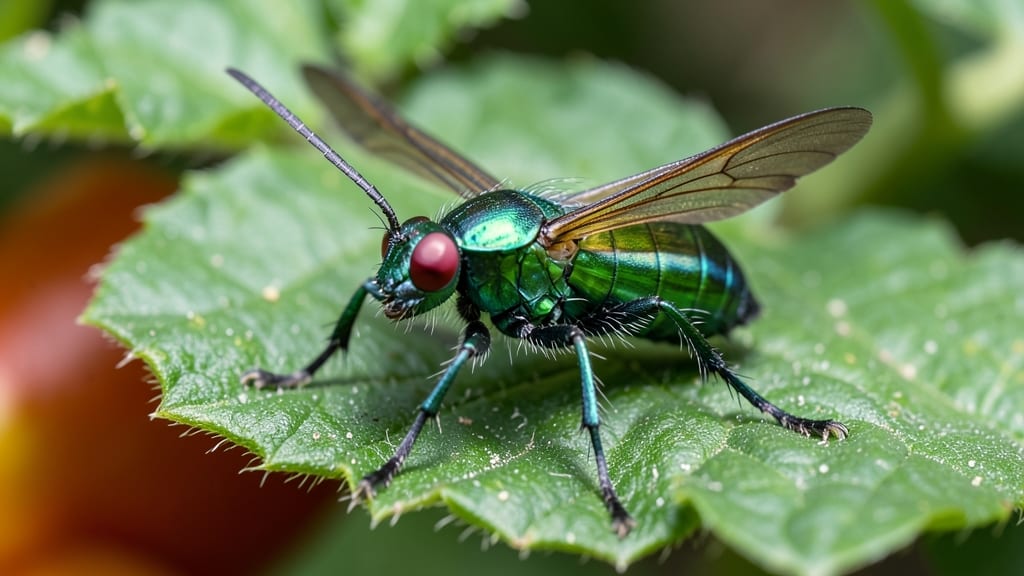
What to spray on tomato plants to keep bugs away? Neem oil and soap sprays save your harvest—without chemicals. 🌱 I’ve battled aphids, hornworms, and whiteflies with these two foolproof methods, and my plants thrive while pests vanish within days. The key is timing (early morning applications) and consistency (every 5-7 days). Neem oil disrupts pests’ life cycles while being plant-safe, and a simple soap spray (1 tsp mild soap per quart of water) smothers soft-bodied bugs on contact. Both work best when applied before bugs become a full-blown problem—think of them as armor for your plants. You’ll see fewer holes in leaves and more tomatoes on the vine by your next harvest. The beauty of these sprays? They’re budget-friendly, easy to mix at home, and won’t harm beneficial insects like ladybugs if used correctly. No more wilting, chewed foliage, or missed harvests—just healthy plants and happy eating. Here’s exactly how to mix and apply them.
Store-bought options like pyrethrin-based sprays (derived from chrysanthemums) also work, but they’re less selective—meaning they’ll kill good bugs too. For organic gardeners, neem oil is the gold standard: it’s a natural fungicide and insecticide, so it tackles multiple problems at once.
Just avoid spraying when flowers are open to protect pollinators.
Safety first: always test sprays on a small leaf patch 24 hours before full application, and never use dish soap—it can burn plants. Wear gloves if you’re sensitive to oils, and store mixtures in a cool, dark place.
With these precautions, your tomato plants will stay bug-free and productive all season long.
The Hidden Triggers Inviting Bugs
Tomato plants are a garden’s crown jewel—but they’re also a buffet for pests. Understanding why bugs flock to your tomatoes is the first step in outsmarting them. Below, we break down the science behind these uninvited guests, so you can address the root causes and protect your harvest.
Tomatoes thrive in space, but when they’re packed too closely, they become a high-risk zone for pests. Here’s why:
- Reduced airflow: Dense foliage traps moisture, creating a damp, humid microclimate that loves fungal gnats, aphids, and whiteflies. These pests thrive in sticky, soggy conditions where their eggs can hatch unchecked.
- Shaded leaves: Overcrowding blocks sunlight, weakening plants and making them nutritionally deficient. Weak tomatoes produce less bitter alkaloids (natural pest repellents), making them softer targets for chewers like hornworms and Colorado potato beetles.
- Harboring spots: Leaves brushing against each other create hidden nooks where aphids, spider mites, and thrips lay eggs. These pests also use crowded plants as bridges to spread across your garden.
Actionable fix: Space tomato plants 18–24 inches apart (or follow your variety’s specs). Prune aggressively to improve airflow—aim for sunlight reaching the lower leaves within 2–3 hours of dawn.
Bugs don’t just attack healthy plants—they hunt for the weakest links. Nutrient deficiencies or excesses send distress signals that pests detect. Here’s how:
| Nutrient Issue | How It Attracts Pests | Common Culprits |
|---|---|---|
| Nitrogen deficiency | Yellowing leaves (especially older ones) indicate poor protein synthesis. Pests like aphids and spider mites target stressed plants because they’re easier to pierce and have lower sugar defenses. | Aphids, whiteflies, leafhoppers |
| Potassium deficiency | Brown leaf edges signal weak cell walls. Caterpillars and beetles chew through compromised tissue more easily, and blossom end rot (from calcium issues) creates entry wounds for bacterial/fungal pests. | Hornworms, Colorado potato beetles, cutworms |
| Excess nitrogen | Lush, soft growth attracts sap-sucking pests because the high water content makes leaves juicier. Over-fertilized plants also produce fewer defensive compounds like solanine (a natural tomato toxin). | Aphids, whiteflies, thrips |
Actionable fix: Test your soil (pH 6.0–6.8 is ideal for tomatoes) and use a balanced fertilizer (e.g., 5-10-10). Avoid synthetic nitrogen spikes—opt for compost or slow-release organics like worm castings.
Water is life—but wrong watering habits turn your tomatoes into a pest paradise. Here’s how:
- Overhead watering: Wet leaves create a perfect breeding ground for fungal gnats, aphids, and whiteflies. These pests lay eggs in damp soil and their larvae hatch into leaf-munching machines.
- Inconsistent moisture: Drought-stressed plants wilt and fold, making them easier for pests to hide and feed. Conversely, overwatered roots attract root-knot nematodes, which weaken plants and make them susceptible to secondary pests.
- Watering at night: Dew-like droplets linger overnight, creating a sticky trap for aphids and spider mites. These pests thrive in humidity and use moisture to spread diseases like early blight.
Actionable fix:
- Use drip irrigation or soaker hoses to keep foliage dry.
- Water early morning (6–9 AM) so leaves dry by evening.
- Mulch with straw or wood chips to retain moisture without wetting leaves.
Pests don’t just find tomato plants—they’re often invited by sloppy garden habits. Here’s how clutter and debris become bug hotels:
- Debris buildup: Fallen leaves, old plant matter, and weeds harbor overwintering pests (like aphids and beetles) and their eggs. When you plant tomatoes, these pests migrate upward.
- Weeds as pest bridges: Weeds like purslane or lambsquarters attract aphids, which then fly or crawl to your tomatoes. Some weeds (e.g., nightshade) are even in the same family as tomatoes, making them natural pest magnets.
- Untreated tools: Pruners, stakes, and trellises can carry pest eggs or spores from previous seasons. If you used them on infested plants last year, they’re now bug taxis.
Actionable fix:
- Clear all plant debris from beds before planting (compost only pest-free material).
- Pull weeds within a 3-foot radius of tomato plants.
- Sanitize tools with 70% rubbing alcohol or a 10% bleach solution before use.
Pests aren’t just random—they’re seasonal strategists. Tomato plants face different threats based on temperature, rain, and even wind patterns. Here’s the breakdown:
| Season/Climate Factor | Pest Threat | Why It Happens |
|---|---|---|
| Early spring (cool, damp) | Aphids, fungal gnats, slugs | Cool soil slows tomato growth, making them easier prey. Damp air helps aphids reproduce faster and slugs stay active. |
| Summer (hot, dry) |
Natural Sprays That Work FastWhen pests invade your tomato plants, acting quickly can save your harvest. Below are targeted solutions for common tomato plant pests, including sprays, homemade remedies, and prevention tips to keep bugs at bay. Each method is easy to follow and designed to protect your plants without harsh chemicals. Cause: These voracious striped caterpillars devour leaves and fruit overnight. Fix:Hornworms are tough but vulnerable to natural predators and sprays. Here’s how to tackle them: - 🔥 Handpick & Destroy - Inspect plants in the early morning or evening when hornworms are sluggish. - Drop them into soapy water (1 tbsp dish soap per gallon) to kill them instantly. - 🍳 Bacillus Thuringiensis (Bt) Spray - A microbial pesticide safe for humans and pets. - Mix 1 tsp Bt powder with 1 quart of water and spray directly on leaves (especially undersides). - Reapply every 7–10 days or after rain. - 👨🍳 Neem Oil Spray (Prevention & Treatment) - Mix 2 tbsp neem oil + 1 tsp mild soap + 1 quart water. Shake well and spray at dusk. - Disrupts hornworm feeding and egg-laying. Repeat every 5–7 days.💡 Pro Tip: Encourage parasitic wasps (their natural predators) by planting dill, fennel, or marigolds nearby. Cause: These tiny pests cluster on undersides of leaves, draining nutrients and spreading viruses. Fix:Combat them with these sticky, soapy, or oily solutions: - 🥘 Soap Spray (Best for Small Infestations) - Combine 1 tbsp mild liquid castile soap + 1 quart water. Spray directly on pests. - Reapply every 3–4 days until gone. Avoid harsh detergents—they can burn plants. - 🌿 Neem Oil + Garlic Spray (Double Action) - Blend 2 cloves garlic + 1 quart water, strain, then add 1 tbsp neem oil and 1 tsp soap. - Spray leaves thoroughly. Garlic repels aphids, while neem smothers their eggs. - 🕷️ Yellow Sticky Traps (For Whiteflies) - Hang yellow cards coated with petroleum jelly near plants to trap adults. - Check traps daily and replace as needed.🌡️ Prevention: Use reflective mulch (like aluminum foil) around plants—aphids hate shiny surfaces! Cause: These microscopic pests thrive in dry heat, creating fine webs and stippling leaves. Fix:Spider mites are sneaky but beatable with these moisture-boosting sprays: - 💦 Water Blast (First Line of Defense) - Use a strong stream of water to knock mites off leaves (especially undersides). - Do this daily for 3–5 days to disrupt their lifecycle. - 🍋 Oil Spray (Horticultural or Neem) - Mix 1 tbsp horticultural oil (or neem oil) + 1 tsp soap + 1 quart water. - Spray at dawn or dusk to avoid burning plants. Reapply every 5 days. - 🌿 Companion Planting - Plant basil, marigolds, or chives nearby—their scents repel mites.✨ Pro Tip: Increase humidity with a nearby misting system or tray of water—mites despise moisture! Cause: These striped beetles chew holes in leaves and lay eggs that hatch into yellow larvae. Fix:Target both adults and larvae with these methods: - 🔪 Hand Removal (Best for Small Gardens) - Pick off beetles and larvae by hand, dropping them into soapy water. - Check plants daily, especially after rain (when beetles are active). - 🥘 Diatomaceous Earth (DE) Dust - Sprinkle food-grade DE around the base of plants and on leaves. - It dehydrates beetles but is harmless to humans/pets. Reapply after watering. - 🌿 Beer Trap (For Adults) - Bury a shallow dish filled with beer near plants. Beetles are attracted and drown.🎯 Prevention: Use row covers early in the season to block beetles before they lay eggs. 📊 General Prevention Checklist:
With these targeted sprays and prevention tips, your tomato plants will stay bug-free and thriving—ready for a bountiful harvest! 🍅🌱 Frequently asked questions
1
Can I use vinegar spray on tomato plants to repel bugs?Vinegar can help as a natural insecticide, but it’s not ideal for tomato plants. A mix of 1 tablespoon white vinegar + 1 quart water + 1 teaspoon mild soap can deter aphids and whiteflies, but it may also harm beneficial insects and burn leaves if overused. For best results, use it sparingly on the undersides of leaves and avoid spraying during hot weather.
2
How often should I reapply neem oil spray?Reapply neem oil every 5-7 days or after heavy rain to maintain effectiveness. Neem oil works by disrupting pests’ life cycles, so consistency is key. Store your mixture in a cool, dark place and shake well before each use to ensure even coverage. If pests return quickly, consider rotating with a soap spray to prevent resistance.
3
Is it safe to spray tomato plants when they’re flowering?Most sprays (like neem oil or soap) are safe during flowering, but avoid harsh chemicals that could harm pollinators. For extra safety, apply sprays early in the morning or late evening when bees are less active. Neem oil is particularly plant-safe and won’t interfere with pollination if used correctly. Always test a small leaf area first to check for sensitivity.
4
What’s the best time of day to spray tomato plants?The ideal time is early morning or late evening when temperatures are cooler and pests are less active. This reduces the risk of burning leaves and ensures better coverage. Avoid spraying during peak sun hours (10 AM–4 PM), as the heat can damage plants and evaporate the spray too quickly, reducing effectiveness.
5
Will homemade sprays work for severe infestations?For heavy pest pressure, homemade sprays may need reinforcement. Combine neem oil + soap + garlic spray for a stronger effect, or add Bacillus thuringiensis (Bt) for caterpillars like hornworms. If pests persist, consider physical barriers (row covers) or professional-grade organic pesticides. Always monitor plants closely and adjust treatments as needed. |