
Advice
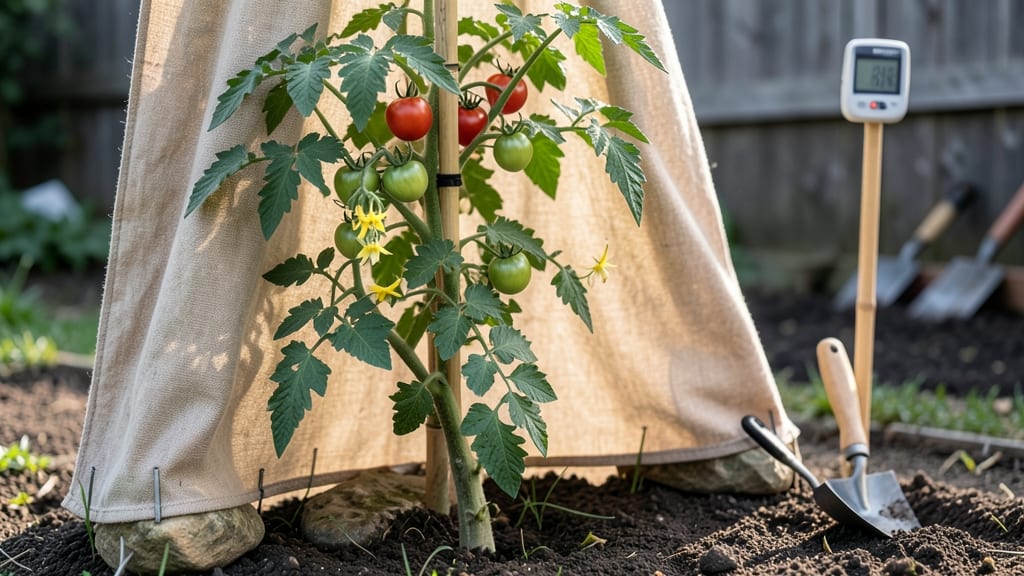
Cover tomato plants at night when temperatures dip below 55°F (13°C)—the moment blossoms start dropping like 🍅 confetti instead of turning into fruit.
Even in Zone 6a, where we garden, a single chilly night can send your hard work down the drain. I’ve seen perfectly healthy plants go from blooming to barren in 24 hours, and it’s heartbreaking.
The key isn’t just when to cover them—it’s knowing the exact temperature triggers and how to shield them without smothering the plant.
Below, I’ll walk you through the critical temperature thresholds for your region, the best materials to use (and what to avoid), and how to tell when it’s safe to stop covering—because too much protection can backfire just as badly as too little.
You’ll leave here with a clear plan for saving your blossoms, whether you’re dealing with late spring frosts or early fall dips. Let’s get those tomatoes fruiting like they should!
Critical temperature thresholds for covering tomato plants at night
Tomatoes adore warmth but panic when nighttime temperatures dip below 60°F (15°C). This critical threshold triggers blossom drop, where flowers abort before forming fruit. Even 55°F (13°C) can stunt growth, while 50°F (10°C) risks permanent damage. Understanding these temperature triggers helps you protect your plants before problems arise.
Most tomato varieties—especially heirloom and indeterminate types—struggle when nighttime temps fall below 60°F (15°C). The ideal temperature range for blossom set is 70–85°F (21–29°C).
When nights dip into the 50s°F (10–15°C), growth slows, and flowers drop like autumn leaves. Regional variations matter too: Northern gardeners face this risk earlier in the season, while Southern growers may encounter it during unexpected cool snaps.
Here’s the critical temperature breakdown for covering tomato plants at night, including microclimate factors that affect survival:
Microclimates play a huge role in tomato survival. A south-facing wall or black plastic mulch can raise soil temps by 5–10°F (3–6°C), delaying the need for covers. Conversely, low-lying areas or shady spots cool faster, requiring earlier protection.
Even a container-grown tomato in a patio loses heat quicker than in-ground plants, so monitor these high-risk zones closely.
Nighttime protection isn’t just about temperature thresholds—it’s about fruit set success. When blossoms drop, you lose potential tomatoes.
For example, a 55°F (13°C) night might cause 30–50% blossom drop in sensitive varieties like Brandywine or Cherokee Purple. Determinate tomatoes (bush types) are slightly more cold-tolerant than indeterminate varieties (vining types), but neither thrives below 55°F (13°C).
Regional variations also shift these critical thresholds. In USDA Zones 3–5, gardeners often cover tomatoes from late May to early September, while Zone 7–9 growers may only need covers during unexpected cool snaps in spring/fall.
Always check your local frost dates and adjust: early planted tomatoes face higher risks than late-season transplants.
Why does this matter so much? Tomatoes won’t set fruit if nighttime temps are too low. The pollination process slows, and flowers abort before developing. Even if you see blossoms, they’ll drop like rainbow petals if nights dip below 60°F (15°C).
Protecting your plants ensures those blossoms turn into juicy, vine-ripened tomatoes instead of wasted energy.
Pro tip: Use a minimum-maximum thermometer near your plants to track nighttime temps. If readings consistently drop below 60°F (15°C), it’s time to cover up. Pair this with row covers or cloches to create a microclimate of warmth around your tomatoes. Your future harvest will thank you!
🌱
Best materials and techniques for protecting tomato plants overnight
Protecting your tomato plants overnight is one of the simplest ways to ensure fruit set success when temperatures dip. The key is choosing the right materials that balance warmth retention with breathability—tomatoes need to "breathe" to avoid fungal diseases like blight.
I’ve tested everything from store-bought row covers to repurposed household items, and here’s what works best without overheating your plants during the day.
For most gardeners, the critical temperature threshold for covering tomato plants is when nighttime temps drop below 55°F (13°C). At this point, blossoms may abort, and young fruit can fail to develop.
In cooler climates like USDA Zones 3-5, you might need protection even earlier—starting around 60°F (15°C)—while warmer regions can wait until 50°F (10°C) or lower. Always check your local frost dates and microclimate conditions.
Pros & Cons of Common Tomato Plant Covering Methods
✅ Breathable fabric allows airflow
✅ Easy to install and remove
✅ Reusable for multiple seasons
❌ Can reduce sunlight slightly
❌ May need stakes for support
✅ Excellent heat retention
✅ Protects from pests like hornworms
❌ Risk of overheating in sun
❌ Not reusable long-term
✅ Free and readily available
✅ Adjustable fit for any plant size
❌ Less durable than row covers
❌ May trap too much moisture
✅ Cheap and effective for seedlings
✅ Blocks wind and pests
❌ Limited to small plants
❌ Can trap excess humidity
✅ Heavy-duty protection
✅ Blocks wind and cold air
❌ Expensive for large gardens
❌ Harder to remove quickly
My go-to method for most gardeners is a lightweight row cover (like Reemay fabric) because it’s breathable yet effective. To use it, simply drape the cover over hoops or stakes around your tomato plants in the late afternoon.
Secure the edges with clips or rocks to prevent wind from blowing it away. For smaller plants or seedlings, plastic milk jugs cut in half work surprisingly well—just remove the caps to allow airflow and place them over individual plants before sunset.
If you’re using cloches or plastic covers, never leave them on during the day unless temps are consistently below 70°F (21°C). Tomatoes can overheat quickly, leading to sunscald or wilting. I’ve seen this happen when gardeners forget to remove cloches after morning frost lifts.
A quick check at 8 AM ensures your plants aren’t baking under plastic. For DIY bedsheets, use wooden dowels to create a tent-like structure—this keeps the fabric off the leaves and allows airflow.
For container-grown tomatoes, I recommend wrapping the pots in bubble wrap or moving them to a sheltered spot like a garage or under a porch. This adds an extra layer of insulation without restricting growth.
Always remove covers by 10 AM to let your plants soak up sunlight. The goal is to mimic a natural microclimate where tomatoes can thrive without stress.
Pro tip: Mark your calendar for the last expected frost date in your area and plan to cover plants 3-5 nights before that date. In my Zone 6a garden, this usually means late April to early May.
By monitoring nightly lows on a weather app, you’ll know exactly when to act—no guesswork involved.