
How To
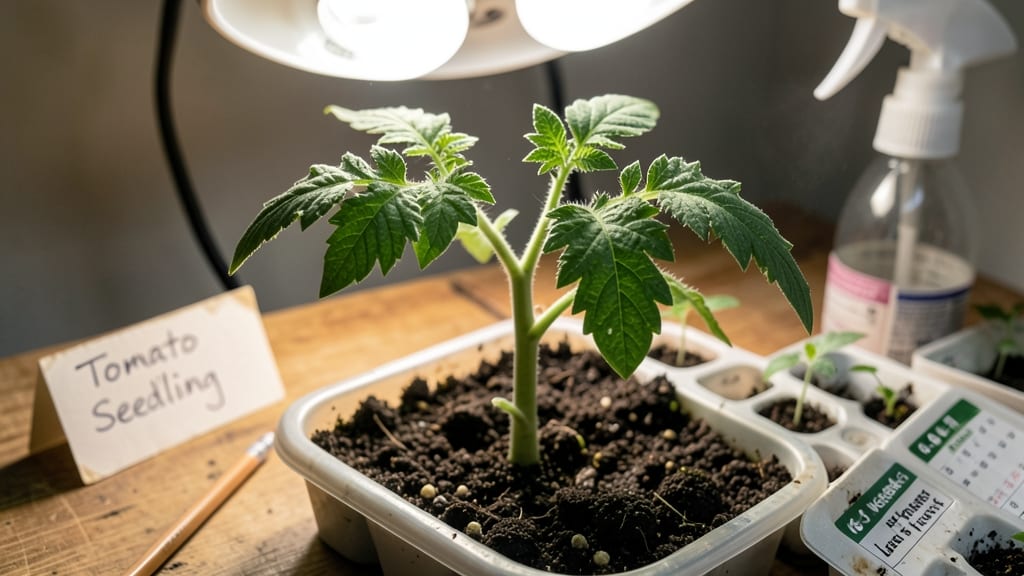
Starting tomato seeds indoors in Zone 7 at the right time means the difference between a bountiful harvest and a season of disappointment.
Timing is everything when growing tomatoes—start too early, and your seedlings will outgrow their pots; too late, and you’ll miss the growing season. In Zone 7, mastering the exact window to begin tomato seeds indoors ensures robust, early-producing plants ready for transplanting.
Most gardeners in Zone 7 aim to transplant seedlings outdoors by mid-April, just before the last frost. That means counting back 8-10 weeks from your average last frost date—usually around March 15—to determine when to start seeds.
In this guide, I’ll walk you through the precise timing, adjustments for early vs. late varieties, and the key steps to avoid common pitfalls that can derail your tomato-growing plans.
Zone 7 tomato seed starting timeline: exact weeks before last frost
In Zone 7, the last average frost date typically falls between March 15 and April 15, meaning your tomato seeds need to start indoors 8-10 weeks before your local last frost.
This window ensures seedlings reach the 3-4 inch height and strong root system needed for transplanting. Early starts (February) work for cold-sensitive varieties, while mid-March starts suit heat-loving tomatoes.
For early varieties like Brandywine or Cherokee Purple, begin seeds February 1-15 to maximize the growing season. Mid-season types such as Better Boy or Early Girl can start February 15-March 1, while late-season tomatoes like Sungold thrive with March 1-15 starts.
Always adjust based on your specific last frost date—check your local USDA Zone 7a/b variations.
Your goal is healthy, stocky seedlings with 4-6 true leaves by transplant time. Starting too early (before February) risks leggy, weak seedlings from stretching toward light, while starting too late (after March 15) may leave plants underdeveloped when frost-free conditions arrive. Use this 8-10 week rule as your guide.
To calculate your exact transplant date, subtract 8-10 weeks from your last frost date. For example, if frost ends April 1, start seeds by February 1 for early varieties. Use a seedling heat mat (70-75°F) to speed germination—tomato seeds sprout best in warm soil (70-85°F).
Keep seedlings under grow lights or a south-facing window for 14-16 hours of light daily to prevent legginess.
Hardening off seedlings is critical before transplanting. Begin 7-10 days before moving outdoors by placing them in shaded outdoor conditions for 2-3 hours daily, gradually increasing exposure.
This acclimation process reduces transplant shock and ensures stronger root systems. Avoid transplanting when nighttime temps drop below 50°F—wait for consistent 55°F+ nights for best results.
Zone 7’s microclimates can shift your timeline slightly. Coastal areas may have earlier last frosts, while inland regions could face later frost risks. Monitor local weather forecasts and adjust your schedule if frost warnings appear. For container gardening, start seeds 1-2 weeks earlier—potted plants warm up faster and may need transplanting sooner than in-ground varieties.
Use seedling trays with drainage holes and lightweight potting mix to avoid overwatering. Overcrowded seedlings compete for nutrients and light, leading to weak stems and yellowing leaves.
Thin seedlings to 2 inches apart once they develop 2 true leaves, and transplant into 3-4 inch pots by the time they reach 3-4 inches tall.
After transplanting, mulch heavily to retain moisture and stake or cage plants immediately to support 3-6 foot growth. Tomatoes in Zone 7 thrive with consistent moisture—water deeply 1-2 times per week (1-2 inches per week) and avoid wetting foliage to prevent fungal diseases like early blight.
With the right timing and care, your Zone 7 tomato plants will produce abundant fruit from June through October.
Pro tip: Label your seeds with start dates and varieties to track progress. Use a gardening journal to note germination times, transplant dates, and first fruit harvests—this helps refine your future seed-starting schedules for even better results. Happy growing!
How to adjust seed starting for early vs. late tomato varieties in Zone 7
Not all tomatoes thrive on the same schedule—heirloom varieties like Brandywine need early starts to avoid heat stress, while heat-loving Sungold cherry tomatoes can wait until late February. In Zone 7, your seed-starting timeline should match each variety’s cold tolerance and maturity timeline.
The key is adjusting your 6-8 week indoor timeline based on whether you’re growing early-season or late-season tomatoes. Early varieties (like Stupice) should start 8 weeks before last frost, while heat-tolerant types (like Celebrity) can wait until 6 weeks out.
| Variety Type | Cold Sensitivity | Start Indoors | Transplant Ready | Notes |
|---|---|---|---|---|
| Heirloom (e.g., Brandywine, Cherokee Purple) | High | Late January–early February | Late April | Needs 8-10 weeks; sensitive to heat |
| Hybrid (e.g., Better Boy, Early Girl) | Moderate | Mid-February | Early May | Balanced for Zone 7; 7-8 weeks |
| Cherry (e.g., Sungold, Sweet 100) | Low | Late February–March | Mid-May | Heat-tolerant; 6 weeks max |
For heirloom tomatoes, begin seeds in late January to give them time to mature before summer heat sets in. These varieties often struggle with blossom drop when temperatures exceed 85°F, so an early start ensures they’re producing fruit by June.
In contrast, cherry tomatoes like Sungold thrive in heat and can wait until late February. Their shorter 60-65 day maturity means you can delay starting without missing the season. This gives you flexibility to focus on other crops first.
Use this schedule to stagger starts—begin heirlooms first, then hybrids, and finally cherry tomatoes. This ensures a continuous harvest from June through October, maximizing your garden’s productivity in Zone 7.
Pro tip: Mark your calendar for March 15–April 15 as your last frost window. Adjust starts based on your local microclimate—earlier in Zone 7a and later in Zone 7b.