
Plants
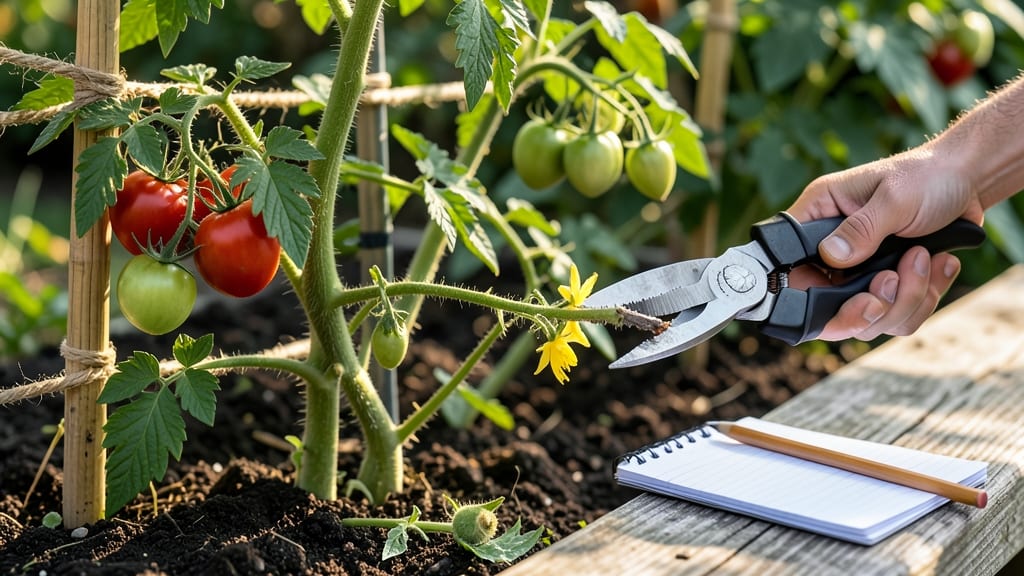
Topping tomato plants at the right time can mean the difference between a floppy, fruitless vine and a burly, bountiful 🍅—and the secret lies in knowing exactly when to pinch back.
Picture this: You’ve spent weeks nurturing your seedlings, only to watch them sag under the weight of their own growth. Or worse, they’re throwing out flowers but no fruit. That’s often a sign you missed the window for topping—or did it too late.
The key isn’t just how to prune, but when: typically when your indeterminate varieties hit 12–18 inches tall and suckers are about 3–6 inches long. But timing shifts with your climate, variety, and even the season.
Why does this matter? Because topping at the wrong moment can stunt growth, delay harvests, or even invite disease. Too early, and you’re sacrificing structure; too late, and you’re fighting a battle with a plant that’s already overloaded.
In USDA Zone 6a, where spring’s last frost lingers into April, the rush to get plants in the ground can blindside gardeners into skipping this critical step.
In this guide, I’ll walk you through the exact moments to reach for those pruners—plus what to watch for in your plants, the tools you’ll need, and the one common mistake that’s killing more tomato harvests than you’d think. Let’s turn those weak stems into powerhouses.
The perfect time to top tomato plants for maximum growth
Topping tomato plants isn’t just about trimming—it’s a strategic move to redirect energy toward fruit production instead of excessive foliage.
The best time to pinch back your indeterminate tomatoes (the vining types) is when they reach 12–18 inches tall, or when suckers (those little shoots in the leaf axils) grow to 3–6 inches long.
This timing ensures your plant has enough strength to support new growth without sacrificing harvest potential.
For determinate tomatoes (bush varieties), topping is rarely necessary since they naturally stop growing. But if you notice weak stems or excessive leaf growth, a light pinch can still help.
The key is balancing stem thickness—aim for a pencil-thick main stem before topping. Thinner stems may not recover well from aggressive pruning.
Weather plays a critical role too. Avoid topping during hot afternoons or right before rainy periods, as open wounds invite disease. Early morning is ideal—cool temps and dry conditions help plants heal faster.
If your region faces late spring frosts, delay topping until after the last frost date to prevent stress.
Timing isn’t just about height—it’s also about flower clusters. If you see the first flower trusses forming near the top of your plant, hold off on topping.
These early blooms need energy to develop into fruit. Instead, focus on removing suckers below the first 5–7 leaves to maintain a balanced plant structure.
Regional climate matters too. In hotter zones (8–10), where tomatoes grow aggressively, you might top earlier (around 12 inches) to prevent flopping. In cooler zones (6–7), wait until 15–18 inches to give plants time to harden off.
Always monitor your plant’s response—if it looks stressed (yellowing leaves, slow growth), you’ve topped too late.
Pro tip: Use a sharp, clean pruner to make cuts at a 45-degree angle just above a leaf node. This encourages faster healing and reduces disease entry points.
Avoid tearing the stem, as jagged edges slow recovery. If you’re unsure, pinch suckers by hand—it’s gentler and just as effective for small shoots.
One common mistake is topping too aggressively early in the season. If you remove more than 20% of the foliage at once, your plant may struggle to photosynthesize enough energy for fruit development.
Start conservatively—remove only the largest suckers (those >3 inches) and reassess in 1–2 weeks before deciding on further pruning.
Finally, observe your plant’s growth habit. If your indeterminate tomato is growing vertically with minimal suckers, you can skip topping entirely and focus on staking or caging instead.
The goal is always to maximize fruit production, not just bushiness. With the right timing, your tomatoes will reward you with stronger stems and a bumper crop!
🌱
Step-by-step guide to pinching tomato suckers correctly
Pinching tomato suckers is a simple yet powerful way to direct your plant’s energy toward fruit production instead of leafy growth. These small shoots grow in the leaf axils where branches meet the main stem.
Removing them at the right time ensures your indeterminate tomatoes grow strong and produce more ripe fruit throughout the season.
Before you begin, gather your tools: a pair of clean pruning shears or sharp scissors, and a small bucket for discarded suckers. The best time of day to prune is early morning when the plant is hydrated and temperatures are cool, reducing stress on the plant.
Now, let’s dive into the exact steps to follow for perfect sucker removal.
-
Step 1: Identify Suckers
Look for small shoots growing between the main stem and a branch. These are your suckers—they’ll be about 3–6 inches long when ready to remove. -
Step 2: Choose the Right Tool
Use clean pruning shears or your fingers to pinch suckers. Avoid tearing the plant—this can cause damage and invite pests. -
Step 3: Pinch at the Base
Remove suckers by pinching or cutting just above the leaf axil where they emerge. This prevents stubs that can rot or attract disease. -
Step 4: Monitor Plant Health
After pruning, check for yellowing leaves or weak stems. If you see these signs, you may have over-pruned—stop until the plant recovers. -
Step 5: Repeat Weekly
Inspect your plant weekly for new suckers. Consistent pruning keeps your tomato plant focused on producing larger, healthier fruit.
One common mistake is removing too many suckers at once, which can stress the plant. Aim to leave at least 3–4 main branches on indeterminate varieties to support fruit production. For determinate tomatoes, minimal pruning is needed—they naturally produce fruit without extensive suckering.
After pinching, give your plant a light fertilizer to support new growth. Avoid heavy feeding immediately after pruning, as this can encourage leafy growth over fruit production. With the right technique, your tomato plants will thrive and reward you with a bountiful harvest!