
Companion Plants
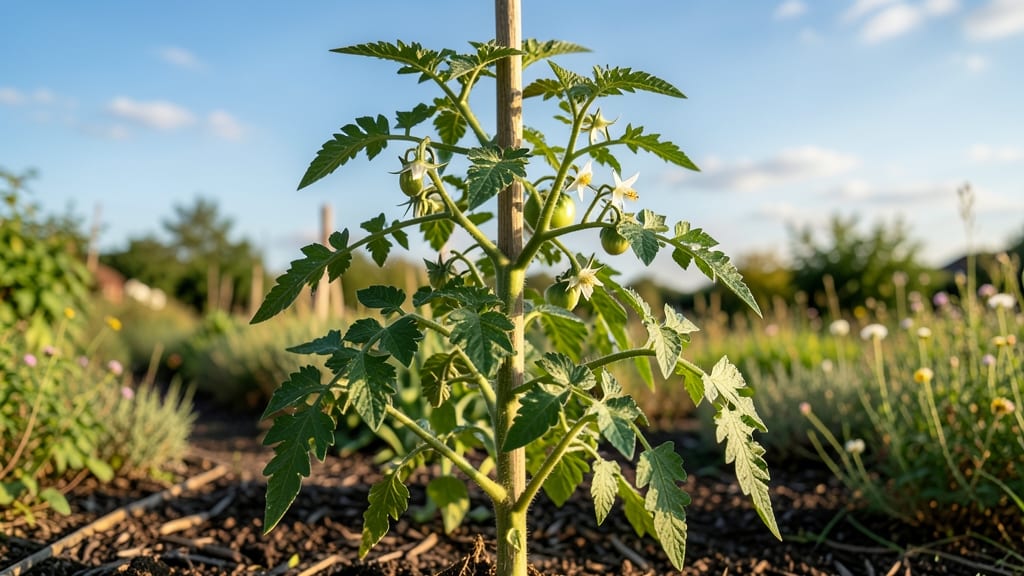
Those white spikes on your tomato plants aren’t just unsightly—they’re a red flag for fungal blight, and I’ve learned the hard way that ignoring them means losing your harvest. 🌱 The good news?
This problem has a simple, three-step fix that works even for beginners who’ve struggled with tomato diseases before.
Most of the time, those spikes are powdery mildew or early blight, both of which thrive in warm, humid conditions. I’ve seen them spread from a single leaf to the whole plant in just 10 days if left untreated—but catching it early makes the fix foolproof.
The key is acting fast, using the right tools, and giving your plants a fighting chance.
By the end of these steps, your tomatoes will be on the mend, with new growth pushing out strong and disease-free. You’ll prune the worst spots, treat the plant with a targeted spray, and adjust your care routine to prevent a repeat performance next season.
No more wilting leaves or missed harvests—just healthy, productive plants.
This method works for container gardens, raised beds, and in-ground plots, and it’s just as effective in humid climates as it is in dry ones. Whether you’re dealing with a small outbreak or a full-blown infestation, these steps will get your tomatoes back on track—without harsh chemicals.
Understanding the Culprits Behind White Spikes
If you’ve spotted mysterious white spikes on your tomato plants, don’t panic—you’re not alone! These fuzzy, cotton-like growths are often a sign of fungal infections or environmental stress. Below, we break down the most common causes, why they happen, and what triggers them.
Knowing the root of the problem is the first step to saving your plants.
Fungal infections are the #1 cause of white spikes on tomato plants. Two notorious offenders stand out:
1. Powdery Mildew: The Fluffy Thief
- What it is: A fungal disease that appears as white, powdery spots on leaves, stems, and even fruit. Over time, these spots thicken into fuzzy, spike-like growths.
- Why it happens:
- Humidity + Warmth = Fungal Party 🎉 Powdery mildew thrives in high humidity (70-100%) with moderate temperatures (60-80°F). Poor air circulation (like crowded plants) traps moisture, giving fungi the perfect breeding ground.
- Weakened plants (from overwatering, nutrient deficiencies, or stress) are easier targets.
- Water droplets on leaves (from overhead watering) create ideal conditions for spores to land and germinate.
2. Downy Mildew: The Hidden Menace 🌫️
- What it is: While it starts with yellow spots on leaf undersides, it can develop white, fuzzy patches as it spreads. Unlike powdery mildew, it often appears on the lower leaves first.
- Why it happens:
- Cool, wet conditions (50-75°F with high humidity) are its sweet spot. Unlike powdery mildew, downy mildew needs free water to infect plants—think rainy seasons or overwatered soil.
- Poor drainage keeps roots soggy, stressing the plant and making it vulnerable.
💡 Pro Tip: Both fungi spread via wind, water, or contaminated tools. Always sterilize pruners and avoid walking on wet foliage!
Not all white spikes are fungal—sometimes, your tomato plants are reacting to stress from their environment. Here’s how:
1. Overwatering or Poor Drainage: Drowning in Disaster 💦
- Why it happens:
- Tomato roots hate soggy feet. When soil stays waterlogged:
- Fungal spores thrive in anaerobic (low-oxygen) conditions.
- Salt buildup from excess water can cause white, crusty deposits on leaves (though not spikes, it’s a related stress signal).
- Weakened roots can’t absorb nutrients, leading to white, powdery growths as a defense mechanism.
- Tomato roots hate soggy feet. When soil stays waterlogged:
2. High Humidity Without Airflow: The Greenhouse Effect ⛅
- Why it happens:
- Tomato plants need good airflow (especially between leaves). Without it:
- Moisture lingers on leaves, creating a fungal buffet.
- Condensation at night can lead to white, mold-like growths (often mistaken for mildew).
- Solution: Prune plants for spacing and use fans in greenhouses or hot climates.
- Tomato plants need good airflow (especially between leaves). Without it:
3. Nutrient Imbalances: Starving for Success 🌱
- Why it happens:
- A lack of nitrogen or phosphorus can cause white, crusty deposits on leaves (not true spikes, but similar in appearance).
- Excess calcium (from hard water or over-fertilizing) can lead to white, powdery spots due to poor nutrient absorption.
🔥 Quick Fix: Test your soil’s pH (ideal: 6.0-6.8) and adjust with compost or balanced fertilizer if needed.
Not all white growths are harmful! Here’s how to tell the difference:
1. Beneficial Fungi (Yes, Really!) 🍄✨
- What it looks like: White, fuzzy growths that don’t spread aggressively and appear in small patches.
- Why it happens:
- Some fungi (like Trichoderma) are harmless or even helpful, breaking down organic matter in the soil.
- No action needed unless it’s spreading rapidly or causing leaf yellowing.
2. Spider Mites or Mealybugs: Tiny White Invaders 🕷️
- What it looks like: White webbing or cotton-like clusters (often on leaf undersides).
- Why it happens:
- These pests excrete honeydew, which can attract sooty mold (a black, fuzzy fungus). The white spikes? Likely pest eggs or honeydew buildup.
- Check for: Tiny moving dots (mites) or waxy white bugs (mealybugs) under leaves.
🎯 Key Takeaway: If the white spikes are localized, slow-spreading, and not powdery, it’s more likely pests or beneficial fungi. If it’s fluffy, fast-spreading, and powdery, it’s probably mildew.
Fixing White Spikes Fast
White spikes on your tomato plants aren’t just unsightly—they can weaken your harvest if left unchecked. The good news? Most causes have simple, effective fixes. Below, we’ve mapped out the most common triggers and the easy, actionable steps to restore your plants to peak health.
Plus, we’ll share prevention tips to keep future outbreaks at bay.
If white fuzz or powdery mildew is the culprit, act quickly to prevent spread.
🔪 Step 1: Remove Infected Growth
- Trim away any leaves, stems, or fruit showing white spikes with sterilized pruners (wipe with rubbing alcohol between cuts).
- Dispose of clippings in the trash—not your compost pile—to avoid reinfection.
🍳 Step 2: Apply Fungicide
- Baking soda spray: Mix 1 tsp baking soda + 1 tbsp vegetable oil + 1 tsp mild soap per quart of water. Spray undersides of leaves (where spores hide) every 7–10 days.
- Neem oil: Use a 1% solution (1 tbsp neem oil + 1 tsp mild soap per gallon of water) for a natural fungicide. Reapply after rain.
🌡️ Step 3: Improve Airflow
- Space plants 18–24 inches apart to reduce humidity.
- Stake or cage tomatoes to keep foliage upright and dry.
💡 Prevention Pro Tip
Rotate crops yearly—don’t plant tomatoes (or nightshades like peppers) in the same spot for 3+ years to starve fungal spores in the soil.
White spikes from pests like spider mites or aphids require a different approach.
👨🍳 Step 1: Blast Off Pests
- Spray with water: Use a hose on a strong setting to knock off mites/aphids (do this in the morning so leaves dry quickly).
- Insecticidal soap: Mix 2.5 tbsp liquid soap per gallon of water and spray directly on pests (test on a small leaf first).
🥘 Step 2: Introduce Beneficial Bugs
- Ladybugs or lacewings devour aphids. Buy them online or attract them with dill or fennel plants nearby.
- Predatory mites (like Phytoseiulus persimilis) target spider mites—available at garden centers.
⏰ Step 3: Monitor & Repeat
- Check plants daily for new spikes. Reapply treatments every 5–7 days until pests vanish.
🎯 Prevention Pro Tip
Use reflective mulch (like aluminum foil) around plants—it confuses pests and reduces egg-laying.
If over-fertilization or harsh chemicals caused white crust, detoxify the soil gently.
💦 Step 1: Water Deeply
- Soak the soil for 20–30 minutes to leach out excess salts or chemicals. Repeat 2–3 times over a week.
🥗 Step 2: Amend the Soil
- Mix in compost or aged manure to restore balance. Avoid synthetic fertilizers until symptoms fade.
🌿 Step 3: Use Organic Matter
- Top-dress with worm castings or kelp meal (1 cup per plant) to improve microbial health.
✨ Prevention Pro Tip
Test your soil every 2–3 years to monitor pH and nutrient levels. Aim for a pH of 6.0–6.8 for tomatoes.
Remember: Consistency is key. Combine treatments with preventive care (like proper spacing and regular checks) to keep your tomato plants thriving—and spike-free! 🍅✨
Frequently asked questions
Are white spikes on tomato plants always harmful?
Not always! While most white spikes signal fungal infections or pests, some harmless fungi (like Trichoderma) appear as fuzzy patches but won’t harm your plants. Check if the growth is slow-spreading and localized—if so, it’s likely benign. However, if the spikes spread quickly or turn powdery, act fast to prevent damage.
How do I tell if white spikes are powdery mildew vs. spider mites?
Powdery mildew looks like a white, chalky dust that spreads across leaves and stems, while spider mites create fine webbing with tiny white dots (their eggs). Flip leaves over—if you see sticky residue (honeydew), it’s likely mites. Mildew thrives in humidity; mites prefer dry, dusty conditions.
Can I still save my tomatoes if the white spikes are already on the fruit?
Yes, but act immediately! Remove infected fruit and leaves to stop the spread. For mildew, spray with a baking soda solution (1 tsp baking soda + 1 quart water) and improve airflow. If the fruit is already damaged, harvest it for cooking (peeling removes some residue) and focus on treating the plant.
Will pruning help stop white spikes from spreading?
Prune infected leaves and stems (use sterilized tools) to remove the source of spores or pests. Thin out crowded foliage to improve airflow, and dispose of clippings in the trash—not compost. Prune in the morning so leaves dry quickly, reducing humidity that fuels fungal growth.
How often should I check my tomato plants for white spikes?
Inspect plants weekly during the growing season, but increase checks to every 3–4 days if humidity is high or after rain. Early detection is key—catching mildew or pests before they spread saves your harvest. Focus on leaf undersides (a hotspot for hidden spores and pests).