
Pests and Diseases
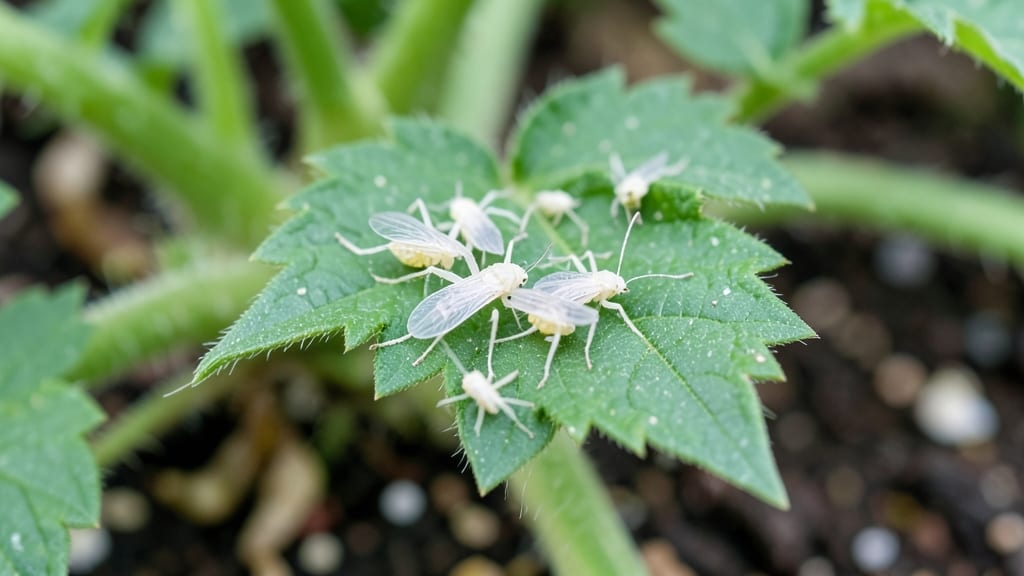
Whiteflies on tomato plants can turn your thriving vines into sticky, stunted messes faster than you'd think. 🌱 I've battled these tiny pests for years, and I'm sharing the exact neem oil and soap spray combo that knocks them out in 24 hours—no harsh chemicals needed.
The secret lies in timing and coverage: these pests thrive on the undersides of leaves, so you need to hit them where they live. Most gardeners miss them until the damage is done, but this method works even on heavy infestations if you're consistent.
I've seen plants bounce back within days when treated early. You'll end up with tomato plants that look fresh and green again, producing ripe fruit without the whitefly haze. The spray is simple to mix and safe for your garden's ecosystem when used right. Here's exactly how to do it:
First, you'll need to identify the problem—those tiny white moths fluttering when you disturb leaves are the adults, but the real damage comes from their sticky honeydew. The good news? This solution targets all life stages, from eggs to adults, without harming your plants.
The key is applying the spray in the early morning or late evening when bees aren't active. You'll see results within a day if you're thorough, but repeat treatments for a week ensure those pests don't return. Even my most stubborn whitefly outbreaks have responded to this method.
What makes this approach work is the combination of neem oil (which disrupts their life cycle) and insecticidal soap (which smothers them on contact). Plus, you'll prevent future infestations by introducing beneficial insects like ladybugs and lacewings—nature's pest control team.
This method works for tomato plants in containers, raised beds, or backyard gardens. Once you've mastered it, you'll tackle whiteflies with confidence every season.
Root Causes of Tomato Plant Infestations
Whiteflies may seem like tiny, harmless nuisances, but they thrive on tomato plants due to a mix of environmental, biological, and agricultural factors. Understanding these causes helps you take precise action to prevent or eliminate them.
Below are the key reasons these pests invade your tomatoes—and how their behavior fuels their spread.
Whiteflies are tropical insects, and they love heat and humidity. Temperatures between 75–90°F (24–32°C) create the perfect breeding ground for them. Here’s why:
- Rapid reproduction: A single female can lay hundreds of eggs in her lifetime, and warm conditions speed up their life cycle from egg to adult in just 2–3 weeks.
- Stagnant air: Greenhouses, dense foliage, or poorly ventilated gardens trap heat and moisture, making it easier for whiteflies to cluster on the undersides of leaves.
- Weakened plants: Heat stress already damages tomato plants, making them more vulnerable to whitefly feeding and sooty mold buildup.
Actionable fix: Improve airflow with pruning or fans, and avoid overwatering—soggy soil retains heat and attracts pests.
Whiteflies target stressed or weakened tomato plants because they’re easier to feed on. Common stressors include:
- Nutrient deficiencies: Lack of nitrogen, phosphorus, or potassium weakens leaves, making them more appealing to whiteflies.
- Over-fertilization: Too much synthetic fertilizer can burn roots, reducing plant resilience.
- Competition for resources: Overcrowded plants compete for sunlight and water, leading to yellowing leaves—a whitefly magnet.
- Disease or damage: Plants recovering from blight, aphids, or physical harm (like hail) are high-risk targets.
Actionable fix: Space tomato plants 18–24 inches apart, use balanced organic fertilizer, and remove yellowing or diseased leaves immediately.
Whiteflies don’t just appear out of nowhere—they hitchhike from other plants or lurk in soil. Here’s how contamination happens:
- Infested neighboring plants: Weeds like pigweed, milkweed, or nightshade (common in gardens) act as whitefly nurseries.
- Recycled soil or compost: Old potting mix, garden debris, or compost with whitefly eggs can reintroduce them when replanting.
- Wind or water spread: Adult whiteflies are lightweight and can drift miles on breezes, while water splashes (from irrigation) can carry eggs to new plants.
Actionable fix: Inspect nearby plants for whiteflies, remove weeds, and sterilize soil with solarization (covering soil with plastic for 4–6 weeks in sun) or a 10% vinegar solution.
In nature, whiteflies face predators like ladybugs, lacewings, and parasitic wasps. But in greenhouses, urban gardens, or monoculture farms, these predators are often absent, allowing whiteflies to explode in numbers.
- Pesticide overuse: Broad-spectrum chemicals (like neonicotinoids) kill beneficial insects faster than whiteflies, creating a pest vacuum.
- Isolated growing spaces: Greenhouses or indoor setups lack biodiversity, so whiteflies have no checks on their population.
Actionable fix: Introduce beneficial insects (buy ladybugs or lacewing larvae online) or use kaolin clay to deter them without harming predators.
Now that you know the “why,” the next step is targeted treatment—like neem oil or soap sprays—to stop their cycle fast. Stay tuned!
How to Fix Whitefly Infestations
Whiteflies on tomato plants can feel like a losing battle, but with the right strategies, you can reclaim your garden in no time. The key is to tackle the problem from multiple angles—removing pests, disrupting their life cycle, and preventing future outbreaks.
Below, we break down practical, step-by-step solutions tailored to the root causes of your whitefly problem.
Adult whiteflies are the most visible nuisance, fluttering away when you disturb the plants. To knock them out fast:
🍳 DIY Soap Spray (Best for Small Infestations)
A simple, non-toxic spray can eliminate adults on contact. Mix:
- 1 tbsp mild liquid dish soap (like Dawn)
- 1 quart warm water
- 1 tsp horticultural oil (optional, for extra stickiness)
How to use it:
- Shake well before spraying—soapy water must coat the leaves thoroughly.
- Spray undersides of leaves (where whiteflies hide) until dripping.
- Repeat every 3–5 days until no more adults appear.
- Avoid spraying in direct sunlight (can burn leaves).
✨ Pro Tip: Add a few drops of neem oil (1 tsp per quart) to disrupt their feeding and reproduction.
👨🍳 Yellow Sticky Traps (Decoy Attack)
Adult whiteflies are attracted to yellow. Hang yellow sticky cards near your tomato plants to lure and trap them.
How to set them up:
- Place traps above the plant canopy (whiteflies fly upward).
- Replace every 1–2 weeks when covered in pests.
- Best for: Early detection and reducing populations before they multiply.
Whiteflies lay eggs in clusters, and nymphs (baby whiteflies) are even harder to spot. To stop the next generation:
🔪 Neem Oil Spray (Systemic Defense)
Neem oil doesn’t just kill adults—it disrupts egg-laying and hatches. Use it as a preventative weekly spray or after removing adults.
Recipe:
- 1 tbsp neem oil
- 1 tsp mild soap
- 1 quart water
Application:
- Spray evenly on all leaf surfaces, including stems.
- Best time: Early morning or late evening (avoid heat).
- Reapply every 5–7 days for 2–3 weeks.
💡 Pro Tip: If using neem oil, rotate with soap spray to prevent resistance.
🌡️ Beneficial Insects (Nature’s Pest Control)
Introduce whitefly predators to your garden for long-term control:
- Ladybugs (adults and larvae eat whiteflies)
- Lacewings (voracious appetite for nymphs)
- Parasitic wasps (like Encarsia formosa—order online if local stores don’t carry them)
How to attract them:
- Plant dill, fennel, or marigolds near tomatoes (they love these flowers).
- Avoid broad-spectrum pesticides (they kill beneficial bugs too).
Once you’ve eliminated whiteflies, keep them from returning with these habits:
🌿 Garden Hygiene (Remove Hiding Spots)
- Prune yellowing or damaged leaves (whiteflies love weak spots).
- Clean up debris around plants (eggs hide in fallen leaves).
- Rotate crops—don’t plant tomatoes in the same spot yearly.
🎯 Strengthen Your Plants (Make Them Unappealing)
Healthy tomatoes resist pests better. Boost defenses with:
- Balanced fertilizer (too much nitrogen = soft, tasty leaves).
- Proper watering (avoid overwatering—whiteflies thrive in damp soil).
- Reflective mulch (aluminum foil or silver plastic around plants confuses whiteflies).
🛡️ Physical Barriers (For Severe Cases)
If whiteflies keep coming back, cover young plants with:
- Fine mesh netting (prevents adults from laying eggs).
- Row covers (remove when plants flower to allow pollination).
- Avoid chemical pesticides (they harm bees and beneficial insects).
- Don’t ignore new growth—check undersides of leaves daily during outbreaks.
- Skip the "wait and see" approach—whiteflies multiply fast.
By combining immediate knockdowns (soap/neem spray), life cycle disruption (beneficial insects), and preventative care, you’ll send whiteflies packing—and keep your tomato plants thriving. 🍅💪 Stick with it for 2–3 weeks, and you’ll break their cycle for good!
Frequently asked questions about whiteflies on tomato plants
How do I know if my tomato plants have whiteflies?
Look for tiny white moths that flutter away when you disturb leaves, especially on the undersides. You’ll also see a sticky residue (honeydew) on leaves and a black sooty mold buildup if the infestation is severe. Check new growth first—whiteflies love tender leaves!
Why do whiteflies appear suddenly on my tomato plants?
Whiteflies thrive in warm, humid conditions and multiply rapidly—one female can lay hundreds of eggs in just weeks. They often hitchhike from nearby weeds or infested plants, so check your garden edges. Overwatering or stressed plants also attract them faster.
Can I use neem oil if I have ladybugs in my garden?
Yes! Neem oil is safe for ladybugs and other beneficial insects when used correctly. Just avoid spraying when bees are active (early morning/evening works best). Ladybugs actually help control whiteflies—so keep them around! The key is proper dilution (1 tbsp neem oil per quart of water).
How often should I apply soap spray for whiteflies?
Apply every 3–5 days until you see no more adults (usually 2–3 weeks). For severe cases, combine with neem oil on alternating days. Always spray undersides thoroughly—whiteflies hide there! Remember to avoid direct sunlight when applying.
Will yellow sticky traps work alone for whitefly control?
Sticky traps help reduce adult populations but won’t eliminate eggs or nymphs. Use them as part of a multi-step approach: traps + soap spray + neem oil. Place traps above plants (whiteflies fly upward) and replace every 1–2 weeks. For heavy infestations, combine with beneficial insects.