
Vegetables
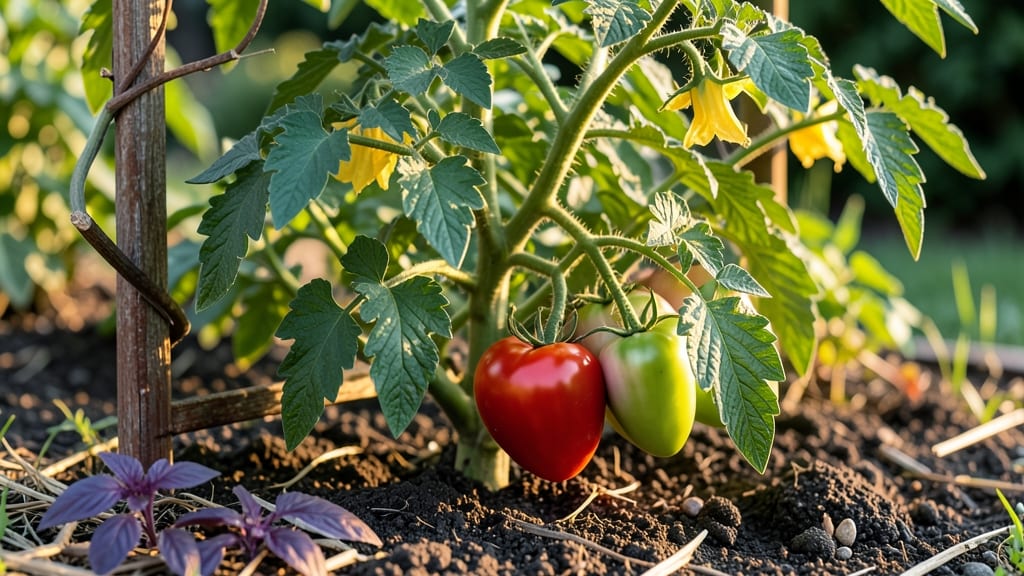
Growing Whopper tomato seeds means your backyard could soon be home to 2-pound tomatoes that make grocery store varieties look like bite-sized snacks. 🌱 I’ve grown these behemoths for three seasons now, and the first time I sliced into a 36-ounce fruit—juicy, sweet, and with just the right balance of acid—I knew I’d never buy tomatoes again.
The secret isn’t fancy equipment; it’s patience and the right conditions. Whoppers need deep, fertile soil (think compost-rich and well-draining), full sun (at least 8 hours a day), and strong support—a 6-foot cage or sturdy trellis—because those fruits get heavy.
Start seeds indoors 8-10 weeks before your last frost, and transplant carefully to avoid shocking the roots. By midsummer, you’ll be watching vines stretch toward the sky, each leaf a promise of what’s to come.
The first ripe tomato appears around 75-85 days after transplanting, and if you keep the soil moist (but not soggy) and fertilize regularly, you’ll harvest dozens of monsters by fall. Just be prepared for neighbors asking where you buy them—because they won’t believe you grew them yourself.
Whoppers thrive with basil or marigolds nearby to deter pests, and a thick layer of mulch keeps moisture in and weeds out. The biggest mistake? Letting them sprawl—those vines need structure to support their weight.
With the right care, you’ll end up with tomatoes so large, they’ll make your gardening friends jealous.
📚 In This Guide
- What you need
- Instructions
- Tips and common mistakes
- Wrapping up and next steps
What you need
- ● Whopper tomato seeds – 1 packet (20-50 seeds) (choose heirloom varieties like 'Beefsteak,' 'Brandywine,' or 'Sungold' for maximum size!)
- ● Seed-starting trays or biodegradable pots – 12-24 cell trays (or 4-inch pots for direct sowing)
- ● High-quality seed-starting mix – 1 bag (1-2 cubic feet) (sterile, peat-based or coconut coir blend)
- ○ Grow lights or sunny windowsill – 1-2 LED grow lights (optional but recommended) for 12-16 hours/day
- ● Watering can with a fine rose – 1 (to avoid disturbing seedlings)
- ● Fertilizer – Balanced liquid fertilizer (5-5-5 or 10-10-10) or compost tea for organic growers
- ● Sturdy tomato cages or stakes – 4-6 foot tall (1 per plant) (whopper tomatoes need serious support!)
- ● Pruning shears or scissors – 1 pair (for trimming suckers and shaping plants)
- ● pH testing kit – 1 (ideal soil pH: 6.0–6.8)
- ● Mulch (straw or black plastic) – 1 bale or roll (retains moisture and suppresses weeds)
- ● Drip irrigation system – 1-2 feet of tubing + emitters (keeps plants consistently hydrated)
- ● Epsom salt (magnesium sulfate) – 1 small bag (boosts tomato flavor and growth)
- ● Compost or worm castings – 1-2 gallons (organic nutrient boost)
- ● Garden journal or app – 1 (track progress, watering, and harvest dates!)
Step-by-step guide to growing whopper tomatoes from seed
Here’s how to coax those legendary 2-pound tomatoes from tiny seeds—with proven techniques to avoid common pitfalls.
🌱 Step 1: Prepare Containers and Seed-Starting Mix
Use 4-inch deep pots or a seed-starting tray with cells at least 2 inches deep—whopper tomato seedlings need room to develop strong roots. Fill each container with sterile seed-starting mix (never garden soil, which can harbor diseases like damping-off). I like to add 10% perlite to improve drainage and prevent root rot.
Moisten the mix until it’s damp like a wrung-out sponge—you should see moisture at the surface but no puddles. Tap the container gently on the counter to settle the soil without compacting it. This ensures even moisture distribution, which is critical for germination. The goal is a fluffy, airy medium that won’t suffocate delicate roots.
🌱 Step 2: Sow Seeds at the Right Depth and Temperature
Plant 2-3 seeds per pot at a depth of ¼ inch—no deeper, or they’ll struggle to reach the light. I use a toothpick to make small holes, then drop the seeds in one at a time. Cover lightly with a thin layer of mix, then mist the surface with water until evenly damp. Avoid soaking the seeds first; whopper tomato seeds germinate best when dry-sown in warm soil.
Place the pots in a seedling heat mat set to 75-85°F—this mimics their native tropical conditions and speeds up germination. Without heat, expect germination in 10-14 days; with heat, you’ll see sprouts in 5-7 days. Keep the soil consistently moist but never soggy—whopper tomato seeds rot if overwatered.
☀️ Step 3: Provide Strong Light to Prevent Leggy Seedlings
The moment seedlings emerge, move them under grow lights positioned 2-3 inches above the plants. Whopper tomatoes need 14-16 hours of light daily—a south-facing window won’t cut it unless it’s brutally sunny. You’ll know your light is insufficient if seedlings stretch toward it with pale, thin stems (called "legginess").
Rotate the pots quarter-turn daily so plants grow straight, not lopsided. After 2 weeks, increase the light height to 4 inches to prevent burning. Strong seedlings will have bold green leaves and sturdy stems—weaker ones need more light or a stronger bulb. This early light discipline sets the foundation for heavy fruit production later.
🌿 Step 4: Fertilize and Harden Off for Transplanting
When seedlings develop 4-5 true leaves (about 4-6 weeks after sowing), switch to a balanced liquid fertilizer (10-10-10) diluted to half strength. Whopper tomatoes are heavy feeders, so start early—this prevents nutrient deficiencies that stunt growth. Water at the base to avoid leaf burn from fertilizer salts.
Two weeks before your last frost, begin hardening off by placing pots outside in partial shade for 1-2 hours daily, gradually increasing time. By day 7, they should tolerate full sun without wilting. Transplant on an overcast afternoon to reduce shock. Bury stems deeper than usual—up to the first set of leaves—to encourage stronger root systems for supporting those massive fruits.
✂️ Step 5: Support and Prune for Maximum Fruit Size
Install sturdy cages (at least 6 feet tall) or trellises immediately after transplanting—whopper tomatoes need support for their 20+ pound vines. Prune suckers (the shoots that form in the leaf axils) weekly to direct energy into fewer, larger fruits. I leave 1-2 main stems per plant, removing all others at the base with clean shears.
When flowers appear, hand-pollinate by gently shaking the vines on a calm day or using a small paintbrush to transfer pollen. Whopper tomatoes often need help setting fruit in cool or humid conditions. Thin clusters to 2-3 fruits per stem—overcrowding reduces size. Mulch heavily with straw to retain moisture and prevent soil-borne diseases that can limit fruit potential.
Tips & tricks for growing whopper tomatoes from seed
These insider strategies will help you avoid common pitfalls and maximize your chances of growing those legendary 2-pound tomatoes.
Seed-Starting Mix Upgrade: While sterile seed-starting mix is essential, I've found that adding 20% coconut coir to the mix improves moisture retention without compacting. This helps maintain that critical "wrung-out sponge" consistency for the full 10-14 days of germination. The coconut coir also provides beneficial microbes that give seedlings a growth boost right from the start.
Germination Temperature Secret: The 75-85°F range is perfect, but I've discovered that placing pots in a sealed plastic bag creates a mini greenhouse effect that maintains consistent warmth. Just poke a few small holes for airflow and remove the bag once sprouts appear. This technique cuts germination time to 5-7 days even without a heat mat, especially in cooler homes.
Lighting Strategy for Strong Seedlings: For the crucial 14-16 hours of daily light, I recommend using LED grow lights on a timer. Position them 2-3 inches above seedlings initially, then raise to 4 inches after 2 weeks to prevent burning. The key is to match the light spectrum to tomato needs—blue for vegetative growth, red for flowering. This prevents legginess and ensures sturdy stems that can support those massive fruits later.
Transplanting Hack: When hardening off, I've found that placing pots in a shady spot with 50% shade cloth for the first 1-2 hours reduces stress. Gradually remove the cloth over the week while increasing sun exposure. For transplanting, I make a small trench around each seedling's base and fill it with compost tea—this jumpstarts root growth and compensates for the transplant shock.
Pro Tips for Whopper Tomato Seeds
- These insider strategies will help you avoid common pitfalls and maximize your chances of growing those legendary 2-p...
- Seed-Starting Mix Upgrade: While sterile seed-starting mix is essential, I've found that adding 20% coconut coir to t...
- Germination Temperature Secret: The 75-85°F range is perfect, but I've discovered that placing pots in a sealed plast...
Frequently asked questions
Got questions about growing whopper tomato seeds? You’re not alone—these giants need special care! Here are answers to the most common queries to help you cultivate the biggest, juiciest tomatoes in your backyard.
How long does it take for whopper tomato seeds to germinate?
Whopper tomato seeds typically sprout within 7–14 days after planting, depending on soil temperature and moisture. Keep the soil consistently warm (70–85°F) and humid—use a seedling heat mat if your climate is cool. Patience is key; slow germination is normal for heirloom varieties!
When is the best time to plant whopper tomato seeds indoors vs. outdoors?
Start seeds indoors 8–10 weeks before your last frost date (use grow lights if natural light is weak). Transplant seedlings outdoors after soil warms to 60°F+ and nighttime temps stay above 55°F. Whoppers thrive in long, hot summers—avoid early spring planting, or they’ll struggle.
Can I grow whopper tomatoes in containers, or do they need a garden bed?
Yes! Whopper tomatoes can grow in containers, but choose large pots (at least 5 gallons) with drainage holes. Use a lightweight, nutrient-rich potting mix and stake them early—these vines get heavy (5+ lbs per tomato!). Containers dry out faster, so water deeply 2–3x/week. A sunny balcony works!
What pests or diseases should I watch for with whopper tomatoes?
Whoppers are prone to blossom end rot (calcium deficiency), hornworms (voracious caterpillars), and early blight (brown leaf spots). Prevent rot with crushed eggshells or calcium supplements. Handpick hornworms (they’re green with white stripes!) and rotate crops to avoid fungal diseases. Neem oil helps as a preventive spray.
Why aren’t my whopper tomato plants producing fruit?
Common culprits include temperature stress (below 55°F or above 95°F halts pollination), lack of sunlight (<6+ hours/day), or over-fertilizing with nitrogen (prioritize phosphorus/potassium for blooms). Hand-pollinate flowers with a brush if bees are scarce, and prune suckers to direct energy to fruit production.
Wrapping up and next steps
Growing whopper tomato seeds is your ticket to backyard bounties that’ll make your neighbors green with envy! 🌱 With the right soil, sunlight, and care, you can turn tiny seeds into massive, flavor-packed tomatoes—perfect for burgers, salads, or just showing off.
The key? Patience, consistency, and a little love for your leafy giants.
Ready to take the next step? Start small—plant a few seeds this season and watch them grow! Whether you’re a gardening newbie or a seasoned green thumb, the joy of harvesting your own whopper tomatoes is unmatched. Grab those seeds and get growing! 🌿