
Plants
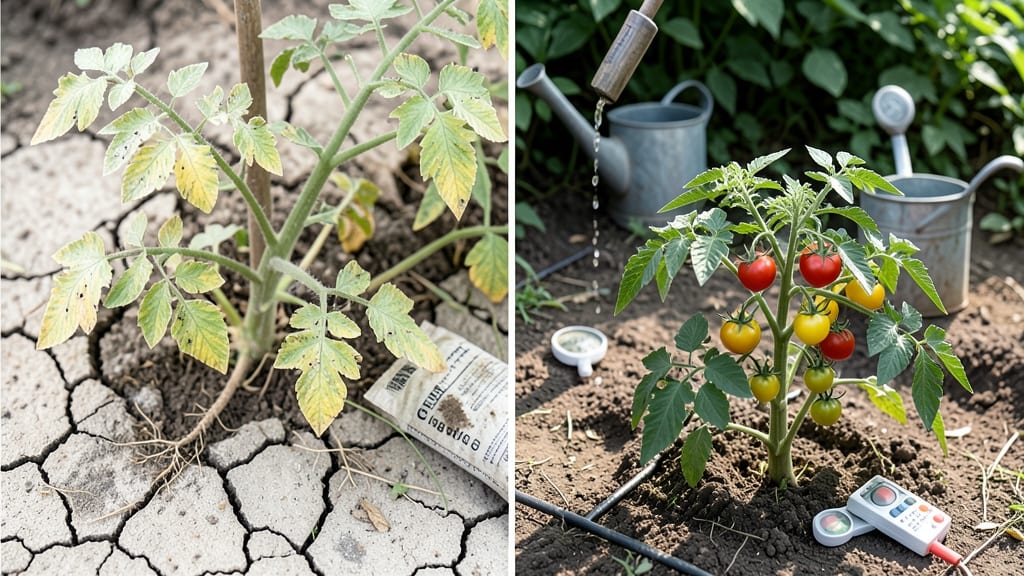
Your tomato plant isn’t growing because it’s silently screaming for help—usually from something simple like not enough sunlight or too much water. 🌱 I’ve nursed back more stunted tomato plants than I’d like to admit, and every time, it came down to one of five overlooked issues hiding in plain sight.
The first clue is often in the leaves: yellowing lower leaves mean overwatering, while crispy edges scream underwatering. Soil that stays soggy for days or feels like a sponge? That’s your answer.
Or maybe the problem is hidden—like compacted roots from a pot that’s been in place too long or nutrient starvation from soil that’s given everything but what tomatoes truly crave.
Here’s the good news: 90% of stunted tomato plants can bounce back with the right fix. We’ll start by checking what’s wrong—soil, water, light, or something sneaky like pests—and then tackle it step by step. No guesswork, just actionable moves that actually work.
Think of this as a tomato plant CPR guide—quick, direct, and designed to get your plant growing again fast. Let’s diagnose the issue and get those vines reaching for the sky within weeks.
Root Causes Of Stalled Growth
When your tomato plant refuses to grow, it’s often a cry for help from the roots—or something blocking its path. Understanding the science behind these issues can help you diagnose and fix the problem before it’s too late.
Let’s dig into the most common reasons your tomato plant might be hitting a growth wall.
Tomatoes are heavy feeders, and if your soil lacks the right nutrients, structure, or moisture, your plant will struggle to thrive. Here’s what’s likely going wrong:
- Nutrient Deficiencies Tomatoes need a balanced mix of nitrogen (N), phosphorus (P), and potassium (K) to grow strong.
A deficiency in any of these can stunt growth. - Nitrogen (N) deficiency (yellowing lower leaves) slows overall growth. - Phosphorus (P) deficiency (dark green leaves, weak roots) stunts root and flower development. - Potassium (K) deficiency (weak stems, yellowing leaf edges) weakens the plant’s ability to transport nutrients. - Action: Test your soil (DIY kits are affordable) and amend with compost, balanced fertilizer (10-10-10), or organic options like bone meal (for P) or greensand (for K).
- Compacted or Heavy Soil Clay-heavy or overly compacted soil restricts root expansion, limiting water and oxygen uptake. Roots suffocate, and growth stalls.
- Action: Mix in organic matter (compost, peat moss, or coconut coir) to improve aeration and drainage. Avoid walking on garden beds.
- Wrong pH Levels Tomatoes prefer a slightly acidic to neutral soil pH (6.0–6.8). If the pH is too high (>7.0) or too low (<5.5), nutrient uptake suffers.
- Action: Test your soil’s pH and adjust with lime (to raise pH) or sulfur/peat moss (to lower pH).
Tomatoes are sun-lovers, but too much (or too little) of the wrong conditions can shock them into a growth slump.
- Insufficient Sunlight Tomatoes need 6–8+ hours of direct sunlight daily. Less than 6 hours leads to etiolation—long, weak stems and pale leaves as the plant stretches toward light. - Action: Move potted plants to a sunnier spot or prune nearby shade-casting plants.
If gardening in shade, choose determinate varieties (bush tomatoes) that tolerate lower light better.
- Extreme Temperatures
- Cold stress (<50°F/10°C): Slows metabolic processes, stunting growth. Young plants may even stop growing entirely.
- Heat stress (>90°F/32°C): Causes physiological drought—even with water, roots can’t absorb moisture fast enough.
- Action: Use row covers for early-season protection or shade cloth (30–50%) in peak summer. Mulch with straw to regulate soil temperature.
- Wind or Physical Damage Strong winds or haphazard pruning can damage stems, disrupting auxin (a plant hormone that regulates growth). Weak stems may also struggle to support foliage.
- Action: Stake or cage plants early. Prune carefully (use clean, sharp shears) and avoid over-handling stems.
Water is the lifeblood of tomato plants, but too much or too little throws their growth off balance.
- Underwatering Tomatoes have deep taproots and need 1–2 inches of water per week (more in heat).
Underwatering causes: - Wilting (evening wilting is a red flag). - Blossom-end rot (calcium uptake fails due to uneven moisture). - Stunted roots that can’t support growth. - Action: Water deeply at the base (avoid wetting leaves to prevent disease). Use drip irrigation or soaker hoses for consistency.
- Overwatering Soggy soil drowns roots, cutting off oxygen and inviting root rot (fungal infections like Phytophthora). Symptoms include: - Yellowing leaves. - Black, mushy roots. - Slow or no growth despite wet soil. - Action: Ensure pots have drainage holes and garden beds have raised mounds.
Let the top 1–2 inches of soil dry out between waterings.
- Inconsistent Moisture Fluctuating water levels stress plants, causing transpiration imbalances (water loss > uptake). Roots become inefficient, and growth stalls.
- Action: Mulch with straw or wood chips to retain moisture and regulate temperature.
Hidden invaders can sap your tomato’s energy before you even notice. Common culprits include:
- Root-Knot Nematodes Microscopic worms that pierce roots, causing galls (lumpy growths) and reducing nutrient absorption. Infested plants may look healthy above ground but grow poorly.
- Action: Plant nematode-resistant varieties (e.g., ‘Mountain Merit’). Solarize soil in late summer or use marigolds as trap crops.
- Aphids, Whiteflies, or Spider Mites These sap-sucking pests weaken leaves, reducing photosynthesis and stunting growth. Look for: - Sticky residue (honeydew). - Yellowing or curled leaves. - Tiny insects on undersides of leaves. - Action: Spray with neem oil or introduce ladybugs.
Prune heavily infested leaves.
- Fungal Diseases (Early Blight, Fusarium Wilt) Fungi like Alternaria (early blight) or Fusarium clog plant tissues, disrupting nutrient flow. Symptoms:
- Brown spots on leaves (early blight).
- Wilting despite moist soil (Fusarium wilt).
- Action: Remove infected plants immediately. Use copper fungicide preventatively and avoid overhead watering.
Even if your soil and conditions are perfect, how you planted your tomato could be the issue.
- Damaged Roots During Transplanting Rough handling severs root hairs (tiny structures that absorb water/nutrients), delaying recovery. Roots may take 2–3 weeks to regrow.
- Action: Hardening off seedlings (acclimating them to outdoor conditions) and transplanting at the right time (after last frost) reduces shock. Keep soil moist post-transplant.
- Overcrowding Tomatoes need space (18–24 inches apart) to avoid competing for nutrients, sunlight, and air circulation. Crowded plants grow slowly and weakly.
- Action: Thin seedlings early or choose determinate varieties for smaller spaces.
- Improper Depth Planting Burying stems too deeply can strangle the plant by preventing new root growth from lower stems. Plant so 1/3 of the stem is above soil to encourage root development.
- Action: Use stakes or cages to support stems as they grow.
Revitalize Your Tomato Plant Now
If your tomato plant is struggling to grow, don’t panic—most issues have simple fixes! Below, we’ve mapped out practical solutions for the most common causes of stunted growth, along with prevention tips to keep your plant thriving.
Follow these steps to nurse your tomato plant back to health and set it up for a bountiful harvest. 🌱🍅
If your soil lacks essential nutrients or is too dense, your tomato plant will struggle to absorb what it needs. Yellowing leaves, weak stems, or slow growth are classic signs of nutrient issues.
How to Fix It:
✅ 🔥 Test Your Soil
- Grab a soil test kit (available at garden centers) or send a sample to your local cooperative extension service for a detailed analysis. This will tell you if your soil is deficient in nitrogen, phosphorus, potassium, or other micronutrients.
✅ 🍳 Amend the Soil - Mix in compost (1-2 inches) or well-rotted manure to improve soil structure and fertility. - For a quick boost, use a balanced fertilizer (like 10-10-10) at half-strength.
Apply it to the soil around the base of the plant, not the leaves, to avoid burning the roots.
✅ 👨🍳 Feed Regularly
- Tomatoes are heavy feeders! Every 2-3 weeks, apply a low-nitrogen, high-phosphorus fertilizer (like 5-10-10) to encourage root and fruit development.
- For organic options, try fish emulsion or bone meal.
💡 Prevention Tips:
- Rotate crops: Avoid planting tomatoes in the same spot year after year to prevent nutrient depletion.
- Mulch: Apply 2-3 inches of mulch (straw, grass clippings, or wood chips) to retain moisture and slowly release nutrients as it breaks down.
Too much or too little water can stress your tomato plant, leading to weak growth, wilting, or yellow leaves. Tomatoes need consistent moisture but hate soggy roots.
How to Fix It:
✅ 🌡️ Check Moisture Levels
- Stick your finger 1-2 inches into the soil. If it’s dry, it’s time to water. If it’s muddy, hold off and let it dry slightly.
✅ 🍎 Water Deeply and Infrequently
- Water early in the morning (6-8 AM) to reduce evaporation and fungal risks.
- Aim for 1-1.5 inches of water per week, delivered directly to the base of the plant (not the leaves).
- Use drip irrigation or a soaker hose to keep water at the roots.
✅ ⏰ Adjust Your Routine
- If your soil drains poorly, raise your plant in a container with well-draining mix (60% potting soil, 30% perlite, 10% compost).
- If underwatering is the issue, gradually increase watering while monitoring for signs of stress (wilting, crispy leaves).
💡 Prevention Tips:
- Improve drainage: Add sand or perlite to heavy clay soil to prevent waterlogging.
- Monitor weather: Adjust watering during heatwaves (more frequent, shallow watering) or rainy periods (reduce watering to avoid root rot).
Tomatoes are sun-worshippers and need 6-8 hours of direct sunlight daily. Without enough light, they’ll grow leggy, produce few flowers, or fail to set fruit.
How to Fix It:
✅ 🔥 Move Your Plant
- If growing in a garden, relocate the plant to a sunnier spot. If in a container, place it near a south-facing window or use a grow light (LED or fluorescent) for 12-14 hours/day.
✅ 🍳 Prune Strategically
- Trim overly long or shaded branches to encourage bushier growth toward the sun.
- Remove suckers (the small shoots between the stem and branches) to redirect energy to fruit production.
✅ 🌿 Use Reflective Surfaces
- Place white reflective mulch or mirrors around the plant to bounce extra light onto the leaves.
💡 Prevention Tips:
- Choose the right variety: If space is limited, opt for bush or dwarf tomatoes (like ‘Tiny Tim’ or ‘Patio Princess’).
- Plan ahead: When planting, select a permanent sunny location—tomatoes hate being moved once established.
Pests like aphids, whiteflies, or diseases such as blight or powdery mildew can sap your plant’s energy, stunting its growth. Look for chewed leaves, sticky residue, or unusual spots.
How to Fix It:
✅ 🔪 Identify the Problem
- Aphids/Whiteflies: Tiny insects clustering on leaves or stems.
- Blight: Dark, crinkled spots on leaves (common in humid weather).
- Root rot: Mushy stems or foul-smelling soil (from overwatering).
✅ 🍳 Treat Naturally
- Pests:
- Spray with neem oil (1 tsp per quart of water) or insecticidal soap.
- Introduce beneficial insects like ladybugs or lacewings.
- Diseases:
- Remove infected leaves immediately and dispose of them.
- Apply copper fungicide or baking soda spray (1 tbsp baking soda + 1 quart water + a drop of dish soap) for mildew.
✅ 🌿 Prevent Future Outbreaks
- Rotate crops to avoid soil-borne diseases.
- Space plants properly (18-24 inches apart) for airflow.
- Water at the base (not overhead) to keep foliage dry.
💡 Prevention Tips:
- Start with healthy plants: Buy disease-resistant varieties (look for labels like ‘VFN’ for resistance to verticillium, fusarium, and nematodes).
- Sterilize tools: Clean pruners with rubbing alcohol between plants to prevent spreading pathogens.
Tomatoes thrive in warm (70-85°F) but not scorching conditions. Extreme heat, cold snaps, or strong winds can shock the plant and halt growth.
How to Fix It:
✅ 🌿 Protect from Heat
- Use shade cloth (30-50% coverage) during peak afternoon sun (12-4 PM).
- Mulch heavily to keep roots cool.
✅ 🍎 Shield from Cold
- If frost is forecasted, cover plants with frost blankets or row covers.
- Move potted tomatoes indoors or to a sheltered spot if temperatures drop below 50°F.
✅ 🌬️ Reduce Wind Exposure
- Plant near a windbreak (fence, hedge, or tall plants like corn).
- Stake or cage tomatoes early to prevent wind damage.
💡 Prevention Tips:
- Time your planting: Start seeds indoors 6-8 weeks before the last frost, then transplant after soil warms to at least 60°F.
- Choose heat-tolerant varieties: Try ‘Solar Fire’, ‘Heatmaster’, or ‘Celebrity’ for hot climates.
With these fixes, your tomato plant should perk up in 1-2 weeks! Monitor progress and adjust as needed. Soon, you’ll be swimming in juicy, homegrown tomatoes—worth every effort. 🍅🎉
Frequently asked questions
Why are my tomato plant's leaves turning yellow first at the bottom?
This classic sign usually means overwatering or nitrogen deficiency. Check if the soil stays soggy for days—roots need air too! For nitrogen, add compost or a balanced fertilizer (10-10-10) and water only when the top 1-2 inches feel dry.
Can I fix my tomato plant if it's been underwatered for weeks?
Yes, but go slow! Water deeply at the base (not leaves) over 3-5 days to avoid shocking the roots. Add mulch (2-3 inches) to retain moisture. If the plant is severely wilted, trim any crispy leaves and give it 2-3 weeks to recover before expecting new growth.
How do I know if my tomato plant has root rot?
Look for yellowing leaves, mushy black roots, or a foul smell when you dig gently. If confirmed, stop watering immediately and repot in fresh, well-draining soil (60% potting mix + 30% perlite). Prune any blackened roots with clean shears before replanting.
Will Epsom salt really help my tomato plant grow?
Yes, but it's not a magic fix! Epsom salt (magnesium sulfate) helps with chlorophyll production and calcium uptake. Mix 1 tablespoon per gallon of water and apply monthly during growing season. For best results, pair it with proper watering and balanced fertilizer—it won't replace missing nutrients.
How much sunlight does my tomato plant really need?
Tomatoes crave 6-8+ hours of direct sunlight daily—no substitutes! If yours gets less, try grow lights (12-14 hours/day) or choose determinate varieties (like 'Patio Princess') that tolerate partial shade better. Move potted plants to sunnier spots immediately if growth stalls.