
Planting
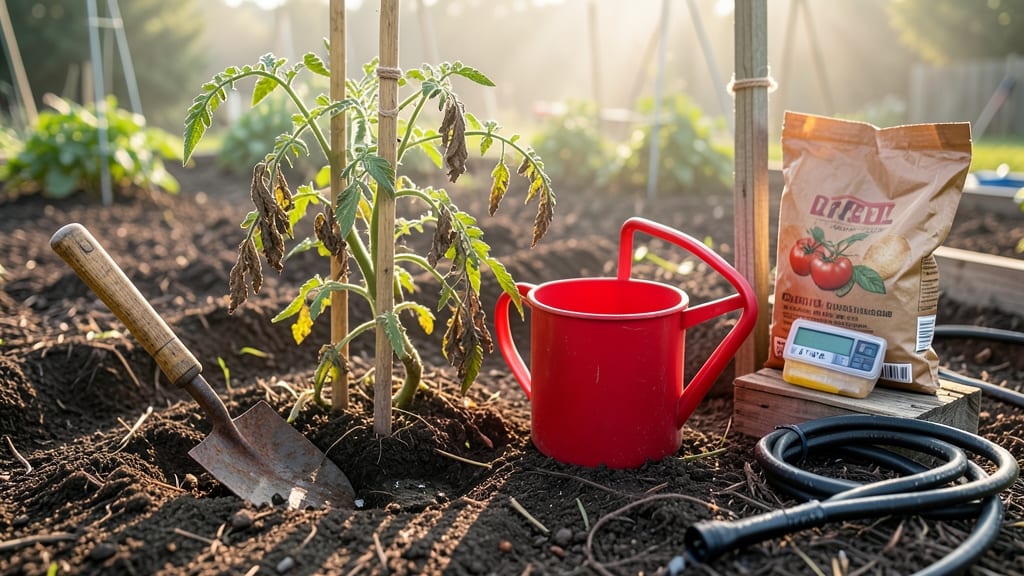
A wilty tomato plant doesn’t mean game over—it’s just your plant screaming for help. 🌱 I’ve nursed back more than a dozen floppy vines by following these three targeted fixes, and you can too.
The key is diagnosing the right problem first: is it thirsty, drowned, diseased, or just wilting from the heat? Start by checking the soil—stick your finger in 1-2 inches deep. If it’s bone dry, water deeply until it drains from the bottom.
If it’s soggy, hold off and improve drainage with perlite or sand. Yellow leaves? That’s often overwatering or nutrient burn. Brown edges? Heat stress or pests like aphids might be sucking the life out.
Once you’ve pinpointed the issue, the fix is straightforward: adjust watering, apply organic fertilizer, or spray neem oil for pests. Most plants perk up within 24-48 hours of the right care. The secret weapon? Consistency—tomatoes hate extremes, whether it’s too much or too little of anything.
Prevention is easier than revival: mulch heavily to retain moisture, prune for airflow, and watch for early signs like wilting in the afternoon heat. If the plant stays limp after a week of care, it might be too far gone—but don’t give up on the next one!
Root Causes Of Droopy Tomatoes
Understanding why your tomato plants are wilting starts with digging deeper—literally. Wilting isn’t just a sign of thirst; it’s often a cry for help from your plant’s roots, leaves, or even its internal systems.
Let’s break down the most common culprits, backed by science, so you can diagnose the issue and take action.
Tomatoes need moisture, but too much water can suffocate their roots. When soil stays soggy for too long, oxygen levels drop, and roots struggle to absorb nutrients.
This leads to anaerobic conditions, where beneficial microbes die off, and harmful bacteria or fungi (like Phytophthora or Pythium) take over, causing root rot.
Signs to watch for:
- Yellowing leaves (especially lower ones)
- Soil that smells sour or like wet socks
- Roots that appear mushy or black when inspected
Why it happens: Tomatoes thrive in well-draining soil with a pH between 6.0 and 6.8. If your garden bed or containers lack drainage holes, water pools at the roots, creating a toxic environment. Even heavy clay soils can trap excess moisture, making wilting worse.
Wilting can also signal acute dehydration, where the plant loses more water than it absorbs. This often happens during:
- Hot, dry spells (especially in full sun)
- Inconsistent watering (e.g., skipping midday watering)
- Small or shallow root systems (common in young plants or container-grown tomatoes)
The science behind it: Tomato plants lose water through transpiration (evaporation from leaves). When soil moisture drops below 30-40%, roots can’t keep up, and leaves wilt to reduce water loss. Prolonged stress weakens cell walls, leading to permanent damage.
Pro tip: 💡 Check soil moisture by sticking your finger 2 inches deep—if it’s dry, water deeply until it drains from the bottom.
Wilting can be a symptom of hidden hunger, where your plant lacks key nutrients like:
- Nitrogen (N): Leads to pale, yellow leaves (chlorosis) and weak stems.
- Potassium (K): Causes brown leaf edges and poor water regulation.
- Magnesium (Mg): Results in yellowing between leaf veins (interveinal chlorosis).
Why it happens: Tomatoes are heavy feeders, especially during fruiting. If your soil is depleted (e.g., no recent compost or fertilizer), the plant prioritizes survival over growth, leading to wilting. Over-fertilizing with too much nitrogen can also burn roots, while low phosphorus (P) stunts root development.
Quick fix: Test your soil and amend with a balanced fertilizer (e.g., 10-10-10) or organic matter like banana peels (high in potassium) or Epsom salt (for magnesium).
Underground threats like root-knot nematodes, cutworms, or fungal infections (e.g., verticillium wilt) can sever or decay roots, cutting off water supply. Even aphids or spider mites on leaves can drain sap, causing systemic stress.
Signs of pest/disease damage:
- Galling or knots on roots (nematodes)
- Holes in stems (cutworms)
- Vascular discoloration (fungal wilt—brown streaks in stems)
Why it happens: Weak plants (from stress or poor care) are easier targets. Verticillium wilt, for example, clogs a tomato’s xylem vessels, blocking water transport even if roots are in wet soil.
Action step: 🔥 Inspect roots when repotting or after wilting. Treat with neem oil (for pests) or fungicides (for diseases) if needed.
Extreme conditions—whether too hot, too cold, or even sudden temperature swings—can shock tomato plants.
For example: - Heatwaves above 90°F (32°C): Stomata (leaf pores) close to conserve water, but the plant can’t cool itself, leading to heat stress. - Cold snaps or frost: Damages cell membranes, causing osmotic imbalance (cells lose water rapidly). - High winds: Increases transpiration rates, drying out leaves faster than roots can replenish water.
Why it happens: Tomatoes are tropical plants adapted to warm climates. When stressed, they trigger abscisic acid (ABA), a hormone that signals wilting to protect the plant. Prolonged exposure can lead to sun scald or cold damage, making recovery difficult.
Solution: Provide shade cloth in extreme heat or row covers for frost protection. Mulch with straw to regulate soil temperature.
Revive Your Dying Tomatoes Now
A wilty tomato plant doesn’t mean the end of your harvest—it’s often a sign that your plants just need a little TLC. Whether your tomatoes are drooping from heat stress, thirst, or disease, these practical fixes will help them bounce back strong.
Below, we’ve broken down the most common causes and step-by-step solutions to get your plants thriving again. Plus, we’ll share prevention tips to keep future wilting at bay.
Signs: Dry, crispy leaves (underwatering) or yellowing, mushy stems (overwatering).
🔥 Step 1: Check the Soil Moisture
Before watering, stick your finger 1–2 inches deep into the soil. If it feels dry, it’s time to water. If it’s soggy, hold off and let it dry out slightly.
🍳 Step 2: Water Deeply (Not Just the Surface)
- For underwatering: Water slowly and deeply at the base of the plant (not the leaves) until the soil is moist 6–8 inches down.
Use a soaker hose or drip irrigation for even distribution. - For overwatering: Stop watering immediately. Move the plant to a shadier spot and let the soil dry out completely before watering again.
👨🍳 Step 3: Improve Drainage
If your pots or garden bed retain too much water:
- Add perlite or sand to clay-heavy soil.
- Elevate pots with feet or bricks to prevent water pooling.
- Use well-draining potting mix (avoid cheap, dense soil).
💡 Pro Tip: Mulch around your tomato plants with straw or wood chips to retain moisture and regulate soil temperature.
Signs: Leaves curling, wilting in the afternoon heat, or a sunburned appearance.
🔥 Step 1: Provide Shade During Peak Heat
- Use shade cloth (30–50%) or a lightweight row cover to block harsh midday sun.
- If growing in containers, move pots to a shadier spot for a few hours.
🥘 Step 2: Water Early in the Morning
- Water before 10 AM to give roots time to absorb moisture before the heat kicks in.
- Avoid evening watering—wet foliage at night can lead to fungal diseases.
⏰ Step 3: Adjust Watering Frequency
- In extreme heat, water every 1–2 days (check soil moisture daily).
- Use ice cubes (yes, really!) around the base of young plants for a slow, cool drink.
💡 Pro Tip: Mulch heavily to keep roots cool and reduce evaporation.
Signs: Yellowing leaves, dark spots, soft stems, or sudden collapse.
🔥 Step 1: Identify the Problem
Common culprits:
- Fusarium or Verticillium wilt (fungal, no cure—remove infected plants).
- Early blight or late blight (fungal, treatable).
- Bacterial wilt (no cure—destroy affected plants).
🍳 Step 2: Prune & Remove Affected Parts
- Cut off yellow or spotted leaves with sterilized pruners (wipe with rubbing alcohol).
- Do not compost infected plant debris—throw it away to prevent spread.
👨🍳 Step 3: Apply Fungicides (If Needed)
For early/late blight:
- Spray with copper fungicide or neem oil every 7–10 days.
- For prevention, rotate crops (don’t plant tomatoes in the same spot yearly).
💡 Pro Tip: Water at the base (not overhead) to keep leaves dry and reduce fungal growth.
Signs: Slow growth, pale leaves, or wilting despite proper watering.
🔥 Step 1: Test Your Soil
- Use a DIY soil test kit or send a sample to your local Cooperative Extension Service.
- Tomatoes need balanced nutrients: N-P-K (5-10-10 or 10-10-10).
🍳 Step 2: Feed Your Plants
- For young plants: Use a starter fertilizer (high in phosphorus).
- For flowering/fruiting: Switch to a tomato-specific fertilizer (high in potassium).
- Organic option: Mix in compost or worm castings for a slow-release boost.
👨🍳 Step 3: Improve Soil Structure
- Amend heavy clay soil with compost or coconut coir.
- For sandy soil, add peat moss or aged manure to retain moisture.
💡 Pro Tip: Side-dress with fertilizer mid-season—sprinkle granules 2 inches from the stem and lightly cover with soil.
Once your tomatoes perk up, keep them healthy long-term with these habits: ✅ Water consistently—stick to a schedule (early morning is best). ✅ Mulch generously to lock in moisture and cool roots. ✅ Prune regularly to improve airflow and reduce disease risk. ✅ Rotate crops—don’t plant tomatoes in the same spot every year. ✅ Monitor for pests (aphids, spider mites) that stress plants.
🎯 Final Thought: A wilty tomato plant is often a quick fix away from a bountiful harvest. Act fast, adjust your care routine, and soon you’ll be enjoying juicy, homegrown tomatoes instead of drooping disappointment! 🍅🌿
Frequently asked questions
Why do my tomato leaves wilt in the afternoon but recover at night?
This classic pattern usually signals heat stress or transpiration overload. During hot afternoons, your tomato’s stomata (leaf pores) close to conserve water, causing wilting. The plant recovers overnight when temperatures drop and humidity rises. Solution: Provide afternoon shade with 30% shade cloth or water deeply in the early morning to give roots time to absorb moisture before the heat peaks.
Can I save a tomato plant that's completely limp and mushy at the stem?
If the stem feels soft or hollow when squeezed, it’s likely suffering from root rot or bacterial wilt—both are usually fatal. However, if only the leaves are wilted but the stem is firm, try pruning all leaves, moving to shade, and watering only at the base. Monitor for 24 hours—if no improvement, the plant may be beyond saving. Prevention is key: always use well-draining soil and avoid overhead watering.
How often should I water tomato plants to prevent wilting?
Tomatoes need 1–2 inches of water per week, but consistency matters more than frequency. Water deeply 2–3 times per week (early morning) rather than light daily sprinkles. Check soil moisture by sticking your finger 2 inches deep—if dry, water until it drains from the bottom. Container-grown tomatoes may need daily watering in extreme heat, while in-ground plants can handle slightly longer dry spells with proper mulching.
Are wilting tomato plants contagious to other garden plants?
Only if the wilting is caused by fungal diseases (like early blight) or bacterial wilt. These pathogens spread through soil, water, or tools. To prevent contamination: sterilize pruners with rubbing alcohol, remove infected plants immediately, and avoid composting diseased foliage. Healthy plants nearby won’t catch wilting from simple dehydration or nutrient issues, but fungal spores can linger in soil for years—rotate crops annually.
What's the fastest way to revive a wilty tomato plant?
For immediate relief, trim 1/3 of the leaves to reduce water loss, then give the plant a deep soak with water mixed with 1 tablespoon of Epsom salt per gallon (for magnesium). Place it in bright, indirect light (avoid harsh sun) and mist the remaining leaves lightly. Most plants show improvement within 6–12 hours if the issue is water-related. For nutrient deficiencies, a quick foliar spray with seaweed extract can help.