
Plants
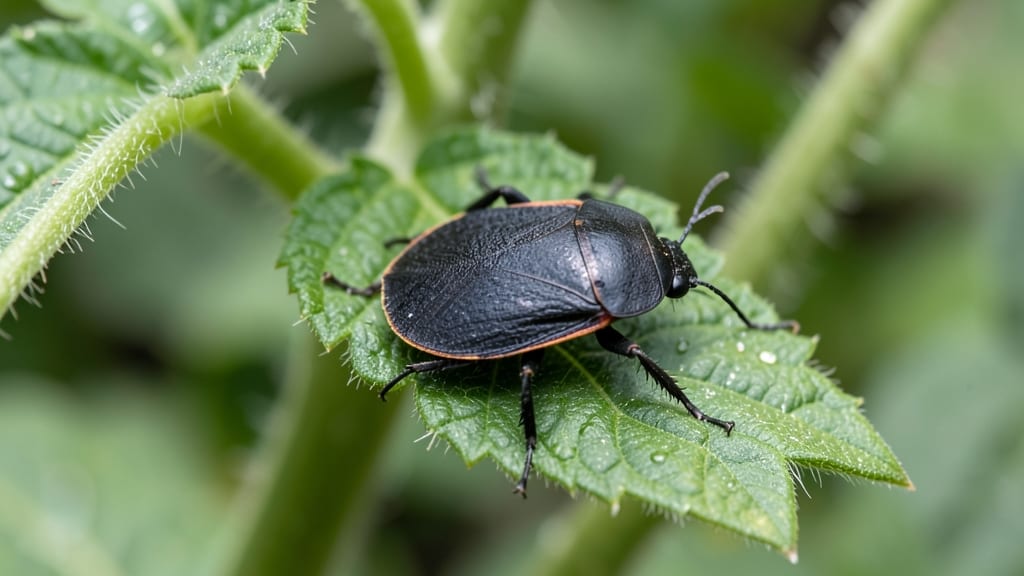
Those tiny winged black bugs on the tomato plants chewing your leaves? They’re likely stink bugs or hornworms—and they’re about to become history. 🌱 I’ve battled them for years, and neem oil isn’t just a cure—it’s a 24-hour game-changer that stops the damage without harming your plants (or you).
The worst part isn’t just the holes in leaves—it’s how fast they multiply. One stink bug can turn into dozens overnight, and hornworms? They’ll skeletonize your plants in days. But here’s the secret: neem oil disrupts their life cycle while being safe for bees and beneficial insects.
By morning, you’ll see fewer bugs, and within a week, your tomatoes will rebound with new growth and fewer scars. The key is timing—apply it at dusk when bugs are active but before they fly away.
Works for container gardens, raised beds, and in-ground plots alike. Let’s get those plants back on track before the bugs win again.
Root Causes of Black Bug Infestations
When you spot winged black bugs feasting on your tomato plants, it’s usually a sign of an underlying issue—whether environmental, biological, or even human-related. Understanding these triggers helps you address the problem at its source, not just the symptoms. Here’s why these pests show up uninvited:
Tomato plants under stress—whether from disease, nutrient deficiencies, or physical damage—emit volatile organic compounds (VOCs) that act like a dinner bell for pests. Winged black bugs, often aphids or stink bugs, are drawn to:
- Poor air circulation: Dense foliage or overwatering creates humid microclimates, perfect for soft-bodied insects like aphids.
- Nutrient imbalances: Too much nitrogen (lush green growth) or deficiencies (yellowing leaves) weaken plants, making them easier targets.
- Root damage: Compacted soil or root-knot nematodes stress plants, triggering chemical signals that attract predators.
Actionable fix: Prune plants for airflow, test soil pH (aim for 6.0–6.8), and fertilize with balanced NPK (e.g., 10-10-10) to restore vigor.
Winged black bugs aren’t always the primary invaders—they’re often secondary pests that move in after another infestation. For example:
- Aphids (tiny, wingless or winged) excrete honeydew, which attracts sooty mold—a black fungal film that masks the real problem.
- Stink bugs (shield-shaped, winged) pierce fruit to feed, but they’re lured by plants already compromised by whiteflies or caterpillars.
- Assassin bugs (winged, black with red markings) hunt aphids but may overstay if their prey is abundant.
Actionable fix: Identify the initial pest (e.g., check undersides of leaves for whiteflies). Use yellow sticky traps to monitor populations and disrupt their lifecycle.
Many winged black bugs, like lacewings or damselflies, are beneficial insects that migrate to gardens in spring/summer to feed on pests. However, their presence can spike when:
- Weather shifts: Warm nights and cool days trigger aphid reproduction, prompting winged predators to arrive en masse.
- Monoculture planting: Large tomato patches act like a buffet, concentrating bugs in one area.
- Lack of diversity: Gardens with only tomatoes offer no alternative food sources, so bugs stay longer.
Actionable fix: Plant companion crops (e.g., basil, marigolds, or dill) to disrupt pest patterns. Use row covers early in the season to delay infestations.
Even well-meaning gardening habits can attract winged pests:
- Overhead watering: Wet foliage creates breeding grounds for aphids, which then attract winged predators.
- Organic matter buildup: Leaving fallen fruit or plant debris near tomato plants provides shelter for stink bugs.
- Chemical overuse: Broad-spectrum pesticides kill natural predators (like ladybugs), creating a vacuum that bugs rush to fill.
Actionable fix: Water at the base of plants, clear debris weekly, and rotate organic sprays (e.g., neem oil + insecticidal soap) to avoid resistance.
Pro tip: 🔍 Inspect plants daily—early detection of egg clusters or chewed leaves lets you act before winged bugs arrive. A handheld magnifying glass reveals hidden clues (e.g., aphid mummies from ladybug predation).
Quick Fixes for Winged Pests
If you’ve spotted winged black bugs feasting on your tomato plants, don’t panic—there are effective, natural ways to reclaim your garden. The key is acting fast and targeting the root cause (whether it’s aphids, stink bugs, or other invaders).
Below are practical solutions tailored to the most common culprits, plus prevention tips to keep your tomato plants thriving.
Before treating, confirm who’s attacking your plants. Common winged black bugs include:
- Aphids (tiny, soft-bodied, often clustered)
- Stink bugs (shield-shaped, emit a foul odor when crushed)
- Flea beetles (tiny, jumpy, leave shot-hole damage)
- Whiteflies (small, moth-like, flutter when disturbed)
Pro tip: 🔍 Use a magnifying glass or take a close-up photo to compare with online guides.
1. Neem Oil Spray (Best for Aphids & Soft-Bodied Bugs)
Neem oil disrupts pests’ life cycles and repels them within 24 hours. Here’s how to use it:
- 👨🍳 Mix: 1 tbsp neem oil + 1 tsp mild dish soap + 1 quart water
- 🥘 Shake well and spray undersides of leaves (where bugs hide) in the early morning or evening (avoid direct sun).
- ⏰ Reapply every 5–7 days until pests vanish.
Pro tip: 🌡️ Test on a small leaf first—neem can burn sensitive plants in hot weather.
2. Soap Spray (Fast-Kill for Clustered Pests)
A homemade soap spray suffocates aphids and whiteflies on contact.
- 🔥 Mix: 1 tbsp mild liquid castile soap + 1 quart water
- 👨🍳 Spray directly on bugs (avoid blooms to protect pollinators).
- 🔪 Repeat daily until pests are gone.
Pro tip: ✨ Use potassium soap (like Dr. Bronner’s) for better results.
3. Diatomaceous Earth (DE) (For Crawling Pests)
Food-grade DE is a powdery, non-toxic barrier that dehydrates bugs like flea beetles and stink bugs.
- 🔪 Apply: Lightly dust dry soil around plants and leaf surfaces.
- 🌧️ Reapply after rain or watering (it loses effectiveness when wet).
- ⚠️ Wear a mask—it’s abrasive to lungs.
Pro tip: 💡 Mix DE with kaolin clay for extra pest repellency.
4. Yellow Sticky Traps (For Flying Pests)
Whiteflies and aphids are attracted to yellow. Hang traps near plants to catch them mid-flight.
- 🎯 Place traps 1–2 feet above plants.
- 🔄 Check daily and replace when saturated.
- 🌿 Combine with other methods for best results.
Stop pests before they start with these garden habits:
- 🌱 Rotate crops—don’t plant tomatoes in the same spot yearly.
- 🌿 Encourage beneficial insects like ladybugs, lacewings, and parasitic wasps (plant dill, fennel, or marigolds nearby).
- 💦 Water at the base—wet leaves attract pests. Use drip irrigation.
- 🌡️ Mulch heavily to deter flying insects from landing.
- 🍅 Prune regularly to improve airflow (pests love dense, shaded foliage).
Pro tip: 🎯 Interplant tomatoes with basil or garlic—their strong scents repel many pests naturally.
With these targeted fixes, your tomato plants will bounce back in no time. Act fast, stay consistent, and soon you’ll be harvesting juicy, pest-free tomatoes!
Frequently asked questions
Are winged black bugs on tomato plants always harmful?
Not all winged black bugs are pests! Some, like lacewings or assassin bugs, are beneficial predators that hunt aphids and other garden pests. Look for red markings or delicate wings—those are your allies. The harmful ones (like stink bugs) leave chewed leaves or foul odors when crushed.
How do I tell if it’s stink bugs or hornworms causing the damage?
Stink bugs are shield-shaped with wings folded flat, while hornworms are green caterpillars with white stripes and no wings. Stink bugs pierce fruit, leaving small dimples, while hornworms skeletonize leaves (eat everything but veins). Check for droppings too—hornworms leave green, watery frass.
Will neem oil work if I’ve already seen fruit damage?
Neem oil helps prevent new infestations and stops eggs from hatching, but it won’t reverse existing fruit damage. For damaged fruit, remove it immediately to prevent further spread. Focus on protecting new growth with neem sprays every 5–7 days at dusk.
Can I use chemical pesticides safely around tomato plants?
Chemical pesticides can harm beneficial insects and leave residues on edible fruit. Organic alternatives like neem oil or insecticidal soap are safer and just as effective. If you must use chemicals, opt for pyrethrin-based sprays (derived from chrysanthemums) and apply only when tomatoes aren’t producing fruit.
How long until my tomato plants recover after treating pests?
With consistent treatment, you’ll see improvement within 3–5 days, but full recovery takes 2–4 weeks as new leaves grow. Prune damaged foliage to redirect energy to healthy growth. For severe infestations, consider row covers to protect young plants while they recover.