
Flowers
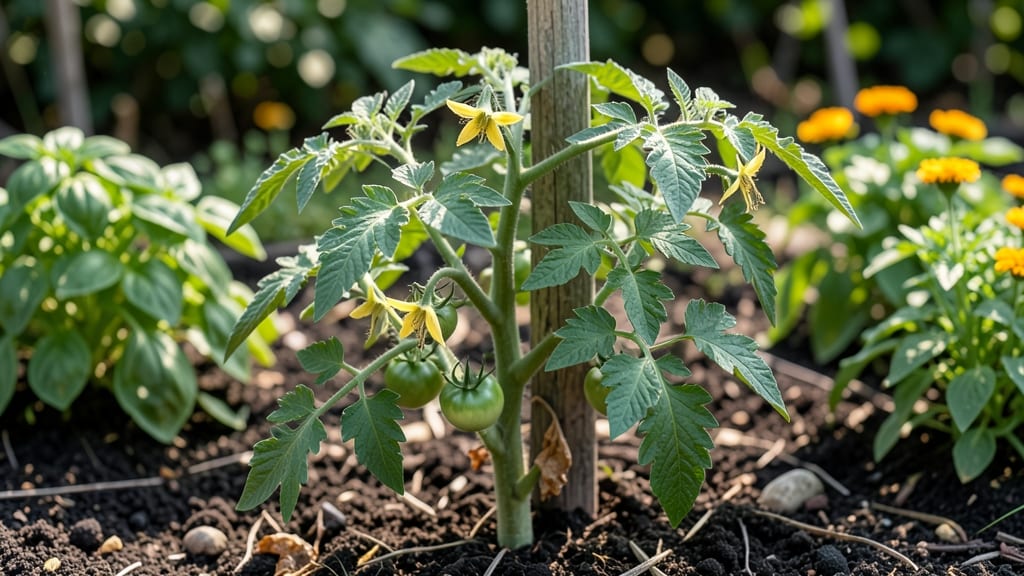
Those tiny yellow blooms on your tomato plants aren't just pretty—they're the first sign your harvest is on the way. 🌱 I used to panic when I saw them, thinking something was wrong, but they're actually a good thing.
The real questions are: Are they healthy? And how can you make sure they turn into plenty of tomatoes?
Yellow blooms mean your plant is shifting energy from leaves to fruit. But if they look weak or drop off, it could signal stress—whether from too much heat, not enough water, or nutrient gaps like nitrogen or calcium.
Most gardeners fix this by adjusting watering, adding compost, or using a balanced fertilizer. The key is consistency: tomatoes thrive with steady moisture and regular feeding.
With the right care, those blooms will develop into vibrant green tomatoes in just 4-6 weeks. You'll know you're on track when the flowers fade and small fruit starts forming. The best part? Healthy blooms mean a stronger plant that keeps producing all season long.
For stubborn problems like blossom end rot or viral infections, don't wait—act fast with targeted solutions. And if your plants look truly sick, it's time to call in a local extension service. Most issues, though, respond quickly to basic care adjustments.
Root Causes of Yellowing Blooms
When your tomato plants start showing yellow blooms, it’s often a sign that something’s shifting beneath the surface—literally. These changes aren’t just random; they’re your plants’ way of communicating stress, nutrient shifts, or even excitement about fruit development.
Let’s break down the science behind why this happens, so you can diagnose the issue and take action before it affects your harvest.
Tomatoes are tropical plants at heart, and they hate extreme heat or sudden temperature drops. When daytime temps climb above 90°F (32°C) or nights dip below 55°F (13°C), your plant’s energy shifts from flower production to survival mode. Here’s what’s happening:
- Enzyme disruption: High heat deactivates key enzymes (like those in the ethylene pathway) that trigger fruit set, causing blooms to yellow and drop instead of developing.
- Pollination failure: Bees and other pollinators become sluggish in heat, reducing fertilization rates. Yellowing blooms may indicate unpollinated flowers.
- Root stress: Soil heats up faster than air, shocking roots and cutting off nutrient flow to blooms.
💡 Pro Tip: Use shade cloth (30–50% coverage) during peak afternoon sun or mulch heavily to keep soil cool. For nighttime chills, row covers or cold frames can help.
Water is the lifeblood of tomato blooms, and inconsistency can turn them yellow faster than you can say “blight.” Here’s how it plays out:
- Underwatering: When soil dries out, roots struggle to deliver calcium and boron—critical for cell wall stability in blooms. Without these minerals, petals yellow and wither.
- Overwatering: Soggy soil suffocates roots, starving them of oxygen. This triggers anaerobic stress, where roots release ethylene gas, accelerating bloom senescence (aging).
- Inconsistent moisture: Fluctuating water levels confuse the plant, causing blooms to abort mid-development.
🔥 Action Step: Aim for 1–1.5 inches of water per week (including rainfall), delivered at the base of the plant (not the leaves) in the morning. Use drip irrigation or soaker hoses to avoid wetting foliage.
Tomato blooms are nutrient hogs, and if your plant isn’t getting the right balance, they’ll yellow as a warning sign. Here’s what’s missing (or overloading) the system:
| Nutrient | Symptom in Blooms | Cause |
|---|---|---|
| Calcium | Yellowing at petal edges, followed by blossom-end rot in fruit. | Poor soil drainage or uneven watering (calcium leaches out). |
| Boron | Brown/yellow streaks on petals; blooms drop prematurely. | Sandy or acidic soils (pH < 6.0). |
| Phosphorus | Dark green leaves but stunted, yellowing blooms. | Over-fertilizing with nitrogen (e.g., too much manure). |
| Potassium | Yellowing between leaf veins; weak stems. | Leaching from heavy rain or poor organic matter. |
✨ Fix It: Test your soil (pH should be 6.0–6.8) and amend with:
- Crushed eggshells (calcium) mixed into soil.
- Borax (1 tsp per gallon of water, applied as a foliar spray).
- Bone meal (phosphorus) or greensand (potassium) at planting.
Not all yellow blooms are due to environmental factors—sometimes, tiny (or not-so-tiny) invaders are to blame. Here’s what’s likely lurking:
- Spider mites: These sap-suckers cause stippling (tiny yellow dots) on petals, weakening the bloom’s ability to photosynthesize.
- Whiteflies: Their honeydew secretions lead to sooty mold, a black fungus that smothers yellowing blooms.
- Fungal infections (e.g., early blight): Yellowing blooms with target-like brown spots signal Alternaria solani, which thrives in humid conditions.
- Herbicide drift: If nearby lawns were treated, blooms may yellow from growth regulator disruption.
👨🍳 Emergency Treatment:
- Spray blooms with neem oil (1 tsp per quart of water) for mites/whiteflies.
- Remove and destroy infected blooms/fruit to prevent spread.
- Apply copper fungicide if spots are present.
Not all yellow blooms are bad—sometimes, they’re just getting ready! When a tomato bloom is pollinated, the ovary (future fruit) starts producing auxin and ethylene hormones, which cause the petals to yellow and drop. This is normal and happens within 24–48 hours of fertilization.
🎯 How to Tell the Difference:
- Good yellowing: Petals turn uniformly yellow/green, then fall cleanly. The ovary swells slightly.
- Bad yellowing: Petals brown, curl, or drop unevenly. No ovary swelling; often accompanied by wilting or spots.
Quick Fixes for Tomato Plant Struggles
Yellow blooms on your tomato plants might seem like a sign of trouble, but they’re actually a natural—and exciting—part of the fruiting process! 🌱🍅 However, if the blooms are dropping or the leaves are turning yellow prematurely, it’s time to take action.
Below are practical, step-by-step solutions tailored to the most common causes, along with prevention tips to keep your plants thriving.
If your tomato blooms are yellowing or falling off due to heat stress or poor pollination, here’s how to revive them:
🔥 Adjust Growing Conditions
- Move plants to partial shade if temperatures exceed 90°F (32°C). Use shade cloth (30-50%) to protect them from scorching sun.
- Water deeply in the morning to keep soil cool and roots hydrated.
Avoid wetting leaves to prevent fungal diseases. - Use a fan on low near the plants to improve air circulation and mimic wind, which helps pollination.
🐝 Boost Pollination Naturally
- Gently shake plants in the morning (when humidity is lower) to help pollen transfer.
- Hand-pollinate by dabbing a paintbrush or cotton swab on each flower’s center to spread pollen.
- Attract pollinators by planting nearby flowers like marigolds, basil, or borage.
💡 Pro Tip: If your tomatoes are bush varieties, they’re less prone to heat stress than indeterminate types. Consider growing heat-tolerant varieties like ‘Heatmaster’ or ‘Solar Fire’ next season.
Yellowing leaves and weak blooms can signal root stress from soggy soil. Here’s how to correct it:
👨🍳 Check & Improve Soil Drainage
- Test your soil: Stick a finger 2 inches deep—if it’s damp after 24 hours, you’re overwatering.
- Amend heavy clay soil with compost, perlite, or coconut coir to improve aeration.
- Repot if needed: If your plants are in containers, ensure pots have drainage holes and use a well-draining potting mix (like 60% potting soil + 30% perlite + 10% compost).
⏰ Adjust Your Watering Routine
- Water only when the top inch of soil is dry (check with your finger).
- Use drip irrigation or soaker hoses to deliver water directly to the roots, avoiding leaf wetness.
- Mulch around the base with straw or shredded leaves to retain moisture and regulate soil temperature.
🎯 Prevention Tip: If your garden has poor drainage, raise beds or plant tomatoes in mounds to prevent waterlogging.
Yellow blooms paired with purple stems or weak growth? Your plants might be hungry or burned from too many fertilizers.
📊 Diagnose & Balance Nutrients
| Symptom | Likely Cause | Solution |
|---|---|---|
| Yellow leaves (lower) | Nitrogen deficiency | Feed with balanced fertilizer (10-10-10) or compost tea. |
| Yellow edges on leaves | Over-fertilization | Flush soil with water to remove excess salts. |
| Small, weak blooms | Phosphorus deficiency | Use a phosphorus-rich fertilizer (like bone meal) or fish emulsion. |
| Leaf curl & yellowing | Potassium deficiency | Apply potassium sulfate or wood ash. |
🥗 Feed Smartly
- Switch to organic fertilizers like worm castings, fish emulsion, or banana peels (for potassium).
- Avoid synthetic fertilizers if your plants show signs of burn (crispy leaf edges).
- Side-dress plants with compost every 4-6 weeks for a slow-release nutrient boost.
✨ Bonus Tip: Epsom salt (magnesium sulfate) can help if leaves are yellowing between veins—dissolve 1 tbsp per gallon of water and spray foliage monthly.
If yellowing blooms are accompanied by spots, holes, or sticky residue, pests or diseases may be the culprit.
🔪 Treat Common Problems
- Aphids/Whiteflies: Spray with neem oil (1 tsp per liter of water) or introduce ladybugs.
- Fungal issues (early blight): Remove affected leaves and spray copper fungicide or baking soda mix (1 tbsp baking soda + 1 quart water + a drop of dish soap).
- Tomato hornworms: Handpick at night (they’re most active then!) or use BT (Bacillus thuringiensis) spray.
🌡️ Prevent Future Outbreaks
- Rotate crops—don’t plant tomatoes in the same spot yearly.
- Space plants properly (18-24 inches apart) for airflow.
- Water at the base (avoid overhead watering) to keep leaves dry.
To keep your tomato plants blooming and fruiting strong: ✅ Start with healthy seedlings—choose disease-resistant varieties like ‘Celebrity’ or ‘Better Boy.’ ✅ Monitor soil pH (ideal: 6.0-6.8)—test with a kit and amend with lime (to raise pH) or sulfur (to lower it). ✅ Prune strategically—remove suckers to improve airflow and direct energy to fruit production. ✅ Harvest regularly—pick ripe tomatoes promptly to encourage more blooming.
Final Thought: Yellow blooms aren’t always a red flag—they’re often a sign of progress! By addressing the root cause (literally and figuratively), you’ll be well on your way to a bountiful tomato harvest. 🍅🌟
Frequently asked questions
Are yellow blooms on tomato plants always a bad sign?
Not at all! Yellowing blooms are actually a normal part of the fruiting process when they're healthy. After successful pollination, the petals naturally turn yellow and drop within 24-48 hours as the ovary develops into fruit. Only worry if the blooms appear brown, curled, or drop without swelling.
What's the difference between normal yellow blooms and heat stress?
Normal yellowing happens uniformly and cleanly, while heat-stressed blooms often appear brownish-yellow or crispy at the edges. If your blooms are dropping without swelling and your plant looks wilted, temperatures above 90°F (32°C) are likely the culprit. Try providing afternoon shade or mulching heavily to keep roots cool.
Can I save my tomato plant if all the blooms are yellow and falling?
It depends! If the yellowing is from heat stress or poor pollination, your plant may still produce fruit from existing swellings. Try hand-pollinating remaining flowers and providing shade. However, if the issue is nutrient deficiency (like calcium or boron) or disease, you may need to prune affected areas and fertilize immediately.
How can I tell if my tomato blooms aren't getting enough calcium?
Look for yellowing at the petal edges combined with blossom-end rot on developing fruit (dark sunken spots at the blossom end). This happens when calcium can't reach the blooms due to uneven watering or poor soil drainage. Fix it by adding crushed eggshells to the soil and maintaining consistent moisture.
Will yellow blooms still produce tomatoes if they drop?
Only if pollination already occurred before they dropped! If the ovary (the swollen part at the base) is visible, fruit will develop. However, if no ovary formed, those blooms won't produce tomatoes. Focus on protecting remaining healthy blooms by ensuring proper pollination (hand-shaking plants or attracting bees) and stable growing conditions.