
How To
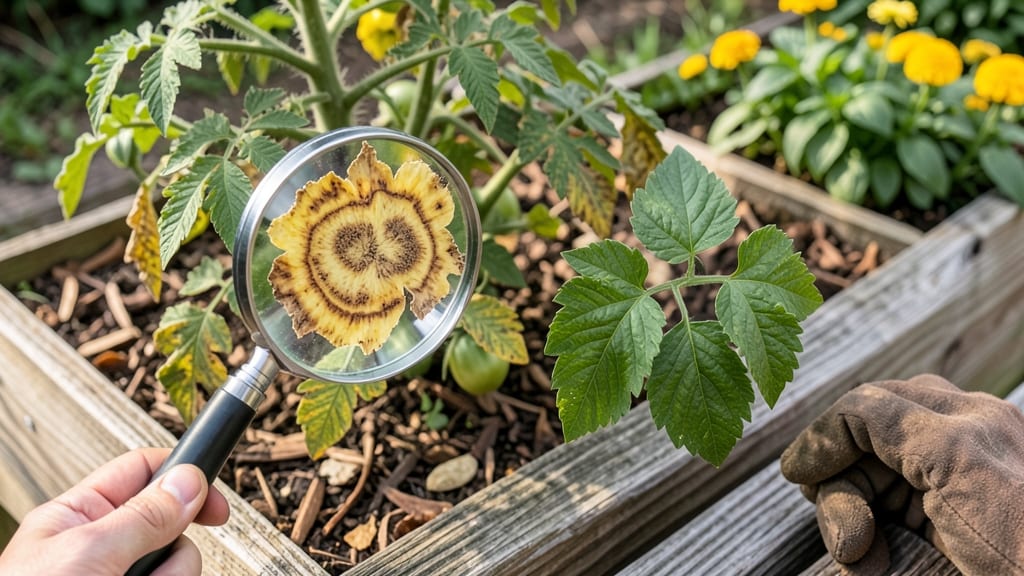
Yellow spotted tomato leaves mean your plants are sending an SOS—here’s how to decode it. 🌱 I’ve seen this problem turn struggling plants into thriving vines in just 3 weeks with the right approach, whether it’s fungal spots, pests, or hidden nutrient issues.
The first step is identifying the culprit: early blight shows concentric rings, spider mites leave tiny webs, and nutrient deficiencies create pale patches between veins. Grab a magnifying glass and check the undersides of leaves—those clues tell you exactly what to treat.
Once you know the cause, targeted fixes work fast. For fungal issues, a copper fungicide spray stops the spread, while spider mites respond to a strong spray of water and neem oil. Nutrient deficiencies? A balanced fertilizer brings back that rich green color in 7-10 days.
Prevention is even easier: rotate crops, space plants for airflow, and keep an eye out for early signs. When in doubt, snap a photo and ask your local extension office—they’re the plant pathologists in your pocket.
Root Causes Behind Leaf Spots
When your tomato plants develop yellow spots on leaves, it’s rarely just one issue at play. Instead, a mix of environmental stressors, pests, and diseases usually team up to create this unsightly pattern. Understanding the why behind the symptoms is the first step to saving your plants—and your harvest.
Below, we break down the most common culprits, complete with science-backed explanations and actionable clues to help you diagnose the problem accurately.
Yellowing leaves with spotted or mushy patches often signal waterlogged roots. When soil stays soggy for too long, oxygen can’t reach the roots, leading to anaerobic conditions—a suffocating environment for your plant. This triggers:
- Fungal infections like Phytophthora or Pythium, which thrive in wet, oxygen-deprived soil and cause brown, water-soaked spots that turn yellow as the leaf dies.
- Nutrient deficiencies, especially iron chlorosis (yellowing between veins) when roots can’t absorb nutrients efficiently.
- Root rot, where roots decay, cutting off water and nutrient flow to the leaves.
🔍 How to spot it: Check the soil—if it’s damp more than 2 inches down or has a musty smell, drainage is likely the issue. Leaves may also curl or wilt before spotting appears.
Tomatoes love sunlight, but intense midday rays (especially in hot climates) can scorch leaves, leading to yellow or white spots with crispy edges. This happens because:
- Excessive transpiration causes water loss faster than roots can replace it, leading to oxidative damage in leaf cells.
- UV radiation breaks down chlorophyll, the pigment responsible for green color, leaving bleached or yellow patches.
- Heat stress disrupts photosynthesis, causing interveinal chlorosis (yellowing between veins).
🔍 How to spot it: Spots often appear on upper leaves exposed to direct sun and may have a papery or brittle texture. Young leaves are more vulnerable.
Pests like aphids, spider mites, or whiteflies don’t just nibble—they inject toxins and disrupt plant physiology, leading to yellow spots. Here’s how:
- Aphids and whiteflies feed on sap, injecting saliva that contains toxic enzymes, causing yellow, puckered spots and stunted growth.
- Spider mites puncture cells to suck out fluids, leaving tiny yellow stipples (like freckles) that spread rapidly in dry, hot conditions.
- Fungal or bacterial infections (like Alternaria or Xanthomonas) often hitchhike on pest damage, worsening spotting.
🔍 How to spot it: Look for sticky residue (honeydew), fine webbing, or tiny insects on leaf undersides. Spots may have black sooty mold (a fungal growth fed by honeydew).
Fungal pathogens are the #1 cause of yellow spots on tomato leaves, often entering through wounds or weak spots. The most common offenders:
| Disease | Symptoms | Why It Happens |
|---|---|---|
| Early Blight (Alternaria solani) | Concentric target-like spots (yellow rings with dark centers) on lower leaves. | Fungal spores survive in soil and infect through water splashes during wet conditions. Thrives in high humidity (75%+) and warm temps (75–85°F). |
| Late Blight (Phytophthora infestans) | Oily, greasy-looking spots that turn yellow-brown and spread rapidly (even in cool weather). | A water-loving pathogen that spreads via rain, wind, or contaminated tools. Thrives in temperatures below 80°F with high humidity. |
| Septoria Leaf Spot (Septoria lycopersici) | Small, circular yellow spots with tiny dark specks (pycnidia) in the center. | Spreads via water droplets and survives on plant debris. Worsens in cool, wet springs. |
🔍 How to spot it: Fungal spots often start on older, lower leaves and spread upward. Check for dark specks or moldy growth on undersides.
Yellow spots can also signal deficiencies in essential nutrients, particularly when they appear between veins (interveinal chlorosis). The most common culprits:
- Iron (Fe): Causes pale yellow leaves with green veins. Common in alkaline soils (pH >7.0), where iron becomes unavailable.
- Magnesium (Mg): Leads to yellow patches between veins, starting on older leaves. Often seen in sandy or leached soils.
- Nitrogen (N): Causes overall yellowing (not just spots) and stunted growth. Too much water can leach nitrogen away.
- Potassium (K): Yellowing with brown edges or spots, especially under stress (drought or disease).
🔍 How to spot it: Test your soil’s pH and nutrient levels. If spots are uniformly yellow (not brown/black) and start on older leaves, it’s likely a deficiency.
Not sure which cause fits your plant? Use this quick checklist:
- ✅ Spots are brown/black with rings? → Likely Early Blight or Septoria.
- ✅ Leaves feel crispy or papery? → Sunburn or heat stress.
- ✅ Sticky residue + tiny insects? → Aphids or whiteflies.
Fix Your Tomato Plants Now
Yellowing or spotted leaves on your tomato plants don’t have to mean the end of your harvest—with the right approach, you can nurse them back to health and prevent future damage. Below, we’ll break down practical, step-by-step solutions tailored to the most common causes of discolored foliage.
Whether it’s fungal infections, pests, or environmental stress, these fixes will help your plants bounce back strong.
If your tomato leaves are developing yellow spots with dark edges (a classic sign of early blight or septoria leaf spot), act fast to prevent the disease from spreading to fruit or other plants.
🔥 Remove Infected Leaves Immediately
- How: Snip off only the affected leaves (not the whole branch) using sterilized pruners (wipe with rubbing alcohol between cuts).
- Why: Fungal spores spread through water and wind—removing infected foliage reduces their chance to infect healthy leaves.
- Pro Tip: 💡 Drop infected leaves into a sealed plastic bag and toss them in the trash (not compost).
🍳 Apply Fungicide (Organic or Chemical)
| Option | How to Use | Best For |
|---|---|---|
| Neem Oil Spray | Mix 1 tsp neem oil + 1 tsp mild soap + 1 quart water. Spray early morning on dry leaves. Repeat every 7–10 days. | Early-stage infections, prevention |
| Copper Fungicide | Follow label instructions (usually 1–2 tbsp per gallon of water). Spray evenly, covering undersides of leaves. | Severe infections, wet climates |
| Baking Soda Spray | Combine 1 tbsp baking soda + 1 tsp oil + 1 gallon water. Spray weekly. | Mild infections, organic gardens |
🌡️ Improve Air Circulation & Reduce Moisture
- How:
- Space plants at least 18–24 inches apart (or prune to open the canopy).
- Water at the base (avoid overhead sprinkling).
- Remove lower leaves touching the soil to prevent splashing spores.
- Why: Fungi thrive in humid, stagnant air—better airflow keeps leaves dry.
If your tomato leaves have tiny holes, chewed edges, or sticky residue (aphids, spider mites, or whiteflies), pests are likely the culprit.
👨🍳 Blast Off Pests with Natural Sprays
- Soapy Water Spray:
- Mix 1 tsp mild dish soap + 1 quart water. Spray directly on pests (especially undersides of leaves). Repeat every 3–4 days.
- Insecticidal Soap:
- Use a store-bought version (like Safer®) for stubborn infestations.
Follow label rates. - Neem Oil (Again!): - Works on soft-bodied pests (aphids, mites). Spray at dusk to avoid harming bees.
🔪 Introduce Beneficial Predators
- Ladybugs (eat aphids)
- Lacewings (devour mites and whiteflies)
- Nematodes (for soil-dwelling pests like grubs)
- Where to buy: Garden centers or online (check local suppliers).
⏰ Set Up Traps & Barriers
- Yellow Sticky Traps: Hang near plants to catch flying pests (whiteflies, fungus gnats).
- Row Covers: Use fine mesh fabric to block pests while allowing sunlight and water.
If your tomato leaves are yellowing uniformly (not spotted) or wilting, overwatering, underwatering, or nutrient deficiencies are likely to blame.
💧 Fix Watering Woes
- Overwatering?
- Let soil dry 1–2 inches deep between waterings.
- Ensure pots have drainage holes and saucers are emptied after watering.
- Underwatering?
- Water deeply (1–2 inches per week, more in heat).
- Use mulch (straw or shredded leaves) to retain moisture.
🌱 Boost Nutrients with Easy Fixes
| Symptom | Likely Cause | Solution |
|---|---|---|
| Yellow leaves (bottom-up) | Nitrogen deficiency | Apply balanced fertilizer (10-10-10) or compost tea. |
| Purple stems/leaves | Phosphorus deficiency | Use bone meal or a phosphorus-rich fertilizer (5-10-10). |
| Weak, pale new growth | Magnesium deficiency | Spray Epsom salt solution (1 tbsp per gallon of water) every 2 weeks. |
🎯 Prevent Future Stress
- Prune wisely: Remove suckers (side shoots) to improve airflow and focus energy on fruit.
- Support vines: Use cages or stakes to prevent breakage from wind/rain.
- Avoid cold drafts: Keep plants away from AC vents or chilly windows.
Once your tomato plants recover, keep them thriving with these habits:
- Rotate crops: Plant tomatoes in a different spot each year to prevent soil-borne diseases.
- Solarize soil (optional): For fungal-heavy gardens, cover soil with clear plastic for 4–6 weeks in summer to kill pathogens.
- Monitor regularly: Check leaves weekly for early signs of stress or pests.
- Choose resistant varieties: Next season, try disease-resistant tomatoes (like ‘Mountain Merit’ or ‘Defiant PhR’).
With these targeted fixes, your tomato plants should regain their vibrant green within 2–4 weeks. Stay consistent with care, and you’ll be rewarded with plump, healthy tomatoes all season long! 🍅🌿
Frequently asked questions
Why do my tomato leaves have yellow spots but no other symptoms?
Early-stage nutrient deficiencies (like iron or magnesium) or mild fungal infections can cause isolated yellow spots before other symptoms appear. Check for pale veins (iron deficiency) or yellow patches between veins (magnesium). Test your soil pH—alkaline soil often blocks iron absorption.
Can I still eat tomatoes from plants with yellow spotted leaves?
It depends! If spots are from fungal diseases (early blight, septoria), the fruit itself is usually safe to eat—but quality may suffer. For pest-related spots (aphids, mites), wash tomatoes thoroughly before eating. When in doubt, harvest only fully ripe, healthy-looking fruit from unaffected branches.
How often should I spray neem oil for yellow spots?
For fungal issues, spray neem oil every 7-10 days at dusk until symptoms disappear. For pests, apply every 3-5 days for 2 weeks, then switch to weekly maintenance. Always mix with 1 tsp mild soap per quart to help it stick to leaves. Stop spraying 24 hours before harvesting edible parts.
Will pruning help yellow spotted leaves recover?
Yes! Prune by removing only infected leaves (sterilize shears with rubbing alcohol) to stop disease spread. For severe cases, prune 1/3 of the plant to improve airflow, but avoid over-pruning—healthy foliage is needed for photosynthesis. Focus on opening the canopy to dry leaves faster.
Can I use household items to treat yellow spots?
Try a baking soda spray (1 tbsp baking soda + 1 tsp oil + 1 gallon water) for mild fungal issues, or soapy water (1 tsp mild soap + 1 quart water) for pests. For nutrient deficiencies, use Epsom salt (1 tbsp per gallon) for magnesium or compost tea for nitrogen. Always test small areas first.