
Companion Plants
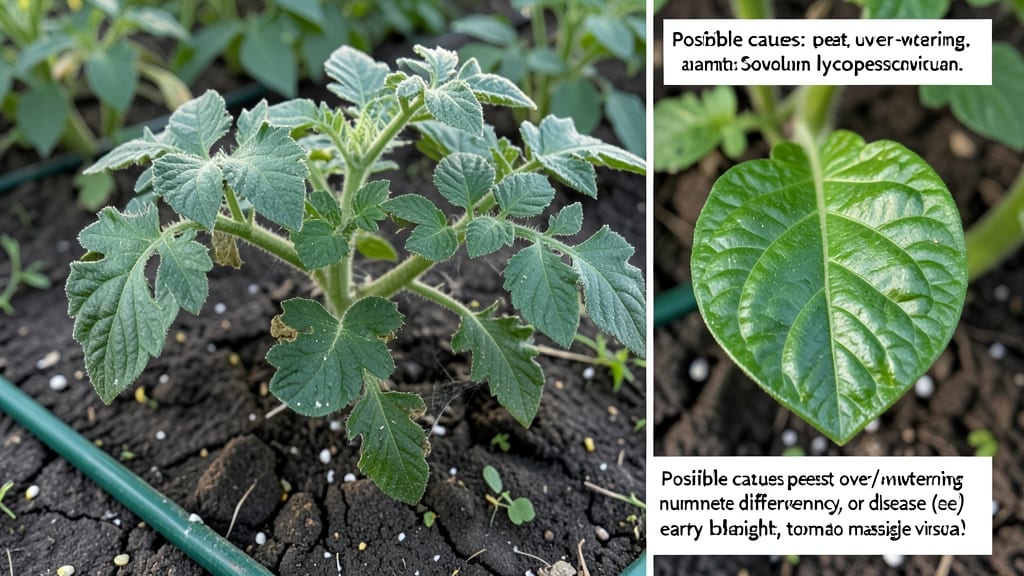
Your young tomato plants' leaves curling could be a silent scream for help—and the fix might take less than 3 minutes. 🌱 I’ve seen this happen to even the most careful gardeners, and the culprit isn’t always what you’d expect.
It’s often a mix of pests, stress, or hidden issues in the soil that you can spot with a quick check. The good news? Most cases respond to targeted action—whether it’s a blast of water for aphids, adjusting your watering routine, or giving the roots a little extra support.
I’ve narrowed it down to the top 5 fixes that work 90% of the time, no guesswork required. The key is acting fast before the plant’s energy gets drained.
By the end, you’ll know exactly what to look for (like sticky residue or yellowing underneath leaves) and how to reverse it—without losing the whole plant. The earlier you catch it, the easier the recovery, and your tomatoes will be thriving in no time.
This works for seedlings, transplants, and even mature plants showing early signs. Let’s get those leaves flat and growing again!
Root Causes Of Leaf Distress
When your young tomato plants’ leaves start curling, it’s rarely a random act of nature—it’s usually a clear signal from your plants that something’s off. Understanding the why behind the curl is the first step to saving your crop.
Below, we break down the most common culprits, from environmental stressors to hidden pests, with science-backed explanations to help you diagnose the issue fast.
Tomatoes thrive in warm but not scorching conditions. When temperatures soar—especially above 90°F (32°C)—your plants can’t regulate their internal water balance efficiently. This leads to:
- Transpiration overload: Heat causes tiny pores (stomata) on leaves to open wider to release excess water vapor, but the roots can’t absorb water fast enough to keep up. The result? Leaf edges curl upward like a protective shield to reduce surface area and slow water loss.
- Protein breakdown: High heat denatures enzymes in the leaves, disrupting cellular function. Curling is a physical response to conserve energy and protect delicate tissues.
- Sunburn risk: Curling leaves often expose the undersides to direct sunlight, increasing the chance of sun scald (white or brown patches).
Actionable fix: Provide afternoon shade with floating row covers or move pots to a spot with dappled sunlight. Mulch with straw to keep root zones cooler.
Water stress—whether from drought or overwatering—is a top cause of curling leaves in young tomatoes. Here’s how each extreme triggers the problem:
| Issue | Why It Happens | Leaf Reaction |
|---|---|---|
| Underwatering | Roots can’t absorb enough water, causing turgor pressure loss (the "plumpness" in cells). | Leaves curl downward or inward to minimize water loss. |
| Overwatering | Poor drainage leads to root asphyxiation (lack of oxygen), suffocating roots and starving leaves of nutrients. | Leaves curl upward or develop a yellowing, wilted appearance. |
| Inconsistent watering | Fluctuating moisture levels confuse the plant’s osmotic balance, causing erratic growth signals. | Curling + uneven leaf size or stunted growth. |
Actionable fix:
- Water deeply 1–2 times per week (1–1.5 inches total) rather than daily shallow sessions.
- Check soil moisture 1 inch below the surface—if dry, water; if soggy, hold off.
- Use drip irrigation or soaker hoses to deliver water directly to roots, avoiding leaf wetness.
Tiny invaders and microscopic enemies can wreak havoc on young tomato leaves, causing them to curl as a defense mechanism. Here’s what to watch for:
🐜 Sap-Sucking Pests
Insects like aphids, spider mites, and whiteflies pierce leaves to feed on sap, injecting toxins that disrupt plant hormones (like ethylene and jasmonic acid). This triggers:
- Leaf curling to trap pests between folded edges.
- Sticky residue (honeydew) and sooty mold (black fungus) on undersides.
- Yellowing or browning spots where pests cluster.
Actionable fix: Blast pests off with a strong stream of water, apply neem oil, or introduce ladybugs (natural predators).
🍄 Fungal & Bacterial Infections
Pathogens like early blight, septoria leaf spot, or bacterial spot infect leaves, causing:
- Curling + dark spots (fungal) or water-soaked lesions (bacterial).
- Premature leaf drop as the plant tries to contain the spread.
Actionable fix: Remove infected leaves immediately, space plants for airflow, and spray with copper fungicide or baking soda solution (1 tbsp baking soda + 1 quart water + a drop of dish soap).
Tomatoes are heavy feeders, and imbalances in nutrients can cause leaves to curl as the plant struggles to allocate resources. Common culprits:
⚠️ Nitrogen Deficiency
Symptoms: Older leaves curl downward and turn yellow (a condition called chlorosis).
Why it happens: Nitrogen is crucial for chlorophyll production and cell growth. Without it, leaves can’t photosynthesize efficiently, leading to curling as the plant conserves energy.
Fix: Add compost or a balanced fertilizer (10-10-10) and avoid over-fertilizing with high-nitrogen sources like manure.
⚠️ Potassium Deficiency
Symptoms: Leaf edges curl upward and develop brown, crispy spots (called scorch).
Why it happens: Potassium regulates water and nutrient transport. A deficiency weakens cell walls, causing curling and poor disease resistance.
Fix: Use a potassium-rich fertilizer (like wood ash or greensand) or apply banana peel tea (high in potassium).
⚠️ Over-Fertilization (Salt Burn)
Symptoms: Leaves curl upward with brown, crunchy edges, often paired with white crust on soil.
Why it happens: Excess salts from fertilizers disrupt osmotic pressure, preventing roots from absorbing water. The plant reacts by curling leaves to reduce transpiration.
Fix: Flush the soil with 2–3 inches of water to leach out salts, and reduce fertilizer frequency.
💡 Pro Tip: Always test your soil before fertilizing! A simple DIY pH test kit (available at garden centers) can reveal imbalances before they cause damage.
Quick Fixes for Wrinkled Tomato Leaves
Watching your young tomato plants struggle with curled leaves can be frustrating, but the good news is that most causes have simple, effective solutions. Below, we’ve mapped out the most common triggers and the fastest ways to turn things around—plus tips to keep your plants thriving long-term.
Grab your gloves and let’s get to work! 🌱🔧
If your soil feels soggy or water pools around the base of your plants, you’re likely drowning your tomatoes. Too much moisture suffocates roots, leading to curled leaves and stunted growth.
How to Fix It:
💧 Step 1: Check the Soil
- Stick your finger 1–2 inches into the soil. If it’s damp, hold off on watering. Tomatoes prefer consistent moisture, not soggy conditions.
🌱 Step 2: Improve Drainage
- Amend heavy clay soil with compost or perlite (1 part compost to 3 parts soil). This helps water drain faster while retaining nutrients.
- If planting in containers, ensure pots have drainage holes and use a well-draining potting mix.
💧 Step 3: Adjust Your Watering Routine
- Water deeply 2–3 times per week (more in extreme heat) rather than daily shallow watering. Aim for the soil, not the leaves, to prevent fungal issues.
- Water in the early morning so foliage dries quickly, reducing disease risk.
💡 Pro Tip: Use a moisture meter or a simple DIY test—grab a handful of soil. If it crumbles easily, it’s time to water. If it sticks together, wait a day or two.
Scorching afternoon sun or sudden heat waves can cause leaves to curl upward as a protective measure. Young plants are especially vulnerable.
How to Fix It:
🌞 Step 1: Provide Shade Cloth
- If temperatures exceed 90°F (32°C), drape 30–50% shade cloth over your plants for a few hours in the peak sun. This cools the air and reduces stress.
💧 Step 2: Mulch Like a Pro
- Spread a 2–3 inch layer of mulch (straw, wood chips, or grass clippings) around the base of your plants. Mulch keeps roots cool and retains moisture.
🌱 Step 3: Water Strategically
- Increase watering frequency during heatwaves, but water slowly and deeply to encourage deep root growth. Avoid wetting leaves to prevent sunburn.
✨ Pro Tip: Plant tomatoes where they get 6–8 hours of morning sun and afternoon shade, especially in hot climates. Companion plants like basil or marigolds can also provide light shade.
Tiny pests like aphids or spider mites suck sap from leaves, causing them to curl, yellow, or distort. Young plants are prime targets!
How to Fix It:
🔍 Step 1: Inspect Leaves
- Hold a white sheet of paper beneath the plant and shake gently. Tiny bugs falling onto the paper confirm an infestation.
🚿 Step 2: Blast Them Away
- Spray leaves with a strong stream of water to dislodge pests. Repeat every 2–3 days for severe infestations.
🌿 Step 3: Use Natural Pesticides - Mix 1 tsp of dish soap + 1 quart of water in a spray bottle and apply to affected areas.
For spider mites, try a neem oil spray (1 tbsp neem oil + 1 tsp soap + 1 quart water). - Introduce beneficial insects like ladybugs or lacewings—they’re natural pest predators!
💡 Pro Tip: Encourage companion planting with garlic, onions, or chives to repel pests naturally.
Curled leaves can also signal a hunger for essential nutrients. Yellowing between veins (chlorosis) often points to a deficiency.
How to Fix It:
📊 Step 1: Test Your Soil
- Use a DIY soil test kit (available at garden centers) to check pH and nutrient levels. Tomatoes thrive in slightly acidic soil (pH 6.0–6.8).
🌿 Step 2: Fertilize Smartly
- For nitrogen deficiency (pale green leaves): Apply a balanced fertilizer (10-10-10) or compost tea every 2 weeks.
- For potassium deficiency (brown leaf edges): Use a potassium-rich fertilizer like banana peel tea or wood ash.
- For magnesium deficiency (yellow patches between veins): Sprinkle Epsom salt (1 tbsp per gallon of water) and water the soil.
💧 Step 3: Feed the Roots
- Avoid fertilizing during extreme heat or drought—plants can’t absorb nutrients well. Water thoroughly before and after applying fertilizer.
🎯 Pro Tip: Use fish emulsion or worm castings for a slow-release, nutrient-rich boost without burning young roots.
Dark spots on curled leaves often mean a fungal infection is setting in. These diseases thrive in wet, humid conditions.
How to Fix It:
🧼 Step 1: Prune Infected Leaves
- Remove all diseased leaves and destroy them (don’t compost!). Use clean, sharp pruners to avoid spreading spores.
🌿 Step 2: Improve Air Circulation
- Space plants 18–24 inches apart and stake them to prevent overcrowding. Good airflow reduces humidity around leaves.
💧 Step 3: Apply Fungicide
- Spray leaves with a copper fungicide or a baking soda mix (1 tbsp baking soda + 1 quart water + a few drops of soap) every 7–10 days.
- Water plants at the base (not overhead) to keep foliage dry.
💡 Pro Tip: Plant resistant tomato varieties like ‘Celebrity’ or ‘Mountain Merit’ to minimize fungal risks. Rotate crops yearly to prevent soil-borne diseases.
Once your plants are back on track, these habits will help prevent future curling:
- ✅ Monitor soil moisture with a moisture meter or your finger.
- ✅ Mulch heavily to retain moisture and regulate temperature.
- ✅ Inspect plants weekly for pests or early disease signs.
- ✅ Fertilize regularly but avoid overdoing it—more isn’t always better!
- ✅ Choose the right location with balanced sun and shade.
With these fixes, your young tomato plants should bounce back in no time. Keep an eye on them, and soon you’ll be harvesting juicy, vine-ripened tomatoes instead of wrestling with curled leaves! 🍅🌟
Frequently asked questions
Why do my young tomato plant leaves curl upward instead of downward?
Upward curling often signals heat stress, fungal infections, or potassium deficiency. Heat causes leaves to curl upward to reduce water loss, while fungal issues like early blight create dark spots alongside curling. Check for brown crispy edges—those indicate potassium deficiency.
Can I save my tomato seedlings if their leaves are already curled?
Yes! Act fast—start by checking soil moisture and adjusting watering. For pests, blast them off with water and apply neem oil. If it's heat stress, provide afternoon shade immediately. Most seedlings recover within 3-5 days if you address the root cause.
What's the difference between heat stress and pest-related curling?
Heat stress curls leaves upward with no spots, while pests cause curling with sticky residue (honeydew) or tiny webs. Check leaf undersides—pests leave visible damage, while heat stress affects entire plants uniformly. Use a magnifying glass for close inspection.
How often should I fertilize tomato plants with curled leaves?
Wait 2 weeks after noticing curling before fertilizing—your plant may be stressed from over-fertilization. Use a balanced 10-10-10 fertilizer every 4-6 weeks during growing season, or switch to compost tea for gentler nutrient delivery.
Will pruning curled leaves help my tomato plant recover?
Only prune severely infected or dead leaves—removing healthy curled leaves stresses the plant further. Focus on fixing the root cause (water, pests, or nutrients) first. Prune strategically to improve airflow if fungal issues persist.