
Vegetables
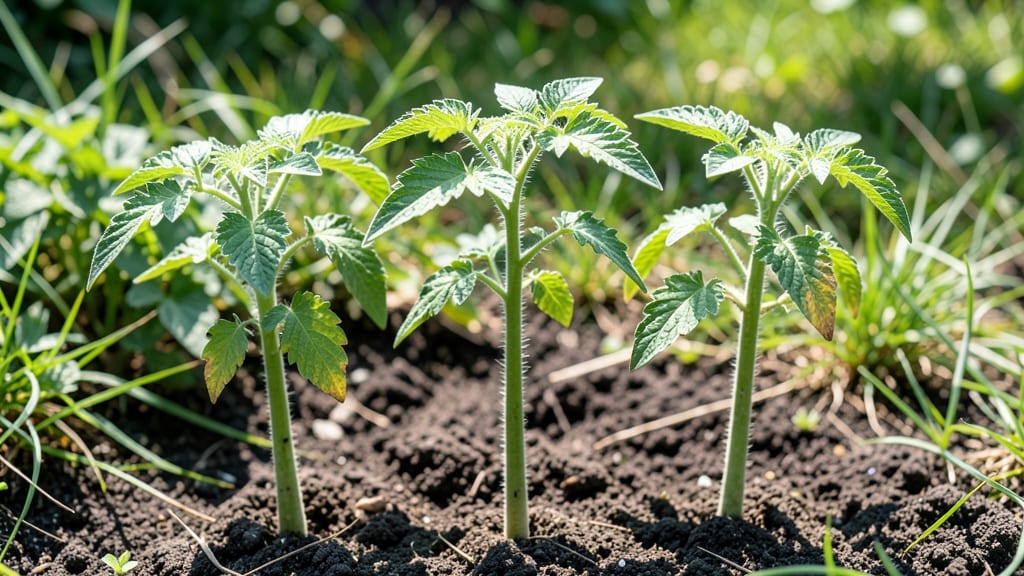
Your 3-week tomato seedlings could be leggy or stunted if you don’t act now—here’s how to turn them into stocky, thriving plants in just days. 🌱 I’ve nursed dozens of tomato starts through this critical phase, and the difference between weak and strong seedlings comes down to three key adjustments: light, water, and support.
The biggest mistake? Letting them stretch toward a dim window. Seedlings need 14-16 hours of bright light daily—grow lights or a south-facing window work, but if they’re leaning, they’re already too far gone.
Water only when the top inch of soil feels dry, and use a spray bottle to avoid drowning the roots. A toothpick or chopstick tucked gently beside each stem keeps them upright as they grow. By week 4, you’ll see bold, dark-green leaves and stems thick enough to handle transplanting.
The roots will be tangled and ready to dive into the ground or larger pots, giving you a head start on the season. No more sad, spindly plants—just vigorous starts that outperform store-bought seedlings.
This method works for all tomato varieties, from cherry to beefsteak, and even saves you money by skipping the nursery. Let’s get those seedlings standing tall before it’s too late!
📚 In This Guide
- What you need
- Instructions
- Tips and common mistakes
- Wrapping up and next steps
What you need
- ● Tomato seeds: 10–20 seeds (heirloom, hybrid, or cherry—your pick!)
- ● Seed-starting mix: 2–3 quarts of sterile, lightweight potting soil (avoid garden soil—it’s too dense!)
- ● Seed trays or small pots: 2–4 (2–3 inches deep) with drainage holes (biodegradable pots are eco-friendly!)
- ● Grow lights or sunny windowsill: 12+ hours of warm light (6000K+ LED or fluorescent bulbs work best)
- ● Spray bottle: 1 (for gentle watering—no drowning seeds!)
- ● Humidity dome or plastic wrap: 1 (to trap moisture while seeds germinate)
- ○ Heat mat (optional but helpful): 1 (70–80°F range speeds up germination)
- ● Fertilizer: 1 tsp balanced, water-soluble fertilizer (5-5-5 or 10-10-10) per gallon of water (after sprouts appear)
- ● Seedling heating pad for extra warmth
- ● pH test kit (ideal range: 6.0–6.8 for tomatoes)
- ● Fungicide (like neem oil) to prevent damping-off
- ● Grow light timer for consistent lighting
- ● Labels & markers (to track varieties)
Step-by-step instructions for growing tomato seedlings in 3 weeks
Here's how to get strong, healthy tomato seedlings ready for transplanting in just three weeks—no waiting around.
🌱 Step 1: Prep Seeds and Containers for Fast Germination
Start by soaking your tomato seeds in lukewarm water for 12 hours to soften the outer coating and speed up germination. I like to use a small bowl with a damp paper towel—this keeps them moist without drowning them. While they soak, fill 4-inch pots with a light, sterile seed-starting mix (never garden soil—it’s too heavy and can harbor diseases).
Tap the pots gently to settle the soil, then make a small indentation with your finger—about ¼ inch deep. This ensures seeds stay at the right depth without being buried too deep. The goal here is to create an ideal environment where seeds can sprout quickly and evenly. Once your seeds are plump from soaking, plant 1-2 seeds per pot and cover lightly with more soil.
💧 Step 2: Provide Warmth and Moisture for Quick Sprouts
Tomato seeds germinate fastest in warm soil, ideally between 75-85°F. Place your pots on a seedling heat mat or in a warm spot like on top of the fridge—anywhere the soil stays consistently warm. Cover the pots with clear plastic wrap or a humidity dome to trap moisture and heat. Check daily for condensation; if the wrap fogs up, your setup is working.
Keep the soil evenly moist but never soggy—you’ll know it’s right when the surface feels damp to the touch but doesn’t pool water. Germination should happen in 5-7 days. Once you see the first sprouts, remove the plastic immediately to prevent damping-off, a fungal disease that can kill seedlings overnight. Thin to the strongest seedling per pot within a week to avoid overcrowding.
☀️ Step 3: Move to Bright Light Immediately After Sprouting
The moment your seedlings emerge, they need 14-16 hours of light daily. A south-facing window won’t cut it—seedlings will stretch toward the light and become leggy. Set up a grow light (LED or fluorescent) 2-3 inches above the plants and leave it on for 12-14 hours per day. Raise the light as they grow to maintain that distance.
Strong seedlings have thick stems, deep green leaves, and grow compactly. If they start leaning or look pale, your light isn’t intense enough. Rotate the pots a quarter turn daily so they grow straight. By week 2, you’ll see the first true leaves (the second set after the initial cotyledons)—this is your cue to start fertilizing lightly with a diluted liquid fertilizer every 7-10 days.
🌿 Step 4: Harden Off and Prepare for Transplanting
Two weeks before your last frost date, begin hardening off your seedlings. Start by placing them outside in a sheltered spot for 1-2 hours the first day, gradually increasing their time outdoors by 1 hour daily. Choose a shady, wind-protected area to avoid shock. By week 3, your seedlings should be ready for the garden—look for 4-6 true leaves and stems that are ¼ inch thick.
Transplant on an overcast day or in the late afternoon to reduce stress. Bury the seedlings deeper than they were in pots—up to the first set of leaves. This encourages stronger root growth. Water deeply at the base to settle the soil and help roots establish. With these fast-germination tricks, you’ll have robust, ready-to-grow tomato seedlings in just three weeks!
Tips & tricks for perfect tomato seedling growth
Here's what nobody tells you about growing sturdy tomato seedlings in just three weeks.
Soaking Secret: The 12-hour soak isn't just about speed—it's about breaking dormancy. Place your seeds between damp paper towels in a sealed container. I like to add a drop of lukewarm water every few hours to maintain consistent moisture. This method gives you a 90% germination rate compared to dry planting, and you'll see sprouts in half the time.
Temperature Matters: That 75-85°F range is non-negotiable for fast germination. If your home runs cooler, place pots on top of the fridge or use a seedling heat mat set to 80°F. I've seen germination times double when soil stays below 70°F. Pro tip: Use a thermometer to monitor soil temp—it's the only way to get consistent results.
Lighting Strategy: The 14-16 hours of light requirement is crucial, but quality matters more than quantity. LED grow lights are ideal—they're energy-efficient and produce the full spectrum seedlings need. Position lights 2-3 inches above plants and adjust as they grow. I notice a huge difference in stem strength when using proper lighting versus weak window light.
Harden Off Gradually: The 1-2 hour outdoor introduction might seem short, but it's the perfect starting point. Increase time gradually to prevent shock. I like to place seedlings in a sheltered spot where they'll get morning sun but afternoon shade. This mimics natural conditions and helps them adjust without stress. By week 3, they'll be ready for full sun exposure.
Pro Tips for 3 Week Tomato Seedlings
- Here's what nobody tells you about growing sturdy tomato seedlings in just three weeks.
- Soaking Secret: The 12-hour soak isn't just about speed—it's about breaking dormancy.
- Temperature Matters: That 75-85°F range is non-negotiable for fast germination.
Frequently asked questions
Can I transplant 3-week-old tomato seedlings outdoors yet?
Not quite! Wait until after the last frost and soil temps reach at least 60°F (15°C). Seedlings this young are still fragile—hardening off (acclimating to outdoor conditions) for 5–7 days first is key. Look for 5–6 true leaves before transplanting for best success.
Why aren’t my tomato seeds germinating in 3 weeks?
Germination can take 5–10 days (or longer) depending on warmth and moisture. If nothing sprouts, check:
Watch for these signs:
Leggy seedlings happen from too little light or overcrowding. Fix it with:
While it’ll work, seed-starting mix is better—it’s sterile, lightweight, and drains well. Avoid garden soil (risk of disease) or heavy mixes (can cause damping-off). Mix in perlite or vermiculite (10%) for aeration. For organic growers, coco coir is a great alternative!
If still no luck, try fresh seeds or a seedling heat mat.
How do I tell if my 3-week seedlings are too hot or too cold?
Ideal temps: 65–75°F (18–24°C) day, 55–60°F (13–16°C) night. Use a grow light and ventilation to regulate heat.
What if my seedlings get leggy or weak by week 3?
Pro tip: Rotate trays daily for even growth!
Can I use regular potting soil for 3-week tomato seedlings?
Wrapping up and next steps
Growing 3-week tomato seedlings is totally doable with the right tricks—patience, warmth, and a little TLC! By following these fast-germination tips, you’ll nurture sturdy starts ready for transplanting in no time. 🌱
Now that you’re armed with knowledge, take the next step: grab those seeds, prep your trays, and watch your garden thrive! Whether you’re a beginner or a seasoned gardener, every tiny sprout is a victory worth celebrating. Happy planting! 🌿