
Size
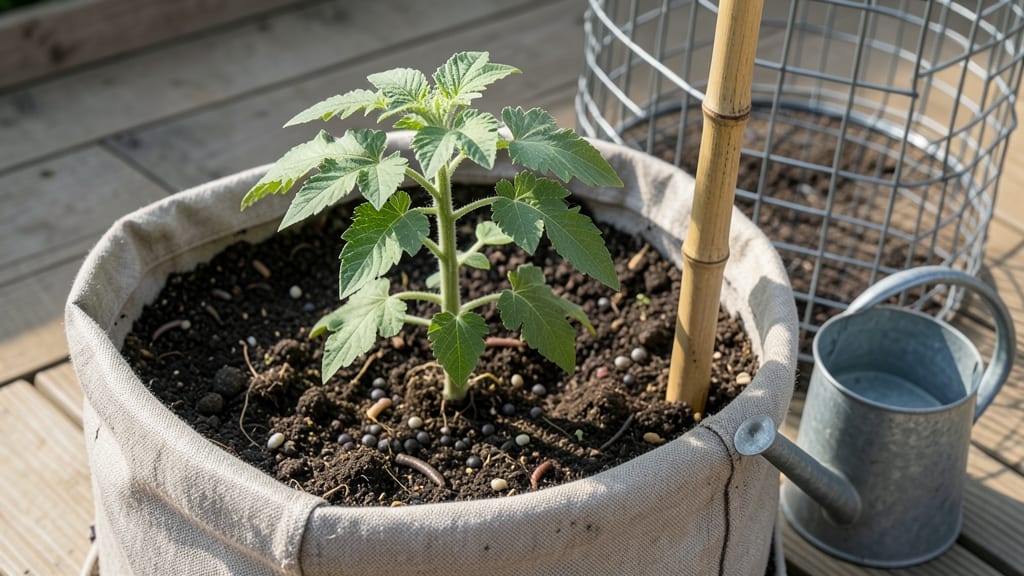
Growing tomato plants in pots means fresh, vine-ripened tomatoes from your balcony or patio—no yard required. 🌱 I’ve grown cherry tomatoes in 5-gallon pots that produced enough for salads all summer, and the secret lies in choosing the right varieties and containers.
Determinate tomatoes like 'Tiny Tim' or 'Patio Princess' stay compact, while indeterminate types like 'Tumbling Tom' need sturdy cages. Start with 5-gallon pots for bush varieties and 10+ gallons for vining types, ensuring drainage holes to prevent soggy roots.
You’ll need well-draining potting mix, regular watering (let the top inch dry between waterings), and a balanced fertilizer every 2-3 weeks. Prune suckers early to focus energy on fruit, and watch your plants climb toward sun-drenched harvests. Perfect for apartments, small yards, or anyone who wants tomatoes without the space.
Here’s how to set it up right—no green thumb required!
📚 In This Guide
- What you need
- Instructions
- Tips and common mistakes
- Wrapping up and next steps
What you need
- ● Pots: Minimum 5-gallon containers (18–24 inches deep) for determinate varieties.
- ● 10–15 gallon containers (24+ inches deep) for indeterminate varieties (they grow taller!).
- ● Drainage holes: Non-negotiable—add a drill if your pots lack them!
- ● Potting Mix: High-quality, well-draining mix (avoid garden soil—it compacts!). Aim for 1–2 bags per pot (2–3 cubic feet).
- ● Tomato Plants: Choose compact or dwarf varieties like 'Tiny Tim,' 'Patio,' or 'Balcony Red.' Start with 1–2 plants per pot (indeterminate types need more space).
- ● Fertilizer: Balanced fertilizer (10-10-10 or 5-5-5) for planting.
- ● Tomato-specific fertilizer (high in potassium/phosphorus) for flowering/fruiting.
- ● Support System: Cages or stakes (5–6 feet tall for indeterminate types).
- ○ Trellis or tomato clips (optional but helpful for heavy vines!).
- ● Watering Supplies: Watering can or hose with a gentle nozzle (avoid overhead spraying to prevent disease).
- ○ Self-watering system (optional, for busy gardeners!).
- ● Mulch: Straw or shredded leaves to retain moisture and suppress weeds.
- ● Epsom salt: A spoonful in the planting hole boosts magnesium for healthier leaves.
- ● Grow lights: If growing indoors, a full-spectrum LED (12–16 hours/day).
- ● Pest control: Neem oil or row covers to deter pests like aphids or hornworms.
- ● pH test kit: Ensure your soil is 6.0–6.8 (tomatoes are picky!).
Step-by-step instructions for growing tomato plants in pots
Here's how I grow healthy, productive tomato plants in containers—no garden needed.
🌱 Step 1: Choose the Right Compact Varieties and Pots
Pick determinate tomato varieties like 'Patio', 'Tiny Tim', or 'Balcony Red'—they stay compact (3-4 feet tall) and produce fruit without staking. Avoid indeterminate types unless you're willing to prune heavily and provide tall support. For 4 plants, use 5-gallon pots (minimum) with drainage holes—larger pots mean fewer waterings and bigger harvests.
I always fill the bottom 2 inches of each pot with gravel or broken pottery to improve drainage. This prevents soggy roots, which is especially critical for tomatoes in containers. Place pots where they'll get 6-8 hours of direct sun daily—tomatoes are sun-hungry plants that won't produce well in shade.
🪴 Step 2: Prepare Soil and Plant Your Seedlings
Fill pots with a mix of high-quality potting soil (not garden soil) and compost (50/50 ratio). Tomatoes need rich, well-draining soil to support heavy fruit production. Add 2 cups of balanced fertilizer (10-10-10) per pot and mix it in—this gives your plants a strong start without burning roots.
Plant seedlings 1 inch deeper than they were in their nursery pots. Burying the stem encourages stronger root growth. Space 4 plants 18 inches apart if using a large container, or keep them 12 inches apart in 5-gallon pots. Water deeply right after planting to settle the soil and remove air pockets around the roots.
💧 Step 3: Water and Feed Consistently
Water when the top inch of soil feels dry—stick your finger in to check. Tomatoes in pots dry out faster than in-ground plants, so I water every morning during hot weather. Avoid wetting the leaves to prevent fungal diseases like early blight. Water at the base only, using a drip irrigation system or watering can with a narrow spout.
Feed plants every 2 weeks with a liquid tomato fertilizer (like 5-10-10) mixed at half strength. I start fertilizing when flowers appear—this boosts fruit production. Too much fertilizer causes leafy growth with few tomatoes, so follow package instructions carefully. Watch for yellowing leaves, which can signal over- or under-fertilizing.
☀️ Step 4: Provide Support and Prune for Better Airflow
Set up cages or stakes when plants are 6 inches tall—tomatoes grow fast, and waiting means struggling to support them later. I use 5-foot bamboo stakes for taller varieties and small cages for compact types. Tie stems loosely with soft plant ties (never wire, which cuts into stems).
Prune suckers (the small shoots in the leaf axils) weekly to improve airflow and fruit production. Remove any leaves touching the soil to prevent disease. Pinch off the first flower cluster if your plant is small—this redirects energy to root and stem growth. You'll see stronger, bushier plants with more fruit after consistent pruning.
✂️ Step 5: Harvest and Maintain Through the Season
Pick tomatoes when they're fully colored and slightly soft to the touch. Harvesting regularly encourages more production. Use garden shears to avoid damaging the plant, and twist fruits gently if they're ripe but not yet ready to separate. Store harvested tomatoes at room temperature (not in the fridge) to preserve flavor and texture.
As the season progresses, add 1-2 inches of fresh potting mix to the surface of pots to replenish nutrients. If your plants slow down, give them a light trim to remove any diseased or yellowing leaves. By late summer, you'll have healthy, productive plants yielding pounds of tomatoes in containers—no garden required!
Tips & tricks for perfect container-grown tomatoes
These simple strategies will help you grow thriving tomato plants in pots—no green thumb required.
Sunlight Strategy: Those 6-8 hours of direct sun are non-negotiable, but here's the secret: morning sun is most important. Position your pots to catch east-facing sunlight first, then supplement with afternoon sun. If you notice leaves turning pale or plants stretching toward light, they're not getting enough. Move pots to a sunnier spot immediately—tomatoes won't tolerate shade once they're established.
Drainage Hack: The 2 inches of gravel at the bottom isn't just about drainage—it's about creating an air pocket that prevents root rot. I've seen soggy roots ruin perfectly good plants when people skip this step. For extra insurance, add a handful of perlite to your soil mix to improve aeration. This is especially important if you're using heavier potting soils that compact easily.
Watering Wisdom: The "top inch dry" rule works, but here's what I do: I stick my finger in the soil up to my first knuckle. If it feels dry at that depth, it's time to water. This prevents overwatering, which is the #1 killer of potted tomatoes. Water deeply until it runs out the drainage holes—this encourages roots to grow downward where they'll find more nutrients.
Fertilizer Timing: Starting fertilizer when flowers appear is perfect, but I have one more tip: alternate between your balanced fertilizer and a compost tea every other feeding. This gives your plants a gentle nutrient boost without the risk of burning. I make my own compost tea by steeping compost in water for 24 hours, then straining it. The microbial activity helps prevent blossom end rot too.
Pro Tips for How Do You Grow Tomato Plants In Pots
- These simple strategies will help you grow thriving tomato plants in pots—no green thumb required.
- Sunlight Strategy: Those 6-8 hours of direct sun are non-negotiable, but here's the secret: morning sun is most important.
- Drainage Hack: The 2 inches of gravel at the bottom isn't just about drainage—it's about creating an air pocket that prevents root rot.
Frequently asked questions
Got questions about growing tomatoes in pots? You’re not alone! Here are answers to the most common queries—whether you're a first-timer or just fine-tuning your green thumb.
What are the best tomato varieties for pots?
Opt for compact, dwarf, or determinate varieties like 'Tiny Tim,' 'Balcony Red,' or 'Patio Princess.' These stay small (under 3 feet), thrive in containers, and produce abundant fruit without sprawling. Avoid indeterminate types—they need vertical support and more space!
When is the best time to plant tomatoes in pots?
Wait until after the last frost (usually late spring) and when soil temps hit at least 60°F (15°C). Tomatoes love warmth! Start seeds indoors 6–8 weeks earlier if you’re growing from seed. Pro tip: Use black pots—they absorb heat faster and help roots stay cozy.
How often should I water potted tomatoes?
Water when the top inch of soil feels dry—usually every 2–3 days, but check daily in hot weather. Pots dry out faster than ground soil! Use a self-watering pot or drip irrigation to keep roots consistently moist. Overwatering causes root rot, so ensure pots have drainage holes.
Why aren’t my potted tomatoes fruiting?
Common culprits: lack of sunlight (6–8+ hours daily), overcrowding (prune suckers), or nutrient deficiencies (use tomato-specific fertilizer). Yellow leaves? Check for underwatering or blossom end rot (add calcium). Move pots to a sunnier spot and feed weekly with a balanced 10-10-10 fertilizer.
Can I grow tomatoes in pots indoors year-round?
Yes, but you’ll need grow lights (12–16 hours/day) and a warm spot (70–80°F). Use large pots (5+ gallons) and monitor humidity—indoors can be too dry. Choose dwarf varieties like 'Micro Tom' for smaller spaces. Just remember: pollination may require gentle shaking or a small fan to help flowers set fruit.
What can I do with leftover potting mix after harvest?
Don’t toss it! Store unused mix in a cool, dry place for up to a year. Refresh with compost or worm castings before reuse. If it’s spent (salty, compacted, or moldy), amend with perlite or coconut coir to lighten it. Perfect for herbs, peppers, or next year’s tomatoes!
Wrapping up and next steps
Growing tomato plants in pots is easier than you think—especially with the right compact varieties and a few key tips! Whether you’re working with limited space or just love container gardening, cherry tomatoes, dwarf varieties, and patio hybrids can deliver abundant harvests without the fuss.
Remember to prioritize well-draining soil, proper sunlight, and consistent care to keep your plants thriving.
Now that you’re armed with the know-how, roll up those sleeves and get planting! 🌱 Start with a healthy seedling or seed, follow the steps, and soon you’ll be enjoying homegrown tomatoes straight from your balcony or patio. Happy gardening—and may your harvest be plentiful!