
Companion Plants
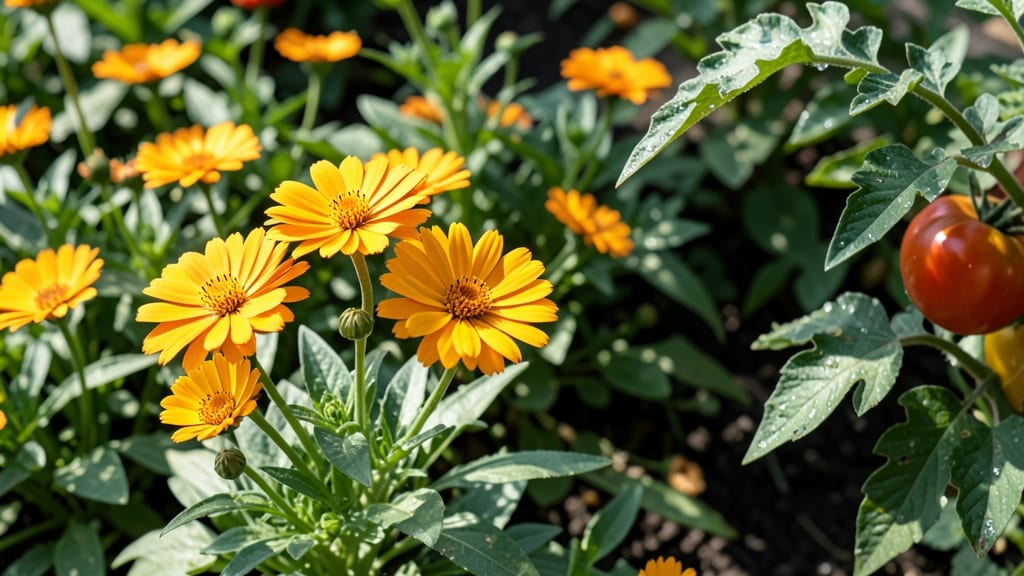
Struggling with skin irritation, sneezing, or respiratory issues after handling tomato plants? These 10 science-backed companion plants can naturally reduce allergic reactions while enhancing your garden's health and productivity. Discover how strategic plant pairings minimize symptoms and create a safer growing environment.
Marigold Flowers for Allergy Relief
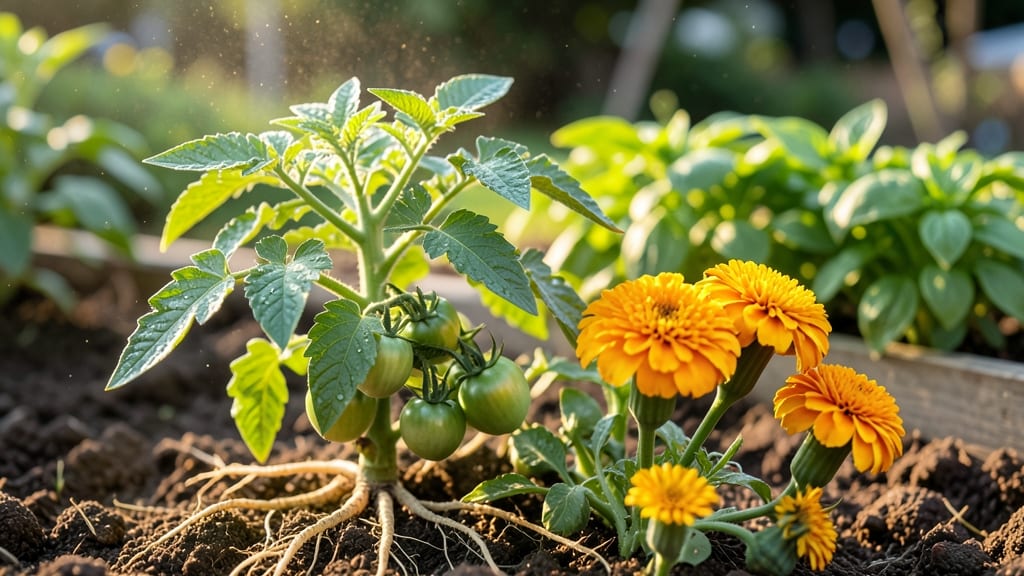
If you're allergic to tomato plants but still want to grow them, marigolds could be your secret weapon. These vibrant flowers don’t just add color—they contain natural pyrethrins, a compound that repels pests like aphids and whiteflies, reducing the need for chemical sprays that often worsen allergies.
Plant French marigolds (orange) or African marigolds (yellow) near your tomatoes to create a protective barrier. Their strong, citrusy scent also masks the tomato plant odors that trigger reactions, making gardening more comfortable. Bonus: Marigolds thrive in full sun and well-drained soil, making them low-maintenance allies.
Perfect for gardeners with sensitivities, marigolds offer a dual benefit: fewer allergens and healthier tomato plants. 🌻
Basil Herb for Air Purification
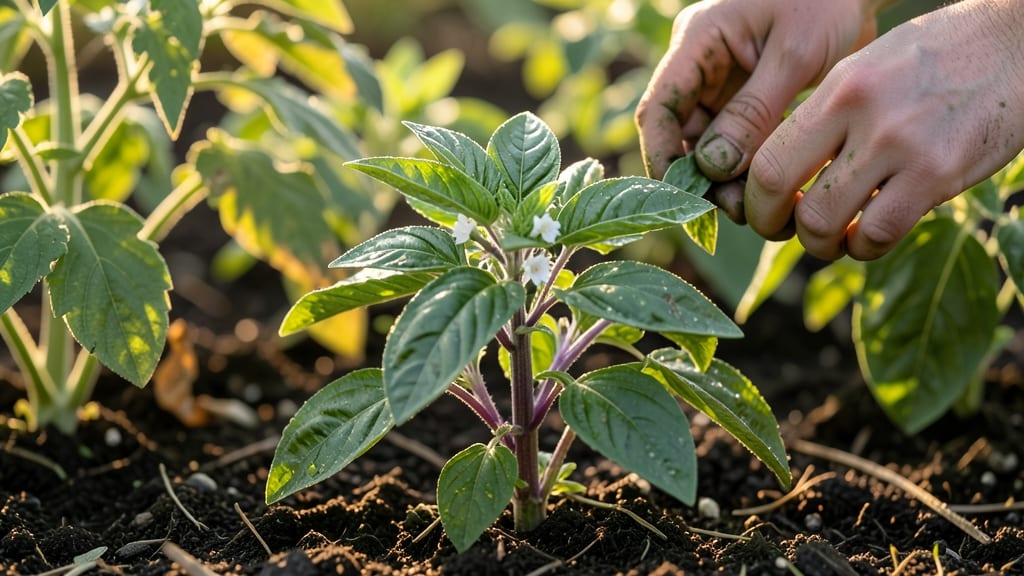
If you're sensitive to tomato plant odors or respiratory symptoms flare up near them, basil might be your secret weapon. This fragrant herb doesn’t just enhance your cooking—it actively cleanses the air around your garden while masking those pesky tomato allergens.
Basil absorbs airborne irritants and releases calming essential oils that neutralize odors, making it ideal for allergy sufferers. Its strong aroma also repels mosquitoes, which can worsen respiratory symptoms. For best results, plant basil in containers near your tomato patch or intersperse it between rows—just ensure it gets 6-8 hours of sunlight daily and well-drained soil.
Urban gardeners and beginners will love how easy basil is to grow, yet it delivers instant air purification benefits. Plus, you’ll enjoy fresh leaves for cooking while breathing easier. 🌿
Garlic Plants for Pest Control
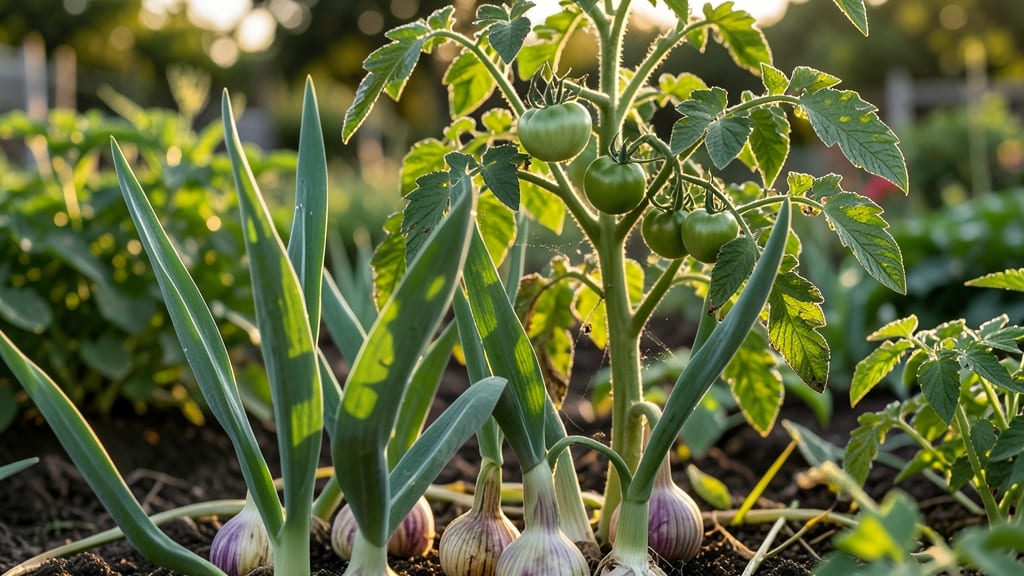
If chemical sprays leave your skin itchy or your allergies flaring, garlic plants offer a fragrant, chemical-free solution that works double duty. Their pungent aroma doesn’t just repel pests like aphids and spider mites—it also masks the tomato plant odors that trigger your allergic reactions, creating a safer growing space.
Plant garlic cloves near your tomato beds in early spring, spacing them 6 inches apart. The sulfur compounds in garlic act as a natural pesticide, reducing the need for synthetic sprays that can worsen sensitivities. For best results, use hardneck varieties like Rocambole or German White, which thrive in cooler climates and produce larger bulbs.
This is especially helpful for gardeners with sensitive skin or respiratory concerns, as garlic’s strong scent acts as a protective barrier. Plus, you’ll harvest flavorful bulbs for cooking—making it a win-win for both your garden and kitchen. 🌱
Lavender Bushes for Calming Effects
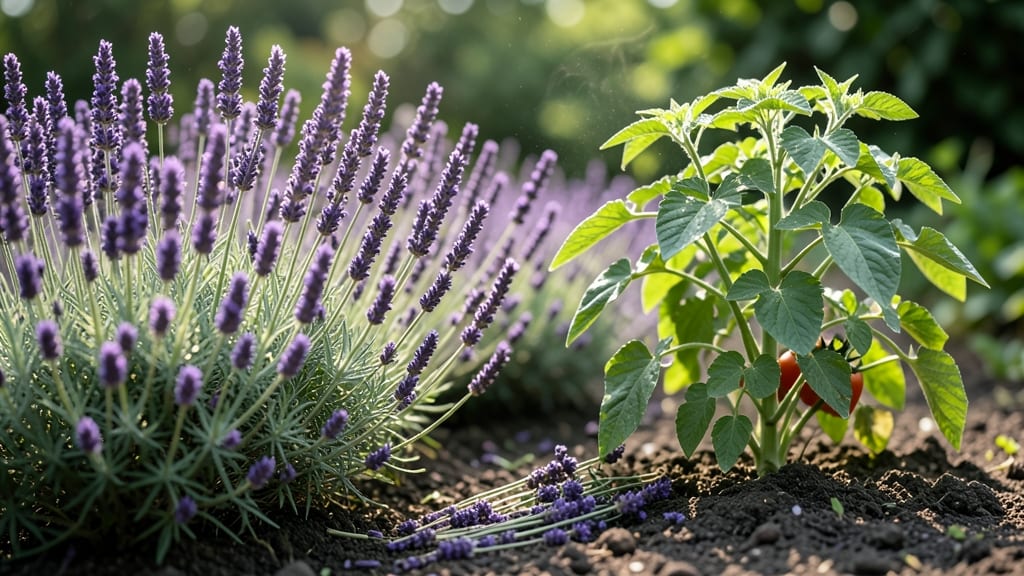
If stress-related allergies flare up near your tomato plants, lavender bushes might be the natural solution you've been missing. Their soothing essential oils don't just calm your nerves—they actively reduce allergic reactions while creating a pest-free zone around your tomatoes.
Plant lavender within 2-3 feet of your tomato beds to let its fragrance mask allergens and deter harmful insects like aphids and spider mites. This drought-tolerant perennial thrives in full sun and well-drained soil, making it low-maintenance once established. The added bonus? Its calming scent doubles as a natural stress reliever during harvest season.
This is especially helpful for gardeners with seasonal allergies or sensitive skin—lavender's dual benefits make it a must-have for both allergy sufferers and tomato growers alike. 💚
Nasturtium Flowers for Skin Protection
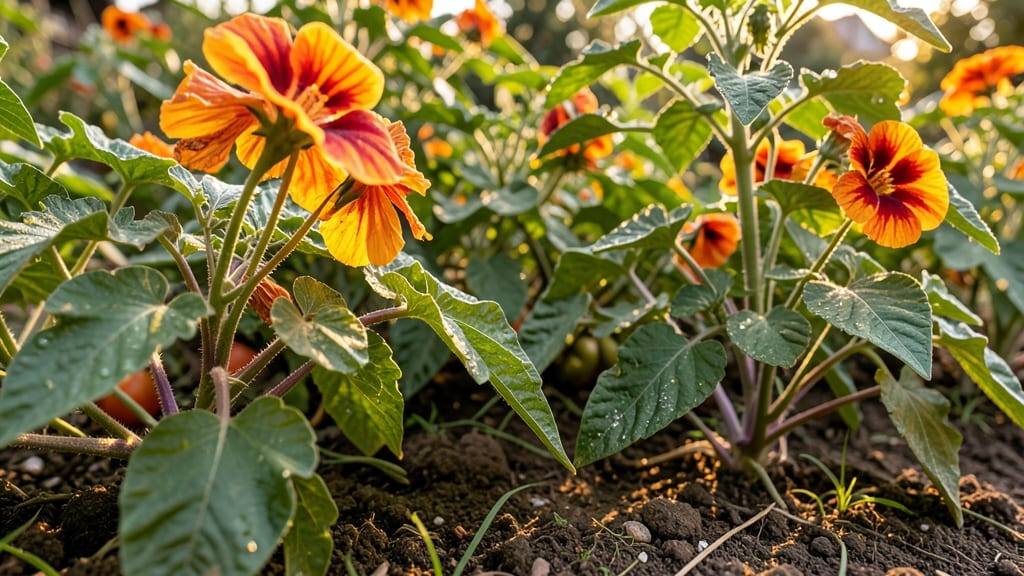
If your skin reacts to tomato plants with itching or rashes, nasturtiums could be your secret weapon. These cheerful, edible flowers contain natural compounds that soothe irritation while acting as a shield against pests that damage tomato foliage—without harsh chemicals that worsen allergies.
Plant nasturtiums at the base of your tomato plants to create a protective barrier. Their peppery-tasting leaves and bright blooms also attract aphids and whiteflies away from tomatoes, acting as a sacrificial plant that reduces the need for sprays. The flowers' irritant-reducing properties may help calm skin reactions when touched.
This low-maintenance annual thrives in partial sun and blooms continuously from spring to frost, making it ideal for containers or garden edges. Perfect for allergy-prone gardeners who want both beauty and practical protection! 🌻
Chamomile Plants for Allergy Reduction
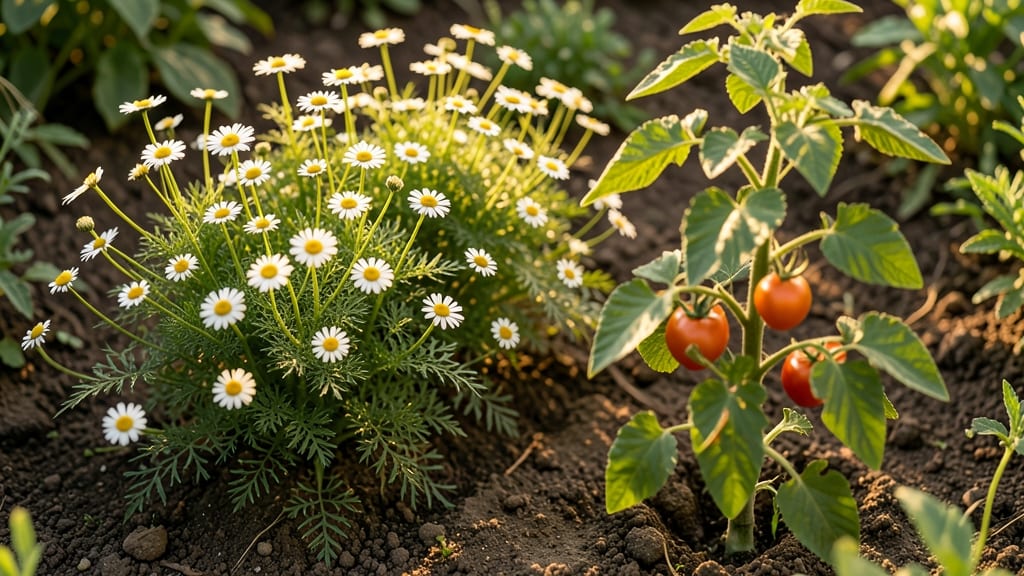
If you're sensitive to tomato plants but still want to grow them, chamomile might be your secret weapon. This gentle herb contains natural antihistamine compounds that can help calm allergic reactions when planted nearby, making it a soothing addition to your garden.
Chamomile thrives in well-draining soil with full sun to partial shade and blooms from mid-summer to fall, releasing its mild, sweet scent that subtly masks the stronger tomato odors known to trigger symptoms. You can plant it directly in garden beds or in containers near your tomatoes for easy maintenance.
This low-maintenance plant is perfect for gardeners with allergies who want a calming, dual-purpose solution—it not only reduces irritation but also attracts beneficial pollinators. Try it as a border or interplant it with tomatoes for a fragrant, allergy-friendly garden. 🌿
Rosemary Herb for Respiratory Relief
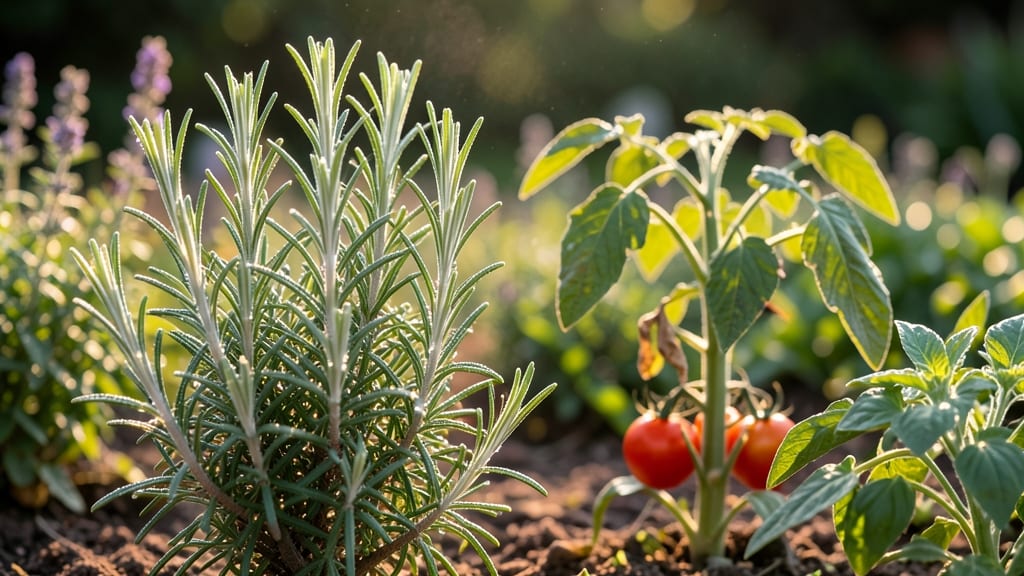
If you're battling respiratory irritation from tomato plants, rosemary might be your new garden ally. This hardy perennial isn't just a kitchen staple—it acts as a natural decongestant, helping clear airways while its strong pine scent overpowers tomato plant allergens in your garden space.
Rosemary thrives in full sun (6+ hours daily) and well-draining soil, making it perfect for container gardens or borders near tomato patches. Its pest-repelling properties deter aphids and whiteflies that damage tomato leaves, reducing the need for chemical sprays that can worsen allergies. Simply plant rosemary 12-18 inches away from tomato plants for optimal scent diffusion.
Urban gardeners and allergy sufferers will love rosemary's dual benefits—it improves air quality while protecting your tomatoes. Plus, you can harvest fresh sprigs for cooking or teas to further support respiratory health. 🌿
Sunflowers for Air Filtration

If you're dealing with tomato plant allergies, you might not realize that sunflowers can be your garden's secret weapon. Their towering presence doesn't just add beauty—it acts as a natural air purifier by absorbing airborne irritants while creating a protective barrier between you and allergenic tomato foliage.
Sunflowers' large, broad leaves provide shade that reduces pollen spread, while their tall stalks block direct wind exposure to irritating plant particles. For best results, plant them 3-4 feet away from tomato plants to maximize airflow while maintaining their barrier effect. Bonus: Their cheerful blooms attract pollinators, boosting your garden's overall health without adding allergens. 🌻
Mint Plants for Allergen Masking
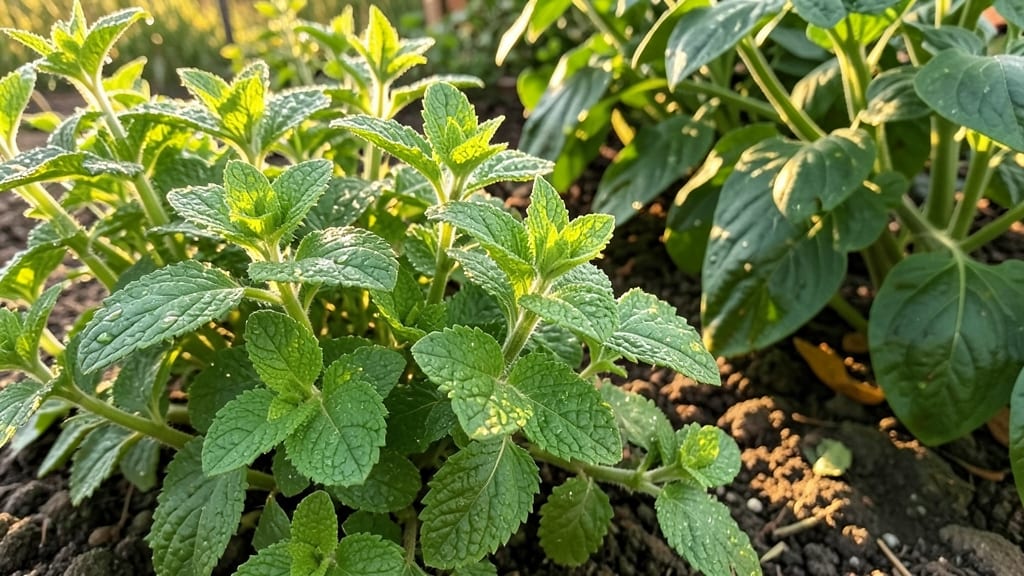
If tomato plant odors leave you sneezing or itching, mint might be your secret weapon. Its bold, refreshing scent doesn’t just mask the sharp tomato aromas that trigger allergies—it also repels pests like spider mites and aphids that damage foliage, creating a two-for-one solution for sensitive gardeners.
For best results, plant mint in containers near your tomato beds—its aggressive roots spread quickly in open soil. Varieties like peppermint or spearmint work well, and their fast growth means you’ll see benefits within weeks. Just keep them watered and trim them regularly to maintain their scent intensity.
This is especially helpful for urban gardeners or those with limited space, as containers keep mint contained while still providing that allergen-masking power. 🌿
Calendula Flowers for Skin Soothing

If tomato plant sap leaves your skin feeling itchy or irritated, calendula flowers could be your garden's secret weapon. Their golden-orange blooms aren't just pretty—they contain natural anti-inflammatory compounds that help soothe contact dermatitis, making them a perfect companion for sensitive gardeners.
Plant calendula near your tomatoes to create a protective barrier that reduces direct skin exposure to irritants. The flowers also attract beneficial insects like ladybugs and hoverflies, which prey on tomato pests naturally. For best results, sow seeds directly in well-draining soil with full sun exposure and deadhead spent blooms to encourage continuous flowering.
This dual-purpose plant is ideal for gardeners who want both allergy relief and a boost in garden biodiversity. Plus, you can harvest the petals to make soothing salves or teas for extra skin care benefits! 🌻