
Planting
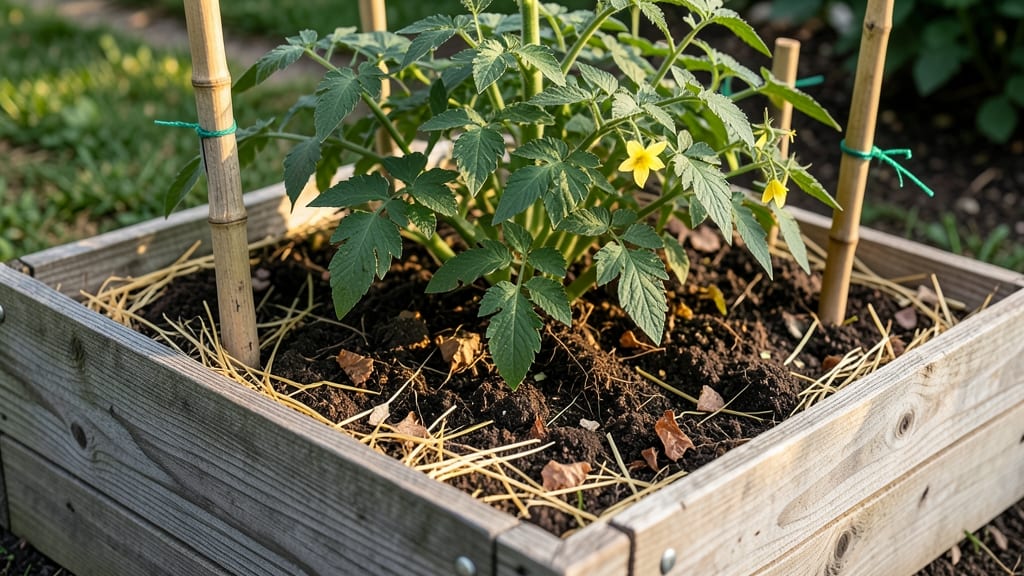
Proper tomato plant spacing in raised beds isn’t just about fitting more plants—it’s about unlocking bigger, healthier fruits and avoiding a season of blight and competition. 🌱 My first year, I crammed six indeterminate tomatoes into a 4x8-foot bed, and by July, the plants were fighting for sunlight, airflow, and nutrients.
The result? A handful of small, sour tomatoes and a lot of frustration. Turns out, spacing isn’t arbitrary—it’s science, and the right layout can double your harvest.
Determinate varieties (like Roma or Celebrity) play by their own rules—they grow to a fixed height and produce fruit all at once, so they need 18-24 inches apart in rows spaced 2-3 feet apart.
Indeterminate types (like Cherry or Beefsteak) keep growing and fruiting all season, so they demand 24-36 inches apart in rows 3-4 feet apart. The extra space might feel wasteful, but it’s what lets those vines stretch, their leaves breathe, and their roots dive deep for moisture and nutrients.
And yes, you can fit more plants in a raised bed—just not in the same row.
What you’ll end up with is a sun-dappled canopy of lush foliage and heavy vines sagging with ripe tomatoes instead of stunted, disease-prone plants. The key is balancing airflow (to prevent blight) and sunlight (for maximum fruit set), and the right spacing gives you both.
Plus, you’ll spend less time pruning and more time harvesting—because healthy plants produce more, and they produce for longer. Think of it as giving your tomatoes room to thrive, not just survive.
This works for any raised bed size, from 2x4-foot starter beds to full 8x12-foot plots, and adapts to both bushy determinates and sprawling indeterminates. The only variables are your bed dimensions and the types you’re growing.
Let’s get those plants spaced right so you can enjoy a harvest that puts store-bought tomatoes to shame.
📚 In This Guide
- What you need
- Instructions
- Tips and common mistakes
- Wrapping up and next steps
What you need
- ● Raised bed: Minimum 4’ x 8’ (or larger) with 12” deep sides (wood, cedar, or composite).
- ● Tomato plants: Determinate (bush) varieties: 1 plant per 18–24” spacing (4–6 plants per 4’ width).
- ● Indeterminate (vining) varieties: 1 plant per 24–36” spacing (2–3 plants per 4’ width).
- ● High-quality soil: 60% topsoil, 30% compost, 10% perlite/vermiculite (sterile, no weeds!).
- ● Balanced fertilizer: 5-10-10 or organic compost tea (1 cup per 4’ bed length).
- ● Staking/caging: Indeterminate tomatoes: 6’ tall bamboo stakes or heavy-duty cages (1 per plant).
- ○ Determinate tomatoes: Short stakes (3–4’) or low cages (optional).
- ● Mulch: Straw or shredded leaves (2–3” layer to retain moisture).
- ● Watering can/hose: With soaker hose attachment (deep watering = happy roots!).
- ● Pruning shears: Sharp, bypass-style for trimming suckers.
- ● Drip irrigation kit: Automates watering and saves time.
- ● Plant tags: Label varieties to track growth habits.
- ● Row cover: Floating fabric for early-season frost protection.
- ● Liquid calcium supplement: Prevents blossom-end rot (e.g., calcium nitrate).
- ● Garden twine: For securing vines to stakes.
How to space tomato plants in raised beds for maximum yield
Here's the method I've tested across seasons that turns crowded beds into productive powerhouses.
🌱 Step 1: Plan Your Raised Bed Layout Based on Tomato Variety
Start by grouping plants by size and growth habit. Determinate varieties (like Roma or Celebrity) stay compact at 2-3 feet tall and produce all their fruit at once, so space them 18-24 inches apart in rows 24 inches apart. These bushy plants thrive in tight quarters and benefit from the support of neighboring vines.
Indeterminate varieties (like Cherry or Beefsteak) grow continuously until frost, reaching 6-10 feet tall, so give them 24-36 inches apart in rows 36 inches apart. The extra space prevents disease spread from crowded foliage and lets you walk between plants for harvesting. I always plant indeterminates along the outer edges of my beds to maximize sunlight exposure.
☀️ Step 2: Position for Optimal Sunlight and Airflow
Face your raised bed's long side north-south to ensure 6-8 hours of direct sunlight daily. Tomato plants need full sun, but too much midday heat without airflow leads to sunscald and disease. Space rows 3 feet apart (even for determinates) to create walkways that improve air circulation—this is how I prevent early blight from taking hold in my humid climate.
Watch for shadows cast by taller plants or structures. If your bed runs east-west, plant taller indeterminates on the north side to avoid shading shorter varieties. You'll see leaves on the south side of plants turn pale yellow if they're getting too much direct afternoon sun without relief.
🪴 Step 3: Create Planting Zones for Support and Accessibility
Divide your bed into 3-foot-wide zones separated by 12-inch pathways. In each zone, use cages or stakes (one per plant) to support indeterminates, and place low trellises for determinates. I install 5-foot-tall tomato cages at planting time—burying 1/3 of the cage depth in the soil prevents toppling when vines get heavy.
Leave 18 inches of clear space between support structures and the bed's edge. This gives you room to reach plants without disturbing roots or spilling soil. For large beds, add a center pathway with stepping stones to prevent soil compaction from foot traffic.
✂️ Step 4: Adjust Spacing for Mixed Plantings
Interplant tomatoes with companion plants that thrive in their shadow. Basil, lettuce, and onions can share space with determinates, reducing your overall bed footprint. Place these companions 12-18 inches from tomato stems—enough space to avoid root competition but close enough to deter pests like tomato hornworms.
Never mix tomatoes with brassicas (like cabbage) or potatoes—they share diseases. Instead, use the bed's depth to layer plants: tall indeterminates in the back, medium determinates in the middle, and shallow-rooted companions in front. You'll see how this vertical layering maximizes every square inch of your raised bed.
🌿 Step 5: Monitor and Adjust as Plants Mature
Check spacing every 2-3 weeks as vines grow. If indeterminates crowd each other, gently weave vines through neighboring cages instead of pruning—this preserves fruit production. For determinates, thin crowded clusters to 3-4 main stems per plant to improve airflow and reduce disease risk.
Watch for yellowing lower leaves or white powdery mildew—signs of overcrowding. If you notice these, prune aggressively to open the canopy. The goal is sunlight on all sides of the plant; even a single shaded leaf reduces yield. I've found that pruning in the morning gives plants a full day to recover before nighttime cooling sets in.
Tips & tricks for perfect tomato plant spacing in raised beds
These science-backed strategies will help you transform your crowded raised beds into high-yielding tomato powerhouses.
Variety-Specific Spacing: Remember that determinate varieties like Roma tomatoes need only 18-24 inches apart in rows 24 inches apart because they stay compact. But indeterminate varieties like Beefsteak need 24-36 inches apart in rows 36 inches apart—this prevents disease spread through crowded foliage. I've seen determinates produce just as well in tight quarters, while indeterminates absolutely need that extra space to reach their full potential.
Sunlight Strategy: The 6-8 hours of direct sunlight requirement is non-negotiable, but how you position your plants matters just as much. Plant taller indeterminates on the north side of east-west beds to prevent shading shorter varieties. I've noticed that plants on the south side often develop pale yellow leaves when they get too much direct afternoon sun without relief—this is your cue to adjust spacing or add shade cloth during peak heat.
Support System: Burying 1/3 of the cage depth when installing 5-foot-tall tomato cages makes all the difference in preventing toppling. I've seen cages lean dangerously when vines get heavy—this simple step keeps them stable. For determinates, use low trellises instead of cages to save space while still providing support. The key is matching the support structure to the plant's growth habit.
Companion Planting: Basil, lettuce, and onions make excellent companions for determinate tomatoes because they thrive in their shade and deter pests like tomato hornworms. Place them 12-18 inches from tomato stems—this gives them enough space to grow without competing for nutrients. I've found that this vertical layering technique maximizes every square inch of my raised beds while creating a natural pest deterrent system.
Pro Tips for Tomato Plant Spacing Raised Bed
- These science-backed strategies will help you transform your crowded raised beds into high-yielding tomato powerhouses.
- Variety-Specific Spacing: Remember that determinate varieties like Roma tomatoes need only 18-24 inches apart in rows 24 inches apart because they stay compact.
- Sunlight Strategy: The 6-8 hours of direct sunlight requirement is non-negotiable, but how you position your plants matters just as much.
Frequently asked questions
Got questions about optimizing tomato spacing in raised beds? You’re not alone! Here are answers to the most common queries to help you grow like a pro.
How close can I plant tomato seedlings in a raised bed?
For determinate (bush) tomatoes, space plants 18–24 inches apart in rows 24–36 inches apart. For indeterminate (vining) varieties, give them 24–36 inches apart in rows 36–48 inches apart to prevent disease and maximize airflow. Taller varieties may need trellising to save space!
When is the best time to transplant tomato seedlings into a raised bed?
Wait until after the last frost and soil temps are consistently 50°F+ (use a soil thermometer). Seedlings should be 4–6 weeks old and have 2–3 true leaves. Transplant in the late afternoon to reduce transplant shock. Harden them off first by gradually exposing them to outdoor conditions over 7–10 days.
What if my raised bed gets too hot for tomatoes?
Tomatoes thrive in 60–85°F soil temps. If your bed overheats (common in black plastic-lined beds), try these fixes:
- Shade cloth (30–50%) during peak sun hours.
- Mulch with straw or grass clippings to retain moisture.
- Drip irrigation to keep roots cool.
- Plant in partial shade (e.g., near a fence or under a trellis).
Can I grow more than one type of tomato in the same raised bed?
Yes! Just space them strategically:
- Group similar-sized varieties (e.g., cherry tomatoes with other small types).
- Avoid mixing indeterminate (vining) and determinate (bush) types—they have different support needs.
- Use cage or trellis systems to separate sprawling plants.
Why are my tomato plants wilting even with proper spacing?
Wilting can stem from overcrowding, underwatering, or disease. Check these first:
- Root zone issues: Prune lower leaves to improve airflow and reduce humidity.
- Water stress: Water deeply 1–2 inches per week (more in heat).
- Blight or pests: Remove affected leaves and treat with neem oil or copper fungicide.
- Transplant shock: If newly planted, wait 1–2 weeks for recovery.
Wrapping up and next steps
Perfecting tomato plant spacing in raised beds isn’t just about fitting more plants—it’s about unlocking their full potential! 🌱 By following science-backed layouts, you’ll boost airflow, prevent disease, and harvest bountiful, flavorful tomatoes all season long.
Whether you’re a beginner or a seasoned gardener, these tips will help you grow like a pro.
Ready to transform your garden? Grab your gloves, sketch your raised bed design, and plant with confidence. Your future meals—and your neighbors’ green envy—are waiting! 🍅✨