
Blooming
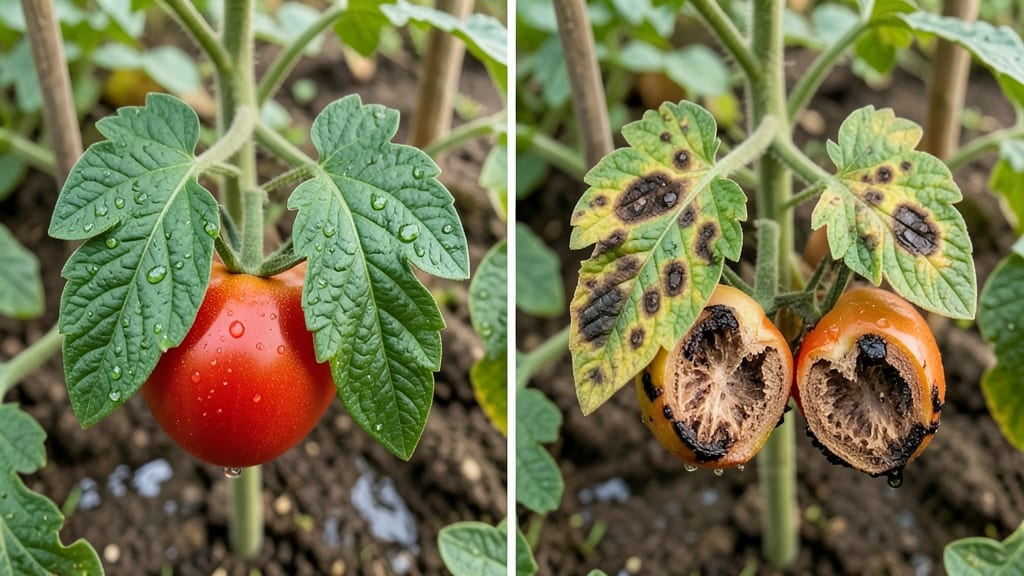
Those black spots on your tomatoes aren't just unsightly—they're anthracnose, and it spreads faster than you think. 🌱 I've seen this fungus turn perfectly good fruit into a mess of sunken lesions, but the good news?
A few fast organic sprays can stop it in its tracks before your harvest disappears. The fungus thrives in wet conditions, so proper spacing and pruning are your first line of defense.
I learned this the hard way when my crowded plants stayed soggy after rain, creating the perfect breeding ground. Now I keep plants 18-24 inches apart and remove lower leaves to improve airflow.
A mix of copper fungicide and baking soda spray (yes, the kitchen staple) applied every 7-10 days will give you the upper hand. You'll see new growth stay clean, and existing spots stop spreading within 2-3 applications if you catch it early.
This works for backyard gardens, containers, and even greenhouse tomatoes. The key is acting before the fungus gets a foothold—once it's in your fruit, it's already too late for that plant.
The Hidden Triggers Behind Tomato Spots
Anthracnose in tomato fruit isn’t just a random blight—it’s a sneaky disease with specific triggers that create the perfect storm for infection. Understanding these causes is the first step to preventing those unsightly black spots from ruining your harvest.
Let’s break down the science behind why your tomatoes fall prey to this fungal foe.
The fungus Colletotrichum thrives in damp conditions, and excess moisture is its best friend. When tomatoes stay wet for prolonged periods—whether from heavy rain, overhead irrigation, or poor airflow—spores germinate and infect fruit through tiny wounds or natural openings like the stem scar. Key triggers:
- Prolonged leaf wetness (over 6 hours) increases infection risk by 50% or more.
- Poor soil drainage keeps roots waterlogged, stressing plants and weakening their defenses.
- Frequent rain during harvest (especially in humid climates) creates ideal conditions for spore spread.
Actionable fix: Space plants for airflow, water at the base (never overhead), and choose drought-resistant tomato varieties like Solar Fire or Mountain Merit.
Anthracnose spores lurk on plant debris, soil, and even healthy-looking fruit. But they need an entry point—and wounds are their golden ticket. Common culprits include:
- Harvesting bruises (dropped or roughly handled tomatoes).
- Hail or wind damage creating micro-tears in the skin.
- Insect bites (e.g., from hornworms or aphids).
- Pruning cuts that don’t heal properly.
The fungus exploits these openings within 24–48 hours of injury. Pro tip: Handle fruit gently during harvest and avoid over-pruning when tomatoes are near maturity.
Anthracnose isn’t picky about heat, but it loves the Goldilocks zone of 77–86°F (25–30°C) with 90%+ humidity. Here’s how climate plays a role:
Condition
Risk Level
Why It Matters
High humidity (>85%)
⚠️ Very High
Slows evaporation, keeping spores active on leaves and fruit longer.
Sudden temperature drops
⚠️ High
Stresses plants, making them more susceptible to infection.
Nighttime dew + warm days
⚠️ Extreme
Creates a "dew period" that fuels spore germination overnight.
Actionable fix: Use shade cloth in peak heat, mulch to stabilize soil temps, and prune lower leaves to improve airflow during humid spells.
Anthracnose spores can survive in soil for years, lying dormant until conditions are right. Sources of infection include:
- Infested soil from previous tomato or pepper crops.
- Compost or mulch containing infected plant material.
- Reused containers (e.g., buckets or pots) with old residue.
Even healthy-looking plants can harbor spores on their roots or stems. Pro tip: Solarize soil in late summer (cover with clear plastic for 4–6 weeks) or plant tomatoes in fresh, raised beds with composted cow manure (not fresh).
When tomato plants compete for sunlight, water, and nutrients, their immune systems weaken. Stress signals—like nutrient deficiencies (especially potassium or calcium) or root-bound roots—make fruit more vulnerable to anthracnose. Watch for:
- Yellowing leaves (nitrogen deficiency).
- Blossom-end rot (calcium deficiency).
- Stunted growth from poor spacing (plants need 18–24" apart).
Actionable fix: Side-dress with kelp meal or crushed eggshells for calcium, and thin plants to reduce competition.
How to Stop Black Spots Fast
Anthracnose in tomato fruit may seem like a stubborn foe, but with the right strategies, you can reverse the damage, protect your crop, and prevent future outbreaks—all while keeping your garden organic and thriving.
Below, we break down targeted solutions for each cause, from immediate fixes to long-term prevention. Think of this as your battle plan against those pesky black spots!
If you’ve already spotted black, sunken lesions or dark streaks on your tomatoes, act fast to contain the fungus before it spreads.
🍳 Step 1: Prune & Dispose of Infected Fruit
- Remove all infected tomatoes (including those with early signs of spots). Do not compost them—toss them in the trash or burn them to prevent spores from lingering.
- Check leaves and stems for signs of the disease.
Prune and destroy any affected foliage immediately. - Wear gloves—anthracnose spores can cling to hands and tools, so clean everything with a 10% bleach solution (1 part bleach to 9 parts water) after handling infected plants.
👨🍳 Step 2: Apply an Organic Fungicide Spray
Once you’ve removed the infected parts, treat your plants with a preventative spray to stop further spread. Here are top organic options:
| Solution | How to Use | Best For |
|---|---|---|
| Baking Soda Spray | Mix 1 tbsp baking soda + 1 tsp dish soap + 1 gallon water. Spray every 7–10 days in dry weather. | Early-stage prevention, mild cases |
| Neem Oil Spray | Combine 2 tbsp neem oil + 1 tsp horticultural oil + 1 tsp soap per gallon. Spray at dawn or dusk (avoid direct sun). | Active infections, deterring spores |
| Copper Fungicide | Follow label instructions (typically 1 tbsp per gallon). Reapply every 1–2 weeks during wet seasons. | Severe outbreaks, high-humidity areas |
| Potassium Bicarbonate | Mix 1 tbsp potassium bicarbonate + 1 tsp soap + 1 gallon water. Spray weekly for prevention. | Organic growers, long-term protection |
✨ Pro Tip: Rotate sprays every few weeks to prevent the fungus from building resistance.
Anthracnose loves damp, stagnant conditions. Adjust your garden’s environment to make it less hospitable for the fungus.
🌡️ Step 3: Space Plants Properly
- Thin out crowded plants—tomatoes need 18–24 inches of space between plants and 3–4 feet between rows for airflow.
- Prune suckers and lower leaves to improve circulation, especially near the soil where spores lurk.
💡 Step 4: Water Smartly - Water at the base (not overhead) to keep leaves dry.
Use drip irrigation or soaker hoses to avoid wetting foliage. - Water in the morning so leaves dry quickly—never water at night (high humidity = fungus party time). - Avoid overhead sprinklers—they spread spores like confetti.
🎯 Step 5: Mulch Correctly
- Use straw or grass clippings (not wood chips) to mulch around plants—this helps reduce soil splashing onto leaves.
- Keep mulch 2–3 inches away from stems to prevent moisture buildup.
Once your tomatoes are healthy again, keep them that way with these preventative power moves:
🌱 Step 6: Choose Resistant Varieties
Some tomato types naturally resist anthracnose. Try:
- ‘Mountain Merit’ (disease-resistant hybrid)
- ‘Cherokee Purple’ (heirloom with good resistance)
- ‘Defiant PhR’ (resistant to multiple diseases)
🌦️ Step 7: Monitor Weather & Adjust Care
- Rainy seasons? Increase spray frequency and cover plants with shade cloth if possible.
- Hot, dry weather? Reduce watering but keep soil consistently moist (not soggy).
- Rotate crops—if you grew tomatoes in the same spot last year, wait 3 years before replanting to break the fungus cycle.
🧪 Step 8: Test Soil & Boost Plant Health
- Healthy plants fight disease better! Test your soil for nitrogen, phosphorus, and potassium imbalances.
- Add compost or organic fertilizer (like fish emulsion) to strengthen plant immunity.
- Avoid over-fertilizing with nitrogen—it makes plants soft and more susceptible to infections.
If more than 50% of your plants are severely infected (blackened, wilting, or covered in spots), it may be best to remove the entire crop to save your garden. Don’t risk spreading spores to next year’s plants!
By following these steps, you’ll not only stop anthracnose in its tracks but also create a tomato-growing environment where this fungus stands no chance. 🚀 Your future harvests will thank you!
Frequently asked questions
Why do my tomato fruits get black spots even when I water them properly?
Black spots from anthracnose aren't just about watering—it's about leaf wetness. Even with proper watering, prolonged moisture on leaves (over 6 hours) creates the perfect environment for spores to germinate. The fungus enters through tiny wounds or natural openings like the stem scar. Try watering at the base in the morning and prune lower leaves to improve airflow.
Can I still eat tomatoes with anthracnose spots?
Small, isolated spots can be cut off and the rest of the tomato is safe to eat. However, if the fruit is heavily infected with sunken, blackened areas, it's best to discard it completely. The fungus doesn't make tomatoes toxic, but the affected areas are unsightly and may harbor more spores. Always wash all tomatoes thoroughly before eating.
How often should I apply organic sprays like neem oil or baking soda?
For prevention, apply every 7-10 days during growing season, especially after rain. If you're treating an active infection, increase to every 5-7 days for 2-3 weeks to fully break the fungus cycle. Always apply in the early morning or evening to avoid leaf burn from direct sunlight. Rotate between neem oil, baking soda, and copper sprays to prevent resistance.
Will anthracnose come back next year if I had it this season?
Yes, spores can survive in soil for years, so prevention is key. Practice crop rotation—wait at least 3 years before planting tomatoes in the same spot. Solarize your soil in late summer (cover with clear plastic for 4-6 weeks) or use fresh, disease-free soil in raised beds. Removing all plant debris and infected material also helps break the cycle.
Are cherry tomatoes more or less susceptible to anthracnose?
Cherry tomatoes are actually more susceptible because their thin skin makes them more vulnerable to wounds and infections. However, some varieties like 'Tiny Tim' or 'Sweet 100' have better resistance than others. The key is proper spacing (12-18 inches apart) and avoiding overhead watering. Harvest cherries frequently to prevent overcrowding and improve airflow.