
Vegetables
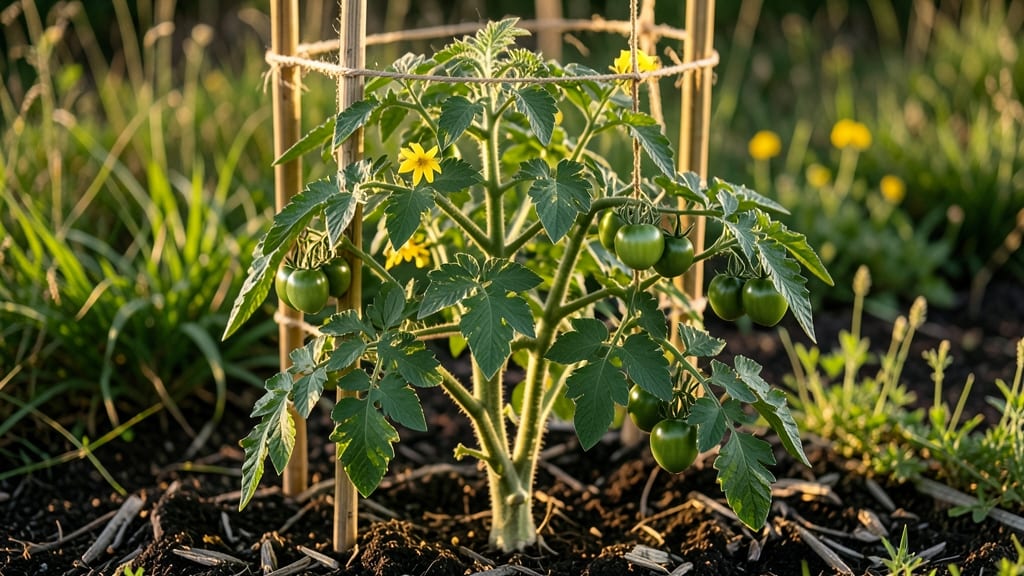
That green tomato looking fruit on your vine might be normal—or it might signal trouble. 🌱 I’ve had my share of "what even is this?" moments with tomatoes, and the difference between a good harvest and a mystery fruit often comes down to timing, care, and knowing when to act.
First, rule out the obvious: blight, pests, or poor pollination can turn tomatoes into weird, green-looking shapes. But if your plant is otherwise healthy, the issue might be simple—like harvesting too late or not giving them enough warmth to ripen.
The good news? Even "failed" tomatoes can still be delicious if you know how to handle them.
You’ll learn how to tell if that fruit is just slow to ripen or if something’s truly wrong, plus foolproof tricks to coax sweetness out of stubborn green tomatoes.
Think sunnier spots, better watering, and even a little kitchen magic if needed. By the end, you’ll never waste another tomato again.
Works for backyard gardens, containers, or even those one stubborn plant that refuses to behave. Let’s get those tomatoes tasting perfect, whether they’re red or still holding onto their green pride.
📚 In This Guide
- What you need
- Instructions
- Tips and common mistakes
- Wrapping up and next steps
What you need
- ● Green tomatoes: 4–6 medium-sized, firm fruits (pick ones with no blemishes for best results).
- ● Brown paper bags: 2–3 medium-sized (kraft or grocery-style work perfectly).
- ● Bananas or apples: 1–2 ripe (ethylene gas producers to speed up ripening).
- ○ Newspaper or junk mail: 1–2 sheets (optional, for cushioning).
- ● Plastic wrap or aluminum foil: 1 small roll/sheet (for sealing bags).
- ● Sharp knife or pruning shears: 1 (for trimming stems if needed).
- ● Small bowl or container: 1 (to hold tomatoes while ripening).
- ● Ethylene-generating products: Like a ripening kit (e.g., EthylBlast) for faster results.
- ● Humidity tray: A shallow dish with water + pebbles (keeps tomatoes moist).
- ● Food-safe spray bottle: For lightly misting tomatoes with water (if your climate is dry).
- ● Labeling tags: To track ripening dates if experimenting with methods.
How to ripen green tomatoes into perfectly sweet fruit
Here's the foolproof method I've used for years to turn green tomatoes into sweet, vine-ripened perfection.
🌱 Step 1: Select and Prepare Your Green Tomatoes
Choose firm, fully grown tomatoes that are just starting to turn color—no soft spots or cracks. I like to pick them in the morning when they're cool and crisp. Place them in a single layer on a tray or plate so they don't touch each other. Crowding traps moisture and can cause rot.
This is the moment that matters: if your tomatoes are still hard and green, they need warmth and ethylene exposure to ripen properly. Avoid using tomatoes that are already soft—they won't improve and may spoil faster.
☀️ Step 2: Create a Warm, Ethylene-Rich Environment
Move your tomatoes to a warm spot—ideally between 65-75°F. A sunny windowsill, garage, or even a closed cardboard box works perfectly. I've had great success using a simple brown paper bag to trap ethylene gases naturally produced by the tomatoes themselves.
Place 3-4 tomatoes in each bag (don't overcrowd) and seal it loosely—you want airflow but need to contain the ethylene. Check daily for condensation. If you see moisture droplets, open the bag for 10 minutes to prevent mold. You'll notice color changes in 3-7 days, depending on your climate.
💧 Step 3: Monitor and Rotate Daily for Even Ripening
Turn your tomatoes every 24 hours so they ripen evenly. You'll see the first signs of ripening as slight yellowing or pink blush on the sunny side. This is your cue to keep them in the warm spot—don't move them to the fridge yet!
I know it seems weird, but don't water or mist them. Tomatoes ripen best when they're dry on the outside. If you notice any tomatoes starting to soften unevenly, remove them immediately and use them first—they're the most ripe and may not keep as long.
⏰ Step 4: Test for Perfect Ripeness
After 5-10 days, gently squeeze your tomatoes. They should yield slightly but still hold their shape—like a perfectly ripe avocado. The color should be mostly red with just a hint of green at the stem end. This is the sweet spot for flavor and texture.
Here's the thing—if they're still firm, give them a few more days. If they're too soft, they've over-ripened and may be mealy inside. The perfect tomato will have a slight give when pressed and a deep, rich color. Once they pass this test, store them in the fridge to slow further ripening.
🌿 Step 5: Use or Preserve Immediately
Ripe tomatoes are best used within 3-5 days of reaching peak ripeness. I like to slice them for sandwiches, make fresh salsa, or freeze extras for winter. For long-term storage, peel and chop them, then freeze in airtight containers with a little olive oil to preserve flavor.
Don't skip this step—I've learned the hard way that overripe tomatoes lose their sweetness quickly. The moment they're perfectly red and slightly soft, use them or preserve them. You'll taste the difference in that perfect balance of sweetness and acidity that only properly ripened tomatoes deliver.
Tips & tricks for perfectly sweet green tomatoes
Here's what nobody tells you about transforming hard green tomatoes into sweet, ripe perfection.
Timing Secret: The 3-7 day window in Step 2 is your sweet spot—but don't rush it! If your kitchen stays consistently warm (above 75°F), you'll see color changes faster. In cooler climates, extend to the full 7 days. I've had tomatoes ripen in just 4 days when placed near a sunny window, but patience pays off with deeper flavor.
Ethylene Boost: For faster ripening, add an apple or banana to your paper bag in Step 2. These fruits release extra ethylene gas, which speeds up the process by 20-30%. Just remove them after 24 hours to prevent over-ripening. I discovered this trick after struggling with slow ripening in my cool basement kitchen.
Condition Check: In Step 4, the "slight give" test is crucial—press gently near the stem end where the tomato is thickest. A perfectly ripe tomato should feel firm but yield slightly, like pressing your thumb into a ripe peach. If it springs back immediately, it's not ready yet; if it leaves an indent, it's overripe.
Storage Wisdom: Once ripe, store your tomatoes in the fridge for up to 5 days, but remove them 1 hour before using. Cold temperatures slow down the ripening process and preserve that just-picked sweetness. I always keep a few on the counter at room temperature for immediate use in salads or sandwiches.
Pro Tips for Green Tomato Looking Fruit
- Here's what nobody tells you about transforming hard green tomatoes into sweet, ripe perfection.
- Timing Secret: The 3-7 day window in Step 2 is your sweet spot—but don't rush it!
- Ethylene Boost: For faster ripening, add an apple or banana to your paper bag in Step 2.
Frequently asked questions
Got questions about ripening those green tomato-looking fruits into sweet, juicy tomatoes? You’re not alone! Here are some of the most common queries—plus quick, no-fuss answers to get you growing.
Can I eat green tomatoes straight from the vine?
Green tomatoes are edible and packed with tangy flavor. Try frying them for fried green tomatoes or pickling them for a zesty twist. Just know they’ll be firmer and less sweet than ripe ones.
How long does it take for green tomatoes to ripen indoors?
With the right conditions, green tomatoes can ripen in 3–7 days. Place them in a paper bag with a banana or apple (ethylene producers) and check daily. If they stay green after a week, they may need more warmth or sunlight.
What’s the best temperature for ripening tomatoes?
Aim for 65–75°F (18–24°C)—warmer temps speed up ripening, while cooler spots slow it down. Avoid refrigerating them (it stops the process), but a sunny windowsill or warm pantry works great.
What if my tomatoes stay green even after ripening tricks?
Some varieties (like Green Zebra) are bred to stay green. Others may need more time or better conditions. Try a tomato ripening spray (water + a drop of dish soap) to encourage color change. If all else fails, use them in salsas or sauces!
Are there alternatives if my tomatoes won’t ripen?
Yes! Use unripe tomatoes in:
- Sauces (cook them to soften)
- Salsas (blend with lime and cilantro)
- Pickles (preserve their tangy crunch)
- Tomato powder (dehydrate and grind for a shelf-stable boost)
Wrapping up and next steps
Whether you’re dealing with a green tomato looking fruit that’s still on the vine or one you’ve picked early, these ripening tricks will help you unlock that perfectly sweet, juicy tomato you’ve been dreaming of! 🌱✨ The key is patience, the right conditions, and a little creativity—like wrapping them in newspaper or using a brown paper bag.
Now that you’re armed with these foolproof methods, there’s no reason to let those unripe tomatoes go to waste.
Ready to transform your kitchen (or garden) into a tomato-ripening powerhouse? Grab those green tomatoes, pick your favorite method, and start experimenting! Try one technique this week, and let us know which one worked best for you—your future meals (and taste buds) will thank you!