
Companion Plants
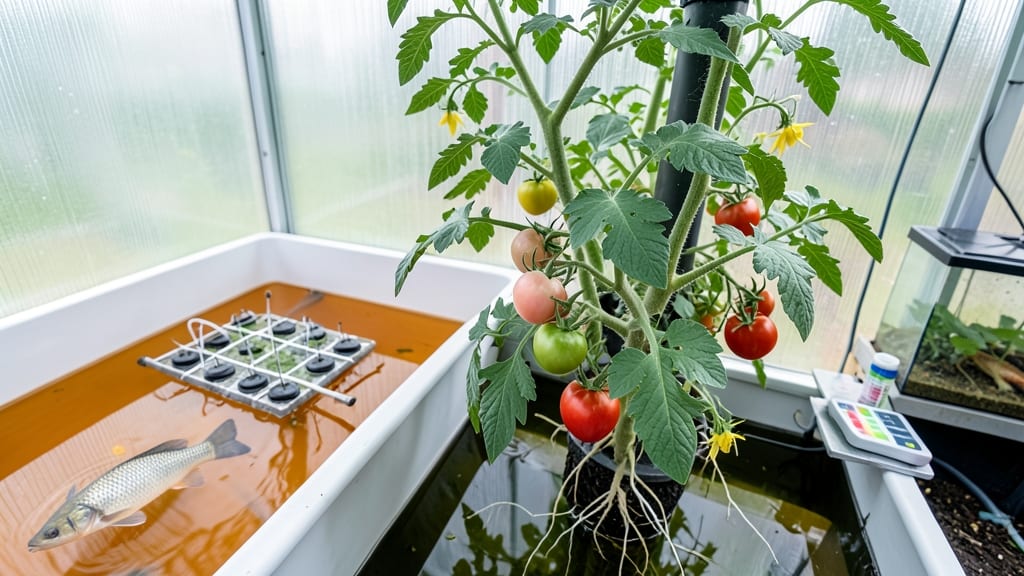
Growing tomato plants in aquaponics delivers vibrant, soil-free harvests in just 30 days—no dirt, no digging, just lush vines and juicy fruit. 🌱 I’ve watched my cherry tomatoes go from tiny seedlings to bursting clusters while the fish below thrive, and the secret isn’t complicated: it’s all about balancing water, nutrients, and plant needs in one closed-loop system.
The first time I saw my aquaponic tomatoes ripen a full two weeks earlier than my garden beds, I knew I’d never go back.
You’ll need a grow bed, water pump, and fish tank (even a small 20-gallon setup works), plus a few key supplies like grow media (clay pebbles or lava rock) and a pH test kit—because tomatoes hate acidic water.
The real magic happens when you pick the right tomato varieties (cherry or dwarf types excel) and match them with fish like tilapia or goldfish, which provide the natural fertilizer your plants crave. No soil, no mess, just steady growth and a system that feeds itself.
By day 30, you’ll be harvesting bright red tomatoes while your fish stay healthy and your water stays crystal clear. The best part? This system uses 90% less water than traditional gardening, and the fish get a fresh snack too.
It’s not just growing plants—it’s creating a self-sustaining ecosystem that works harder than you do. Ready to set up your own? The hardest part will be waiting for those first ripe bites.
Here’s the catch: patience and monitoring are key—watch for algae, adjust pH weekly, and don’t overfeed your fish. But once you crack the balance, you’ll wonder why you ever gardened any other way. The payoff? Tomatoes so sweet they taste like summer, even in winter. Let’s get your system running!
📚 In This Guide
- What you need
- Instructions
- Tips and common mistakes
- Wrapping up and next steps
What you need
- ● Grow Bed: 1x 10–20 gallon aquaponics grow bed (IBC tote or custom-built bed with a net pot tray)
- ● 1x Water pump (50–100 GPH) (for circulation)
- ● Fish Tank: 1x 10–20 gallon fish tank (for tilapia, goldfish, or catfish)
- ● 1x Air pump + air stone (to oxygenate water)
- ● Plumbing & Connectors: 1x 1/2" or 3/4" PVC pipe (for water flow between tank and grow bed)
- ● 2x PVC elbows (to direct water)
- ● 1x Submersible water pump (if using a separate sump)
- ● Growing Medium: 1 bag clay pebbles or expanded clay (for grow bed drainage)
- ● Tomato Plants: 3–5 determinate tomato seedlings (e.g., 'Cherry Tom,' 'Roma,' or 'Early Girl')
- ● 5x 3–4" net pots (for individual plant placement)
- ● Fish: 3–5 small tilapia or goldfish (1–2 inches long)
- ● Extras: pH test kit (to monitor water acidity, ideal: 6.0–7.0)
- ● Water conditioner (to remove chlorine/chloramine)
- ● Grow lights (if indoors, 12–16 hrs/day)
- ● Automatic timer for lights/pump (saves time!)
- ● Water heater (keeps roots cozy in cooler climates)
- ● Extra net pots for companion plants (e.g., basil or lettuce)
- ● Water testing strips (for ammonia/nitrite levels)
Step-by-step guide to growing tomatoes in aquaponics
Here's how I turn seedlings into thriving tomato plants in just 30 days—no soil required.
🌱 Step 1: Set Up Your Aquaponics System for Tomatoes
Start with a media bed system (gravel or expanded clay) that allows roots to oxygenate properly—tomatoes are heavy feeders and need space to grow. Use a grow bed to fish tank ratio of 3:1 to support their nutrient demands. I like to use 1/4-inch expanded clay because it provides both surface area for beneficial bacteria and drainage for root health.
Install a bell siphon to regulate water flow—tomatoes prefer consistent moisture but will drown if submerged. Position the grow bed near a south-facing window or under grow lights (14-16 hours daily) to ensure they get enough light for fruiting. The water temperature should stay between 70-80°F—any cooler and growth slows dramatically.
💧 Step 2: Introduce Seedlings and Monitor Water Parameters
Once your system is cycling (ammonia and nitrites are at 0 ppm), gently place 4-week-old tomato seedlings into net pots filled with clay pebbles. Submerge the roots just enough to cover them—no soil contact—and secure the pots so they don’t float. I use cherry or dwarf varieties like 'Tiny Tim' or 'Patio Princess' because they handle aquaponics better than indeterminate types.
Check water parameters daily for the first week: pH 6.0-6.5, dissolved oxygen above 5 ppm, and nitrate levels between 20-50 ppm. Tomatoes are sensitive to fluctuations—if pH drifts, add pH down (like phosphoric acid) gradually. Watch for white roots emerging from the net pots; this means the system is working and roots are accessing nutrients.
☀️ Step 3: Support Growth and Prune for Productivity
As plants reach 12 inches tall, install trellises or stakes to support their weight—aquaponic tomatoes grow faster than soil-grown ones but need structural support to prevent toppling. Prune suckers (the shoots that grow between the stem and branches) weekly to direct energy to fruit production. I leave 2-3 main stems for dwarf varieties and 4-5 for indeterminate types to balance growth and yield.
Supplement with calcium and magnesium if leaves show signs of blossom end rot (dark spots on fruit) or yellowing between veins (magnesium deficiency). A weekly dose of liquid calcium nitrate keeps plants strong. Harvest cherry tomatoes when fully colored (usually 50-60 days after flowering) to encourage continuous production.
✂️ Step 4: Maintain System Balance for Continuous Harvest
After the first harvest, reduce pruning to allow more fruit to set, but keep removing yellow leaves to prevent disease. Tomatoes in aquaponics produce 2-3 times faster than in soil, so expect weekly harvests if conditions are ideal. Watch for root growth—if roots start circling the net pot, it’s time to divide and repot into a larger container.
Adjust fish stocking levels if you notice cloudy water or low oxygen—too many fish can stress the system. A 1-inch tilapia or 2-inch catfish per gallon of water is a good starting point. By 30 days, your plants should be flowering heavily and producing marketable fruit—just keep those parameters in check!
Tips & tricks for thriving aquaponics tomato plants
Common pitfalls—and how to sidestep every one when growing tomatoes hydroponically.
System Setup: The 3:1 grow bed to fish tank ratio is non-negotiable for tomatoes. These heavy feeders need that extra volume to prevent nutrient depletion. I've seen beginners use 2:1 ratios and end up with stunted plants—don't make that mistake. Also, that 1/4-inch expanded clay isn't just for drainage; the surface area supports beneficial bacterial colonies that break down fish waste into plant nutrients.
Lighting Secret: Those 14-16 hours of daily light are critical, but quality matters more than quantity. LED grow lights with a red-blue spectrum (around 650nm/450nm) promote flowering while blue spectrum (around 400-500nm) encourages leafy growth. Position lights 12-18 inches above plants for optimal coverage—closer for seedlings, farther as they mature.
Parameter Precision: Tomatoes hate fluctuations, so treat those pH 6.0-6.5 and 20-50 ppm nitrate ranges like sacred vows. I keep a digital pH meter and test twice daily during the first week. A drift of just 0.5 pH points can lock out essential nutrients. For nitrates, aim for the mid-range (35-45 ppm)—too low and growth stalls, too high and you risk salt buildup.
Pruning Strategy: That weekly pruning of suckers might seem tedious, but it's the difference between bushy foliage and productive fruit. I use clean, sharp scissors to make cuts just above a leaf node. For dwarf varieties, I leave 2-3 main stems—any more and you'll get more leaves than tomatoes. The key is consistency: prune when suckers are 2-3 inches long before they start competing for nutrients.
Pro Tips for Aquaponics Tomato Plants
- Common pitfalls—and how to sidestep every one when growing tomatoes hydroponically.
- System Setup: The 3:1 grow bed to fish tank ratio is non-negotiable for tomatoes.
- Lighting Secret: Those 14-16 hours of daily light are critical, but quality matters more than quantity.
Frequently asked questions
Got questions about growing tomatoes in aquaponics?
You’re not alone! Here are answers to the most common queries to help you grow thriving, soil-free Solanum lycopersicum like a pro.
Can I grow any tomato variety in aquaponics?
Most tomato varieties thrive in aquaponics, but determinate (bush) types like 'Roma' or 'Celebrity' are ideal for beginners—they’re compact and produce heavy yields. Indeterminate varieties (e.g., 'Cherry,' 'Beefsteak') need sturdy support (like trellises) to handle their vining growth. Avoid heirlooms with long fruiting times unless you’re experienced!
How long does it take for aquaponics tomatoes to fruit?
With the right setup, you’ll see flowers in 4–6 weeks after transplanting seedlings, and ripe tomatoes in 8–12 weeks total. Speed up the process by:
- Using high-quality fish food (like bloodworms) to boost nutrient levels.
- Maintaining water temps between 70–85°F (ideal for fish and tomatoes!).
- Avoiding overcrowding—space plants 12–18 inches apart.
What fish are best for aquaponics tomatoes?
The best fish for tomato aquaponics are hardy, fast-growing, and nutrient-rich:
- Tilapia – Tolerates warmer water and produces high-protein waste.
- Catfish – Cold-water tolerant and voracious eaters (great for beginners!).
- Silver Perch – Thrives in 75–85°F and loves pellets.
Why are my aquaponics tomato leaves turning yellow?
Yellow leaves (chlorosis) usually signal nutrient imbalances. Check these fixes:
Issue
Solution
Too much nitrogen
Reduce fish feed or add barley straw to absorb excess.
Low calcium (blossom-end rot)
Add crushed eggshells or calcium nitrate to the water.
pH imbalance (ideal: 6.0–7.0)
Test water weekly and adjust with pH up/down solutions.
Root rot (from stagnant water)
Increase water flow or add an air stone.
Can I grow other plants alongside tomatoes in aquaponics?
Tomatoes pair well with companion plants that share similar needs:
- Basil – Repels pests and enhances flavor.
- Lettuce/Spinach – Fast-growing and shallow-rooted.
- Peppers – Thrive in the same pH/water temps.
- Avoid: Fennel (inhibits growth) or brassicas (compete for nutrients).
Wrapping up and next steps
Growing aquaponics tomato plants without soil isn’t just possible—it’s a rewarding adventure that yields delicious, nutrient-packed fruit in just 30 days! 🌱 By combining fish and plants in a symbiotic system, you’ll save space, water, and effort while enjoying fresh tomatoes year-round.
Whether you’re a beginner or a seasoned gardener, this method proves that sustainability and flavor go hand in hand.
Ready to take the next step? Start small with a test setup—experiment with varieties like Cherry or Roma tomatoes—and watch your green thumb grow! 🌿 Share your progress, tweak your system, and soon, you’ll be harvesting tomatoes that taste like summer in every bite.