
Pests and Diseases
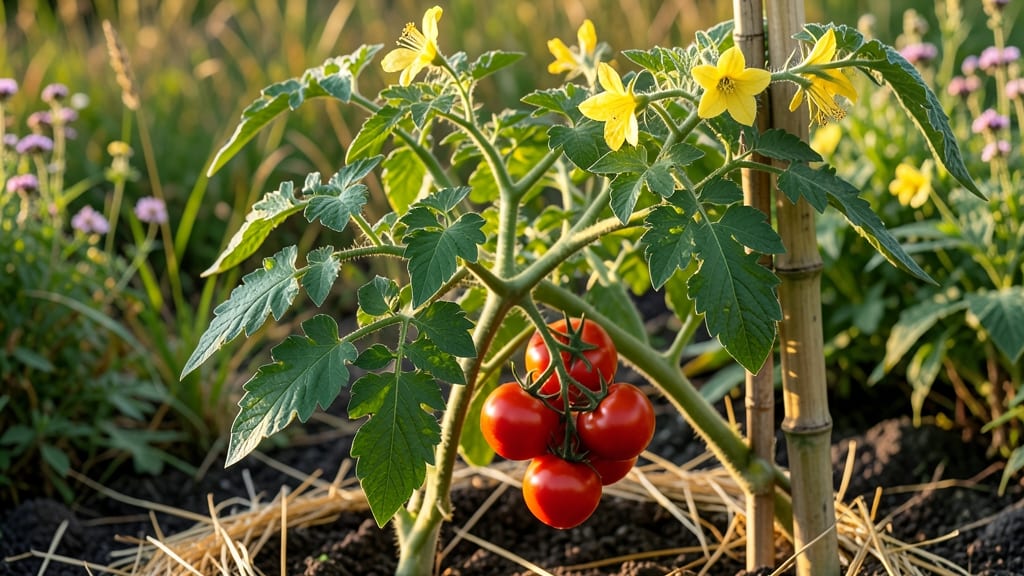
Are tomato leaves poisonous? Yes, they contain toxic alkaloids like solanine and tomatine that can cause nausea, vomiting, or neurological symptoms if ingested in large quantities. Avoid eating them raw or cooked, and keep pets away from tomato plants.
These toxic compounds are naturally occurring defense mechanisms in the plant, with leaves containing significantly higher concentrations than the fruit. 🌿 While the occasional nibble might not cause immediate harm, consuming large amounts—especially from green, unripe leaves—can lead to more severe reactions.
I always recommend removing all leaves before using tomatoes in cooking to eliminate any risk.
The good news is that properly ripened tomato fruit is safe to eat, as the toxic compounds break down during the ripening process. However, green tomatoes and unripe fruit still carry higher levels of these alkaloids, so they should be consumed with caution.
This is why gardeners often remove leaves before harvesting tomatoes for consumption.
For pet owners, it's crucial to monitor animals around tomato plants, as even small ingestions can cause digestive upset or more serious symptoms. If you suspect poisoning in your pet, contact a veterinarian immediately. 🐾
💡 In This Article
- Toxic Compounds in Tomato Leaves: Solanine and Tomatine Breakdown
- Safely Handling Tomato Plants: Gardening and Pet-Proofing Tips
Toxic compounds in tomato leaves: solanine and tomatine breakdown
The tomato plant's defense system relies on two key alkaloids: solanine and tomatine. These compounds act as natural pesticides, deterring insects and herbivores. Solanine is more common in nightshade plants like potatoes and eggplants, while tomatine is specific to tomatoes.
Both are concentrated in the leaves, stems, and green parts of the fruit, with leaves containing 10-15 times more than ripe tomatoes. 🌱
Solanine works by binding to acetylcholine receptors in the nervous system, disrupting nerve signal transmission. This can cause symptoms ranging from mild gastrointestinal distress to severe neurological effects in high doses.
Tomatine, while structurally similar, has a slightly different mechanism—it disrupts cell membranes in pests, creating microscopic holes that kill them. In humans, both compounds trigger similar reactions, but tomatine is generally considered slightly less toxic than solanine.
The threshold for toxicity varies, but consuming 1-2 pounds of leaves could cause noticeable symptoms in adults.
What makes tomato leaves particularly risky is their bitter taste, which masks the plant's natural warning signal. Unlike ripe tomatoes, which have a sweet, palatable flavor, leaves are often chewed accidentally during gardening or by curious pets.
The toxic dose isn't precisely defined, but studies suggest that 0.1-0.2 mg of solanine per kilogram of body weight can cause symptoms in humans. For a 150-pound adult, that translates to roughly 20-30 grams of leaves—about 1-2 large leaves—though sensitivity varies widely.
The ripening process dramatically reduces these compounds in tomatoes. Green tomatoes contain 3-5 times more solanine than ripe ones, which is why they should be cooked thoroughly before eating. Interestingly, exposure to light increases alkaloid production, which is why tomato plants grown in full sun develop more bitter leaves.
This is why gardeners often prune lower leaves that touch the soil, as they're more likely to develop higher concentrations of these toxic compounds. 🌞
Pets are especially vulnerable because they lack the ability to taste bitterness as strongly as humans. Dogs and cats have fewer taste buds, making them more likely to ingest leaves without realizing the danger. Even small amounts can cause drooling, vomiting, or lethargy.
The key difference between human and pet toxicity is that animals often consume leaves in larger relative quantities due to their smaller size, increasing their risk of exposure.
Understanding these compounds helps explain why tomato plants have evolved this way. The bitter taste and toxicity act as a dual deterrent—discouraging both insects and larger animals from eating the leaves while allowing the fruit to ripen undisturbed.
This evolutionary trade-off ensures the plant's survival, but it also means gardeners and pet owners must stay vigilant when handling tomato plants. 🌿