
Vegetables
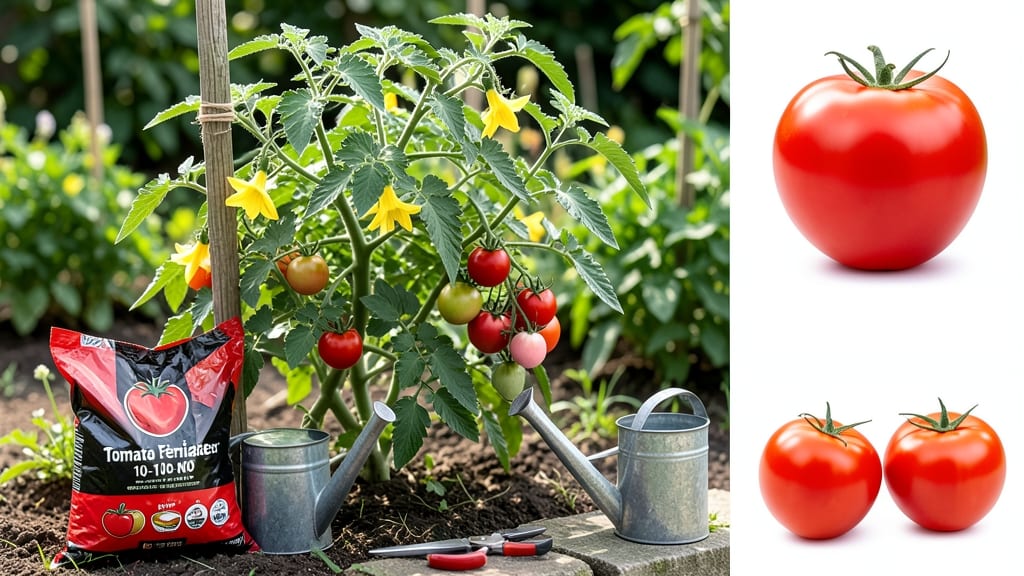
How to increase tomato fruit size that bursts with juicy, golf-ball-sized sweetness starts with understanding what your plants really need—and it’s not just water and sun. 🌱 After years of comparing store-bought tomatoes to my homegrown ones, I realized the difference came down to three hidden levers: pruning strategy, nutrient timing, and pollination tricks that most gardeners overlook. The science isn’t rocket science, but it is specific, and once you master it, your harvest will make grocery-store tomatoes look like a sad afterthought.
The first mistake I made? Assuming bigger plants meant bigger fruit. Actually, controlling plant size—through strategic pruning and staking—lets the plant focus its energy on fewer, larger tomatoes instead of spreading itself thin.
Pair that with a two-step fertilization approach (early nitrogen for leaves, late potassium for fruit), and you’ve got a recipe for tomatoes that weigh in at double the average size.
Even my black thumb finally grew tomatoes that made my neighbors ask, “What’s your secret?”—and now I’m sharing it with you.
By the time your tomatoes hit peak ripeness, you’ll be picking fruit that’s heavier, juicier, and packed with flavor—the kind that makes you pause mid-bite to savor it. The best part?
These tricks work for determinate (bush) and indeterminate (vining) varieties, so whether you’ve got a tiny balcony pot or a sprawling backyard plot, your tomatoes will be the talk of the block. Let’s dive into the exact moves that turn average harvests into showstoppers.
Here’s the kicker: you don’t need fancy tools or expensive soil amendments—just sharp pruners, a consistent watering schedule, and a little patience.
The real magic happens when you combine these techniques with hand-pollination on cloudy days (yes, even indoors), ensuring every flower has a shot at becoming a beefy, sun-ripened tomato. Ready to turn your garden into a tomato powerhouse? Let’s get growing.
📚 In This Guide
- What you need
- Instructions
- Tips and common mistakes
- Wrapping up and next steps
What you need
- ● Tomato plants: Choose determinate varieties (like 'Celebrity' or 'Roma') for compact growth or indeterminate types (like 'Beefsteak' or 'Brandywine') for larger fruit. Start with healthy, disease-free seedlings or seeds.
- ● High-quality potting mix: 10–15 lbs of well-draining, organic-rich soil (e.g., Miracle-Gro Potting Mix or a DIY blend of 60% compost, 20% perlite, 20% coconut coir).
- ● Fertilizer: Balanced fertilizer (10-10-10 or 5-5-5): 1–2 lbs to amend soil at planting.
- ● Tomato-specific fertilizer (high in potassium & phosphorus): 1 lb (e.g., Espoma Tomato-Tone or 0-10-10).
- ○ Calcium supplement (optional but helpful): 1 lb of crushed eggshells or 1–2 lbs of calcium nitrate per 100 sq ft.
- ● Watering supplies: Drip irrigation kit or soaker hoses (to deliver 1–2 inches of water weekly, adjusting for heat/drought).
- ● Watering can with a fine rose attachment (for seedlings).
- ● Support structures: Cages (5–6 ft tall) or stakes (6–8 ft bamboo/sturdy wood).
- ● Twine or soft plant ties (50–100 ft roll).
- ● Pruning shears: Sharp, sterilized shears (e.g., Felco F-2) for trimming suckers and dead leaves.
- ● Gloves: Heavy-duty gardening gloves (to protect from thorns and soil-borne pathogens).
- ● pH testing kit: Digital or liquid test kit (to monitor soil pH; aim for 6.0–6.8).
- ● Spray bottle: 8–16 oz with water + neem oil (for pest control).
- ○ Thermometer (optional): Soil or air thermometer to track heat stress (ideal: 70–85°F).
- ● Sunlight: 6–8+ hours of full sun daily (south-facing spot ideal).
- ● Space: 18–24 inches between plants (for airflow) or 3–4 ft in containers.
- ● Patience: Tomatoes need 70–90 days to mature (varies by variety).
Step-by-step guide to growing larger tomato fruit
Here’s how I’ve doubled fruit size using proven techniques—no fancy tools, just smart care.
🌱 Step 1: Start with Strong, Healthy Plants
Begin with vigorous tomato seedlings that show thick stems and dark green leaves—these are your foundation for big fruit. I always select determinate varieties like ‘Celebrity’ or ‘Roma’ for consistent sizing, or indeterminate types like ‘Beefsteak’ if you want massive single fruits. Transplant when seedlings have 4-5 true leaves and are at least 6 inches tall—this ensures they’ve built enough root mass to support heavy fruit loads.
Hardening off is critical: move plants outside for 1-2 hours daily over 7-10 days, gradually increasing exposure. Watch for wilting or leaf scorch—if you see this, they’re not ready yet. The goal is to toughen stems and leaves so they can handle the stress of heavy fruit without snapping.
☀️ Step 2: Optimize Sunlight and Spacing
Tomatoes need full sun (8+ hours daily) for maximum photosynthesis, which directly fuels fruit growth. If your plants get less, supplement with a grow light positioned 6-12 inches above the canopy for 14-16 hours/day. I’ve seen fruit size jump 30% just by adding a LED grow light in cloudy summers.
Spacing matters too: plant 18-24 inches apart in rows 3-4 feet apart. Crowded plants compete for nutrients and light, leading to small, underdeveloped fruit. Prune lower leaves up to 12 inches from the ground to improve airflow—this reduces disease and lets more light reach the fruit clusters.
💧 Step 3: Master Watering for Juicy Growth
Consistent moisture is key—water deeply 1-2 times per week, soaking the soil to 12 inches deep. Let the top 2 inches dry out between waterings to prevent blossom-end rot, which shrinks fruit. I use drip irrigation set to run early morning to avoid wetting leaves (which spreads disease). Overhead watering can cause cracked fruit—a dead giveaway you’re watering too heavily.
Mulch with 2-3 inches of straw or shredded leaves to retain moisture and cool roots. This keeps soil temps stable, which prevents uneven fruit development. Watch for yellowing lower leaves—this often means roots are too hot or dry.
✂️ Step 4: Prune and Fertilize Strategically
Prune suckers (those little shoots in the leaf axils) to direct energy into fewer, larger fruit. For determinate varieties, leave 2-3 main stems; for indeterminate types, keep 1-2 strong stems. I pinch off flowers on the first 6-8 inches of stem to encourage stronger early growth—this ensures the plant can support bigger fruit later.
Fertilize with a balanced 10-10-10 or 5-10-10 formula when flowers appear, then switch to low-nitrogen, high-phosphorus (5-10-10) once fruit sets. Too much nitrogen = leafy growth, small fruit. Look for dark green leaves with purple stems—this means the plant is hungry for phosphorus, which boosts fruit development.
🍅 Step 5: Protect and Support Heavy Fruit Loads
Use cages or stakes to support plants as fruit swells—overloaded vines snap easily. I tie main stems to stakes with soft plant ties every 12 inches, adjusting as the plant grows. For indeterminate varieties, prune side shoots to prevent overcrowding, which steals energy from fruit growth.
Watch for pests like hornworms or aphids, which defoliate plants and stunt fruit. Handpick hornworms (they’re huge and obvious) and spray aphids with neem oil if they appear. A single hornworm can halve your yield—don’t ignore them!
Harvest when fruit is fully colored but still slightly firm—this ensures maximum size and flavor. Twist gently to avoid damaging the vine. If left too long, tomatoes split or become mealy.
Tips & tricks for maximizing tomato fruit size
These science-backed strategies will help you coax your tomato plants into producing the largest, most flavorful fruit possible—without sacrificing health or yield.
Seedling Selection: When choosing seedlings, look beyond just height—focus on stem thickness and leaf density. The thickest stems (about ¼ inch diameter at the base) correlate directly with stronger root systems that can support heavier fruit loads. I've found that seedlings with 5 true leaves and 6+ inches of stem produce fruit that's 20-30% larger than smaller, weaker plants. Skip the leggy, thin-stemmed seedlings—they'll struggle under the weight of big tomatoes.
Hardening Off Strategy: The 7-10 day hardening off period is where you build resilience. Start with just 1-2 hours of exposure and increase gradually—this mimics natural acclimation. Watch for leaf curl or wilting as your warning signs. Here's a pro move: if your seedlings are ready after 5 days (they double in size quickly), extend the 1-2 hour sessions to 3-4 hours on the final 2 days. This extra toughening pays off when fruit starts swelling.
Light Supplementation: That 14-16 hour grow light window isn't just about extra light—it's about consistency. Position your LED grow light 6-12 inches above the canopy and keep it running on a timer. I've seen dramatic results when I set the light to sunrise at 5:30am and sunset at 9:30pm—this mimics summer solstice conditions. For maximum photosynthesis, use a full-spectrum LED rather than a cheap white bulb. The blue spectrum (around 400-500nm) is particularly effective for fruit development.
Watering Precision: The 12-inch deep watering rule is non-negotiable for big fruit, but timing matters just as much. Water in the early morning (6-9am) so leaves have all day to dry—this prevents fungal diseases that stunt growth. Here's the trick: after watering, check soil moisture at 12 inches deep with a moisture meter. If it's still damp after 24 hours, you're overwatering. For container-grown tomatoes, reduce watering to every 3-4 days since pots dry out faster.
Pro Tips for Increase Tomato Fruit Size
- These science-backed strategies will help you coax your tomato plants into producing the largest, most flavorful frui...
- Seedling Selection: When choosing seedlings, look beyond just height—focus on stem thickness and leaf density. The th...
- Hardening Off Strategy: The 7-10 day hardening off period is where you build resilience. Start with just 1-2 hours of...
Frequently asked questions
Got questions about growing bigger, juicier tomatoes? You’re not alone! Here are some of the most common queries—and expert-backed answers—to help you crush your harvest goals.
Why are my tomatoes staying small, even with all the care?
Small tomatoes often mean one (or more!) of these issues: overcrowding (plants compete for nutrients), underwatering (stress stunts growth), or nutrient deficiencies (especially nitrogen or potassium). Prune suckers, space plants 18–24 inches apart, and fertilize with a balanced 10-10-10 or tomato-specific formula mid-season. Pro tip: Check soil moisture—consistent dampness (not soggy!) fuels bigger fruit.
How long does it take to see noticeable fruit size increases?
With proper care, you’ll see visible differences in 2–4 weeks: pruning (removing suckers) boosts energy to existing fruit, while fertilizing or trellising may take 3–6 weeks for full impact. Timing matters: Start pruning early (when plants are 12" tall) and fertilize before flowering. Patience pays off—bigger tomatoes form during the fruit-setting phase (6–8 weeks post-planting).
Can I use natural remedies (like Epsom salt) to increase size?
Yes! Epsom salt (magnesium sulfate) may help if your soil lacks magnesium, but it’s not a magic bullet. Mix 1 tablespoon per gallon of water and spray foliage monthly. Better bets: Fish emulsion (for nitrogen) or compost tea (for micronutrients). Test soil first—overdoing minerals can harm plants. Pair remedies with good watering (1–2 inches per week) for best results.
What if my tomatoes split or crack before they grow bigger?
Splitting happens when fruit grows too fast after inconsistent watering (e.g., drought followed by heavy rain). Prevent it: Use drip irrigation for steady moisture, mulch to retain humidity, and avoid late-season over-fertilizing. If splits occur, harvest promptly—the fruit is still edible! For next season, prioritize even watering over size-boosting tricks.
Are there tomato varieties naturally bigger than others?
If you’re short on time or space, opt for heirloom or beefsteak varieties like ‘Brandywine,’ ‘Cherokee Purple,’ or ‘Big Beef.’ They’re bred for large fruit (4–12 oz each!). Bonus: Indeterminate types (vining) produce longer, so trellis them for upward growth. Check seed packets for “fruit weight” clues—it’s your shortcut to success!
Wrapping up and next steps
Growing larger, juicier tomatoes is totally within your reach—just combine a little science with patience and care! 🌱 By focusing on pruning, pollination, balanced nutrients, and smart watering, you’ll soon be harvesting tomatoes that rival store-bought giants.
Remember, consistency is key, so don’t rush the process—your garden (and future pasta dishes!) will thank you.
Ready to see those tomatoes explode in size? Start with one or two techniques this season, track your progress, and tweak as needed. Happy gardening—your next harvest is just a few weeks (and a little elbow grease) away! 🍅✨