
Shrubs
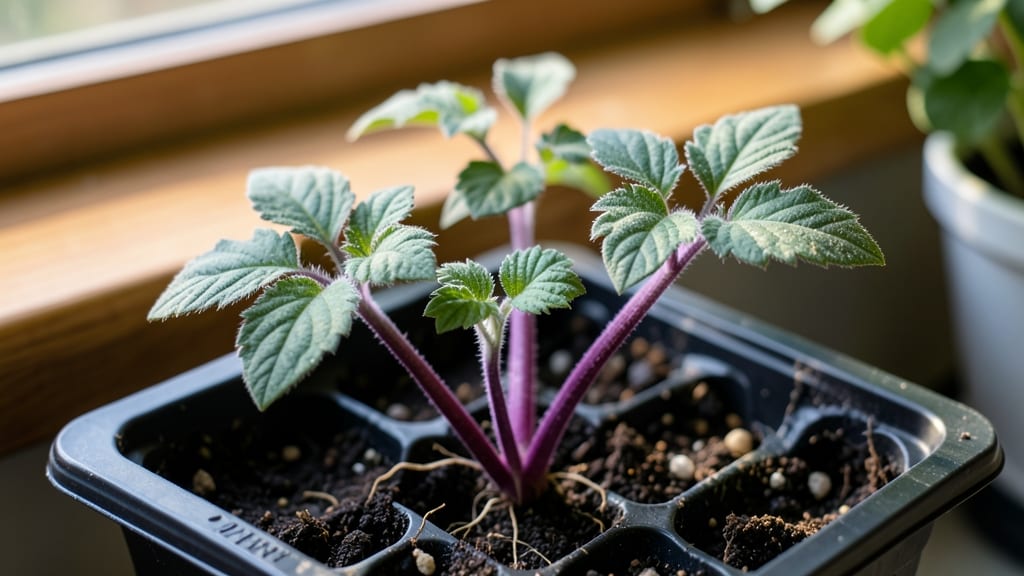
Growing purple stem tomato seedlings unlocks a garden showstopper that doubles as a productive powerhouse. 🌱 These striking plants aren't just pretty—their deep violet stems contain anthocyanins, the same antioxidants found in blueberries, while producing flavorful fruit with vibrant green foliage that makes your garden the talk of the neighborhood.
Start with quality seedlings from reputable growers, as purple stems indicate healthy, disease-resistant plants. They thrive in full sun (6+ hours daily) and well-draining soil with a pH between 6.0-6.8. The stems' color intensifies when exposed to bright light, creating that dramatic contrast with lush green leaves and red fruit.
Water consistently at the soil level to prevent stem rot while keeping roots moist—purple stems signal when they're thirsty by wilting slightly. Prune suckers aggressively to focus energy on fruit production, and stake early to support their slightly heavier foliage compared to standard varieties.
By midsummer, you'll harvest tomatoes with an extra pop of color from both the fruit and the stems, plus the satisfaction of growing a plant that's as nutritious as it is beautiful.
These varieties perform especially well in containers, making them perfect for urban gardens or small spaces where you want maximum impact.
📚 In This Guide
- What you need
- Instructions
- Tips and common mistakes
- Wrapping up and next steps
What you need
- ● Purple stems tomato seeds – 10–20 seeds (adjust based on desired yield). Look for heirloom varieties like 'Indigo Rose' or 'Black Krim'.
- ● Seed-starting trays or pots – 2–4 inch deep, with drainage holes. Biodegradable peat pots are eco-friendly!
- ● Seed-starting mix – 2–3 quarts of sterile, well-draining potting soil (avoid garden soil—it’s too dense!).
- ● Grow lights or sunny windowsill – 12–16 hours of light daily. A full-spectrum LED grow light works wonders.
- ● Misting bottle or spray nozzle – For gentle hydration without disturbing seeds.
- ● Plastic wrap or humidity dome – To retain moisture until germination (7–14 days).
- ○ Fertilizer (optional but helpful) – A balanced, water-soluble fertilizer (e.g., 5-5-5 or 10-10-10) diluted to half-strength for seedlings.
- ● Gloves – To keep hands clean (tomato seedlings can be prickly!).
- ● Small hand trowel – For transplanting delicate seedlings.
- ● pH testing kit – Aim for soil pH 6.0–6.8 (tomatoes love slightly acidic soil!).
- ○ Heat mat (optional) – Speeds up germination if your space is chilly (70–80°F is ideal).
- ● Label markers – To track varieties (purple stems fade as plants mature—keep notes!).
- ● Transplant trays or larger containers – For hardening off seedlings before outdoor planting.
Step-by-Step guide to growing purple stem tomato varieties
These striking plants need the same care as other tomatoes—but with a few special tricks to keep those vibrant stems healthy.
🌱 Step 1: Select the Right Purple Stem Varieties
Start with Indigo Rose, Black Cherry, or Purple Calabash—these are the most reliable purple-stemmed varieties. All three produce fruit with deep purple or black hues, but their stems stay a rich, almost violet color when grown in full sun. Avoid hybrid mixes unless they specifically list purple stems, as many "purple" tomatoes revert to green stems.
I order seeds from specialty growers like Baker Creek Heirloom Seeds or Territorial Seed Company—they consistently deliver true purple-stemmed plants. If you're starting from transplants, check the stems at the nursery. A healthy purple stem should look deep violet with no green streaks, not washed-out lavender.
☀️ Step 2: Plant in Full Sun with Rich Soil
Purple stems develop their most intense color in full sun (6-8 hours daily) and well-draining soil. Amend your planting area with 2-3 inches of compost before transplanting—these tomatoes are heavy feeders, and poor soil dulls the stem color. I mix in a handful of kelp meal at planting time to boost natural pigments.
Space plants 18-24 inches apart in rows 3 feet apart to allow airflow. Crowding stresses plants and causes stems to revert to green. After planting, water deeply to settle the soil—this prevents stem discoloration from transplant shock. Mulch with straw or shredded leaves to maintain even moisture and protect stems from soil-borne diseases.
💧 Step 3: Water and Fertilize for Vibrant Stems
Consistent moisture is key—water at the base every 2-3 days until the top 2 inches of soil feel dry. Purple stems fade when plants experience drought stress, so use a soaker hose to deliver water slowly. Avoid wetting the stems directly, as this promotes fungal issues that can turn them brown.
Fertilize with a balanced organic fertilizer (5-5-5) every 3-4 weeks starting when flowers appear. I switch to a low-nitrogen, high-phosphorus feed (3-6-3) when fruit sets to prevent stem color loss. Too much nitrogen washes out the purple pigments—watch for green streaks if you over-fertilize.
✂️ Step 4: Prune and Support for Strong Stems
Prune suckers (the shoots that grow between the main stem and branches) to 2-3 leaves—this directs energy to stem development. Purple stems are more delicate than green ones, so I use soft tree ties (not wire) to stake plants. Secure the main stem to the stake at 6-inch intervals to prevent bending, which causes stems to revert to green.
Remove any leaves touching the soil to prevent disease. I also pinch off the first few flowers to encourage stronger stem growth—this ensures the remaining stems stay deep purple rather than fading to green as the plant matures. Harvest fruit when it reaches 75% of its expected size to maintain stem vibrancy.
🌿 Step 5: Protect Stems from Stress and Pests
Purple stems are sensitive to tomato hornworms and aphids, which can cause discoloration. I inspect plants weekly and handpick pests—aphids leave sticky residue that dulls stem color. For hornworms, I release parasitic wasps (not chemicals) to avoid damaging the stems.
If stems start turning green, it’s usually a sign of overwatering or nutrient imbalance. Adjust your routine—let the top 1 inch of soil dry out between waterings and reduce nitrogen-heavy fertilizers. A quick fix is to spray stems with diluted compost tea (1:10 ratio) to restore pigment naturally.
Tips & tricks for vibrant purple stem tomatoes
These little details make all the difference when growing tomatoes with stunning purple stems that stay true to their heirloom promise.
Variety Verification: Always double-check your seed packets or transplant tags for "purple stem" guarantees. I've seen "purple" tomato plants revert to green stems after just a few weeks—especially in cooler climates. For true color retention, stick with certified varieties like Indigo Rose or Purple Calabash. If you're buying transplants, inspect the stems at the nursery before purchasing; healthy purple stems should be deep violet with no green streaks.
Sunlight Strategy: The 6-8 hours of full sun mentioned in Step 2 is non-negotiable for vibrant stems. I've noticed that morning sun (before 10am) actually intensifies the purple pigments more than afternoon heat. If your garden gets afternoon shade, position your plants to catch those early morning rays. Also, avoid reflective surfaces nearby—glossy pavement or white walls can scorch stems and cause color fading.
Soil Secrets: That 2-3 inches of compost recommendation in Step 2 isn't just about nutrients—it's about creating the right soil environment. The compost should be well-aged (no fresh manure) to prevent temperature fluctuations that stress delicate purple stems. I add a handful of worm castings mixed with the compost for extra microbial activity, which helps maintain consistent moisture levels that purple stems crave. Think of it as giving your stems a spa treatment.
Pest Prevention: The weekly inspections mentioned for hornworms and aphids are crucial, but I've found an extra trick that works wonders: plant a border of nasturtiums around your tomato patch. These bright flowers attract aphids away from your tomatoes, and their natural pest-repelling properties create a protective barrier. Plus, they add gorgeous color to your garden while doing double duty as pest control.
Pro Tips for Purple Stems Tomato Seedlings
- These little details make all the difference when growing tomatoes with stunning purple stems that stay true to their...
- Variety Verification: Always double-check your seed packets or transplant tags for "purple stem" guarantees. I've see...
- Sunlight Strategy: The 6-8 hours of full sun mentioned in Step 2 is non-negotiable for vibrant stems. I've noticed th...
Frequently asked questions
Got questions about growing purple stems tomato seedlings? You’re not alone! Here are answers to the most common queries to help you nurture these stunning plants with confidence.
Why do my purple stems tomato seedlings have purple stems?
The deep purple color in stems (and sometimes leaves) is natural—it’s a trait of heirloom varieties like Indigo Rose or Purple Calabash. The pigment, called anthocyanin, acts as a sunscreen for the plant, protecting it from UV damage. No cause for concern unless stems turn black or mushy, which could signal disease (like blight).
When should I transplant purple stems tomato seedlings outdoors?
Wait until after the last frost and soil temps stay above 55°F (13°C)—usually late spring or early summer, depending on your zone. Seedlings should be 4–6 inches tall with 2–3 sets of true leaves and sturdy purple stems. Harden them off 7–10 days before transplanting to avoid shock. Pro tip: Plant in the afternoon to reduce transplant stress!
Can I grow purple stems tomatoes in containers?
These tomatoes thrive in 5-gallon containers or larger with well-draining potting mix. Choose a determinate variety (like Black Krim) for smaller spaces, as they stay compact. Ensure containers have drainage holes and support the plant with a cage or trellis—purple stems can get heavy! Rotate containers weekly for even growth.
What pests or diseases target purple stems tomato seedlings?
Purple stems aren’t immune to common tomato pests like aphids, hornworms, or whiteflies, but their vibrant color can deter some bugs. Watch for:
- Fungal issues: Early blight (brown spots) or powdery mildew (white dust). Improve airflow and avoid overhead watering.
- Viral diseases: Yellowing leaves or stunted growth? Remove affected plants immediately.
- Herbicide drift: Purple stems can look damaged if exposed to glyphosate—stick to organic sprays if nearby.
Do purple stems affect tomato flavor or yield?
Not at all! The purple pigment is non-toxic and fades as the fruit matures. In fact, many purple-stemmed varieties (like Cherokee Purple) are prized for their sweeter, richer flavors and higher antioxidant levels. Yields may be slightly smaller than hybrid varieties, but the unique taste and visual appeal make them worth it for gardeners who love heirlooms.
Wrapping up and next steps
Growing purple stems tomato seedlings isn’t just about adding a pop of color to your garden—it’s a rewarding journey into a world of unique flavors and resilience! These striking plants thrive with the right care, from well-draining soil to proper sunlight and pruning.
Whether you’re a seasoned gardener or just starting out, your efforts will soon be rewarded with vibrant, productive vines and delicious harvests.
Now that you’re armed with the know-how, it’s time to roll up your sleeves and give these beauties the love they deserve. Start planting your purple stems seedlings today—your future tomato feast awaits! 🌱✨