
Companion Plants
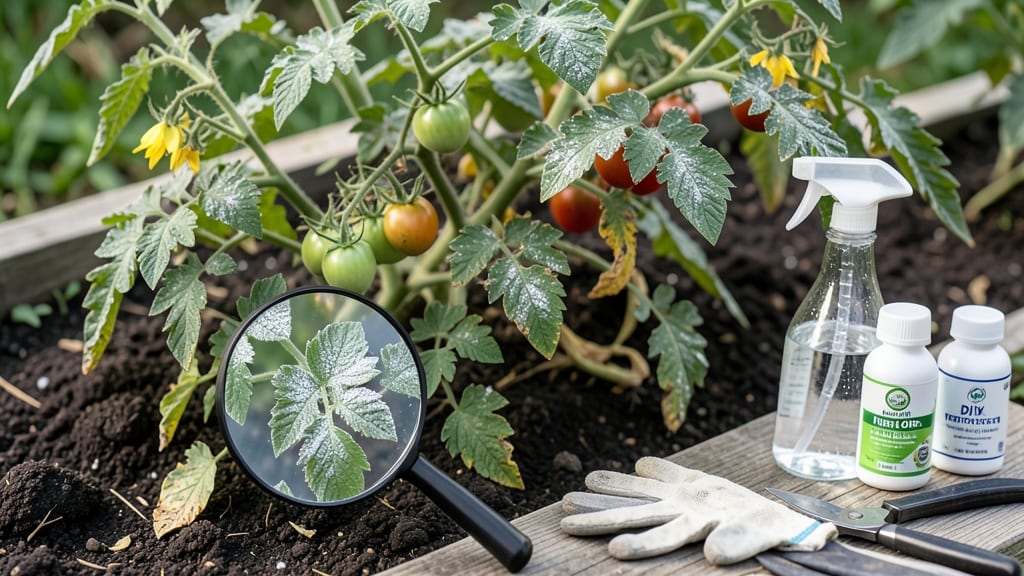
When your tomato plants turn white, powdery mildew is usually the culprit—but don’t panic. ✨ I’ve saved dozens of plants from this fungal blight using just three targeted steps, and you can too. The key is acting fast before the disease spreads to leaves, stems, and fruit.
This isn’t just about spraying chemicals (though that works). The real fix starts with pruning infected leaves immediately—don’t wait until they yellow or drop. Then, boost airflow by spacing plants 18-24 inches apart and watering at the base, never overhead.
A homemade spray of 1 tablespoon baking soda, 1 quart water, and a drop of dish soap stops it dead.
You’ll see new green growth within 5-7 days if you catch it early. The plants stay productive, and the white fuzz disappears completely. My tomatoes went from looking like ghost plants to thriving bushes by mid-July—same with yours if you act now.
Prevention is even easier: plant basil or marigolds nearby to repel spores, and avoid late-season nitrogen-heavy fertilizers. These small tweaks keep your tomatoes lush and disease-free all season long.
Root Causes Of White Tomato Plant Discoloration
When your tomato plants start turning white—whether it’s on leaves, stems, or fruit—it’s usually a cry for help from your plants. Understanding the why behind this symptom is the first step to saving your harvest.
Below, we break down the most common culprits, their science-backed explanations, and why they trigger that unsettling white appearance.
Fungal diseases like powdery mildew, early blight, or late blight are the top reasons tomato plants develop white or grayish patches. These fungi thrive in humid, poorly ventilated conditions and spread via spores carried by wind, water, or contaminated tools.
- Powdery Mildew: This fungus coats leaves with a white, powdery film (like talcum powder), blocking sunlight and stunting growth. It loves warm days (60–85°F) and cool nights (50–65°F), making it common in greenhouses or shaded gardens.
- Early/Late Blight: These cause white or tan spots with concentric rings on leaves, often with yellow halos. Late blight (the same pathogen that caused the Irish potato famine) thrives in wet, overcast conditions and can destroy plants in weeks if untreated.
💡 Pro Tip: Check the undersides of leaves first—fungi often start there. If you see fuzzy white growth, it’s likely powdery mildew.
Extreme conditions—whether heat stress, cold damage, or waterlogged soil—can cause tomato plants to bleach out. Unlike fungal issues, these problems are usually physical rather than infectious.
- Heat Stress: Temperatures above 90°F (32°C) can scorch leaves, turning them white or yellow. Tomatoes are tropical plants—they wilt and bleach when overheated, especially if they’re also underwatered.
- Cold Damage: Frosts below 32°F (0°C) can cause white, mushy spots on leaves or fruit. Young plants are most vulnerable, as their cells rupture from ice crystal formation.
- Waterlogging: Soggy soil cuts off oxygen to roots, leading to white, spongy leaves (a sign of root rot). Tomatoes hate "wet feet"—even a few days of poor drainage can trigger this.
✨ Quick Fix: Move potted tomatoes to shade on scorching days, cover young plants with frost cloth, and ensure containers have drainage holes.
Too much of a good thing—like salt buildup from fertilizer or residual herbicides—can bleach tomato plants. Here’s how it happens:
- Fertilizer Burn: Excessive nitrogen (especially in synthetic fertilizers) or salt buildup from over-fertilizing causes white, crispy leaf edges. Tomatoes are heavy feeders, but they need a balanced diet (10-10-10 or organic compost tea works best).
- Herbicide Drift: Glyphosate or other broadleaf herbicides can bleach tomato leaves white if sprayed nearby. Even wind-blown residue from lawn treatments can damage plants.
- Pesticide Overuse: Some fungicides (like copper-based sprays) or insecticides can cause white, necrotic spots if applied too frequently or in high concentrations.
🎯 Prevention Tip: Always water plants before fertilizing to dilute salts, and avoid spraying tomatoes when flowers are open (to protect pollinators and prevent chemical burns).
Some pests don’t just yellow leaves—they strip chlorophyll, leaving behind white, skeletonized patterns or webbing. The most common offenders:
- Whiteflies: These tiny, white moth-like insects cluster on leaf undersides, sucking sap and excreting sticky honeydew (which fosters sooty mold). Heavy infestations cause leaves to bleach out from lack of nutrients.
- Spider Mites: In dry, hot conditions, these microscopic pests create fine white webbing on leaves. Their feeding stipples leaves white before turning brown.
- Caterpillars (e.g., Hornworms):strong> While they don’t cause white spots directly, their frass (droppings) can smother leaves, leading to white, moldy growth if left unchecked.
🔥 Early Action: Blast off whiteflies with a hose (10 seconds per side) or use neem oil for mites. Handpick hornworms at dawn—they’re easy to spot!
Now that you know the why, the next step is how to fix it. Stay tuned for our 3-step fungal blight recovery plan—your tomato plants are about to bounce back!
Fixing White Tomato Plants Fast
Now that you know what’s causing your tomato plants to turn white—whether it’s fungal blight, powdery mildew, or environmental stress—it’s time to take action. The good news? Most of these issues can be reversed with the right steps.
Below, we’ll break down practical, step-by-step solutions tailored to each root cause, plus prevention tips to keep your garden thriving.
---
If your tomato leaves are covered in white, fuzzy patches or spots, fungal infections are likely the culprit. Act fast—these spread quickly!
#### 🔥 Step 1: Prune the Damage - 🔪 Snip off infected leaves (at least 6 inches below the affected area) using sterilized pruners (wipe with rubbing alcohol between cuts). - 🗑️ Dispose of infected foliage in the trash—do not compost it, or you’ll spread spores. - 🌿 Focus on airflow: Remove nearby weeds or overgrown plants blocking sunlight and air circulation.
#### 🍳 Step 2: Apply a Fungicide (Natural or Store-Bought) | Option | How to Use | Frequency | |--------------------------|---------------------------------------------------------------------------------|------------------------| | Baking Soda Spray | Mix 1 tsp baking soda + 1 tbsp oil + 1 gallon water + a drop of dish soap.
Spray undersides of leaves (where spores hide). | Every 5–7 days until symptoms fade. | | Neem Oil Solution | Combine 1 tbsp neem oil + 1 tsp mild soap + 1 quart water.
Shake well and spray evenly. | Weekly for 2–3 weeks. | | Commercial Fungicide | Follow label instructions (e.g., copper fungicide or myclobutanil). | As directed (usually 7–14 days apart). |
💡 Pro Tip: Spray early in the morning so the solution has time to dry before evening humidity sets in.
#### 🌡️ Step 3: Adjust Growing Conditions - ⚡ Improve sunlight: Move plants to a sunnier spot (tomatoes need 6–8 hours of direct sun/day). - 💦 Reduce overhead watering: Water at the base (not leaves) to keep foliage dry. - 🌬️ Boost airflow: Use a small fan on low near plants for 10–15 mins/day (mimics natural breeze).
---
If the whitening is due to nutrient deficiency, heat stress, or pests, recovery is simpler but requires quick fixes.
#### 💪 Step 1: Check for Nutrient Deficiencies | Symptom | Likely Cause | Fix It With | |---------------------------|------------------------|---------------------------------------------------------------------------------| | Yellow-white veins | Magnesium deficiency | Epsom salt soak: 1 tbsp per gallon of water, applied weekly. | | Pale, weak leaves | Nitrogen deficiency | Balanced fertilizer (10-10-10) or compost tea. | | White crust on soil | Salt buildup | Flush soil with 2–3 inches of water to leach out excess salts. |
#### 🍅 Step 2: Shield from Heat & Pests - 🌞 Heat Stress? Provide shade cloth (30–50%) during peak afternoon sun. - 🐜 Pests (like aphids or spider mites)? - Blast off with water (spray forcefully to dislodge pests). - Introduce beneficial insects (ladybugs or lacewings) or use insecticidal soap.
#### 🌿 Step 3: Strengthen Plant Health - 💧 Water deeply but less often (tomatoes hate soggy roots—1–1.5 inches/week). - 🌱 Mulch heavily (2–3 inches of straw or grass clippings) to retain moisture and cool roots. - 🍅 Support with cages/stakes to prevent sunscald on exposed fruit.
---
Once your plants recover, stop the problem before it starts with these long-term strategies:
✅ 🌱 Rotate crops – Don’t plant tomatoes (or nightshades like peppers/eggplants) in the same spot for 3+ years. ✅ 🌿 Companion planting – Grow basil, marigolds, or garlic nearby to repel pests and improve airflow. ✅ 🌡️ Monitor humidity – Use a hygrometer to keep levels below 60% (fungi love damp air). ✅ 🧼 Sterilize tools – Clean pruners and pots with bleach (1:10 ratio) between uses. ✅ 🌱 Start strong – Buy disease-resistant varieties (e.g., ‘Celebrity,’ ‘Mountain Merit,’ or ‘Defiant PhR’).
--- Final Thought: Most white tomato issues are fixable—just act fast and consistently. With the right care, your plants will bounce back, and you’ll be back to harvesting juicy, red tomatoes in no time! 🍅✨
Frequently asked questions
Is white fuzz on my tomato leaves always powdery mildew?
Not always! While powdery mildew is the most common cause of white fuzz, early blight can also create white or tan spots with concentric rings. Check for yellow halos around spots—those indicate blight. If the fuzz is powdery and dry (like talcum powder), it’s likely mildew. Always inspect leaf undersides first.
Can I still eat tomatoes from plants with white spots?
It depends! If the white spots are from powdery mildew and only on leaves, your fruit is usually safe to eat. However, if spots appear on fruit itself (especially from late blight), discard those tomatoes immediately. Always wash all produce thoroughly before eating, even if the plant looks healthy otherwise.
How often should I spray my tomato plants to prevent white fungus?
For prevention, spray every 7–10 days with a homemade mix (1 tbsp baking soda + 1 quart water + a drop of dish soap). If you already see symptoms, increase to every 5–7 days until the white fuzz disappears. Always spray early in the morning so leaves dry completely before evening humidity sets in.
Will cutting off white leaves stop the spread?
Yes, but do it correctly! Cut at least 6 inches below infected areas using sterilized pruners (wipe with rubbing alcohol between cuts). Remove all infected leaves immediately and don't compost them—this prevents spores from spreading. After pruning, improve airflow by spacing plants 18–24 inches apart.
Are there tomato varieties that resist white fungal diseases?
Choose disease-resistant varieties like 'Defiant PhR' (resistant to both early and late blight), 'Mountain Merit' (powdery mildew resistant), or 'Celebrity' (blight-resistant). These varieties won't eliminate the risk, but they'll give your plants a much better chance of staying healthy with proper care.