
How To
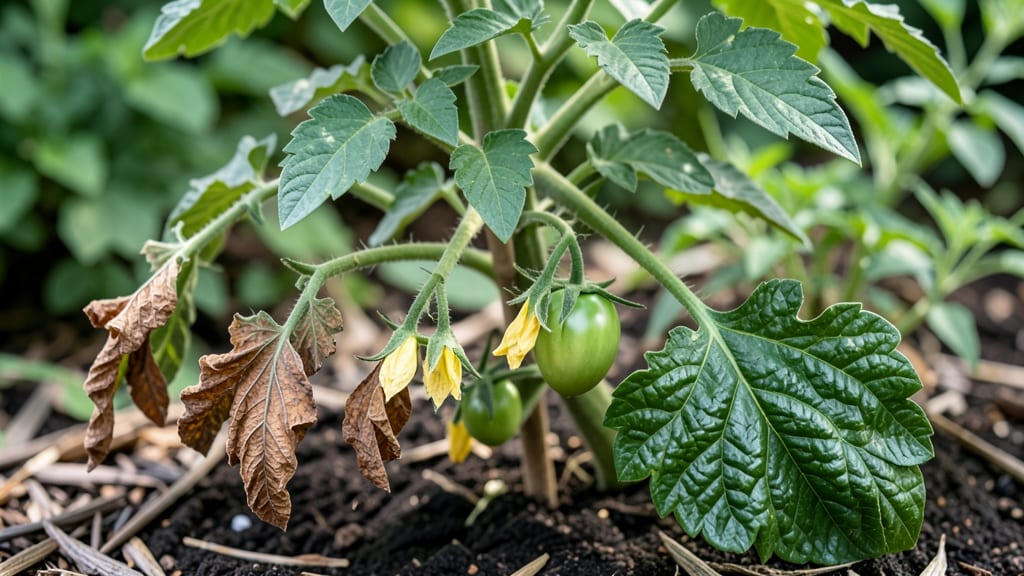
Those brown tips on your tomato plant leaves turning brown are basically screaming for help—usually from water stress, nutrient imbalance, or environmental factors. 🌱 I’ve seen this turn into a full-blown crisis when ignored, but the good news?
Most fixes take less than 10 minutes and start working within days. The key is figuring out why it’s happening before jumping to solutions.
Start by checking the soil moisture—too much or too little can cause those crispy edges. Then inspect the undersides of leaves for pests like spider mites, which suck moisture right out of the plant.
Finally, peek at the soil pH and nutrient levels: a deficiency in calcium or magnesium often shows up as brown tips, especially in fast-growing tomatoes. My plants looked like they’d been sunburned until I adjusted their care.
Once you pinpoint the issue, the fixes are straightforward: adjust watering (deep, consistent soaks), balance nutrients (Epsom salt for magnesium, crushed eggshells for calcium), and protect from extremes (mulch to retain moisture, shade cloth for scorching heat). Within a week, you’ll see new growth pushing out with healthy, vibrant edges.
Prevention is even easier—test soil before planting, water consistently, and prune for better airflow. These small steps keep your tomatoes lush and productive all season. Let’s get those leaves looking fresh again!
Root Causes Behind Brown Leaf Tips
When your tomato plant’s leaves start showing brown, crispy tips, it’s often a cry for help from the plant itself. Understanding the why behind this issue is the first step to saving your harvest.
Below, we break down the most common culprits—each with a clear scientific explanation and actionable clues to identify the problem.
The most frequent offender is excess moisture, which disrupts the plant’s ability to absorb nutrients properly. When roots sit in soggy soil for too long, they struggle to take up water efficiently, leading to oxidative stress in the leaves.
This causes the tips to turn brown and brittle, almost like paper.
How to spot it:
- Yellowing leaves (not just brown tips)
- Mushy, blackened roots when checked
- Soil that stays damp for days after watering
Why it happens: Poor drainage or overwatering forces roots to suffocate, limiting their access to oxygen. Without oxygen, roots can’t process nutrients like calcium, leading to nutrient deficiency symptoms—including those telltale brown edges.
On the flip side, dry soil can also trigger brown tips, though the damage looks slightly different. When roots don’t get enough water, the plant prioritizes sending moisture to younger leaves and flowers, leaving older leaves to wilting and crisping at the edges.
How to spot it:
- Dry, crumbly soil at the surface
- Leaves that feel dry or papery to the touch
- Brown tips that spread inward over time
Why it happens: Water stress causes osmotic imbalance in plant cells. Without adequate hydration, cells lose turgor pressure (their plumpness), leading to dehydration and necrosis (cell death) at the leaf margins.
Tomatoes thrive in moderate conditions, but sudden temperature swings or dry air can wreak havoc. Low humidity causes water to evaporate too quickly from leaf edges, while high heat or cold stress forces the plant to shut down certain functions, including nutrient transport.
How to spot it:
- Brown tips that appear suddenly after a heatwave or cold snap
- Leaves that feel dry or rough, even if soil is moist
- Wilting during the day but recovering at night (heat stress)
Why it happens:
- High heat: Accelerates transpiration (water loss) faster than roots can replenish it, leading to edge burn.
- Low humidity: Reduces the plant’s ability to absorb water through leaf surfaces, causing desiccation.
- Cold damage: Slows metabolic processes, including nutrient uptake, leading to calcium deficiency symptoms.
Brown, crispy tips are often a classic sign of calcium deficiency, a condition called blossom end rot’s less-famous cousin. Calcium is crucial for cell wall strength, and without enough of it, leaf edges become weak and prone to browning.
How to spot it:
- Brown tips that spread inward like a V-shape
- New growth is stunted or deformed
- Fruits may also show dark, sunken spots (classic blossom end rot)
Why it happens:
- Imbalanced soil pH: Calcium becomes unavailable if soil is too acidic (
7.5). - Poor root absorption: Overwatering or compacted soil limits root access to calcium.
- High nitrogen fertilizer: Overloading on nitrogen can outcompete calcium uptake.
Too much salt or fertilizer in the soil can burn roots and leaves, causing brown, crispy edges. This is especially common with synthetic fertilizers or tap water high in chlorine/sodium.
How to spot it:
- Brown tips that appear suddenly after fertilizing
- White crust on soil surface (excess salt)
- Yellowing between leaf veins (chlorosis)
Why it happens: High salt concentrations in soil disrupt osmosis, preventing roots from absorbing water and nutrients. This leads to cellular dehydration and necrosis, starting at the leaf margins where water loss is highest.
While less common, pests like spider mites or fungal infections (e.g., early blight) can weaken leaves, making them susceptible to browning. Pests sap nutrients, while diseases clog stomata (leaf pores), reducing water regulation.
How to spot it:
- Tiny webs or specks on leaves (mites)
- Dark spots with concentric rings (fungal disease)
- Sticky residue (aphids or honeydew)
Why it happens:
- Pests: Reduce chlorophyll production, leading to nutrient starvation.
- Diseases: Block stomata, causing water imbalance and leaf edge damage.
Quick Fixes for Crispy Tomato Leaves
Now that you know the root causes behind those unsightly brown tips on your tomato plant leaves, it’s time to roll up your sleeves and get to work! 🌱 The good news? Most fixes are simple, cost-effective, and can restore your plants to their vibrant best in no time.
Below, we’ve mapped out practical solutions for each common cause, along with prevention tips to keep your tomato plants thriving long-term.
---
Signs: Yellowing leaves with crispy brown edges, soggy soil, or dry, brittle foliage.
#### 1. Adjust Your Watering Routine 🔥 - For Overwatering: - Let the top 1–2 inches of soil dry out between waterings.
Stick your finger in the soil—if it’s damp, wait a day or two. - Improve drainage by adding perlite or sand to heavy clay pots or garden beds. - Ensure pots have drainage holes (no exceptions!). If repotting isn’t an option, create holes with a drill.
- For Underwatering: - Water deeply and slowly at the base of the plant (not the leaves) to encourage strong root growth. - Use a drip irrigation system or soaker hose to deliver consistent moisture without wetting foliage. - Mulch around the base with straw or wood chips to retain moisture and regulate soil temperature.
#### 2. Check Your Water Quality 💡 - Test for chlorine or fluoride (common in tap water). If present, let water sit out for 24 hours before using or invest in a dechlorination kit. - Avoid cold water—it can shock roots. Use lukewarm water instead.
🌡️ Prevention Tip: - Water in the early morning (6–9 AM) to reduce evaporation and fungal risks. - Group plants with similar water needs together to streamline care.
---
Signs: Brown, papery edges on leaves exposed to direct sunlight, especially in hot afternoons.
#### 1.
Provide Shade During Peak Hours 🌿 - Use shade cloth (30–50% coverage) or lightweight row covers to filter harsh midday sun (11 AM–3 PM). - Plant tomatoes near tall crops (like corn or sunflowers) to create natural shade. - If growing in containers, move pots to a slightly shadier spot during extreme heat.
#### 2. Boost Hydration & Humidity 💦 - Mist leaves lightly in the morning (avoid evening misting to prevent fungal diseases). - Place a tray of water near pots to increase humidity without overwatering. - Avoid wetting leaves when watering—direct the stream to the soil instead.
✨ Prevention Tip: - Hardening off seedlings gradually before transplanting helps them tolerate sun better. - Choose heat-tolerant tomato varieties like ‘Solar Fire’ or ‘Heatmaster’ for hot climates.
---
Signs: Brown, mushy tips with yellow halos, white powdery spots, or black mold.
#### 1. Remove & Dispose of Infected Leaves 🔪 - Snip off browned or spotted leaves with sterilized scissors (wipe with rubbing alcohol between cuts). - Do not compost infected plant material—trash it immediately to prevent spread.
#### 2. Apply Fungicidal Sprays 🛡️ - Baking soda spray: Mix 1 tsp baking soda + 1 quart water + a few drops of dish soap.
Spray leaves every 7–10 days. - Neem oil solution: Combine 1 tbsp neem oil + 1 tsp mild soap + 1 quart water. Spray in the early morning (avoid direct sun). - Copper fungicide (like Copper Soap) for severe bacterial infections—follow label instructions.
#### 3. Improve Air Circulation 🌬️ - Space plants 18–24 inches apart to reduce humidity buildup. - Prune lower leaves to allow airflow and sunlight to reach the canopy. - Use a small fan on low speed near plants to keep leaves dry.
💡 Prevention Tip: - Water at the base and avoid overhead sprinkling. - Rotate crops annually to prevent soil-borne pathogens from lingering.
---
Signs: Brown tips with yellowing between veins (magnesium deficiency), or stunted growth with dark brown edges (salt buildup).
#### 1. Flush the Soil 🚰 - For salt buildup (from tap water or fertilizers): Water the soil thoroughly for 10–15 minutes to leach out excess salts. - Repeat 2–3 times over a week to restore balance.
#### 2.
Balance Your Fertilizer 📊 - For nitrogen deficiency: Use a balanced fertilizer (10-10-10) or compost tea. - For magnesium deficiency: Apply Epsom salt (1 tbsp per gallon of water) every 2 weeks as a foliar spray or soil drench. - Avoid over-fertilizing—follow package instructions and dilute liquid fertilizers by half.
🌿 Prevention Tip: - Test your soil every 2–3 years with a home kit or send a sample to a local extension office. - Use organic matter like compost or worm castings to improve soil health naturally.
---
Signs: Brown, chewed edges, tiny holes, or webbing on leaves.
#### 1. Remove Pests Manually 👨🍳 - Handpick larger pests (like tomato hornworms) and drop them into soapy water. - Wipe leaves with a damp cloth to remove aphids or spider mites.
#### 2. Use Natural Repellents 🌿 - Neem oil spray (as above) deters many pests. - Insecticidal soap (like Safer Brand) kills soft-bodied pests on contact. - Plant companion crops like basil, marigolds, or nasturtiums to repel pests naturally.
🎯 Prevention Tip: - Inspect plants weekly for early signs of pests. - Encourage beneficial insects like ladybugs and lacewings by planting dill, fennel, or alyssum.
--- Final Thought: Most brown-tipped tomato leaves recover within 1–2 weeks once the underlying issue is fixed. Stay consistent with your care routine, and your plants will bounce back stronger than ever! 🍅✨ For persistent problems, consider repotting or transplanting to fresher soil.
Frequently asked questions
Why do tomato leaves get brown tips even when I water them regularly?
Brown tips often appear when water isn't reaching the roots properly. Check if your soil is too compacted or if you're only watering the surface. Tomatoes need deep, consistent moisture—aim for 1-1.5 inches per week. Also, test your water: chlorine or salt buildup can cause damage even with regular watering.
Can Epsom salt fix brown tips caused by nutrient deficiencies?
If your tomato leaves show yellowing between veins with brown tips, it's likely a magnesium deficiency. Mix 1 tablespoon of Epsom salt per gallon of water and spray it on leaves every 2 weeks. For soil application, sprinkle 1 tablespoon per plant and water thoroughly. Results appear in 7-10 days.
Is it safe to prune leaves with brown tips?
Yes, but do it carefully! Use sterilized scissors to trim only the brown, crispy edges—never healthy green tissue. Remove affected leaves in the morning when humidity is lower to prevent fungal infections. For severe cases, prune 10-20% of foliage to improve airflow and reduce stress on the plant.
Will my tomato plant recover if I fix the problem now?
Most tomato plants recover quickly once the issue is addressed! New growth typically emerges within 3-7 days with healthy green edges. The key is consistency—keep soil moisture balanced, protect from extreme temperatures, and monitor for pests. Even if some leaves stay damaged, your plant will focus energy on producing new, vibrant foliage and fruits.
How can I prevent brown tips in future tomato harvests?
Start with well-draining soil (mix in compost and perlite) and use mulch to retain moisture. Water deeply in the morning and avoid wetting leaves. Test soil pH (6.0-6.8 is ideal) and use a balanced fertilizer (like 10-10-10). Finally, choose disease-resistant varieties like 'Celebrity' or 'Better Boy' for stronger plants.