
How To
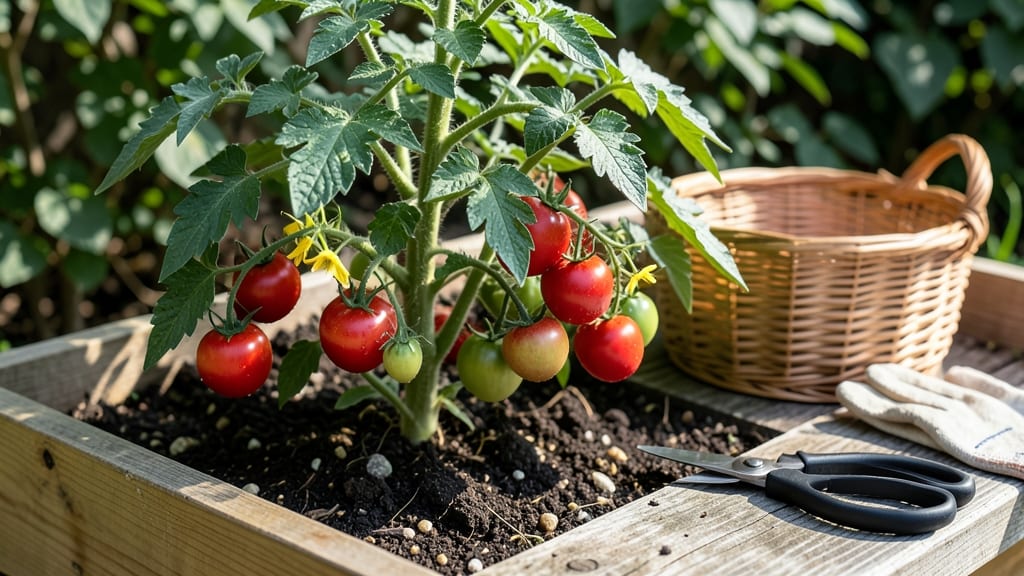
To pick Atomic Grape Tomatoes at their peak flavor, watch for deep color and slight softness—this variety ripens fast, and timing makes all the difference.
Timing your harvest of Atomic Grape Tomatoes perfectly ensures sweet, flavorful fruit—but knowing exactly when to pick by color and size can be tricky. Miss the window, and you risk mealy tomatoes or lost yield.
These tiny powerhouses turn from green to vibrant red, yellow, or purple in just 55–80 days, depending on your zone. Outdoor plants ripen faster than indoor ones, so keep an eye on them daily once they start coloring up.
In this guide, I’ll walk you through the visual cues—color, size, and firmness—that tell you it’s time to harvest, plus how to avoid common mistakes that ruin flavor or waste your crop.


Atomic grape tomato ripening stages by color: when to harvest for best flavor
Mastering the color cues of your Atomic Grape Tomatoes ensures you pick them at peak flavor—just as they transition from green to their signature red, yellow, or purple. These tiny powerhouses ripen faster than traditional tomatoes, but timing matters.
Harvest too early, and you'll get bland, underdeveloped fruit. Wait too long, and they'll turn mealy or split. Let's break down the color progression and ideal harvest windows so you never miss the sweet spot.
Sunlight plays a huge role in ripening speed. Plants in full sun (6+ hours daily) will ripen 30-50% faster than those with partial shade. For example, my Atomic Grape Tomatoes in a south-facing container ripened in 60 days this summer, while a shaded plant took 75 days.
Pay attention to your growing conditions—they directly impact when and how your tomatoes color up.
Color isn't the only factor—size and firmness matter too. But for now, let's focus on the color stages that signal ripeness. Here's what to watch for at each phase, including how to adjust your harvest schedule based on sunlight exposure.
The fully colored stage is your sweet spot for Atomic Grape Tomatoes. At this point, they'll be 1-2 inches wide, vibrant in color, and just slightly soft to the touch.
If you're growing in containers, these tomatoes often ripen 5-7 days faster than in-ground plants due to better heat absorption. I've found that my container-grown Atomic Grape Tomatoes hit peak flavor in 65-70 days from transplant, while garden beds took closer to 75 days.
Pro tip: Morning sunlight accelerates ripening, so if your plants are in full sun, check for color changes every 2-3 days starting at the breaker stage. In partial shade, extend your monitoring to every 3-4 days.
The key is consistency—don't let them linger in the turning stage too long, or they'll lose their sweetness.
Color isn't the only clue—stem separation is a game-changer. When a tomato is ripe, the stem should snap cleanly when you gently twist it. If it resists, it's not ready yet.
This trick works especially well for Atomic Grape Tomatoes, which can be tricky to judge by color alone due to their small size. Pair this method with the color chart above for foolproof results.
One common mistake I see is picking Atomic Grape Tomatoes based on color alone, ignoring the environmental conditions. For example, if your plants are stressed from heatwaves or drought, they might turn color faster but lack sweetness.
In these cases, wait an extra 2-3 days and check for firmness—ripe tomatoes should yield slightly but not feel mushy. This extra step ensures you're harvesting at true peak flavor, not just color.
For red varieties, look for a deep, even hue with no green shoulders. Yellow types should be bright and consistent, while purple varieties will darken to a rich, wine-like tone.
The color intensity directly correlates with sugar content, so don't rush the process. Patience here pays off with tomatoes that burst with flavor in every bite.
If you're growing Atomic Grape Tomatoes indoors near a
Size matters: how atomic grape tomato dimensions determine ripeness
When it comes to Atomic Grape Tomatoes, size isn't just about aesthetics—it directly impacts flavor and texture. These tiny powerhouses hit their peak sweetness at 1 to 2 inches in diameter, where their sugar content soars and acidity mellows.
Picking too early means tart, underdeveloped fruit, while waiting too long turns them mealy and prone to cracking. I’ve learned the hard way that timing is everything!
Start by checking the diameter with your thumb—ideal tomatoes should feel firm but slightly yielding when gently squeezed. A 1-inch diameter signals early ripeness, while 2 inches marks the sweetest window.
If you’re unsure, use a ruler: anything smaller than 1 inch needs more time, and anything over 2.5 inches risks losing quality. Precision matters!
Uneven ripening? It’s often a sign of inconsistent sunlight or overcrowded plants. I’ve noticed that tomatoes facing direct afternoon sun ripen faster than those in partial shade. If your cluster has a mix of sizes, prioritize harvesting the largest ones first to encourage even ripening.
Prune excess foliage to improve airflow and reduce competition for nutrients—this helps all tomatoes mature uniformly.
Don’t rely solely on size—firmness is your secret weapon. A ripe Atomic Grape Tomato should yield slightly under gentle thumb pressure but not feel mushy. If it’s rock-hard, it’s not ready; if it’s mushy, it’s past its prime.
I test firmness daily during peak harvest season, and this trick has saved me from wasting dozens of overripe tomatoes. Pro tip: Pick in the morning when temperatures are cooler to preserve texture.
Waiting too long doesn’t just dull flavor—it invites pests and diseases. Overripe tomatoes attract fruit flies and may develop gray mold if humidity is high. I’ve seen entire clusters spoil overnight when left unchecked.
When in doubt, harvest and let them ripen indoors on a sunny windowsill. This gives you control over timing and ensures you always enjoy tomatoes at their best.
For indoor growers, size cues are even more critical since light intensity is often lower. Your Atomic Grape Tomatoes may take 2-3 extra days to reach the same size outdoors. Use a grow light on a timer to mimic natural daylight, and monitor size closely.
Indoor tomatoes also benefit from hand-pollination—give them a gentle shake daily to boost fruit set and even ripening.