
Vegetables
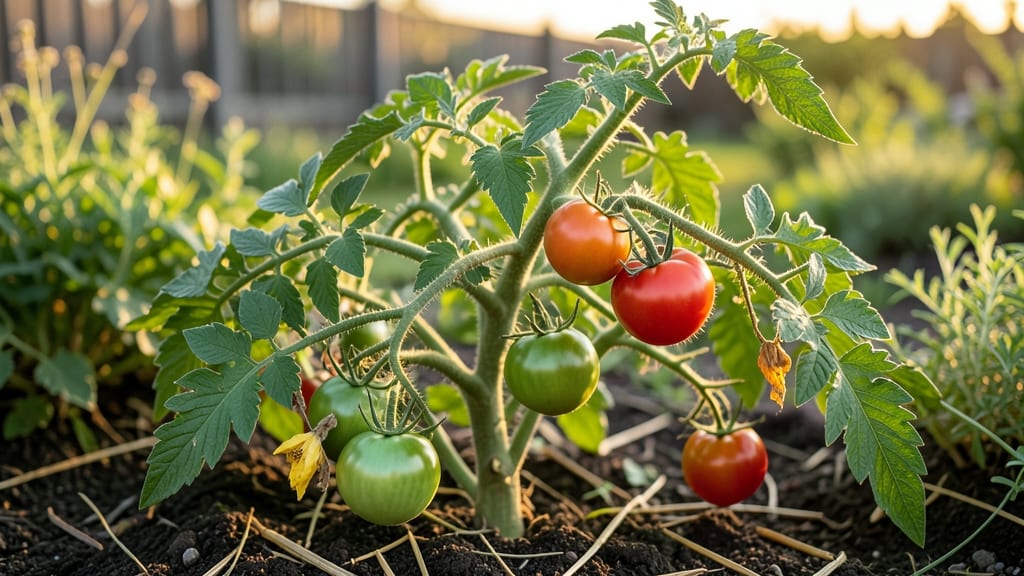
Recognizing the tomato breaker stage is the game-changer moment when your plants shift from leafy growth to producing those ripe, flavorful 🍅 you’ve been dreaming of.
Picture this: your tomato vines are lush and green, but suddenly, tiny fruit clusters start forming—this is the breaker stage, and what you do now will determine whether you end up with a handful of small tomatoes or a bucketful of juicy, vine-ripened beauties.
Pruning at the right time isn’t just about shaping your plant; it’s about directing energy where it matters most—into bigger, healthier fruit. But timing is everything, and one wrong move can leave you with stunted growth or cracked tomatoes.
In this guide, I’ll walk you through how to spot the breaker stage, when to prune for maximum yield, and the most common mistakes that even experienced gardeners make—so you can avoid them and enjoy a bountiful harvest.
Understanding the tomato breaker stage: signs and what it means for your plant
The tomato breaker stage marks the transition from vegetative growth to fruit production, where your plant's energy shifts dramatically. This is when you'll first spot tiny fruit clusters forming behind the yellow flower blooms, signaling the start of your harvest window.
Recognizing this stage helps you time pruning, fertilization, and support for maximum yield.
During earlier growth phases, your tomato plant focuses on building a strong stem and leaf canopy to capture sunlight. But at the breaker stage, photosynthesis energy diverts to developing fruit, which is why you'll notice slower leaf growth and more flower clusters.
This shift is critical for fruit size and flavor—plants that ripen too many small tomatoes sacrifice quality.
Here’s what the breaker stage looks like in action:
| Visual Cue | What It Means | Action to Take |
|---|---|---|
| 🌱 Tiny fruit sets (pea-sized) | Plant redirects energy from leaves to fruit development. | Reduce nitrogen fertilizer to avoid leafy growth. |
| 🌿 Color shift (green to pink/yellow) | Chlorophyll breaks down as fruit matures. | Provide support stakes to prevent snapping. |
| 🪴 Slower vine growth | Plant prioritizes fruit over stem elongation. | Prune suckers to focus energy on existing fruit. |
| 💧 Water needs increase | Fruits require more moisture for development. | Water deeply morning/evening to avoid disease. |
| ☀️ Sunlight demand rises | Fruits need full sun (6-8+ hours) for ripening. | Monitor for sun scald on exposed fruit. |
Scientifically, this stage triggers a hormonal shift where auxin (a plant growth hormone) decreases in leaves while ethylene increases in fruit. This reallocation explains why over-fertilizing with nitrogen at this point can lead to leafy vines with tiny tomatoes—your plant will keep growing foliage instead of maturing fruit.
For indeterminate varieties (like 'Sungold' or 'Better Boy'), the breaker stage can last 4-6 weeks as new flowers continuously form. Meanwhile, determinate types (like 'Roma' or 'Celebrity') produce all their fruit at once, making this stage shorter but more intense for your plant’s resources.
Watch for uneven ripening, which often signals nutrient deficiencies or inconsistent watering. A sudden drop in temperature or blossom end rot (black spots on fruit) can also appear during this phase, so calcium-rich fertilizer or mulch may be needed to protect developing tomatoes.
Timing is everything: if you prune too early, you’ll delay fruit set; if you wait too late, your plant may struggle to support the load. Aim to prune when you see 30-50% of flowers converted to fruit—this balances airflow and energy distribution for larger, healthier tomatoes.
Pro tip: Hand-pollinate flowers during this stage by gently shaking vines or using a small brush to transfer pollen. This ensures even fruit set, especially in greenhouse or low-wind conditions where natural pollinators are limited.
Understanding this stage helps you predict harvest times and adjust care routines. For example, heirloom varieties often take 70-90 days from breaker stage to full ripeness, while cherry tomatoes may mature in just 50-60 days. Keep a plant journal to track your specific variety’s timeline!
When and how to prune tomatoes at the breaker stage for maximum yield
Pruning tomatoes at the breaker stage is your secret weapon for bigger fruit and healthier vines. This is when your plants transition from flowering to fruit development, and strategic pruning directs energy toward fruit growth rather than excessive foliage.
The key is timing—prune too early, and you risk stunting growth; too late, and you miss the yield boost. Let’s break down how to do it right for your indeterminate or determinate varieties.
First, identify your tomato type. Indeterminate tomatoes (like 'Sungold' or 'Beefsteak') grow continuously and need regular pruning, while determinate tomatoes (like 'Roma' or 'Celebrity') bush out and typically don’t require pruning. For indeterminate varieties, the breaker stage is your cue to start pruning aggressively.
For determinate types, minimal pruning is key—focus on removing only diseased or crowded leaves. Always use sterilized pruners or sharp scissors to avoid spreading disease.
Step-by-Step Pruning Guide for the Breaker Stage
- 1 Identify suckers: Look for small shoots growing between the main stem and branches. These suckers compete for nutrients—remove them by pinching or cutting at the base.
- 2 Prune lower leaves: Trim leaves within 12 inches of the soil to improve airflow and reduce disease risk. Focus on yellow or diseased leaves first.
- 3 Balance fruit load: If a branch has more than 2-3 tomatoes, remove the smallest ones to let the remaining fruit grow larger. Prioritize keeping healthy, central fruit.
- 4 Support vines: Use cages or stakes to hold pruned plants upright. This prevents breakage and ensures energy flows to the fruit, not supporting weak stems.
- 5 Monitor and repeat: Check plants weekly for new suckers or overcrowded fruit. Adjust pruning as needed, especially during peak fruiting months (July-August).
Pruning at the breaker stage isn’t just about removing growth—it’s about strategic redirection. By focusing on suckers and lower leaves, you create an environment where your plant can maximize fruit size and minimize disease.
For indeterminate varieties, aim to leave 2-3 main stems with the largest fruit clusters. This method can increase your yield by up to 30% compared to unpruned plants.
Safety is just as important as technique. Always prune on a dry, sunny day to allow wounds to heal quickly. Avoid pruning in the afternoon, as this can stress the plant.
If you notice wilting or yellowing after pruning, it’s a sign you’ve removed too much foliage—pause and let the plant recover for a few days. Over-pruning at this stage can lead to stunted growth or even fruit drop.
Finally, don’t forget to fertilize lightly after pruning to support new growth. Use a balanced fertilizer (10-10-10) and water deeply to help the plant recover. With the right pruning strategy, your tomatoes will thrive, producing larger, sweeter fruit all season long. Happy pruning!