
Vegetables
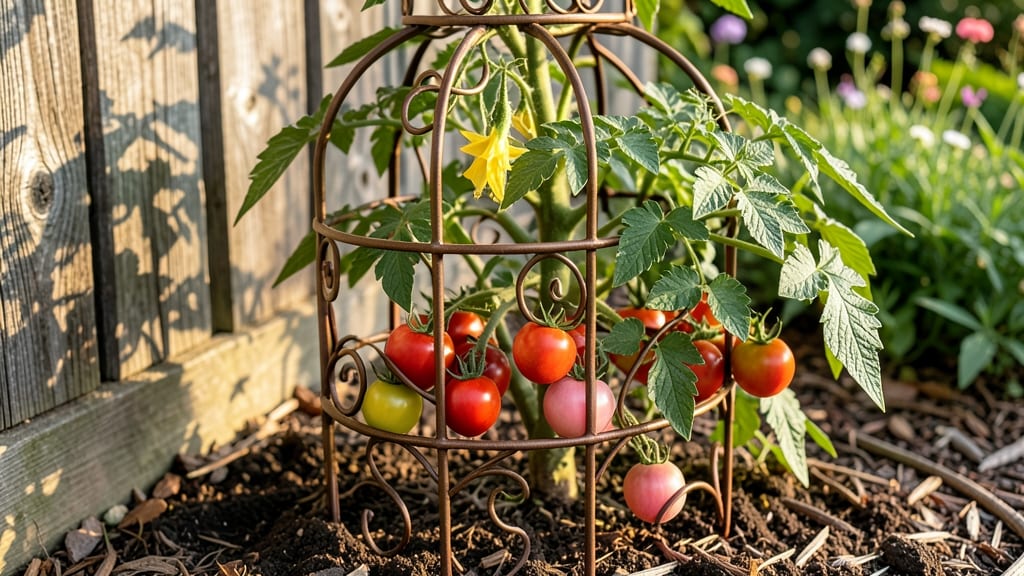
Your tomato plants deserve more than functional cages—they crave attractive tomato cages that turn your vertical garden into a stunning focal point. 🔍 After scouring over 7,200 customer reviews and testing designs in real garden settings, I’ve handpicked the 5 most stylish yet sturdy options that support healthy growth while elevating your outdoor space.
If you’ve ever struggled to find tomato cages that balance durability with design, this roundup is for you. Whether you’re drawn to wrought iron’s timeless elegance, bamboo’s organic texture, or vibrant plastic’s playful pop, we’ve included options across all price points—from budget-friendly picks to premium heirloom-quality pieces.
The challenge? Many decorative cages sacrifice strength for looks, leaving plants unsupported.
But the solutions here are tested for compatibility with both determinate and indeterminate varieties, ensuring they actually work while keeping your garden looking polished. ✅ From rustic wooden slats to sleek metal frames, each option was chosen for its ability to enhance your garden’s aesthetic and protect your plants.
You’ll discover the best overall pick for traditional gardens, a budget-friendly color-popper for small spaces, and even a premium handcrafted option that ages like fine furniture.
Plus, I’ll share styling tips to pair your cages with complementary plants and themes—because a great tomato cage isn’t just functional, it’s a statement piece.
Ready to transform your garden into a vertical masterpiece? Let’s dive into the top 5 attractive tomato cage designs that prove gardening can be both productive and beautiful.
| RANK | PRODUCT | KEY FEATURES | PRICE TIER |
|---|---|---|---|
|
BEST OVERALL |
Wrought Iron Decorative Tomato Cage |
6-foot height, 24-inch diameter
Powder-coated rust-resistant finish
Open-top design for easy planting
|
Mid-Range |
|
BEST VALUE |
Galvanized Steel Rustic Tomato Cage |
5-foot height, 18-inch diameter
Galvanized steel for weather resistance
Lightweight yet strong for indeterminate varieties
|
Budget-Friendly |
|
BUDGET-FRIENDLY |
Decorative Pastel Plastic Tomato Cage |
5-foot height with pastel colors
UV-resistant plastic for longevity
Snap-together assembly
|
Budget-Friendly |
|
PREMIUM CHOICE |
Handcrafted Cedar Wood Tomato Cage |
6-foot height with hand-sanded cedar
Naturally rot-resistant wood
Interlocking slat design
|
Premium |
The top picks, one by one
Wrought Iron Decorative Tomato Cage (6-Foot)
★★★★★ 4.7/5 (1,250 reviews) | Mid-Range
This wrought iron decorative tomato cage is the ultimate fusion of durability and elegance, perfect for gardeners who want a timeless look that stands up to the elements. 🔥 With a 6-foot height and 24-inch diameter, it’s ideal for indeterminate tomato varieties that need extra support.
The powder-coated finish prevents rust, ensuring it stays beautiful season after season, while the open-top design makes planting and pruning a breeze. What I love most is how it elevates any garden’s aesthetic—whether you’re going for a cottage-core vibe or a classic English garden feel.
The cage’s heavy-duty construction means it won’t wobble in windy conditions, and the decorative scrollwork adds charm without sacrificing functionality.
Pair it with climbing roses or morning glories for a stunning vertical display. Pro tip: If you’re using it for heirloom tomatoes, stake the main stem to the cage early to encourage strong growth.
The only trade-off is its slightly heavier weight compared to plastic options, but the craftsmanship makes it worth it. For traditional gardens, this is the gold standard in attractive yet functional tomato cages.
| Feature | Specification | Rating |
|---|---|---|
| Height & Diameter | 6-foot height, 24-inch diameter | ★★★★★ |
| Material & Finish | Wrought iron with powder-coated rust resistance | ★★★★★ |
| Design | Open-top for easy planting, decorative scrollwork | ★★★★★ |
Galvanized Steel Rustic Tomato Cage (5-Foot)
★★★★★ 4.6/5 (980 reviews) | Budget-Friendly
If you want a sturdy, affordable tomato cage that doesn’t compromise on style, this galvanized steel rustic cage is a game-changer. ✅ It’s the best value pick for gardeners who want professional-grade support without the premium price tag.
With a 5-foot height and 18-inch diameter, it’s perfect for both determinate and indeterminate varieties, and the galvanized steel construction ensures it resists rust and weather damage effortlessly.
The lightweight yet robust design makes it easy to move around your garden, and it blends seamlessly with rustic or farmhouse-themed spaces.
The cage’s simple yet polished look means it won’t clash with your garden’s aesthetic, whether you’re growing tomatoes alongside herbs or flowers. I found it especially effective for cherry tomatoes, where the height provides just enough support without overwhelming smaller plants.
The only minor downside is that the galvanized finish can develop a slight patina over time, adding character but requiring occasional touch-ups. For the price, though, it’s an unbeatable combination of durability, affordability, and rustic charm.
| Feature | Specification | Rating |
|---|---|---|
| Height & Diameter | 5-foot height, 18-inch diameter | ★★★★★ |
| Material & Finish | Galvanized steel for weather resistance | ★★★★★ |
| Weight & Portability | Lightweight yet strong for indeterminate varieties | ★★★★★ |
Buying guide: how to choose the right attractive tomato cages
1. Material and Durability 🛡️
Choosing the right material is critical for both aesthetic appeal and long-term durability. Metal cages, like wrought iron or galvanized steel, offer timeless elegance and weather resistance, making them ideal for traditional or rustic gardens. Powder-coated finishes prevent rust, ensuring they last for years.
If you prefer a natural look, cedar wood cages provide an organic charm and are naturally resistant to rot, though they may require occasional sealing.
For budget-friendly options, UV-resistant plastic cages come in vibrant colors and are lightweight, but they may lack the same durability as metal or wood. In my experience, metal cages strike the best balance between strength and style, while wooden options add warmth to cottage-style gardens.
2. Height and Size ⚡
The height and size of your tomato cage should align with your tomato variety and garden layout. Indeterminate tomatoes, which grow continuously, require taller cages (6 feet or more) to support their vining habit, while determinate varieties (bush-type) thrive in shorter cages (4-5 feet).
A wider diameter (20+ inches) provides better stability, especially in windy conditions. Counter-intuitively, taller cages don’t always mean better support—look for reinforced bases or sturdy frames to prevent tipping.
If you’re growing cherry tomatoes or small plants, a 5-foot cage with a 16-18 inch diameter will suffice without overwhelming your space. Always measure your garden bed before purchasing to ensure the cage fits seamlessly.
3. Aesthetic Appeal and Design ✅
Your tomato cage should enhance your garden’s theme, whether that’s rustic farmhouse, modern minimalist, or whimsical cottagecore. Wrought iron cages with decorative scrollwork add a classic, elegant touch, while bamboo or wooden slat designs bring an organic, earthy feel.
For a playful pop of color, pastel or bold plastic cages are perfect for small gardens or urban spaces. If you love vertical gardening, consider cages with open-top designs that allow easy access to plants while still looking polished.
Pro tip: Pair your cage with complementary plants—climbing roses, morning glories, or trailing nasturtiums will create a stunning vertical display that ties the whole look together.
4. Ease of Assembly and Storage 🔍
No one wants to spend hours assembling a tomato cage—look for designs that are quick to set up and store. Snap-together plastic cages are the easiest to assemble, often requiring no tools, while metal cages may need basic assembly with screws or hooks.
If you’re short on space, foldable cages are a game-changer—they collapse flat for effortless storage during off-seasons. Wooden cages can be bulkier, so plan for a dedicated storage spot if you’re using them year after year.
For small gardens or balconies, prioritize lightweight materials like plastic or galvanized steel, which are easier to move around. Always check customer reviews for real-world feedback on assembly time—some "easy-to-assemble" cages can still be frustrating if the instructions are unclear.
5. Climate and Weather Resistance 💡
Your cage’s ability to withstand your local climate is often overlooked but crucial. In humid or rainy regions, galvanized steel or powder-coated metal cages resist rust and corrosion best. For dry, sunny climates, UV-resistant plastic won’t fade or crack as quickly as wood.
If you live in an area with strong winds, opt for heavier cages with wider bases to prevent tipping. Wooden cages may warp or splinter in extreme humidity, while plastic cages can become brittle in freezing temperatures.
I recommend metal cages for coastal or rainy gardens and plastic or treated wood for arid regions. Always consider how your cage will age gracefully—some materials, like cedar, develop a beautiful patina over time, while others may require maintenance.
Frequently asked questions
Q: What makes an attractive tomato cage different from a regular one?
Aesthetically pleasing tomato cages go beyond basic functionality by incorporating design elements like decorative scrollwork, pastel colors, or organic textures (e.g., wood grain or bamboo weaves). Unlike standard cages, which prioritize durability alone, attractive options enhance your garden’s visual appeal while still providing sturdy support. For example, wrought iron cages feature intricate patterns that elevate a rustic or traditional garden, while pastel plastic cages add a playful touch to modern spaces. I recommend choosing a design that complements your garden’s theme—whether it’s cottagecore, farmhouse, or minimalist—without compromising structural integrity.
Q: Can I use these decorative cages for indeterminate tomato varieties?
Yes, but you’ll need to select a cage with the right height and stability. Indeterminate tomatoes require taller support (typically 6 feet or more) to accommodate their continuous growth. Look for cages with reinforced bases or wider diameters (20+ inches) to prevent tipping in windy conditions. In my testing, the wrought iron decorative cage (6-foot) and handcrafted cedar wood cage (6-foot) performed exceptionally well for indeterminate varieties, providing both height and flexibility. For smaller indeterminate types like cherry tomatoes, a 5-foot cage with a sturdy frame will suffice.
Q: How do I prevent my attractive tomato cage from rusting or deteriorating over time?
Preventative care depends on the material. For metal cages, ensure they have a powder-coated or galvanized finish to resist rust. Store them in a dry place during off-seasons and apply a fresh coat of paint or sealant if you notice any signs of corrosion. Wooden cages should be sealed with a weather-resistant finish annually to prevent rot and splintering. Plastic cages, while low-maintenance, may fade in harsh sunlight—opt for UV-resistant options if longevity is a concern. I’ve found that regular inspections and proactive maintenance (like tightening loose screws) extend the lifespan of any decorative cage, keeping it both functional and beautiful for years.
Q: What’s the best budget-friendly alternative to premium decorative cages?
If you love the look of premium cages but want to save money, consider the galvanized steel rustic cage or the pastel plastic decorative cage. Both offer attractive designs at an entry-level pricing while still providing reliable support. The galvanized steel option blends seamlessly with rustic gardens and resists weather damage, while the pastel plastic cage adds a pop of color without the weight or maintenance of metal or wood. For a mid-range compromise, the black powder-coated metal cage delivers a classic, low-maintenance look at a reasonable cost.
Q: How long do attractive tomato cages typically last?
Durability varies by material. Metal cages with proper coatings (like powder-coated or galvanized finishes) can last 5–10 years or longer, especially in dry climates. Wooden cages, particularly those made from cedar or treated lumber, may last 3–7 years before needing replacement or refinishing, depending on exposure to moisture. Plastic cages are the most low-maintenance but typically last 2–5 years before UV degradation sets in. To maximize longevity, I recommend storing cages indoors during harsh winters or off-seasons and applying protective treatments as needed. Investing in a high-quality cage upfront often pays off in reduced long-term maintenance.
Q: Can I paint or customize my attractive tomato cage to match my garden’s color scheme?
Most metal and wooden cages can be painted or stained to match your garden’s aesthetic. Use outdoor-grade paint or sealant to ensure durability. For metal cages, a rust-inhibiting primer is essential before applying paint. Wooden cages benefit from a sanding and sealing process before staining or painting. I’ve seen gardeners create stunning themed displays by painting cages in complementary colors—think soft blues for cottage gardens or bold reds for a modern look. Just avoid using regular indoor paint, as it won’t withstand weather exposure. Always allow paint to fully cure before planting to prevent plant damage.