
Planting
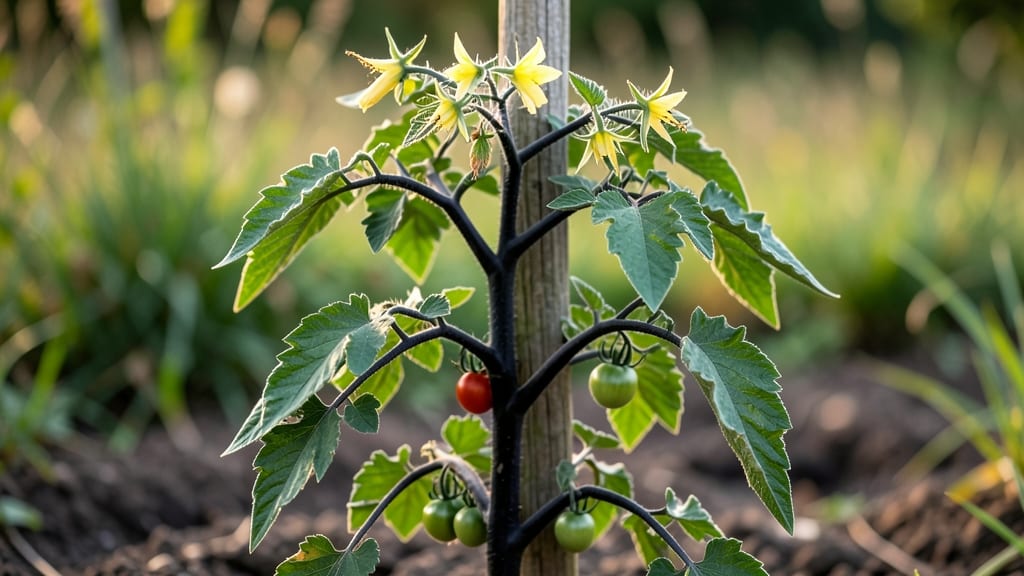
Black stem tomato plants are the last thing you want to see after months of nurturing your vines. 🌱 I’ve watched this issue turn thriving plants into sad, wilted shadows, but the good news? Catching it early means you can still save your harvest—and your sanity.
The culprits are usually overwatering, fungal diseases like black stem canker, or even pests hiding in the stems. You’ll spot it first as dark streaks or sunken spots, followed by wilting leaves even when the soil feels damp.
The key is acting fast—pruning infected stems and improving airflow can stop it from spreading. With the right care, your plants bounce back stronger. I’ve revived vines that looked doomed by adjusting watering, adding mulch, and even spraying a copper fungicide (organic options work too).
The goal is to keep those stems healthy so your tomatoes keep ripening all season. This works for both garden beds and containers, and resistant varieties like ‘Mountain Merit’ or ‘Defiant PhR’ can help prevent future issues. Let’s get those plants back on track!
Root Causes Of Stem Darkening
When your tomato plant’s stems turn black, it’s often a sign that something’s gone awry beneath the soil—or even in the air around it. Understanding the why behind this discoloration is the first step to saving your plants and keeping them productive.
Below, we break down the most common culprits, backed by science, so you can diagnose and act fast.
A tomato plant thrives on consistency, but too much water—especially when drainage is lacking—can suffocate its roots. When soil stays soggy for days, oxygen is cut off, leading to anaerobic conditions. This triggers Pythium or Phytophthora fungi, which cause root rot and spread upward, darkening stems.
How it happens:
- Waterlogged soil blocks oxygen, weakening roots and inviting fungal pathogens.
- Compacted or clay-heavy soil holds excess moisture, slowing drainage.
- Overhead watering can splash soil onto stems, promoting fungal growth.
💡 Pro Tip: Stick your finger 2 inches into the soil—if it’s damp, wait before watering. Use raised beds or containers with drainage holes to prevent soggy roots.
These soil-borne fungi are the silent killers of tomato plants. They thrive in warm, moist conditions and clog the plant’s xylem vessels, disrupting water and nutrient flow. As the fungus spreads, stems darken, wilt, and eventually collapse.
How it happens:
- Infected soil or tools introduce spores, which lie dormant until conditions are right.
- Stressed plants (from drought, poor nutrition, or injury) are more susceptible.
- Monoculture gardening (planting tomatoes in the same spot yearly) increases risk.
🔥 Warning Sign: Look for yellowing leaves that stay crisp (unlike wilting from drought) and black streaks in the stem when cut open.
Tomatoes are tender perennials—they can’t handle temperatures below 50°F (10°C) for long. When exposed to frost or chilly nights, cell walls rupture, leading to oxidative stress. This causes stems to darken as tissues break down.
How it happens:
- Overnight temps below 40°F (4°C) damage new growth and leaves.
- Wind chill accelerates cold stress, even if temps aren’t extreme.
- Young plants are more vulnerable than established vines.
🌡️ Quick Fix: Cover plants with frost cloth or row covers if a freeze is forecasted. Mulch with straw to insulate roots.
If your tomato stems suddenly darken in patches or near the edges, herbicide drift might be the culprit. Glyphosate (Roundup) and other broadleaf herbicides can disrupt plant metabolism, causing necrosis (dead tissue) that appears as blackened or browned areas.
How it happens:
- Wind carries spray from nearby treated lawns or gardens.
- Residual chemicals in soil from past applications.
- Over-application of fertilizer (especially high-salt mixes) can also cause burn.
🚨 Prevention: Avoid planting tomatoes near chemically treated areas. Use organic mulch to block drift, and test soil for herbicide residues if darkening is sudden.
While not a direct cause of black stems, pests like hornworms, aphids, or stink bugs weaken plants by feeding on leaves and stems. This stress makes them more susceptible to fungal infections or nutrient deficiencies, which can manifest as darkening.
How it happens:
- Hornworms chew stems, creating entry points for pathogens.
- Aphids inject toxins while feeding, stunting growth.
- Root-knot nematodes damage roots, reducing water uptake and causing stem discoloration.
👨🍳 Action Step: Inspect leaves and stems for pests. Use neem oil or introduce beneficial insects like ladybugs to control infestations.
Quick Fixes for Wilted Tomato Stems
When your black stem tomato plants start showing signs of distress—whether it’s wilting, discoloration, or stunted growth—don’t panic! Most issues are fixable with the right approach.
Below, we’ve mapped out practical solutions for common problems, from nutrient deficiencies to pests and diseases, along with prevention tips to keep your plants thriving all season.
If your tomato stems are weak, yellowing, or blackening due to a lack of essential nutrients, act fast to restore balance.
🔥 Lack of Nitrogen (Pale, Weak Stems)
How to Fix It:
- Apply a balanced fertilizer (10-10-10 or 5-5-5) around the base of the plant, keeping it 2-3 inches away from the stem to avoid burning roots.
- Use compost tea or fish emulsion for a quick nitrogen boost—mix 1 tablespoon per gallon of water and water the soil.
- Top-dress with compost (1-2 inches) to slowly release nutrients into the soil.
💡 Prevention Tip:
- Side-dress with compost every 4-6 weeks during the growing season.
- Mulch heavily (2-3 inches) to retain moisture and prevent nutrient loss.
🍳 Calcium Deficiency (Blossom End Rot & Black Spots)
How to Fix It:
- Crush eggshells into a fine powder and sprinkle around the base of the plant, then water thoroughly.
- Use calcium-rich amendments like gypsum (calcium sulfate) or bone meal (follow package instructions).
- Spray leaves with a calcium solution (1 tablespoon of calcium nitrate per gallon of water) if stems show early signs of weakness.
💡 Prevention Tip:
- Test your soil before planting—ideal pH for tomatoes is 6.0-6.8.
- Avoid overwatering, as excess moisture leaches calcium from the soil.
👨🍳 Potassium & Magnesium Issues (Yellowing Between Veins)
How to Fix It:
- Apply Epsom salt (magnesium sulfate)—dissolve 1 tablespoon per gallon of water and water the soil.
- Use a banana peel tea (soak peels in water for 24 hours, then strain and water plants) for a potassium boost.
- Switch to a tomato-specific fertilizer (high in potassium, like 5-10-10) if deficiencies persist.
💡 Prevention Tip:
- Rotate crops—tomatoes are heavy feeders, so avoid planting them in the same spot year after year.
- Monitor soil moisture—dry soil can lock out nutrients, while soggy soil washes them away.
If your tomato stems are black, mushy, or covered in holes, pests or pathogens may be the culprit.
🔪 Fungal Infections (Blight, Mold, or Rot)
How to Fix It:
- Prune infected stems immediately with sterilized shears (wipe with rubbing alcohol between cuts).
- Apply a copper fungicide (like Bordeaux mixture) or neem oil spray (1 tablespoon per quart of water) to prevent spread.
- Improve air circulation by spacing plants 18-24 inches apart and removing lower leaves to reduce humidity near the soil.
💡 Prevention Tip:
- Water at the base (avoid wetting leaves) and water in the morning so foliage dries quickly.
- Rotate crops—don’t plant tomatoes, peppers, or eggplants in the same spot for 3+ years.
🐛 Stem-Boring Pests (Corn Earworms, Hornworms, or Aphids)
How to Fix It:
- Handpick pests (especially hornworms) in the morning when they’re sluggish—drop them in soapy water.
- Spray with insecticidal soap (follow label instructions) or kaolin clay to deter soft-bodied insects.
- Introduce beneficial insects like ladybugs or parasitic wasps to control aphid populations naturally.
💡 Prevention Tip:
- Use row covers early in the season to block egg-laying pests.
- Plant companion crops like basil, marigolds, or nasturtiums to repel pests.
🌡️ Heat or Cold Stress (Blackened or Crispy Stems)
How to Fix It:
- Provide shade cloth (30-50% coverage) if temperatures exceed 90°F (32°C).
- Mulch heavily (straw or grass clippings) to insulate roots and retain moisture.
- Move potted tomatoes to a shadier spot during heatwaves or bring them indoors at night if temps drop below 50°F (10°C).
💡 Prevention Tip:
- Choose heat-tolerant varieties like ‘Heatmaster’ or ‘Solar Fire’ if you live in a hot climate.
- Water deeply in the early morning to reduce stress from temperature swings.
No matter the cause, these quick actions can help revive struggling tomato plants:
- Trim damaged stems with clean shears to redirect energy to healthy growth.
- Check soil moisture—overwatering or drought can stress stems. Aim for 1-1.5 inches of water per week.
- Support vines with cages or stakes to prevent breakage from wind or fruit weight.
- Fertilize lightly with a low-nitrogen, high-phosphorus feed (like 3-12-6) to encourage root and stem strength.
🎯 Final Pro Tip: If your tomato plant is beyond saving, don’t waste time—save a cutting from a healthy stem (6+ inches long) and root it in water for a new plant! Many tomato varieties regrow easily this way. 🌿
Frequently asked questions
Why do tomato stems turn black in patches instead of uniformly?
Patchy blackening usually signals a fungal infection like black stem canker or herbicide drift from nearby chemical treatments. Fungal spots often appear near soil level or at leaf junctions, while herbicide damage creates irregular, crispy black patches. Check for wilting leaves—if they stay stiff (not droopy), it’s likely fungal.
Can I still harvest tomatoes from a plant with black stems?
Yes, but only if only the stems are affected and the plant shows no other symptoms. Remove any infected stems immediately, and harvest all ripe tomatoes first. Avoid touching healthy stems when pruning to prevent spreading spores. If leaves also yellow or wilt, the plant may be too compromised to continue producing quality fruit.
What’s the fastest way to tell if my tomato stems are dying from overwatering vs. disease?
Do the finger test: Press your thumb into the soil 2 inches deep. If it feels soggy and smells like wet dirt, overwatering is likely. For disease, check stems for dark streaks when cut open—fungal infections create black veins inside, while overwatering causes hollow, mushy centers. Yellow leaves that stay crisp (not wilted) also point to fungal issues.
Will pruning black stems make my tomato plant grow faster?
No, but it redirects energy to healthy growth. Prune only infected or dead stems with sterilized shears, cutting just above a leaf node. Avoid over-pruning—remove no more than 20% of foliage at once. The plant focuses resources on remaining stems, often producing more fruit if the root system stays healthy.
Are there tomato varieties less prone to black stem issues?
Yes! Disease-resistant varieties like ‘Mountain Merit’ or ‘Defiant PhR’ (both Fusarium/Verticillium-resistant) handle stress better. For containers, try ‘Tiny Tim’—its compact size improves airflow. Always rotate crops yearly to prevent soil-borne pathogens from building up in the same spot.