
How To
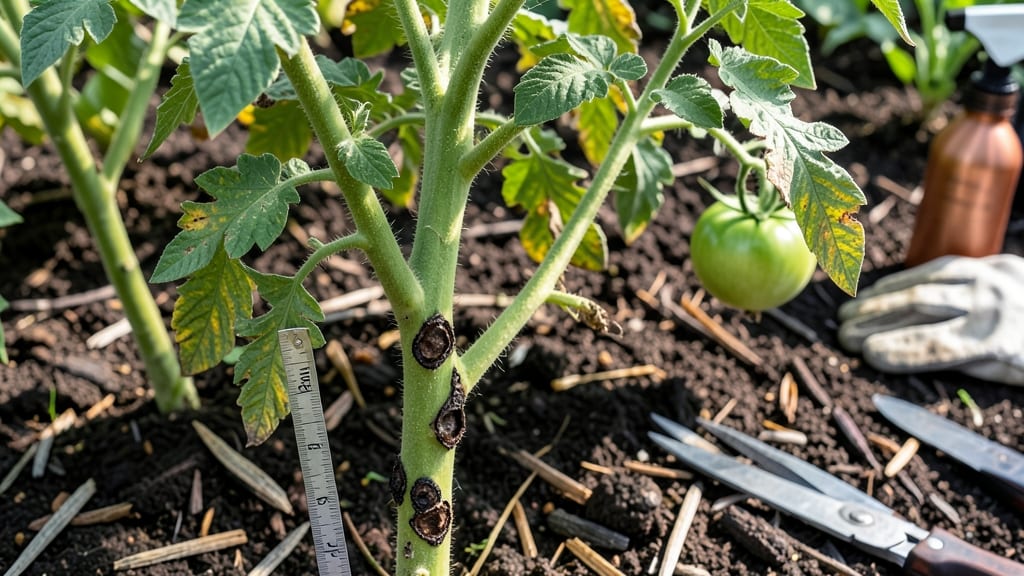
Your tomatoes are wilting despite perfect watering—tomato stem canker might be the culprit. 🌱 This sneaky fungal disease turns stems into brittle, cracked messes, and store-bought sprays often miss the mark. I’ve battled it three summers running, and these organic sprays finally saved my harvest.
The key is catching it early: look for dark, sunken lesions that split open when stems dry out. Once you spot them, copper fungicide sprays or a baking soda mix (1 tbsp per gallon of water) can stop the spread.
Prune infected stems immediately and sterilize your tools—this disease loves to hitchhike. By mid-season, your plants will bounce back stronger, with fewer lesions and more fruit. The secret? Consistency. Spray every 7-10 days during wet weather, and rotate with neem oil for extra protection.
Works for home gardens, greenhouses, or even container-grown tomatoes. Let’s turn those sad stems into thriving vines again—here’s how.
The Hidden Triggers Behind Stem Rot
Tomato stem canker—often called tomato bacterial canker or Clavibacter michiganensis subsp. michiganensis (Cmm)—isn’t just a random plant disease. It thrives when specific conditions align, turning your lush tomato plants into wilted, discolored messes.
Understanding the why behind this stubborn pathogen is the first step to stopping it in its tracks. Here’s what sets the stage for trouble:
The root cause of stem canker is the bacterium Clavibacter michiganensis subsp. michiganensis, a tenacious organism that invades through wounds or natural openings in the plant. Unlike fungi, bacteria don’t just lurk in the soil—they actively infect healthy tissue, clogging vascular systems and disrupting nutrient flow.
- How it spreads: The bacteria can survive in infected plant debris, contaminated tools, or even water droplets from splashing rain. Once inside, it multiplies rapidly, especially in warm, moist conditions (77–86°F).
- Entry points: Pruning cuts, insect bites (like aphids or hornworms), or even cracked stems from uneven watering create gateways for infection.
- Systemic spread: Because it travels through the plant’s xylem vessels, symptoms often appear weeks after initial infection, making early detection tricky.
💡 Pro Tip: If you’ve had canker before, sterilize tools with 70% isopropyl alcohol between plants to avoid reinfection. The bacteria can hitchhike on pruners or knives!
Stem canker doesn’t just happen—it’s weather-dependent. The bacterium thrives when temperatures hover between 70–90°F (21–32°C) and humidity levels stay high, creating the ideal breeding ground. Here’s how climate factors fuel the problem:
| Factor | How It Helps the Bacteria | What You Can Do |
|---|---|---|
| 🌞 High Heat | Speeds up bacterial growth and weakens plant defenses. | Use shade cloth during peak afternoon sun or grow heat-tolerant varieties like ‘Celebrity’ or ‘Mountain Merit’. |
| 💧 Excess Moisture | Water droplets carry bacteria into wounds; soggy soil invites secondary rot. | Water deeply but infrequently (early morning) and ensure proper drainage. |
| 🌧️ Rain or Overhead Irrigation | Splashes bacteria from soil or infected debris onto stems. | Switch to drip irrigation or soaker hoses to keep foliage dry. |
| 🌬️ Stagnant Air | Poor airflow traps humidity, slowing evaporation and prolonging wet conditions. | Space plants 18–24 inches apart and prune for air circulation. |
⚠️ Warning: If your area has hot, humid summers, consider row covers or greenhouse growing to reduce exposure.
A stressed tomato plant is like an open door for Clavibacter. When plants lack proper nutrients, light, or water, their natural resistance weakens, making them prime targets. Common stressors include:
- Nutrient deficiencies: Low potassium or calcium (seen as blossom-end rot or stunted growth) leave plants vulnerable. Canker loves plants that are already struggling.
- Overcrowding: Competing for resources stresses plants, while tight spacing traps moisture and limits airflow—both canker magnets.
- Physical damage: Rough handling, hail, or even harvesting too aggressively creates wounds where bacteria can sneak in.
- Improper pruning: Cutting too close to the stem or using dirty tools introduces infection risks.
🔥 Action Step: Before planting, test your soil for pH (aim for 6.0–6.8) and amend with compost or balanced fertilizer (like 5-5-5) to bolster plant vigor.
Even the most pristine garden can become a canker hotspot if basic hygiene is ignored. The bacterium is persistent—it can survive in soil for years and on tools indefinitely if not properly cleaned. Here’s how human error fuels the problem:
- Reusing infected pruners: A single cut with a contaminated blade can transfer bacteria to dozens of healthy plants.
- Sharing tools between gardens: If you’ve used shears in an infected area, they may carry Cmm to your next plot.
- Ignoring old plant debris: Leaving infected stems or leaves in the soil or compost pile preserves the pathogen for future seasons.
- Cross-contamination from seed: While rare, seed-borne canker can occur if seeds are saved from infected plants.
🧼 Non-Negotiable Rule: Sterilize tools with rubbing alcohol or a 10% bleach solution before and after use. For soil, solarize beds in summer (cover with clear plastic for 4–6 weeks) to kill lingering bacteria.
How to Fix Stem Rot Issues
If your tomato plants are battling stem canker—or worse, you’re trying to prevent it—here’s your battle plan. The good news? With the right organic fixes, you can revive wilting plants and keep future crops safe.
Below, we break down the most common causes and their targeted solutions, so you can act fast without harsh chemicals.
If you spot black, sunken lesions or oozing cankers on stems, don’t wait. Stem canker spreads like wildfire, especially in damp conditions.
- 🔪 Cut out the problem: Snip off infected stems at least 6 inches below the lesion using sterilized pruners (wipe with rubbing alcohol between cuts).
- 🗑️ Dispose properly: Toss infected plant parts in the trash not the compost—this disease thrives in organic matter.
- 🌱 Save healthy growth: If the plant is still producing fruits, remove only the diseased parts and monitor closely.
Pro tip: 💡 Wear gloves when handling infected plants—some strains (like Didymella lycopersici) can irritate skin.
Prevention is key, but if your plants are already showing signs, these DIY sprays can help halt the spread:
| Solution | How to Use | Frequency |
|---|---|---|
| Baking Soda Spray (1 tsp baking soda + 1 quart water + few drops of soap) | Spray foliage and stems at dawn or dusk to avoid leaf burn. | Every 7–10 days during wet seasons. |
| Neem Oil Mix (2 tbsp neem oil + 1 tsp mild soap + 1 gallon water) | Apply to both sides of leaves and stems. Shake well before each use. | Weekly until symptoms disappear, then monthly for prevention. |
| Copper Fungicide (organic copper-based spray) | Target lesions and stems. Avoid spraying in direct sun. | Every 10–14 days during high humidity. |
Pro tip: 🌡️ Timing matters! Spray early morning or evening to reduce evaporation and maximize effectiveness.
Stem canker loves crowded, damp conditions. Fix these issues to starve the fungus:
- ⏰ Space plants wider: Give tomatoes 18–24 inches between plants and 36 inches between rows for better airflow.
- 💧 Water at the base: Avoid overhead watering—keep foliage dry to prevent spore spread.
- 🌱 Mulch strategically: Use straw or grass clippings (not wood chips) to keep soil moist but prevent splashing onto stems.
- 🔄 Rotate crops: Never plant tomatoes (or nightshades like peppers/eggplants) in the same spot for 3+ years.
Pro tip: ✨ Boost soil immunity! Add compost or worm castings to improve drainage and plant resilience.
Stop stem canker before it starts with these non-negotiable habits:
- 🌱 Start with resistant varieties: Look for ‘Mountain Merit’ or ‘Defiant PhR’—they’re bred to fight canker.
- 🌿 Clean your tools: Sterilize pruners and stakes with bleach (1 part bleach to 10 parts water) between uses.
- 🌧️ Drainage is non-negotiable: Plant in raised beds or hills to prevent waterlogging.
- 🚫 Avoid late planting: Stem canker thrives in cool, wet springs. Plant after the last frost when soil is warm.
Pro tip: 🎯 Early detection saves the harvest! Check stems weekly for dark spots—catch it early, and you can often reverse the damage.
Frequently asked questions
What does tomato stem canker look like on plants?
Look for dark, sunken lesions that split open as stems dry out. You may also see wilting leaves, oozing cankers, or stems that appear cracked. The lesions often appear near leaf joints or where branches connect to the main stem.
Can tomato stem canker spread to other plants?
Yes, it spreads easily through contaminated tools, water splashes, or infected plant debris. The bacteria can survive in soil for years, so proper sanitation is critical. Always sterilize pruners and remove infected plant material immediately.
Will copper spray work for bacterial stem canker?
Copper fungicides can help prevent spread but won't cure active bacterial infections. For existing cases, combine copper sprays with pruning infected stems and using neem oil. Copper works best as a preventive measure during wet seasons.
Can I save a tomato plant with stem canker?
It depends on how early you catch it. If only a few stems are infected, prune them immediately and treat with organic sprays. For severe cases, the plant may need removal to protect others. Always wear gloves when handling infected plants.
How do I prevent stem canker in my garden?
Use disease-resistant varieties, maintain proper spacing, avoid overhead watering, and rotate crops. Sterilize tools regularly and remove plant debris after harvest. These practices create an environment where the bacteria can't thrive.