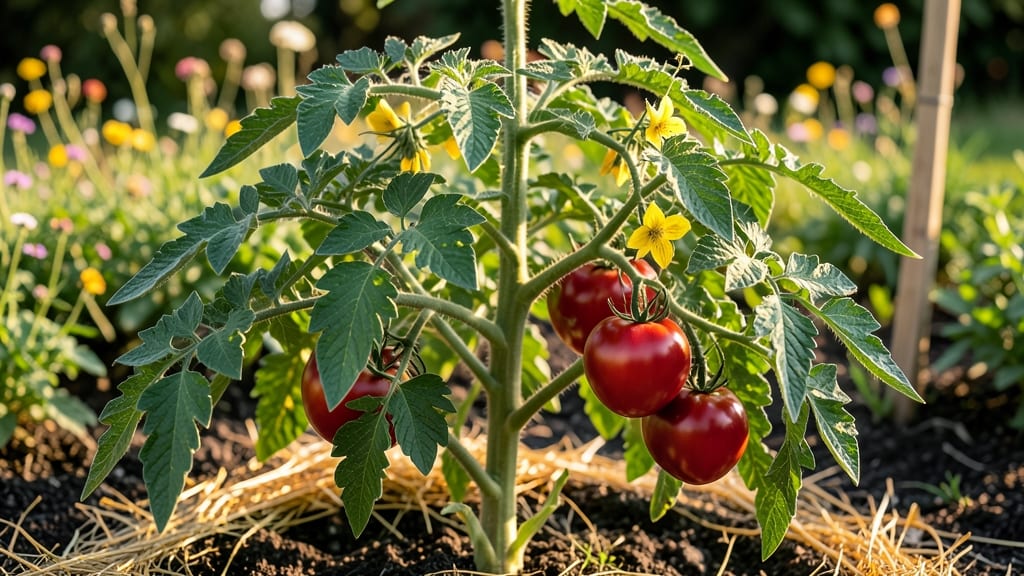
Buying guide: how to choose the right beef tomato plants
1. Disease Resistance Profile 🛡️
Not all beef tomato plants are created equal when it comes to fighting off diseases. Verticillium and fusarium wilt are the silent killers of tomato plants, and some varieties are genetically fortified to resist them.
Look for plants labeled as "disease-resistant" or specifically mentioning resistance to early blight, bacterial spot, or tobacco mosaic virus. In my experience, grafted tomatoes offer the strongest defense, as they combine a disease-resistant rootstock with a flavorful top variety.
If you're in a humid climate or have a history of fungal issues, prioritize varieties with multiple disease resistances—they’re worth the slight premium. Counter-intuitively, some heirlooms like Brandywine have moderate resistance to late blight, but they still need vigilant care compared to hybrids.
2. Growth Habit: Determinate vs. Indeterminate ⚡
The growth habit of your beef tomato plant directly impacts your space planning and harvest strategy. Determinate varieties (like 'Celebrity' or 'Roma') grow to a fixed height (typically 3–5 ft) and produce fruit all at once, making them ideal for canning or heavy single-season harvests.
They’re perfect for containers or small gardens but require staking or caging to support their weight. On the other hand, indeterminate varieties (like 'Cherokee Purple' or 'Brandywine') grow continuously and produce fruit throughout the season, offering a longer harvest window.
If you have vertical space (e.g., trellises or tall cages), indeterminate plants are a game-changer for prolonged yields. For beginners, I recommend starting with determinate varieties—they’re forgiving and less prone to sprawling unpredictably.
3. Fruit Size vs. Quantity Tradeoff ✅
Beef tomatoes are all about size and meatiness, but not all varieties deliver equally. True beefsteaks (like 'Brandywine' or 'Cherokee Purple') produce 1–1.5 lb tomatoes but may yield fewer per plant (20–30 tomatoes).
In contrast, hybrid beef varieties (like 'Big Beef' or 'Arkansas Traveler') offer a balance—6–12 oz tomatoes with 50+ per plant. If your goal is feeding a family, prioritize high-yielding hybrids that resist cracking and splitting.
For special occasions or gourmet dishes, heirlooms with larger fruit are worth the tradeoff in quantity. Pro tip: Prune aggressively on indeterminate varieties to redirect energy into fewer, larger tomatoes. Avoid over-fertilizing with nitrogen, or you’ll end up with leafy vines and tiny fruit.
4. Hybrid vs. Heirloom: Flavor vs. Resilience 🔍
This is where gardeners often face a flavor vs. convenience dilemma. Hybrids (like 'Mountain Merit' or 'Defiant PhR') are bred for disease resistance, uniformity, and productivity, making them the low-maintenance choice for busy gardeners.
However, they may lack the complex, old-world flavors of heirlooms. Heirlooms (like 'Brandywine' or 'Black Krim') deliver unmatched taste and texture but require more care—they’re prone to diseases, need longer growing seasons, and may produce uneven fruit.
If you’re seed-saving or prioritize culinary excellence, heirlooms are worth the effort. For first-time growers or urban gardeners, hybrids offer the best balance of reliability and performance. My advice? Start with 1–2 hybrid plants for reliability, then add one heirloom variety to savor the difference in flavor.
5. Space and Container Compatibility 🌱
Not all beef tomatoes thrive in containers, but dwarf and semi-determinate varieties (like 'Tiny Tim' or 'Patio Princess') are container-friendly and perfect for balconies or patios.
If you’re growing in pots, choose compact varieties (under 3 ft tall) and use large containers (at least 5 gallons) with well-draining soil. For vertical gardening, indeterminate varieties like 'Sungold' (a beef cherry hybrid) can be trained to climb trellises or cages, saving ground space.
Avoid heavy fruit varieties in small containers—they’ll overwhelm the roots. If you’re short on space, bush beef tomatoes (like 'Bush Early Girl') are your best bet for high yields in tight quarters.
Just ensure they get 6–8 hours of sun daily and consistent moisture to prevent blossom end rot.
Frequently asked questions
Q: What makes beef tomato plants different from regular tomato varieties?
Beef tomato plants are bred to produce large, meaty fruit (typically 6–12 oz or more) with fewer seeds and thicker flesh, making them ideal for slicing, grilling, or sauces. Unlike regular tomatoes, they prioritize size and texture over quantity, though some high-yielding hybrids bridge this gap. Look for varieties labeled as "beefsteak" or "oxheart"—these are specifically cultivated for their heavy, juicy tomatoes that hold up well in dishes. If you’re feeding a family or preserving harvests, beef tomatoes are a game-changer.
Q: Can I grow beef tomato plants in containers, or do they need a garden bed?
Many dwarf or semi-determinate beef tomato varieties thrive in containers, making them perfect for balconies, patios, or small spaces. Opt for compact varieties (under 3 ft tall) and use large pots (5+ gallons) with well-draining soil. For indeterminate types, a trellis or cage is essential to support their weight. Just ensure your container gets 6–8 hours of sunlight and consistent moisture—beef tomatoes hate drying out. If space is tight, bush beef tomatoes (like 'Patio Princess') are your best bet for high yields without sprawling.
Q: How do I prevent common issues like blossom end rot or cracking in beef tomatoes?
Blossom end rot and cracking are calcium-related issues, but they’re easily prevented with the right care. For blossom end rot, maintain consistent soil moisture (never let the plant dry out) and add crushed eggshells or calcium supplements to the soil. For cracking, avoid overwatering (especially during rapid growth) and mulch to keep roots cool. Prune suckers to improve airflow, and balance your fertilizer—too much nitrogen leads to leafy growth at the expense of fruit. If you’re in a hot climate, shade cloth can help reduce stress. Pro tip: Harvest tomatoes when they’re fully colored but still firm to minimize cracking.
Q: Are hybrid beef tomato plants worth it, or should I stick with heirlooms?
It depends on your priorities! Hybrids (like 'Mountain Merit' or 'Defiant PhR') are disease-resistant, high-yielding, and low-maintenance, making them ideal for beginners or busy gardeners. They often produce uniform, crack-resistant fruit with strong blight and wilt resistance. Heirlooms (like 'Brandywine' or 'Cherokee Purple'), however, offer unmatched flavor and texture but require more care—they’re prone to diseases, need longer seasons, and may yield fewer tomatoes. If you’re seed-saving or prioritize taste, heirlooms are worth the effort. For reliability and ease, hybrids are the smart choice, especially in challenging climates.
Q: How long does it take for beef tomato plants to produce fruit?
Beef tomato plants typically take 70–90 days from transplanting to produce fruit, though this varies by variety and growing conditions. Determinate types (like 'Celebrity') produce all at once, while indeterminate varieties (like 'Brandywine') yield continuously until frost. To speed up harvests, start seeds indoors 6–8 weeks before last frost and transplant when soil is warm (60°F+). Use warmth mats or row covers early in the season to protect seedlings. If your season is short, choose early-maturing hybrids (like 'Big Beef')—they’ll give you a harvest before cooler weather sets in.
Q: Do beef tomato plants need full sun, or can they tolerate partial shade?
Beef tomato plants require full sun (6–8 hours daily) for optimal growth and fruit production. While they can tolerate partial shade (4–6 hours of sun), yields will be smaller and less flavorful, and plants may become more susceptible to diseases. In hot climates, morning sun with afternoon shade can prevent sunscald, but avoid deep shade. If you’re growing in containers, place them in the sunniest spot possible. Vertical growing (trellises or cages) helps maximize sunlight exposure for indeterminate varieties. For shady spots, consider cherry beef hybrids—they’re more adaptable than large beefsteaks.
Q: What’s the best way to stake or support beef tomato plants to prevent sprawling?
Support is critical for beef tomato plants, especially indeterminate varieties, which can grow 6–8 ft tall and weigh down vines. Use strong stakes (6–8 ft tall) or cages (5–6 ft) to prevent sprawling. For trellises, train vines with soft ties to avoid damaging stems. Determinate plants (3–5 ft tall) need shorter supports but still benefit from staking to improve airflow and reduce disease risk. Avoid over-pruning—leave enough leaves to photosynthesize while removing only suckers (shoots in the leaf axils). Pro tip: Weave vines through cages as they grow to distribute weight evenly and prevent breakage.