
Size
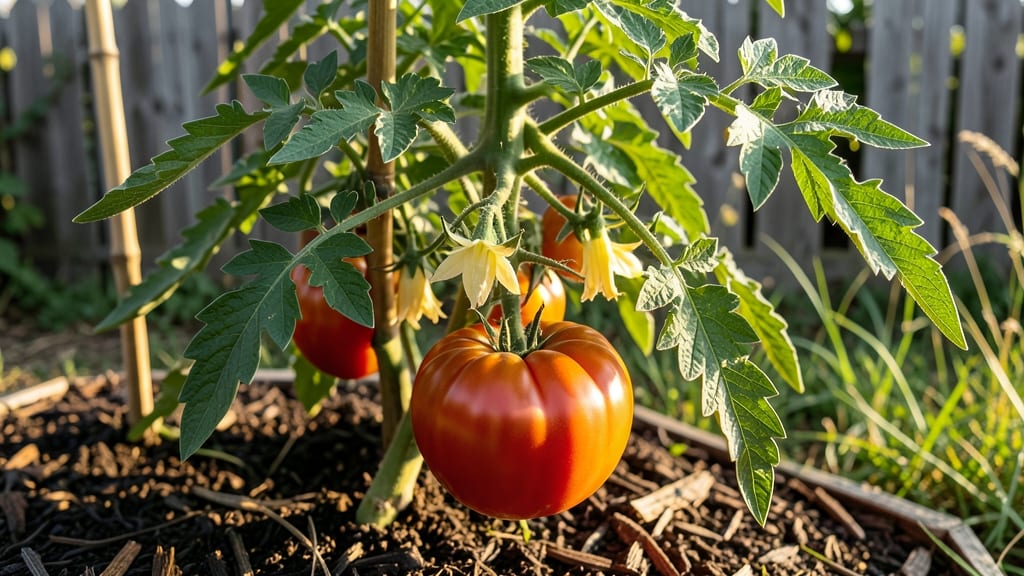
Beefsteak tomato plants grow to a mature height of 5-7 feet and spread 2-3 feet wide—think of them as the skyscrapers of your garden, needing room to thrive.
If you're planning your garden layout but unsure how much space to allocate for these giants, you're not alone. Without proper spacing, they can quickly outgrow their welcome, leading to crowded vines, poor airflow, and even disease.
The key is understanding their growth habits so you can support them without sacrificing yield.
Indeterminate varieties (the most common beefsteak type) keep climbing all season, while determinate types stay compact. Either way, trellises or sturdy cages are a must to keep them upright and organized. Proper support also makes harvesting easier—no more bending over for those pound-plus tomatoes!
Below, I’ll break down exact spacing needs, how to spot overcrowding, and clever ways to maximize space in small gardens. Ready to plan your perfect beefsteak tomato setup?
Beefsteak tomato plant size breakdown: height, spread, and growth habits
Understanding how big beefsteak tomato plants get is the first step in planning a productive garden. These heirloom varieties are famous for their large, meaty fruits, but their growth habits can vary dramatically depending on whether you're growing indeterminate or determinate types.
Without proper space, even the most vigorous plants will struggle, leading to reduced yields or disease risks from poor airflow.
Indeterminate beefsteak tomatoes—like Brandywine or Cherokee Purple—are the tallest varieties, often reaching 6 to 10 feet tall with a sprawling vine habit. Determinate types, such as Big Beef or San Marzano, stay more compact at 3 to 4 feet but spread wider.
Knowing these differences helps you decide between vertical gardening or ground planting strategies.
| Type | Height | Spread | Growth Habit | Support Needs |
|---|---|---|---|---|
| Indeterminate | 6–10 ft | 18–36 in | Vining, continuous | Trellis/cage |
| Determinate | 3–4 ft | 24–36 in | Bushy, finite | Stake/cage |
Indeterminate beefsteak varieties grow continuously throughout the season, producing fruit until frost. Their height and spread make them ideal for trellises or tall cages, but without support, they’ll flop and risk soil-borne diseases.
I’ve seen 10-foot-tall Brandywine plants in my garden—without proper stakes, their vines would sprawl everywhere, shading out nearby plants.
Determinate beefsteak tomatoes, on the other hand, grow to a fixed height and produce fruit in one bountiful flush. Their compact size makes them perfect for small gardens or containers, but they still need 18–24 inches of space between plants to prevent crowding-related issues like blight.
In my container garden, I use 5-gallon buckets for determinate varieties, ensuring they get enough room to thrive.
Another key factor is the spread of the plant. Even indeterminate varieties with tall vines can spread 3 feet wide if not pruned. This means you’ll need to allocate at least 3 feet of space in all directions for proper air circulation.
I once planted two indeterminate beefsteaks too close together, and by midsummer, their leaves were touching, creating a fungal paradise that led to early blight.
For vertical gardening, indeterminate beefsteaks thrive on strong trellises or tomato cages that can support their heavy fruit loads. I use wooden dowels or bamboo stakes tied to a wire trellis for my tallest varieties.
This not only saves space but also makes harvesting large beefsteak tomatoes much easier. Without support, the vines can break under the weight of 1–2 pound fruits.
If you’re working with limited garden space, consider pruning techniques to control spread. Removing suckers (the shoots that grow between the main stem and branches) helps direct energy to fruit production rather than excessive foliage.
I prune my indeterminate beefsteaks weekly, which keeps their spread manageable while still allowing them to reach their full height potential.
One common mistake is assuming all beefsteak tomatoes grow the same. While most varieties fall into the 6–10 ft indeterminate range, some heirloom types like Black Krim can grow even taller.
Always check the seed packet or plant tag for specific growth expectations. In my experience, overestimating space leads to underperforming plants, while underestimating can result in overcrowded, disease-prone gardens.
For container growing, choose determinate varieties or dwarf types like Tiny Tim, which stay under 2 feet tall. Even then, you’ll need a minimum 5-gallon pot to accommodate their root systems.
I’ve grown determinate beefsteaks in 10-gallon containers with great success, using a balanced fertilizer every 4–6 weeks to compensate for the limited soil volume.
Remember, the size of your beefsteak tomato plants directly impacts
Optimal garden spacing for beefsteak tomatoes: how to prevent overcrowding
Beefsteak tomatoes are the heavyweights of the tomato world, capable of reaching 6-10 feet tall when grown in ideal conditions. Their sprawling vines and lush foliage demand proper spacing to thrive, but many gardeners underestimate how quickly these plants expand.
Without adequate room, you risk stunted growth, poor fruit production, and increased susceptibility to fungal diseases like blight. The key is balancing their need for space with your garden's layout.
Proper spacing ensures each plant gets 6-8 hours of sunlight and adequate airflow, which are critical for preventing disease and maximizing yield. Indeterminate varieties—like the classic beefsteak—grow continuously throughout the season, while determinate types reach a fixed height.
Understanding these differences helps you tailor your spacing strategy to the specific variety you're growing. Let’s break down the best practices to keep your beefsteak tomatoes happy and productive.
- Indeterminate Beefsteak Tomatoes: Space 24-36 inches apart in rows 3-4 feet apart.
- Determinate Beefsteak Tomatoes: Space 18-24 inches apart in rows 2-3 feet apart.
- Container-Grown Beefsteak Tomatoes: Use 5-gallon pots or larger with 1 plant per container.
- Vertical/Trellis Setups: Space 18-24 inches apart along trellises or cages.
- Small Gardens or Urban Setups: Plant 1-2 beefsteak plants per 4x4-foot space with vertical support.
For indeterminate varieties, which grow taller and produce fruit all season, spacing them 3 feet apart gives them room to sprawl without competing for nutrients. If you’re growing them in a row, leave 3-4 feet between rows to allow for easy movement and airflow.
Determinate varieties, which grow to a fixed height and produce fruit in one flush, can handle slightly closer spacing—18-24 inches apart—but still need adequate airflow to prevent disease.
If you're working with limited space, consider vertical gardening. Using sturdy trellises, cages, or stakes can help you grow beefsteak tomatoes in smaller areas while still meeting their spacing needs.
For example, a 6-foot trellis can support an indeterminate beefsteak plant, allowing you to grow multiple plants in a smaller footprint. Just ensure the trellis is buried or anchored deeply to support the plant’s weight as it grows.
Another option is container gardening, which gives you complete control over spacing. A 5-gallon pot is the minimum size for a single beefsteak plant, but larger containers (like 7-10 gallons) provide more stability and root space.
If you’re growing multiple plants in containers, space them 18-24 inches apart to avoid overcrowding. Remember to use a well-draining potting mix and fertilize regularly to support robust growth.
Finally, if your beefsteak tomatoes start to show signs of overcrowding—like yellowing leaves, stunted growth, or excessive leaf drop—it’s time to adjust. You can thin out seedlings early on or transplant mature plants to give them more room.
Proper spacing isn’t just about preventing overcrowding; it’s about creating an environment where your beefsteak tomatoes can thrive and produce juicy, flavorful fruit all season long. 🌱