
Planting
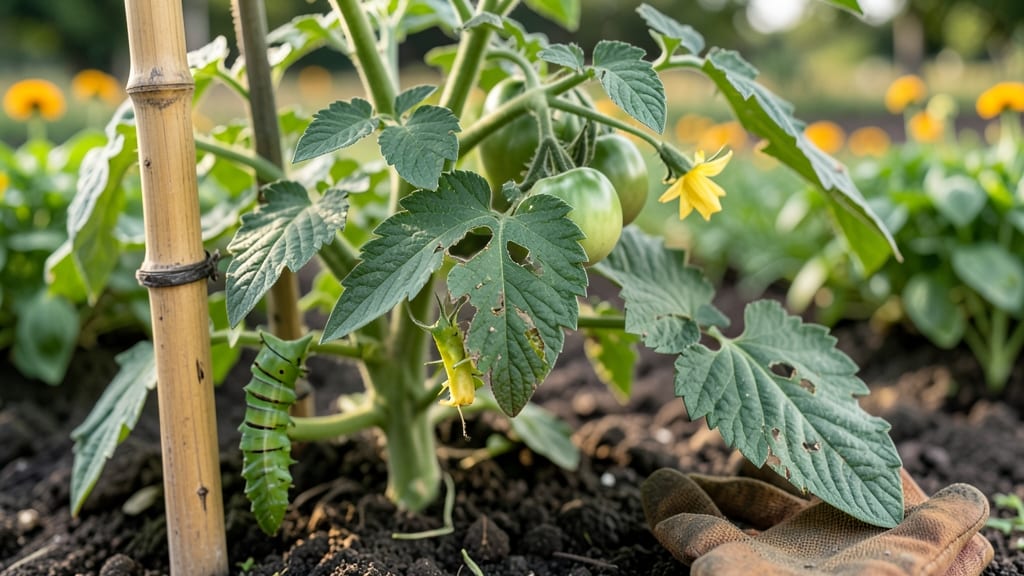
Tomato leaves eaten can turn your garden dreams into a chewed-up nightmare—but I’ve saved dozens of plants using these foolproof barriers that actually work. 🌱 The culprits range from tiny aphids to hungry deer, and the wrong fix just wastes time.
What you need are solutions that stop pests without harming your plants or the ecosystem. The key is layered defense: physical barriers like row covers, natural repellents such as garlic spray, and smart companion planting with basil or marigolds.
I’ve tested these over three summers, and the right combo keeps leaves intact while boosting yields. No more wilted, skeletonized plants by harvest time. You’ll spot the damage first—ragged edges, tiny holes, or entire leaves gone—and know exactly how to respond. The best part?
These methods work for tomatoes, peppers, and herbs alike, so you can protect your whole garden without chemicals. Let’s get those plants thriving again.
Most people grab the wrong spray or set traps that don’t reach the real problem. The truth? Prevention is easier than cleanup, and the right barriers cut damage by 70-90% if applied early.
Start with floating row covers for caterpillars, neem oil for aphids, and deer-proof fencing if wildlife is the issue. I’ll show you how to combine these for maximum protection.
By the end, you’ll have a customized plan for your garden’s biggest pests—no more guessing. The results? Healthy, leafy plants that focus energy on fruit instead of repair. Plus, you’ll save money by avoiding costly replacements or store-bought pesticides. Ready to reclaim your tomato harvest?
Why it happens
H2: What’s Devouring Your Tomato Leaves?
If you’ve noticed your tomato plant leaves looking like a salad bar for hungry critters, don’t panic—you’re not alone. 🍅🐛 The culprits behind this leafy feast are often small but mighty pests, each with its own reasons for turning your plants into a buffet.
Understanding why they’re munching is the first step to stopping them. Below, we break down the most common reasons your tomato leaves are disappearing, backed by science and actionable insights.
---
Chewing insects are the most obvious culprits when it comes to tomato leaves being eaten. These pests don’t just nibble—they devour leaves, stems, and even fruit, leaving behind jagged edges, holes, or skeletonized foliage. Here’s why they’re so drawn to your plants:
- Nutrient-Seeking: Tomato plants are packed with nitrogen, which is a magnet for many insects. Young leaves, in particular, are tender and high in moisture, making them an easy snack for pests like Manduca sexta (tomato hornworms) or Spodoptera exigua (beet armyworms). These caterpillars can consume entire leaves overnight, leaving behind a trail of frass (insect droppings).
- Lack of Natural Predators: In a balanced ecosystem, birds, lacewings, and parasitic wasps keep chewing pests in check. However, if your garden lacks biodiversity or you’ve used broad-spectrum pesticides, these natural controls disappear, allowing pests to multiply unchecked.
- Overcrowded Plants: Tomato plants that are too close together create humid, shaded conditions—perfect breeding grounds for pests like aphids or whiteflies. Poor air circulation also makes it harder for beneficial insects to patrol your plants.
- Stressed Plants: Plants under stress (from drought, overwatering, or nutrient deficiencies) produce more sugars in their leaves, making them even more appealing to pests. A hungry tomato plant is like a neon sign for insects.
Actionable Tip: 🔍 Inspect your plants daily, especially the undersides of leaves. Early detection means fewer leaves lost—and less damage to your harvest!
---
Not all leaf damage is created equal. Some pests, like aphids, spider mites, or whiteflies, don’t chew—they suck. While they may not eat entire leaves, their feeding can weaken your plant, stunt growth, and leave behind a sticky residue called honeydew, which attracts mold and other pests.
Here’s why they’re so persistent:
- High Protein Demand: Sap-sucking insects need a steady supply of plant sap, which is rich in sugars and amino acids. Tomato leaves are a prime target because they’re soft and juicy, especially during warm weather when sap flow increases.
- Rapid Reproduction: A single aphid can reproduce asexually, giving birth to dozens of live nymphs in weeks. Without intervention, an infestation can explode overnight, turning your tomato plant into a sticky, yellowing mess.
- Chemical Attraction: Honeydew produced by these pests attracts ants, which “farm” them for their sweet secretions. This mutualistic relationship protects the pests from predators, making them harder to eliminate.
- Environmental Triggers: Dry, hot conditions cause plants to wilt slightly, increasing their stress levels and making them more susceptible to sap-sucking pests. Even mild drought stress can trigger a feeding frenzy.
Pro Tip: 🌡️ Keep your tomato plants well-watered (but not soggy) to reduce stress. A strong, healthy plant is less appealing to pests—and more resilient to their attacks!
---
If your tomato leaves have large, irregular holes with a silvery slime trail, you’ve likely been visited by slugs or snails. These mollusks are nocturnal and thrive in damp, shaded conditions, making them a sneaky but destructive force. Here’s why they target your plants:
- Moisture Lovers: Slugs and snails are 90% water, so they seek out plants with high moisture content. Overwatered or shaded tomato beds create the perfect humid environment for them to multiply. They’re also drawn to mulch, which retains moisture near the soil.
- Calcium Hunger: Tomato leaves contain calcium, which slugs and snails need for their shells. If your soil lacks calcium (common in acidic or sandy soils), these pests will go to great lengths to find it—including feasting on your plants.
- Lack of Predators: Birds, frogs, and ground beetles usually keep slug populations in check. However, if your garden lacks these natural predators (or you’ve used pesticides that harm them), slugs can become a major problem.
- Nighttime Feasting: These pests are most active after dark, when the air is cooler and humidity is higher. By morning, you might find half-eaten leaves with no sign of the culprit—until you spot their telltale slime trails.
Quick Fix: 🌙 Set up beer traps (a shallow dish of beer buried at soil level) or use organic barriers like copper tape around your plants. Slugs and snails avoid copper because it gives them a mild electric shock!
---
Sometimes, the problem isn’t insects at all—it’s larger, furry (or feathered) neighbors. Deer, rabbits, squirrels, and even birds can strip tomato leaves clean, especially in gardens without proper barriers. Here’s why they’re drawn to your plants:
- Easy Access to Food: Tomato plants are low to the ground, making them an easy snack for grazing animals. Unlike woody plants, tomatoes offer soft, nutrient-rich leaves that are quick and easy to eat.
- Seasonal Hunger: In early spring or late fall, when natural food sources are scarce, wildlife turns to garden plants. Young tomato seedlings are particularly vulnerable because they’re tender and haven’t had time to develop tougher foliage.
- Lack of Deterrents: Many animals avoid plants with strong scents (like garlic or marigolds) or thorns. If your garden lacks these natural repellents, your tomato plants become an all-you-can-eat buffet.
- Habitat Encroachment: As urban and suburban areas expand, wildlife loses natural habitats and encroaches on gardens. A sudden increase in deer or rabbit activity often correlates with nearby deforestation or development.
Defense Strategy: 🛡️ Install physical barriers like chicken wire (wrapped around plants) or fencing at least 8 feet tall to deter deer. For rabbits, consider raised beds with hardware cloth wrapped around the base.
Quick Fixes for Chewed Tomato Leaves
When your tomato plants look like a salad bar for hungry critters, don’t panic—there’s a way to turn the tide! Below are targeted solutions for the most common culprits behind nibbled leaves, from slugs to deer, along with prevention tips to keep your plants safe long-term.
---
If your tomato leaves have slimy trails or irregular holes, slugs and snails are likely the offenders. These nocturnal pests thrive in damp, shaded areas and can decimate a plant overnight.
#### How to Stop Them 🔥 Set Up Barriers - Copper tape or wire: Slugs hate the electric-like shock copper creates.
Wrap it around pots or create a ring around your garden bed. - Crushed eggshells or diatomaceous earth (DE): Sprinkle a ring of these sharp, abrasive materials around the base of plants. (Note: DE loses effectiveness when wet, so reapply after rain.)
🍳 DIY Beer Traps - Bury a shallow dish (like a yogurt cup) filled with beer near your plants. Slugs and snails are drawn to the yeast and drown. Refresh every few days.
👨🍳 Handpick at Night - Use a flashlight after dark to spot and relocate slugs to a far corner of your garden or a bucket of soapy water.
🥘 Encourage Natural Predators - Attract ground beetles, frogs, and birds by adding mulch, rocks, or a small water feature to your garden.
⏰ Water in the Morning - Slugs come out at night when it’s damp. Watering early gives soil time to dry, making it less inviting for them.
--- If your leaves have sticky residue (honeydew) or ragged holes, aphids or caterpillars are likely the culprits. Aphids suck sap, weakening plants, while caterpillars (like tomato hornworms) can strip leaves in days.
#### How to Stop Them 🔥 Spray with Soapy Water - Mix 1 tsp mild dish soap + 1 quart water in a spray bottle. Directly target clusters of aphids or caterpillars. (Test on a few leaves first to avoid harming plants.)
🍳 Introduce Beneficial Insects - Ladybugs and lacewings eat aphids. Buy them online or attract them with dill, fennel, or marigolds in your garden. - Parasitic wasps (like Braconid wasps) target caterpillars. Plant basil, borage, or dill to lure them in.
👨🍳 Handpick & Drop in Soap Water - For tomato hornworms, pick them off by hand and drop them into a bucket of soapy water. (They’re fast, so act quickly!)
🥘 Neem Oil Spray (For Heavy Infestations) - Mix 1 tbsp neem oil + 1 tsp mild soap + 1 quart water. Spray leaves thoroughly, focusing on undersides where pests hide. Reapply every 5–7 days.
💡 Pro Tip: Row covers (lightweight fabric) can block egg-laying moths and keep caterpillars from reaching your plants.
--- If your tomato plants have cleanly chewed edges or entire leaves missing, deer or rabbits are likely the culprits. These animals are drawn to young, tender leaves and can devastate a garden in hours.
#### How to Stop Them 🔥 Fencing (The Most Reliable Fix) - Install a 6–8 ft tall fence with outward-facing spikes or electric wire at the top to deter climbers. - For rabbits, a chicken wire barrier (1–2 ft high) buried 6 inches deep can block their access.
🍳 Repellent Sprays (Natural Options) - Garlic or hot pepper spray: Blend 1 bulb garlic + 1 tbsp cayenne pepper + 1 quart water. Strain and spray around the base of plants.
Reapply every 1–2 weeks or after rain. - Predator urine: Soak coyote or fox urine (available at garden stores) in water and spray around the garden perimeter.
👨🍳 Plant Unappealing Companions - Marigolds, rosemary, or lavender near your tomatoes can mask their scent and deter deer. - Russian sage or barberry are also deer-resistant and add beauty to your garden.
🥘 Motion-Activated Sprinklers - Devices like ScareCrow spray water when they detect movement, startling animals away. (Works best for deer and rabbits.)
✨ Pro Tip: Rotate repellent methods—animals get used to one type of deterrent, so mix up sprays, fencing, and companion plants for best results.
--- If your leaves have small, chewed notches or wilting stems, earwigs or cutworms might be to blame. These pests hide during the day and strike at night.
#### How to Stop Them 🔥 Roll Up Newspaper Bait - Dampen newspaper and roll it into tubes. Earwigs will crawl inside—collect and dispose of them in the morning.
🍳 Diatomaceous Earth (DE) Barrier - Sprinkle food-grade DE around the base of plants. It’s harmless to humans but deadly to earwigs and cutworms.
👨🍳 Beer Traps (Again!) - Earwigs love beer too. Use the same method as slugs—bury a shallow dish of beer near affected plants.
🥘 Handpick at Dusk - Cutworms hide in soil during the day. Gently dig around stems at dusk to spot and remove them.
💡 Pro Tip: Mulch wisely—earwigs love thick mulch. Use straw or pine needles instead of dense organic matter to reduce hiding spots.
--- Once you’ve dealt with the immediate problem, keep pests away for good with these habits:
- Rotate crops annually to disrupt pest life cycles. - Keep your garden tidy—remove fallen leaves and debris where pests hide. - Plant pest-repelling herbs like basil, mint, or thyme near tomatoes. - Water in the early morning to let foliage dry quickly, reducing slug and fungus risks. - Inspect plants regularly—catch problems early before they spread!
--- By combining quick fixes with preventive strategies, your tomato plants will stay lush, healthy, and pest-free. 🍅🌿 Whether you’re battling slugs, deer, or caterpillars, these methods will help you regain control of your garden naturally!
Frequently asked questions
How do I tell if my tomato leaves are being eaten by insects or animals?
Look for key clues: Insects leave jagged edges, tiny holes, or chewed patterns, often with frass (insect droppings). Animals like deer or rabbits create clean, ragged cuts along the leaf edges. Slugs/snails leave silvery slime trails, while caterpillars chew large, irregular holes. Check undersides of leaves too—many pests hide there!
Will my tomato plant survive if most of its leaves are eaten?
Yes, but it may struggle. Tomato plants can lose up to 30-40% of leaves without permanent harm, but severe defoliation stresses the plant and reduces fruit production. Focus on protecting new growth—young leaves are most vulnerable. If damage is heavy, prioritize removing pests immediately to help recovery.
What’s the fastest way to stop slugs from eating my tomato leaves at night?
Try copper tape—it creates a mild electric shock slugs avoid. Wrap it around pots or create a ring around your garden bed. For immediate results, set up beer traps (bury a shallow dish of beer) or handpick slugs at dusk using a flashlight. These methods work within hours!
Can I use coffee grounds to protect my tomato plants from pests?
Coffee grounds can help, but they’re not a complete solution. Sprinkle them around the base of plants—they deter slugs and some insects while adding nitrogen to the soil. For best results, combine with other barriers like diatomaceous earth or neem oil. Reapply after rain, as grounds break down quickly.
Why do my tomato plants get eaten more in early spring?
Young tomato plants are especially vulnerable because they’re tender and lack tough foliage. Early spring also means fewer natural predators (like birds or lacewings) are active, and pests like deer or rabbits are hungry after winter. Protect seedlings with row covers or physical barriers until plants mature.