
Vegetables
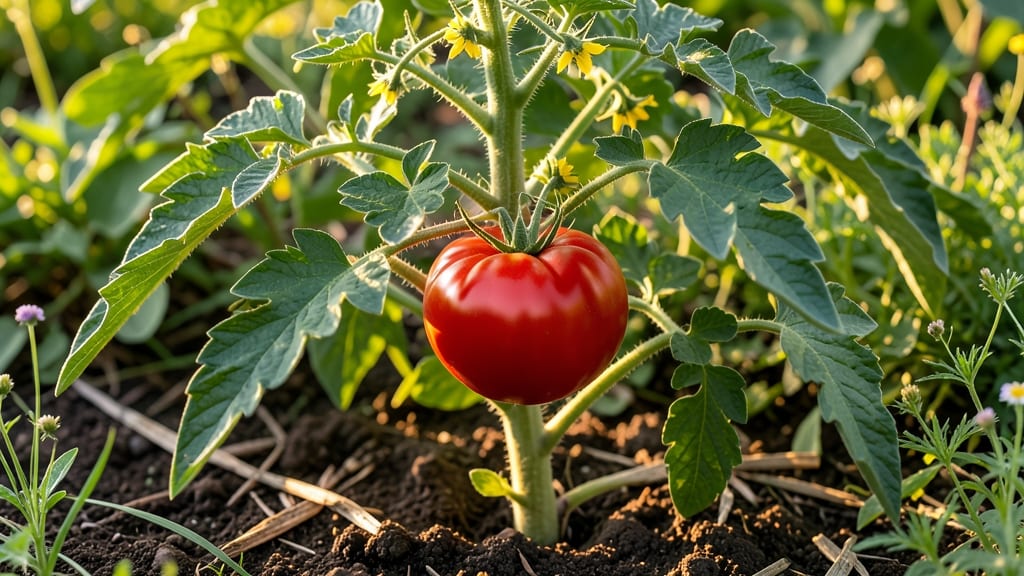
Beefsteak tomatoes need consistent care to reward you with those 1-pound monsters of flavor. 🌿 I’ve grown them for years, and the secret isn’t complicated—it’s about matching their needs to their growth stages.
These giants demand more than cherry tomatoes, but with the right approach, they’ll produce heavy, juicy fruit that makes every summer worth it.
The key starts with rich, well-draining soil (think compost-heavy) and full sun—at least 6-8 hours daily. Watering gets tricky: keep soil moist but not soggy, especially as fruit sets.
Prune aggressively early on to focus energy on fewer, larger tomatoes, but back off once flowers appear. Overpruning later can reduce yields.
By midseason, you’ll see vines thicker than your arm and tomatoes the size of softballs. The payoff? Fewer but bigger fruits that taste like summer in every bite. Even in cooler climates, with a little protection, these plants keep producing until frost—just don’t let them get stressed.
Common mistakes? Overwatering (splits = sad tomatoes), under-feeding (they’re heavy feeders), and ignoring pests like hornworms. But once you nail the basics, beefsteaks become the star of your garden—and your dinner plate. Let’s get those vines growing strong!
📚 In This Guide
- What you need
- Instructions
- Tips and common mistakes
- Wrapping up and next steps
What you need
- ● Beefsteak tomato seeds or seedlings: Choose disease-resistant varieties like 'Brandywine,' 'Cherokee Purple,' or 'Big Beef.' Start with 3–4 plants if space is limited or 6–8 plants for a bountiful harvest.
- ● Containers or garden bed: Containers: 5-gallon pots or larger (at least 12–18 inches deep and 18–24 inches wide) with drainage holes. 1–2 plants per container.
- ● Garden bed: Full sun (6–8+ hours daily) and well-draining soil. Space plants 2–3 feet apart for optimal airflow.
- ● High-quality potting mix: A lightweight, well-draining blend (e.g., 60% potting soil, 30% compost, 10% perlite or vermiculite). Avoid garden soil—it can compact and suffocate roots!
- ● Fertilizer: Balanced starter fertilizer: 10-10-10 or 5-5-5 (follow package rates for seedlings).
- ● Tomato-specific fertilizer: High in phosphorus/potassium (e.g., 7-9-5 or 5-10-10) for flowering/fruiting. Apply every 2–4 weeks.
- ● Support system: Cages (5–6 feet tall), stakes (6–8 feet), or trellises to prevent sprawling and improve air circulation.
- ● Mulch: Straw or shredded leaves (2–3 inches thick) to retain moisture and suppress weeds.
- ● Basic gardening tools: Trowel, pruners, and gloves.
- ● Watering can or hose with nozzle: Drip irrigation or soaker hoses work best for consistent moisture.
- ● pH test kit: Ideal soil pH for tomatoes: 6.0–6.8. Adjust with lime (to raise pH) or sulfur (to lower it) if needed.
- ○ Epsom salt (optional): 1 tablespoon per plant monthly for magnesium boosts (prevents yellowing leaves).
- ○ Row covers or shade cloth (optional): Protect young plants from pests or provide 30% shade in scorching climates.
- ○ Compost or worm castings (optional): Boost soil fertility naturally.
Step-by-Step instructions for beefsteak tomato care
Let's get these giants growing strong with proven techniques that keep them healthy all season.
🌱 Step 1: Plant in Well-Draining Soil with Full Sun
Beefsteak tomatoes demand 6-8 hours of direct sunlight daily—no compromise here. Choose a planting site where they'll receive morning sun and afternoon light without afternoon shade. The soil must drain freely; these heavy fruits rot quickly in soggy conditions. I always mix 2-3 inches of compost into the top 12 inches of soil to provide nutrients and improve structure.
Dig a hole twice as wide as the root ball but only as deep as the container it came in. Position the plant so the top of the root ball sits 1 inch below soil level. This encourages strong root growth while preventing stem rot. Water deeply before planting to help settle the soil around roots.
☀️ Step 2: Provide Support and Prune for Airflow
Beefsteaks grow 8-10 pounds each, so they need sturdy support. Install a 6-foot cage or stake at planting and tie the main stem loosely with soft plant ties. Prune suckers (the shoots that form in the leaf axils) regularly to direct energy into fruit production rather than foliage. I remove any suckers larger than 3 inches—smaller ones can be pinched off with fingers.
Thin leaves near the base to improve airflow and prevent disease. Aim for 2-3 feet of bare stem
💧 Step 3: Water Deeply at the Base
Beefsteaks need 1-2 inches of water weekly, delivered consistently at the soil level—not overhead. I water in the morning so foliage dries quickly, reducing disease risk. Use a soaker hose or drip irrigation to keep leaves dry; wet foliage invites early blight and other fungal problems.
Check soil moisture by pushing your finger 2 inches deep—if it feels dry, water thoroughly. Mulch with 2-3 inches of straw or shredded leaves to retain moisture and suppress weeds. Avoid wetting the leaves during watering; this is the #1 way to trigger diseases in beefsteaks.
✂️ Step 4: Fertilize and Prune for Maximum Yield
Feed beefsteaks every 3-4 weeks with a balanced fertilizer (10-10-10 or 5-5-5) to support their massive fruit production. I switch to a low-nitrogen, high-phosphorus formula (3-4-6) when flowers appear to encourage fruiting. Always water before fertilizing to prevent root burn.
Continue pruning throughout the season, removing any leaves that touch the ground. I also trim back any branches that grow inward to maintain an open canopy. This isn't just about aesthetics—good airflow prevents disease and lets sunlight reach developing fruit for optimal ripening.
🍅 Step 5: Harvest and Extend the Season
Pick beefsteaks when they're fully colored but still slightly firm—this ensures peak flavor and prevents cracking. Use pruning shears to cut stems cleanly, leaving ¼ inch of stem attached to each fruit. Harvest in the morning when temperatures are coolest to preserve quality.
To extend the season, cover plants with row covers or cold frames when nighttime temperatures dip below 50°F. These tomatoes love warmth, so any protection from chilly nights keeps them producing longer. I also remove all fruit when temperatures exceed 90°F for more than a few days—heat stress causes blossom drop and poor fruit set.
Tips & tricks for perfect beefsteak tomato growth
Real talk: These massive beauties demand attention—but not the kind that drains your soul. Here's how to keep them thriving without the fuss.
Sunlight Strategy: That 6-8 hours of daily sun isn't just a suggestion—it's non-negotiable for beefsteaks. I've seen them wilt dramatically when afternoon shade creeps in, especially in Step 1. If your garden has partial shade, position them to catch morning sun first, then supplement with a portable grow light for 2-3 hours in the afternoon if needed. The goal is consistent light exposure, not just total hours.
Pruning Precision: When you're removing suckers in Step 2, don't just grab and yank—use your fingers to pinch them off cleanly at the base. I learned this the hard way after leaving stubs that turned into infection points. For the 2-3 feet of bare stem near the base, think of it like creating a ventilation system: this airflow is what prevents those dreaded fungal diseases that plague beefsteaks.
Watering Wisdom: The 1-2 inches weekly measurement is your baseline, but timing matters just as much. In Step 3, I set a timer for my morning watering routine—consistency prevents the soil from drying out unevenly. Pro tip: If you're using a soaker hose, run it for about 30 minutes per plant (adjust based on soil type). The key is keeping that top 2 inches of soil moist but never soggy—beefsteaks hate wet feet.
Heat Management: Those temperature thresholds in Step 5 are critical. When nighttime temps dip below 50°F, I've found that row covers work better than cold frames for beefsteaks—they're lighter and let in more light during the day. And when it hits 90°F for more than a day, I remove all fruit to prevent blossom drop. Think of it like giving your plant a cooling break—it's not being dramatic, it's survival mode.
Pro Tips for Beefsteak Tomato Care
- Real talk: These massive beauties demand attention—but not the kind that drains your soul.
- Sunlight Strategy: That 6-8 hours of daily sun isn't just a suggestion—it's non-negotiable for beefsteaks.
- Pruning Precision: When you're removing suckers in Step 2, don't just grab and yank—use your fingers to pinch them off cleanly at the base.
Frequently asked questions
about beefsteak tomato care—because even the most confident gardeners hit snags! Here’s a quick guide to tackle the most common questions with ease.When is the best time to plant beefsteak tomatoes?
Plant beefsteak tomatoes after the last frost date in your area—usually late spring. For warm climates (zones 8-10), start in early spring. Use soil thermometers to check: roots thrive in 60–70°F soil. Seedlings can handle cooler temps, but transplanting in warm soil speeds up growth!
Why are my beefsteak tomatoes cracking?
Cracking is common in beefsteaks due to their thick skin and water fluctuations. Overwatering or uneven moisture (like heavy rain after drought) stresses the fruit. Mulch heavily to retain moisture, water deeply but consistently, and avoid late-season fertilizing, which encourages rapid growth.
Can I grow beefsteak tomatoes in containers?
Beefsteaks need 5-gallon+ pots (or larger) with drainage holes. Use a lightweight potting mix and stake or cage them early—they’re top-heavy. Place containers in full sun (6+ hours/day) and fertilize weekly with a balanced formula. Just expect slightly smaller (but still juicy!) fruits than ground-grown plants.
How long does it take for beefsteak tomatoes to fruit?
From transplanting, expect 60–85 days to first fruit, depending on variety and conditions. Early-season heat or poor pollination can delay harvests. Hand-pollinate by gently shaking plants on calm days, and prune suckers to redirect energy to fruit production. Patience pays off—these beauties are worth the wait!
What’s the easiest way to extend the beefsteak tomato season?
Use row covers in early spring/fall to protect from cold snaps, or grow in containers to move indoors during frost. For overwintering, prune plants back, harvest remaining fruit, and store in a cool (50–55°F) spot. Alternatively, succession plant every 2–3 weeks in warm zones for a continuous harvest!
Wrapping up and next steps
Caring for beefsteak tomatoes doesn’t have to be complicated—just a little love and consistency go a long way! 🌱 With the right soil, sunlight, and pruning, these giants will reward you with juicy, flavorful fruits all season long.
Whether you’re a seasoned gardener or a newbie, follow these tips to keep your plants thriving with minimal fuss.
Ready to harvest those heirloom-sized beauties? Start by monitoring your plants weekly and adjusting care as needed. And if you’re feeling ambitious, save some seeds for next year—your future tomato patch will thank you! 🍅✨