
Vegetables
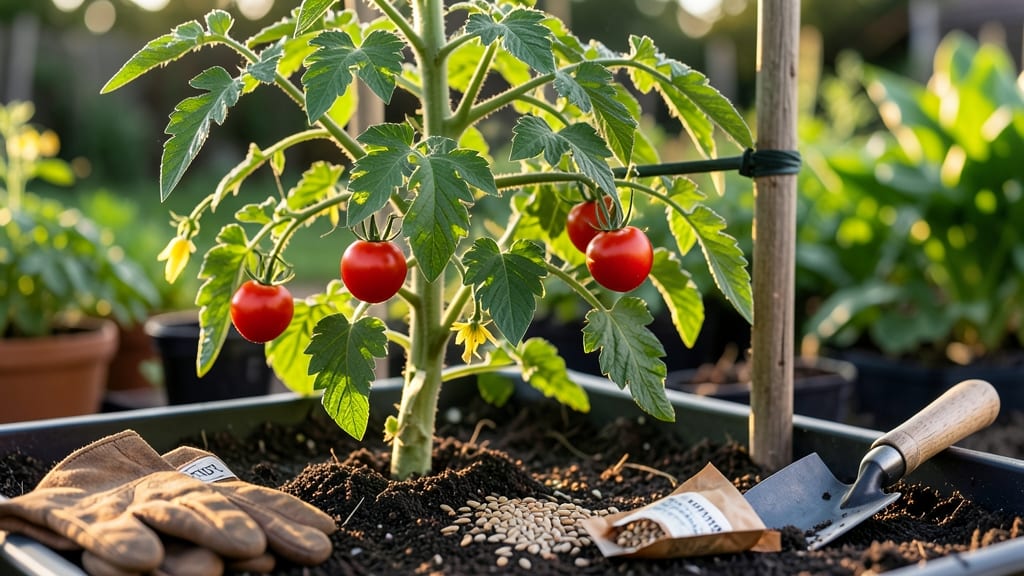
Growing Reisetomate tomato seeds unlocks a treasure trove of juicy, sweet cherry tomatoes that German gardeners have cherished for generations. 🌱 These heirloom varieties—like 'Sweet Million' and 'Tumbling Tom'—thrive in containers or garden beds, producing prolifically even in cooler climates.
The secret lies in their disease resistance and compact growth, perfect for small spaces or urban gardens.
Start indoors 6-8 weeks before your last frost, using seed-starting mix in small pots. Keep the soil warm (around 70°F) and moist, and expect seedlings in 7-14 days.
Once true leaves appear, transplant them into larger containers or garden soil, ensuring they get full sun (6-8 hours daily). The key to success? Well-draining soil rich in compost and consistent watering at the base to avoid fungal issues.
By midsummer, you’ll be harvesting clusters of bursting, vine-ripened tomatoes that taste like summer in every bite. These varieties produce all season long, often until frost, and their compact vines make them ideal for trellises or hanging baskets.
The first flush of fruit arrives in 50-60 days after transplanting, and with proper care, yields can reach 20-30 pounds per plant.
For best results, pinch off early flowers to encourage stronger vines, and prune suckers regularly. If leaves yellow or spots appear, switch to morning watering and improve airflow.
With these heirloom seeds, you’re not just growing tomatoes—you’re cultivating a taste of tradition that’s impossible to find in stores. Ready to get started?
📚 In This Guide
- What you need
- Instructions
- Tips and common mistakes
- Wrapping up and next steps
What you need
- ● Reisetomate tomato seeds – 10-20 seeds (or 1-2 seed packets for home gardeners). Choose organic, non-GMO seeds for best results.
- ● Seed-starting mix – 1-2 gallons of a sterile, well-draining potting mix (avoid garden soil to prevent disease).
- ● Seed trays or small pots – 2-4 (3-4 inch pots or a seed tray with individual cells).
- ● Grow lights or sunny windowsill – A full-spectrum LED grow light (if indoors) or a south-facing window with 6+ hours of sunlight.
- ● Spray bottle – For gentle watering of seeds.
- ● Plastic wrap or humidity dome – To retain moisture while seeds germinate.
- ● Fertilizer – A balanced, organic fertilizer (e.g., 5-5-5 or compost tea) for seedlings.
- ● Transplant pots or garden space – 5-gallon containers or a sunny, well-drained garden bed (6+ hours of sunlight daily).
- ● Stakes or cages – 3-4 ft tall (tomatoes need support!).
- ● Mulch – Straw or shredded leaves to retain soil moisture.
- ● Heating mat – Speeds up germination (especially useful in cooler climates).
- ● pH testing kit – Ensures soil pH is between 6.0-6.8 (ideal for tomatoes).
- ● Compost or worm castings – Boosts soil fertility naturally.
- ● Drip irrigation system – Keeps roots consistently moist without overwatering.
- ● Pest deterrents – Row covers or neem oil (to protect against early pests).
Step-by-step instructions for growing Reisetomate from seed
Here's how to coax these German heirlooms into vigorous, productive plants with minimal fuss.
🌱 Step 1: Start Seeds Indoors 8-10 Weeks Before Last Frost
Fill 2-inch deep biodegradable pots with a sterile seed-starting mix (never garden soil—it's too dense and may harbor pathogens). Moisten until damp like a wrung-out sponge. Press the mix down gently to eliminate air pockets while keeping it loose enough for tender roots.
Sow 2 seeds per pot at a depth of ¼ inch—just enough to cover them lightly. I tap the seed packet gently to release one seed at a time, avoiding the temptation to plant more than two. Cover with a fine layer of additional mix and mist gently with water until the surface looks evenly damp but not glistening.
💧 Step 2: Provide Warmth and Humidity for Germination
Place the pots in a warm spot where temperatures stay between 75-85°F. A seedling heat mat works wonders here, keeping the soil 10°F warmer than room temperature and dramatically improving germination speed. Cover the pots with a clear plastic dome or plastic wrap to retain moisture and warmth.
Check daily but resist the urge to water—condensation inside the dome creates the perfect humid environment. Germination typically occurs in 7-14 days, though cooler rooms may take a few extra days. Once 50% of seeds sprout, remove the dome immediately to prevent damping-off disease, which can collapse seedlings overnight.
☀️ Step 3: Move to Bright Light Immediately After Germination
The instant those first true leaves appear, move the seedlings to a location with 14-16 hours of light daily. A south-facing window rarely provides enough intensity, so I use a full-spectrum LED grow light positioned 2-4 inches above the plants. Raise the light as the seedlings grow to maintain that gap.
Without sufficient light, seedlings stretch desperately (called "leggy"), developing thin, pale stems with leaves spaced far apart. Strong Reisetomate seedlings have thick stems, deep green color, and compact spacing between leaves. You'll see the first true leaves emerge within 10-14 days—this is your signal that everything is on track.
⏰ Step 4: Harden Off and Transplant After Last Frost
Two weeks before your last frost date, begin hardening off the seedlings by placing them outside in a sheltered, shaded spot for 1-2 hours the first day. Gradually increase their outdoor time by 1 hour daily over 10-14 days, slowly introducing more sun and wind. This process prepares them for the garden and prevents transplant shock.
Transplant the seedlings outdoors on an overcast afternoon or in the early evening. Choose a spot with full sun and well-draining soil. Space the plants 18-24 inches apart to allow for robust growth and air circulation, which is crucial for disease resistance. Water deeply at the base immediately after transplanting to help the roots establish.
Tips & tricks for perfect Reisetomate seedlings
These practical insights will help you nurture robust, disease-resistant Reisetomate plants from the very first seed.
Germination Environment: The 75-85°F temperature range during germination is non-negotiable—any cooler and you'll face delayed sprouting, any hotter and you risk damping-off. I place my seed trays on a seedling heat mat set to 80°F for consistent results. The 10°F warmer soil temperature accelerates germination by 24-48 hours compared to room temperature alone.
Lighting Strategy: Those critical 14-16 hours of light aren't just about duration—they're about intensity. A south-facing window provides weak light that causes leggy seedlings. My full-spectrum LED grow light positioned 2-4 inches above the plants delivers the right spectrum for photosynthesis. I adjust the height weekly as seedlings grow to maintain consistent light exposure.
Harden Off Gradually: The 1-2 hour to 10-14 day hardening process is where many gardeners rush and regret it. I start with just 1 hour on day one, then increase by 1 hour daily while monitoring leaf color. Any faster and you'll shock the seedlings, causing them to wilt or develop stress spots. The goal is to mimic outdoor conditions without overwhelming them.
Transplanting Technique: When transplanting your Reisetomate seedlings, focus on the soil depth. The roots should sit just below the soil line—they'll naturally settle deeper over time. I make a small hole with my finger, gently place the seedling in, and firm the soil around it. Watering deeply afterward helps eliminate air pockets that can cause transplant shock.
Pro Tips for Reisetomate Tomato Seeds
- These practical insights will help you nurture robust, disease-resistant Reisetomate plants from the very first seed.
- Germination Environment: The 75-85°F temperature range during germination is non-negotiable—any cooler and you'll face delayed sprouting, any hotter and you risk damping-off.
- Lighting Strategy: Those critical 14-16 hours of light aren't just about duration—they're about intensity.
Frequently asked questions
Got questions about growing Reisetomate tomato seeds? You’re not alone! Here are some of the most common concerns—plus quick, practical answers to help you succeed with this German heirloom variety.
When is the best time to plant Reisetomate seeds?
Start seeds indoors 6–8 weeks before your last frost date (typically late February to early March in most U.S. zones). Reisetomates thrive in warm soil—wait until nighttime temps stay above 55°F (13°C) before transplanting outdoors (usually mid-to-late May). For cooler climates, use row covers or grow in containers for extra warmth!
How long does it take for Reisetomate seeds to germinate?
Germination usually takes 7–14 days at 70–80°F (21–27°C). Keep soil consistently moist (not soggy!) and use a heat mat if your home runs cool. Pro tip: A clear plastic wrap tent over the tray can speed things up by trapping humidity. Patience pays off—these seeds are worth the wait!
Are Reisetomate tomatoes really disease-resistant? What should I watch for?
Yes! This variety is resistant to Fusarium and Verticillium wilt, two common tomato killers. However, blight (early/late) and aphids can still strike. Prevent issues by:
- Rotating crops yearly
- Avoiding overhead watering
- Using mulch to deter soil-borne pathogens
- Spraying neem oil for pests
Can I grow Reisetomate in containers? What’s the ideal pot size?
Reisetomates do well in containers since they’re determinate (bush-type). Choose pots at least 12–15 inches deep and wide, with drainage holes. Use a lightweight potting mix (avoid garden soil) and fertilize weekly with a balanced liquid feed once flowers appear. Bonus: Containers make it easy to move plants to sunniest spots!
What can I do if my Reisetomate seeds don’t sprout?
Don’t toss them yet! Try these troubleshooting steps:
- Check moisture: Use a spray bottle to mist soil gently—seeds need consistent dampness, not a swamp.
- Test viability: Soak a few seeds in warm water for 24 hours; if they don’t swell, they may be old or stored improperly.
- Adjust heat: Move the tray to a warmer spot (like on top of the fridge) or use a seedling heat mat.
- Fresh batch: If all else fails, order new seeds—some varieties lose vigor after 2+ years.
Pro tip: Label seeds with the date planted to track freshness!
Are Reisetomate tomatoes good for sauces, slicing, or both?
This versatile variety excels at both! Their meaty, low-acid flesh makes them perfect for:
- Sauces & pastes (thick, rich flavor)
- Slicing (juicy, sweet-tart balance)
- Fresh eating (great in salads or sandwiches)
Wrapping up and next steps
Growing Reisetomate tomato seeds is a rewarding journey that brings juicy, flavorful, and disease-resistant fruits right to your garden! 🌱 Whether you're a seasoned gardener or just starting out, this heirloom variety offers a delicious and resilient option for your harvest.
Now that you’re equipped with the right knowledge—from seed-starting tips to troubleshooting common issues—it’s time to roll up your sleeves and plant those seeds! Grab your gloves, find a sunny spot, and let the magic of gardening unfold. Happy growing! 🌿