
Companion Plants
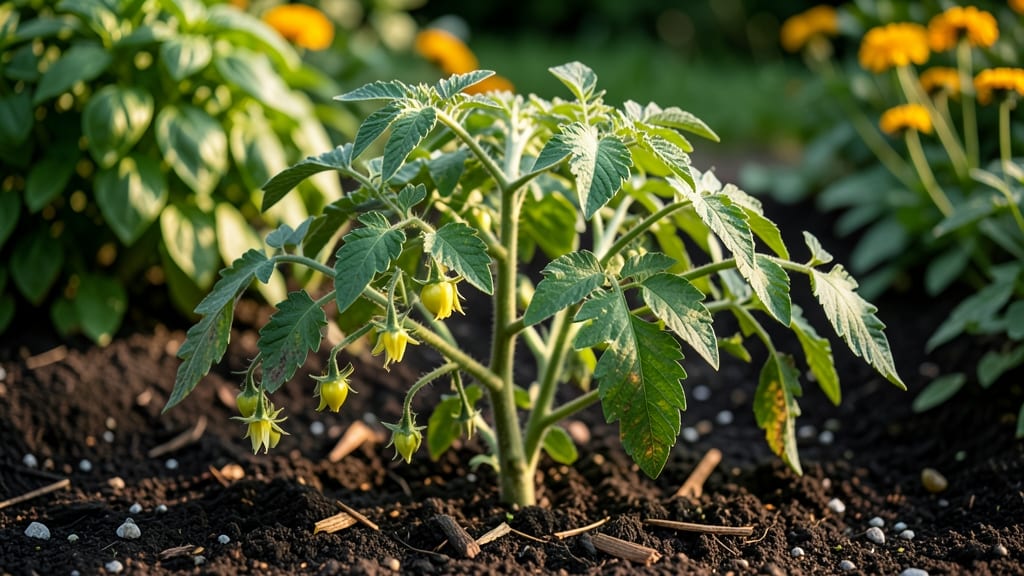
Sweet cherry tomato plants turn my summer into a candy store. 🌱 These indeterminate varieties climb relentlessly, producing bite-sized jewels that burst with flavor—far sweeter than store-bought tomatoes. The secret lies in their compact growth habit and early fruiting, but only if you give them the right conditions.
Start with well-draining soil mixed with compost and plant them deep—burying half the stem encourages stronger roots. A sturdy cage or trellis keeps vines off the ground, preventing disease while maximizing space.
Most varieties need 6-8 hours of sun daily, but they’ll forgive brief shade spells if the heat peaks. By mid-summer, you’ll be harvesting pints of tomatoes weekly—just pinch off early flowers to boost plant strength first.
The real magic happens when you balance watering (deep soaks, not daily sprinkles) and prune suckers regularly. One plant can feed a family for months if you stay consistent. These tomatoes thrive in containers or ground beds, making them perfect for small spaces or urban gardens. The key?
Start early, protect from pests, and let them climb. Your taste buds—and neighbors—will thank you.
📚 In This Guide
- What you need
- Instructions
- Tips and common mistakes
- Wrapping up and next steps
What you need
- ● Seeds or seedlings: Indeterminate sweet cherry tomato varieties (e.g., 'Sweet 100,' 'Sun Gold,' or 'Tumbling Tom'). 3–5 plants ensure a bountiful harvest.
- ● Containers or garden bed: Containers: 5-gallon pots or larger (at least 12" deep) with drainage holes. 3–5 pots for your plants.
- ● Garden bed: Full sun (6–8+ hours/day) and well-draining soil. Amend with compost for nutrient-rich soil.
- ● High-quality potting mix: 1–2 bags of organic, well-draining mix (avoid garden soil—it compacts easily).
- ● Tomato cages or stakes: 3–5 sturdy cages (5–6 ft tall) or bamboo stakes (6 ft long) to support vines.
- ● Fertilizer: Starting: Balanced fertilizer (10-10-10) or compost tea.
- ● Growth: Tomato-specific fertilizer (high in phosphorus/potassium, like 5-10-10) or organic options (fish emulsion, worm castings).
- ● Mulch: 2–3 inches of straw or shredded leaves to retain moisture and suppress weeds.
- ● Trowel or small shovel
- ● Garden gloves
- ● Watering can or hose with a gentle spray nozzle
- ● Pruning shears (sterilized)
- ● Self-watering system or drip irrigation to keep soil consistently moist.
- ● Shade cloth (for hot climates) to protect plants from scorching.
- ● Companion plants: Basil, marigolds, or borage to deter pests and boost growth.
- ● pH testing kit to ensure soil is slightly acidic (6.0–6.8).
Step-by-step guide to growing indeterminate sweet cherry tomatoes
Here’s how to coax those prolific, vine-loving cherry tomatoes into producing buckets of sweet fruit all season.
🌱 Step 1: Start Seeds Indoors for Early Vigorous Growth
Begin seeds 8-10 weeks before your last frost date in biodegradable pots (2-3 inches deep) filled with sterile seed-starting mix. The key here is warmth—place pots on a seedling heat mat set to 75-85°F to trigger germination within 5-10 days. I like to press seeds ¼ inch deep (about twice their diameter) and cover lightly with mix, then mist until evenly damp.
Once sprouts appear, remove the heat mat and move seedlings to a bright, south-facing window or under grow lights (14-16 hours/day). You’ll know they’re getting enough light when stems stay sturdy and dark green, not leggy. Thin to one seedling per pot after the first true leaves emerge—this prevents competition and weak stems.
☀️ Step 2: Harden Off and Transplant for Strong Outdoor Adaptation
Two weeks before transplanting, start hardening off seedlings by placing them outside in partial shade for 1-2 hours the first day. Gradually increase exposure over 10-14 days, ending with full sun for the last 2-3 days. This toughens stems and leaves so they don’t wilt when moved outdoors.
Transplant on an overcast afternoon or in late afternoon to reduce shock. Bury seedlings deeper than the pot—up to the first set of leaves—to encourage strong root growth. Space plants 24-36 inches apart in rows 3-4 feet apart for good airflow. Water deeply at the base, not overhead, to settle soil and prevent fungal issues.
💧 Step 3: Support and Prune for Maximum Fruit Production
Indeterminate cherry tomatoes need strong support—install 5-6 foot tall cages or stakes at planting. As vines grow, weave them through the cage or tie stems to stakes with soft plant ties every 12-18 inches. Prune suckers (the small shoots in the leaf axils) weekly to redirect energy to fruit production. I remove suckers larger than 3-4 inches to avoid stressing the plant.
Pinch off the first flower cluster if seedlings are small (<12 inches tall)—this encourages bushier growth before fruiting. Once plants are established, focus on removing lower leaves that touch the soil to prevent disease. Mulch with 2-3 inches of straw to retain moisture and keep soil temperatures steady.
✂️ Step 4: Manage Water and Fertilize for Continuous Harvests
Water deeply 1-2 times per week, aiming for 1-1.5 inches of water total. Let the top 2 inches of soil dry between waterings to prevent blossom-end rot. I water in the early morning to reduce fungal risks. Avoid wetting leaves—use a soaker hose or drip irrigation for targeted moisture.
Feed plants every 2-3 weeks with a balanced fertilizer (10-10-10) until flowers appear, then switch to a low-nitrogen, high-phosphorus formula (5-10-10) to boost fruiting. Stop fertilizing 4-6 weeks before the first frost to harden off plants for storage. You’ll know they’re thriving when vines produce new leaves and flowers daily—that’s your cue for abundant harvests.
🍅 Step 5: Harvest and Extend the Season for Longer Enjoyment
Harvest cherries when they’re fully colored and slightly soft to the touch—usually 45-60 days after flowering. Pick consistently to encourage more production. I use small clippers or my fingers to avoid damaging stems. Store harvested tomatoes in a single layer at room temperature for 3-5 days or refrigerate for up to 2 weeks (though flavor peaks at room temp).
To extend the season, cover plants with frost blankets when nighttime temps drop below 50°F. Remove covers in the morning to prevent moisture buildup. If frost is imminent, harvest all remaining fruit—even unripe tomatoes will ripen indoors with a ripening agent (like an apple in the bag).
Tips & tricks for growing indeterminate sweet cherry tomatoes
Here's what I've learned from years of growing these prolific vines—tricks that make all the difference between a decent harvest and a garden overflowing with sweet fruit.
Seedling Heat Mat Precision: The 75-85°F range on your seedling heat mat is non-negotiable for germination, but I've found that 80°F is the sweet spot for consistent results. Place a small thermometer on the mat to monitor—if temps dip below 75°F, germination slows dramatically. For extra insurance, cover pots with clear plastic wrap to retain moisture and warmth until sprouts appear.
Lighting Strategy for Leggy Seedlings: If your seedlings start stretching toward the light (a sign of legginess), it's time to intervene. Move them to a grow light immediately—those 14-16 hours of daily light are crucial. Position lights just 2-3 inches above the seedlings and raise them as plants grow. I've seen leggy seedlings recover completely in just 3-4 days with proper light exposure.
Transplanting Timing Secret: The overcast afternoon transplant window exists for a reason—it minimizes transplant shock. But here's the pro move: water your seedlings thoroughly the night before transplanting. This keeps roots moist and reduces stress during the move. Also, bury stems deeper than you think you should—up to the first set of true leaves—this encourages stronger root systems.
Pruning for Maximum Production: When pruning suckers (those little shoots in the leaf axils), size matters. Remove any sucker larger than 3-4 inches immediately—they're energy vampires that drain resources from your fruit production. I use clean, sharp pruners to avoid damaging the main stem. And here's a bonus: save those small suckers (under 2 inches) and root them in water for new plants!
Pro Tips for Sweet Cherry Tomato Plants
- Here's what I've learned from years of growing these prolific vines—tricks that make all the difference between a dec...
- Seedling Heat Mat Precision: The 75-85°F range on your seedling heat mat is non-negotiable for germination, but I've ...
- Lighting Strategy for Leggy Seedlings: If your seedlings start stretching toward the light (a sign of legginess), it'...
Frequently asked questions
Got questions about growing sweet cherry tomato plants? You’re not alone—these little powerhouses pack big flavor and even bigger curiosity! Here are answers to the most common queries to help you cultivate a thriving vine.
When is the best time to plant sweet cherry tomato seeds or seedlings?
For warm climates, start seeds indoors 6–8 weeks before the last frost or direct-sow after soil temps hit 55°F+. In cooler zones, wait until 2–3 weeks after frost—cherry tomatoes hate cold soil. Transplant seedlings 12–18 inches apart in full sun (6+ hours/day) for optimal growth.
How long does it take for sweet cherry tomato plants to produce fruit?
Expect 60–70 days from transplanting to first harvest, but indeterminate varieties keep yielding until frost! Pro tip: Pinch off early flowers (if seedlings look stressed) to boost root growth—this speeds up maturity. Patience pays off with weeks of sweet, bite-sized tomatoes!
What pests or diseases should I watch for with cherry tomato plants?
Common culprits include aphids, hornworms, and blight. Prevent pests with row covers or neem oil; remove chewed leaves ASAP. For fungal issues (like early blight), space plants for airflow and water at the base (not leaves). Companion plants like basil or marigolds can deter pests naturally!
Can I grow sweet cherry tomatoes in containers? If so, what size pot is best?
Use 5-gallon pots or larger (bigger = more yield). Ensure pots have drainage holes and support (like a cage or trellis) since indeterminate vines can grow 6–10 feet tall. Pro tip: Mix in compost and fertilize every 2–3 weeks for container-grown plants—they’re hungry!
Why aren’t my sweet cherry tomato plants fruiting—even though they have flowers?
Lack of fruit often stems from stress, temperature swings, or pollination issues. Check these:
- Heat stress: Flowers drop if temps hit 90°F+ (use shade cloth).
- Pollination: Gently shake plants or hand-pollinate with a brush if bees are scarce.
- Nutrients: Yellow leaves? Add a balanced fertilizer (10-10-10).
Indeterminate varieties are persistent—give them time and TLC!
Wrapping up and next steps
Growing sweet cherry tomato plants—especially indeterminate varieties—is a rewarding journey that yields bursting flavors and bountiful harvests. With the right companion plants, soil prep, and care, you’ll enjoy a thriving garden that keeps giving all season long.
Whether you’re a seasoned gardener or just starting, these tips will help you cultivate a productive, pest-resistant, and delicious tomato patch.
Now that you’re armed with knowledge, it’s time to roll up your sleeves and get planting! 🌱 Start by selecting your favorite indeterminate variety, prep your garden bed, and pair it with the perfect companions.
Before you know it, you’ll be savoring homegrown cherry tomatoes straight from the vine—sweet, juicy, and full of summer magic.